
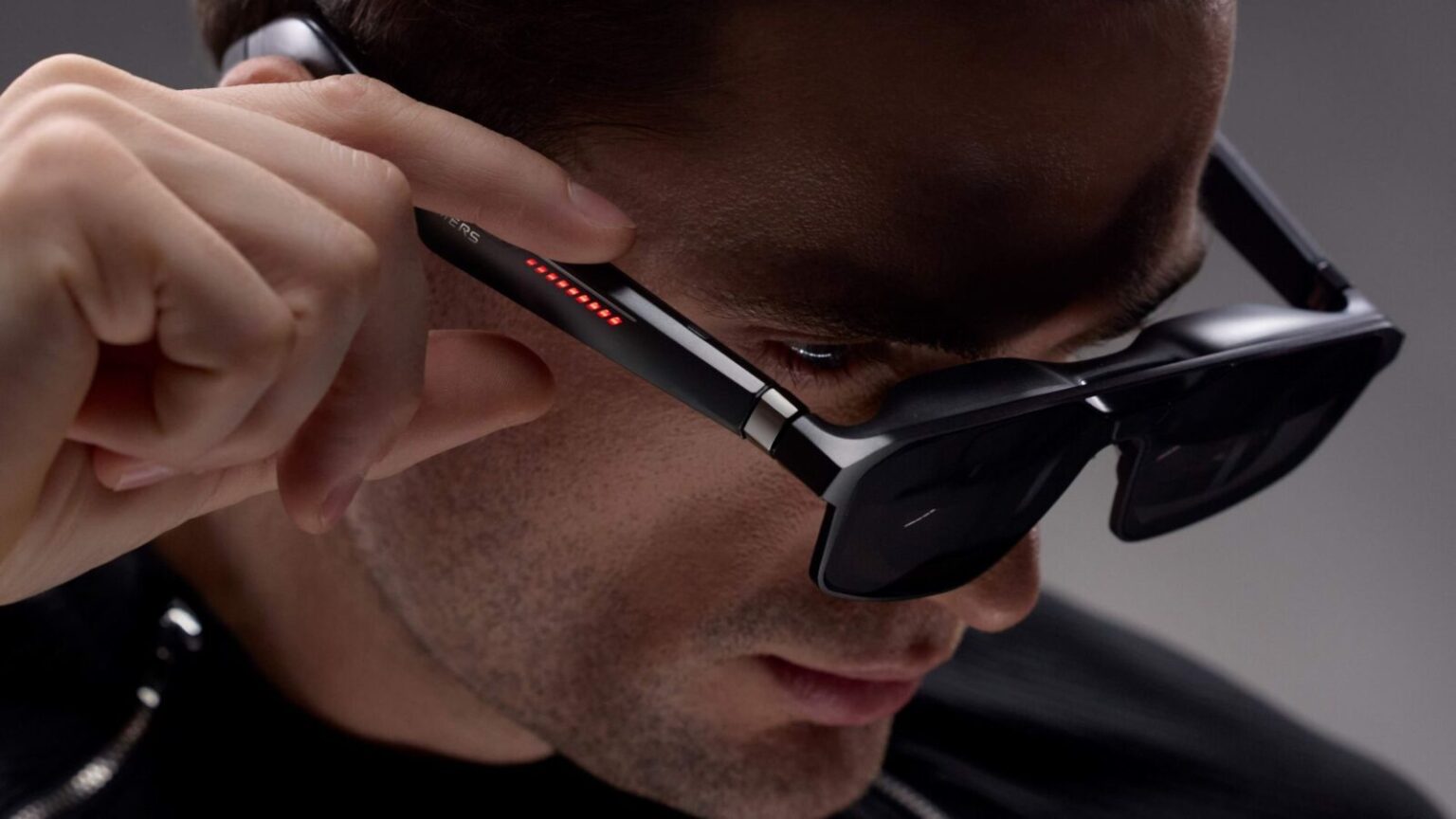
The ROG Xreal R1 AR gaming glasses have arrived at a pre-order price of $849, positioning them as a premium option in the growing wearable display market. Announced by ASUS’s ROG brand, the device builds directly on Xreal’s established hardware lineup, adding a handful of targeted upgrades aimed at gamers while retaining many of the same core limitations seen in earlier models.
At its heart, the R1 delivers a 1080p resolution through micro-OLED panels with a 57-degree field of view. That translates to roughly a 171-inch virtual screen when viewed from about four meters away, which remains impressive for on-the-go productivity or entertainment. The standout new feature is the 240Hz refresh rate, a noticeable step up from the standard 60Hz or 120Hz found on most competing AR glasses. For competitive shooters or any title where smooth motion matters, this higher refresh should reduce blur and improve responsiveness. Outside of gaming, the glasses still handle movie watching and basic PC tasks adequately, functioning much like a portable external monitor you wear on your face.
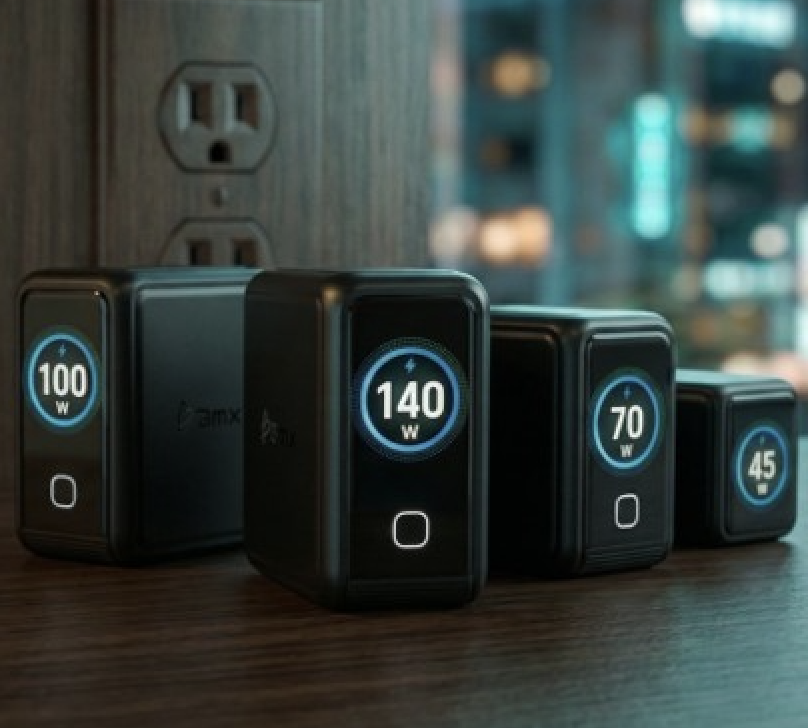
The bundled dock stands out as the most practical addition. It simplifies connections to multiple devices, including consoles like the Switch 2 that can be picky about direct USB-C output. You can still plug hardware straight into the glasses via USB-C for lighter setups, but the dock handles the finicky stuff without constant troubleshooting. The trade-off is clear: that dock is bulky, which undercuts the glasses’ main advantage of being far more portable than traditional VR headsets.
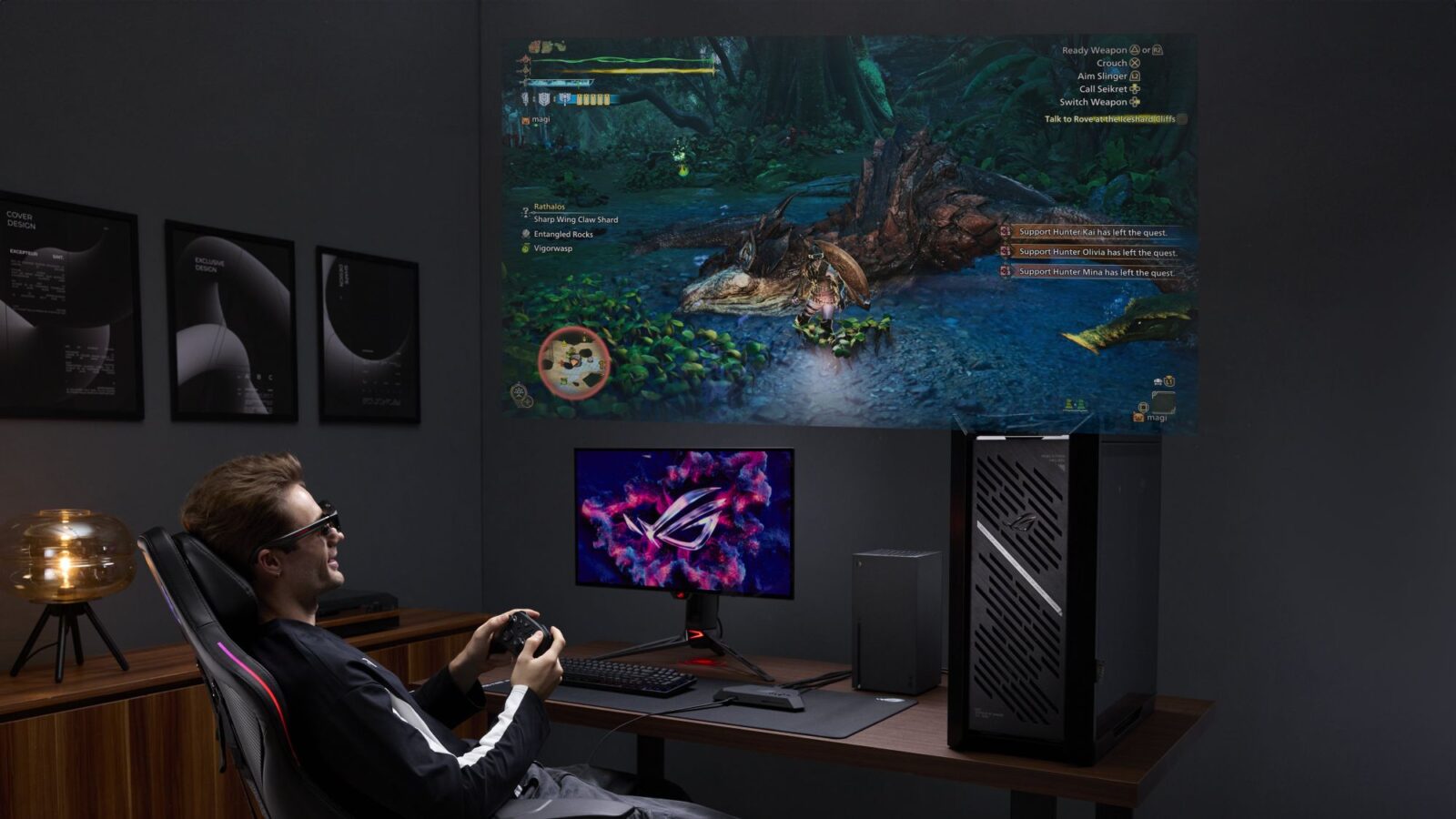
Compared to Xreal’s own One Pro at $649, the ROG version commands a $200 premium for the faster refresh and dock bundle. Whether that justifies the jump depends on your priorities. The field of view and resolution stay modest by 2026 standards, and pushing toward 1440p or 4K on tiny panels remains challenging for power and thermal reasons. Prescription lens inserts are still required for many users, though sharpness holds up well once dialed in.
Early impressions from similar Xreal hardware suggest these glasses shine during travel. They turn cramped airplane trays or hotel desks into viable workspaces or theaters without the bulk and sweat of full VR rigs. Battery life and comfort will be key factors once full reviews emerge, as will real-world performance across different game libraries and PC setups. At this price, the R1 enters a space where buyers expect tangible daily value beyond novelty.
The AR glasses category has matured steadily since the first wave of clunky smart glasses, but challenges around content ecosystems, eye strain during long sessions, and outright replacement of traditional monitors remain. The ROG Xreal R1 feels like an evolutionary step rather than a breakthrough, refining an already solid foundation with gamer-focused tweaks. It could appeal to enthusiasts who already travel with multiple devices or want a secondary high-refresh display for specific titles. For everyone else, the cost and compromises may prompt waiting for broader market competition or the inevitable next iteration.