

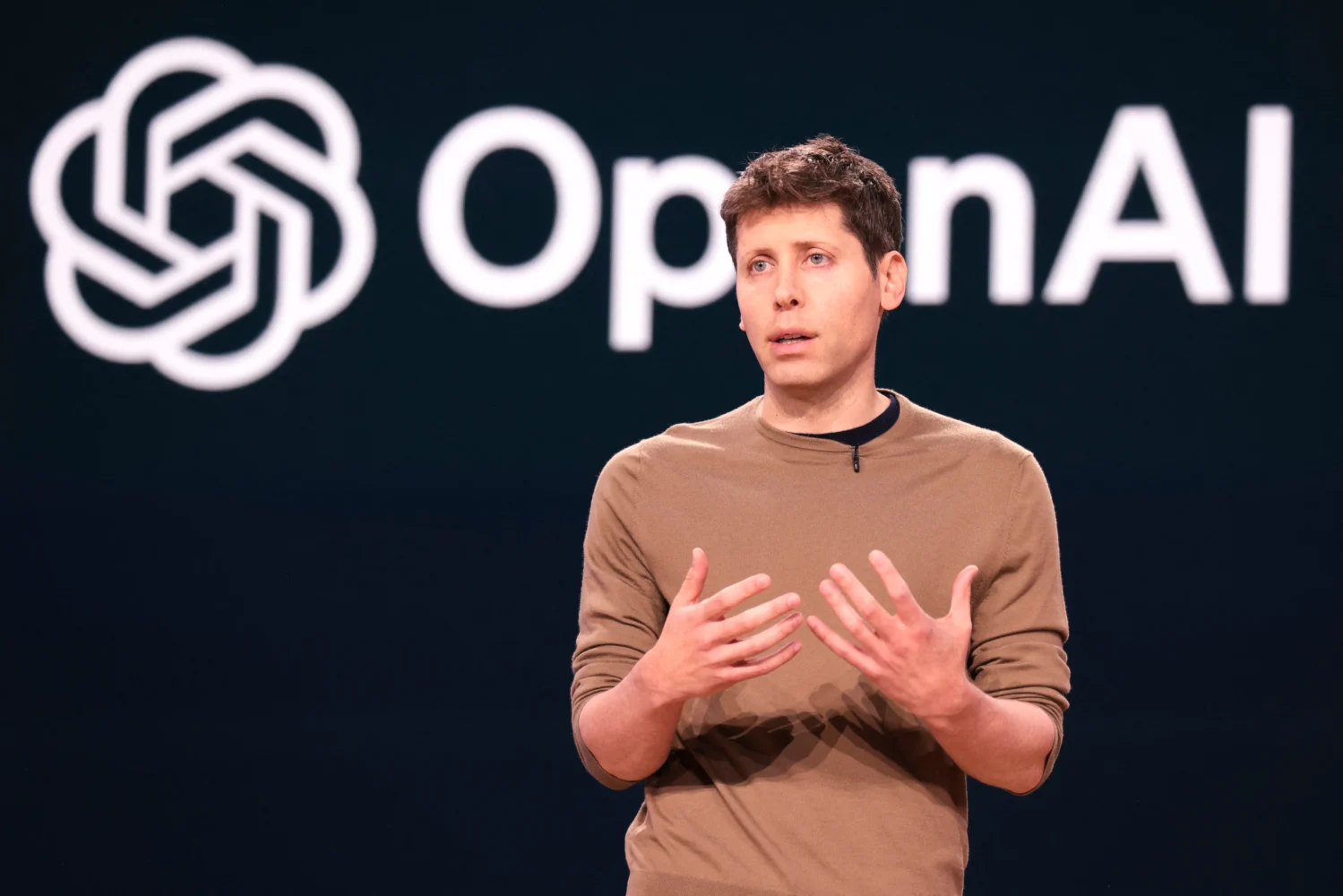
OpenAI, the company behind ChatGPT, is reportedly moving toward an initial public offering that could happen as early as September. According to The Wall Street Journal, the organization has been working with bankers at Goldman Sachs and Morgan Stanley on IPO documentation, with a possible filing as soon as this week. The timing follows the recent dismissal of Elon Musk’s lawsuit against CEO Sam Altman, clearing one legal hurdle.
While the news has generated plenty of attention, it arrives at a moment when questions about the long-term economics of frontier AI companies remain unresolved. OpenAI’s consumer-facing products, especially ChatGPT, enjoy massive daily usage by hundreds of millions of people. That household recognition could drive strong retail investor interest and support a premium valuation. Yet the company’s enormous spending on compute infrastructure and model training continues to outpace its revenue, a gap that public markets will examine closely through regular financial disclosures.
An IPO would give OpenAI access to public capital, potentially funding the next wave of large language models and related infrastructure. At the same time, going public brings heightened regulatory oversight from bodies like the Securities and Exchange Commission. Copyright disputes, data privacy concerns, and ongoing lawsuits—including one filed by CNET’s parent company Ziff Davis—could receive more public scrutiny. Investors will also weigh whether current AI hype can translate into sustainable profits once the novelty settles and competition from Google’s Gemini, Anthropic’s Claude, and others intensifies.
The broader context matters. Several high-profile AI and tech players, including SpaceX and Anthropic, appear to be eyeing public markets around the same period. This rush reflects both confidence in the sector and a desire to lock in valuations before any cooling of enthusiasm. Compute power remains a critical bottleneck—training ever-larger models requires vast data centers, specialized chips, and energy resources that grow more expensive and politically complex by the year.
Historically, technology IPOs have often followed similar patterns. The dot-com era showed how rapid public debuts can inflate valuations far beyond fundamentals, only for corrections to follow when growth expectations prove unrealistic. More recent examples in ride-sharing, social media, and fintech delivered mixed results for early investors once operational realities set in. OpenAI enters this process with stronger consumer traction than many predecessors, but the capital intensity of frontier AI sets it apart from earlier software success stories.
For the AI industry as a whole, OpenAI’s potential listing could help set valuation benchmarks and influence how capital flows into competing efforts. Success might accelerate innovation and infrastructure buildout. Failure or a sharp post-IPO drop, however, could make investors more cautious and slow the pace of development across the sector. Much will depend on whether OpenAI can demonstrate a credible path to profitability while managing the governance and transparency demands of public status.
The coming months will reveal whether this transition strengthens the company or exposes vulnerabilities that private funding had previously obscured. For now, the reported preparations signal that one of the defining players in generative AI is ready to test its story in the public arena.