

Apple’s planned standalone Siri app for iOS 27 brings measurable improvements to how users manage their conversation data. Reports indicate the app will offer three retention options: automatic deletion after 30 days, after one year, or indefinite storage. This mirrors the existing controls in Apple’s Messages app and gives people a clearer way to decide what the company keeps from their interactions with the assistant.
For more than a decade, Siri has trailed behind rivals in intelligence and openness. Incremental updates improved basic functionality, yet privacy rarely featured prominently in Apple’s announcements. That dynamic looks set to evolve ahead of WWDC 2026. The new Siri app shifts from quick voice commands to a persistent chatbot setup, complete with threaded conversation history, file upload support, and flexible interface choices. Users can start fresh chats instantly or browse a Messages-style list of past exchanges, depending on their preference.
Under the hood, queries will flow through Apple’s Private Cloud Compute system. This follows a multi-year agreement to integrate Google’s Gemini model into Siri. Apple states that Google will not use these conversations for training purposes, but enforcement details and independent verification remain limited. Such vagueness is noteworthy in an industry where data-handling practices have drawn repeated scrutiny. Partnerships between tech giants often raise valid concerns about long-term control, especially when Siri’s track record includes years of delayed features and unkept timelines.
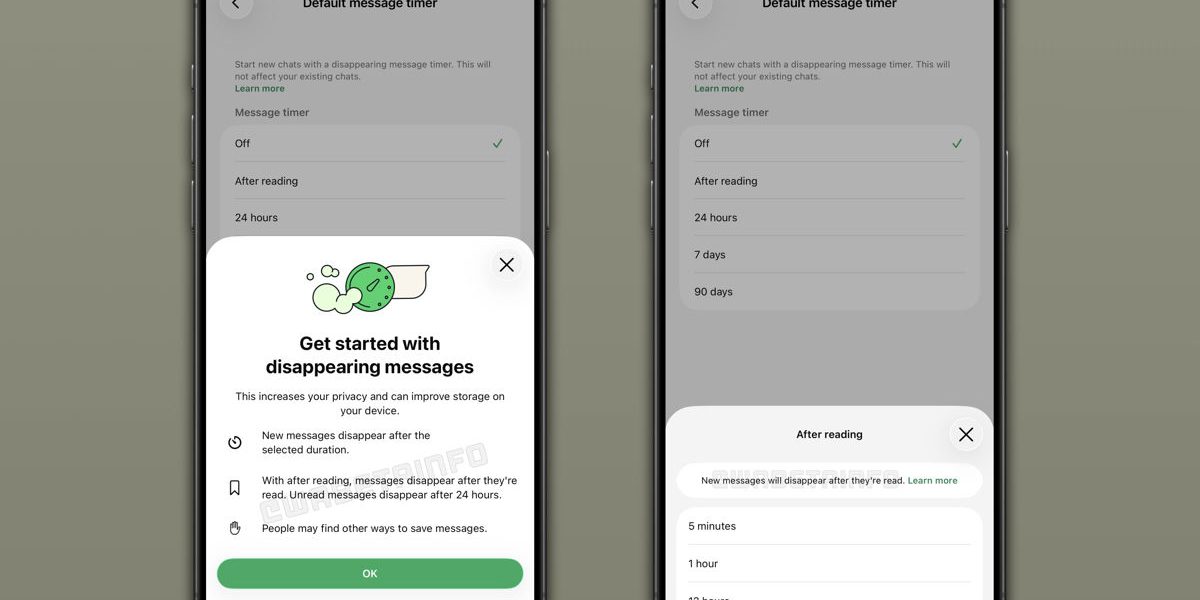
The app is expected to launch with a beta tag, similar to the cautious debut of Apple Intelligence in iOS 18. That measured approach is understandable. Context-aware chatbots can behave unpredictably in real-world use, and early testing helps catch issues before wider release. The auto-delete timers represent a practical response to growing regulatory pressure on AI data storage. They also align with wider trends, from WhatsApp’s disappearing messages to ephemeral options in other assistants, as more users push back against permanent retention by default.
Even so, simple toggles do not resolve bigger issues around model training, third-party data flows, or sustained security. Apple has long marketed itself as privacy-focused, yet meaningful controls frequently arrive later than many would like. The true value will only become clear once developers and early users put the system through its paces. Will the chatbot deliver enough responsiveness and reliability to feel like a genuine upgrade over legacy Siri? Does Private Cloud Compute actually uphold the promised privacy boundaries in daily operation? Those questions should gain answers in the coming weeks.
In the end, this update reflects Apple’s effort to modernize Siri into a more capable digital companion while tackling one of the core frustrations with cloud-based assistants. It is unlikely to close the capability gap with dedicated tools like ChatGPT or Gemini overnight. Yet offering users straightforward deletion controls could rebuild some trust among those uneasy about always-on AI. As digital conversations increasingly serve as personal records, the ability to set time limits on retention stands as a sensible baseline rather than an exciting innovation.