
Samsung has turned its attention to low-light photography and videography with the Galaxy S26 Ultra, positioning the phone as a more practical tool for capturing content after dark. The emphasis falls on wider apertures, refined Nightography features for video, steadier footage, and AI-assisted editing that together aim to reduce the usual frustrations of shooting in dim conditions.
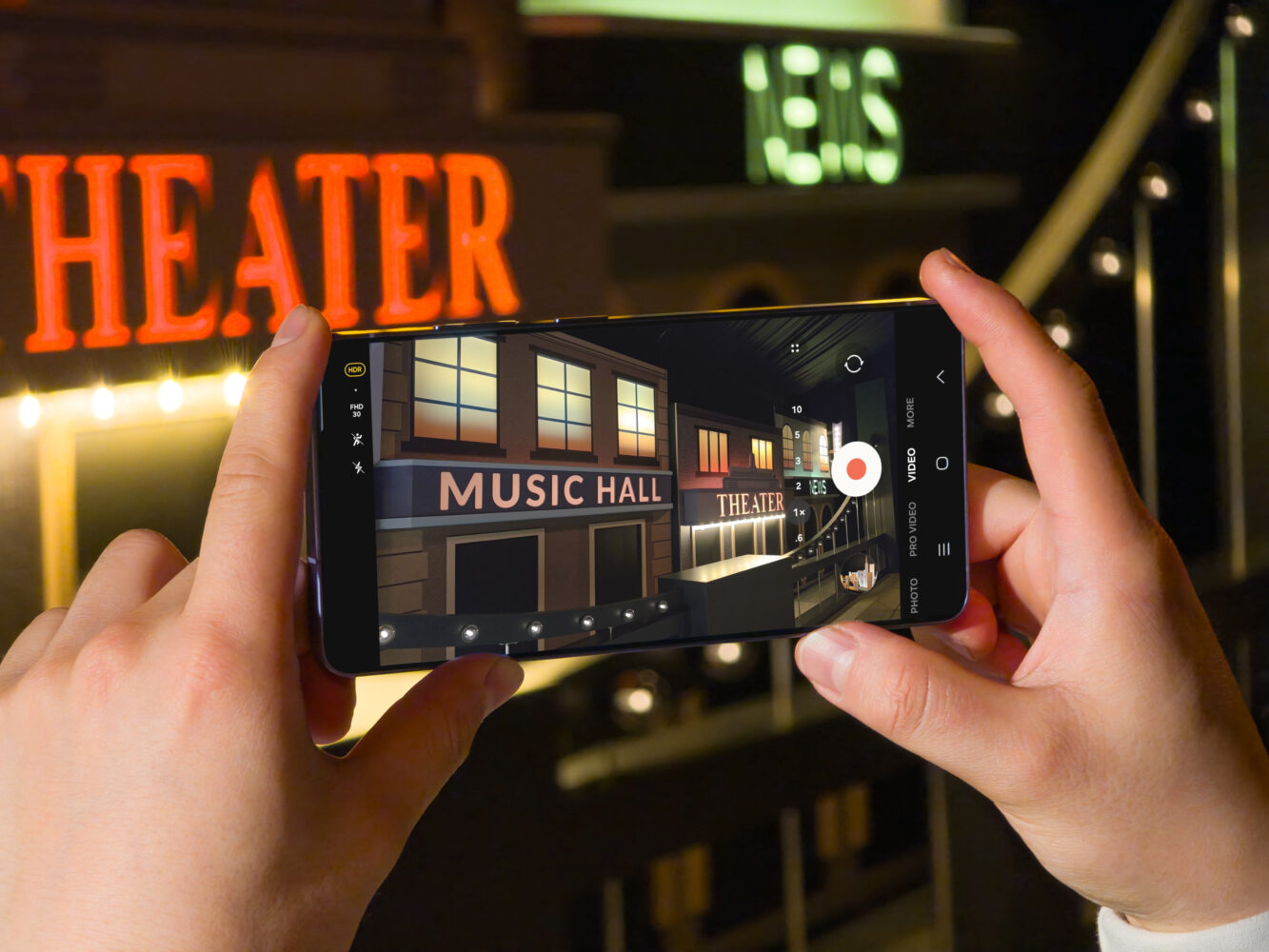
In everyday scenarios where people now create and share most of their material — dinners out, evening city strolls, family gatherings, or spontaneous late-night clips — consistent results in poor lighting remain a genuine challenge for smartphone cameras. Samsung’s approach with the S26 Ultra centers on an enhanced Nightography system. The main camera gains a wider f/1.4 aperture, which should allow more light in and deliver clearer detail with less noise. For video, the upgraded Nightography processing promises sharper, more vibrant footage alongside better noise reduction, making it somewhat easier to film skyline views, café scenes, or outdoor nights without the image falling apart.
The front camera also receives attention through improved AI-powered image signal processing. This targets cleaner details and more natural skin tones in mixed or tricky lighting, which could prove useful for night portraits, group selfies, and social content shot in restaurants or softly lit rooms. Historically, front-facing cameras have lagged behind rear ones in low light; any measurable step forward here addresses a long-standing pain point for users who rely on selfies and video calls.
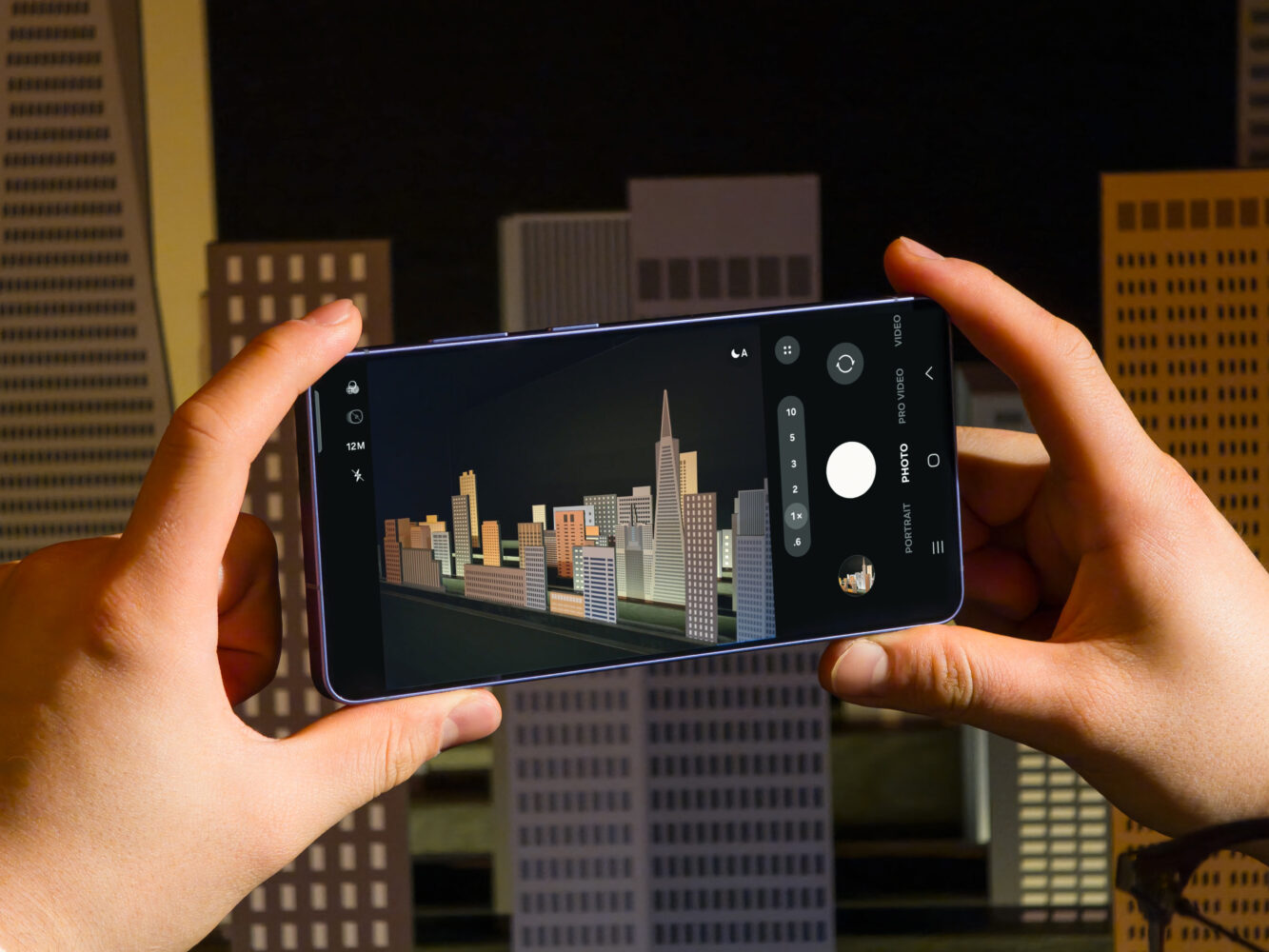
For those recording while moving, the upgraded Super Steady video mode now includes a horizontal lock option. This helps keep the frame level during walks, travel, or street scenes, reducing the need for gimbals or extra stabilization gear. It is a modest but welcome refinement rather than a complete reinvention of mobile video stability.
Post-capture, the phone leans on AI through its Photo Assist feature. Users can describe desired edits in plain language — for instance, turning a daytime shot into a sunset or night scene — which streamlines basic creative adjustments. While convenient, such tools have appeared in various forms across recent flagships from multiple brands, so the real test will be how reliably and naturally they perform without introducing artifacts or over-processing.
Fadi Abu Shamat, vice president and head of the mobile experience division at Samsung Gulf Electronics, noted that many meaningful moments now occur after sunset, from dinners and city nights to travel and social content. The company’s goal, he said, was to make those experiences more dependable by combining better low-light capture, steadier video, and simpler editing.
This push reflects a broader industry shift. Smartphone cameras have moved well beyond daylight performance; consumers now expect solid results in restaurants, clubs, streets at night, and dimly lit homes without hauling additional equipment. Yet low-light shooting still involves trade-offs in noise, detail, and color accuracy that no single generation fully eliminates. The Galaxy S26 Ultra’s improvements appear incremental rather than transformative, building on years of gradual progress in sensor size, processing algorithms, and computational photography.
In practice, the combination of wider apertures, refined video stabilization, and AI editing could smooth the workflow for users who frequently shoot after dark. Whether it delivers noticeably better results than last year’s models or rivals from other makers will depend on real-world testing, but the direction is clear: mobile photography is increasingly tuned for the realities of life after sunset, not just perfect studio conditions.