
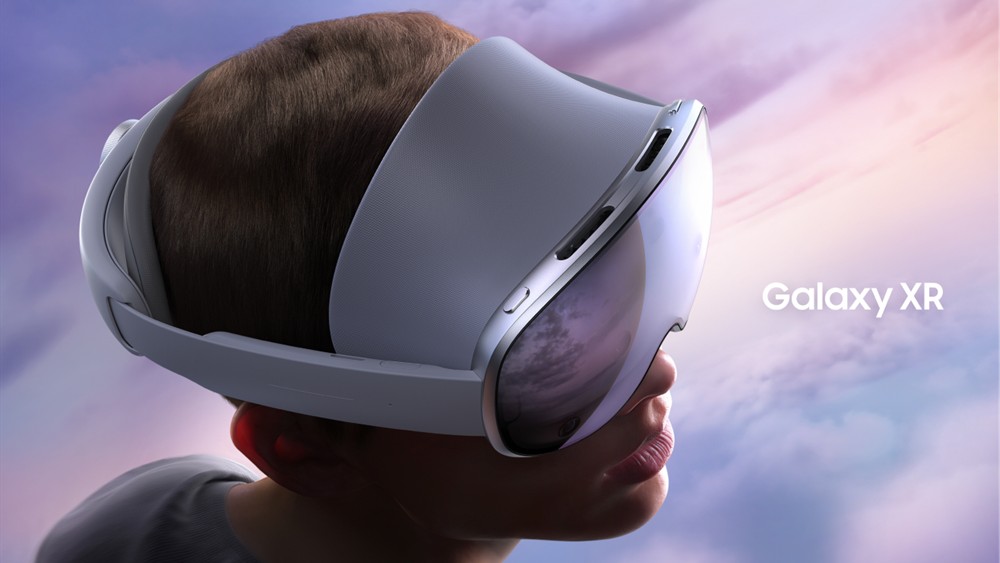
Samsung has officially entered the next round of the mixed reality race with the launch of the Galaxy XR, its first headset built on Google’s new Android XR platform and powered by the Gemini AI assistant. Priced at $1,800, the Galaxy XR undercuts Apple’s Vision Pro by $1,700 while promising many of the same features — high-end visuals, AI integration, and full mixed-reality immersion.
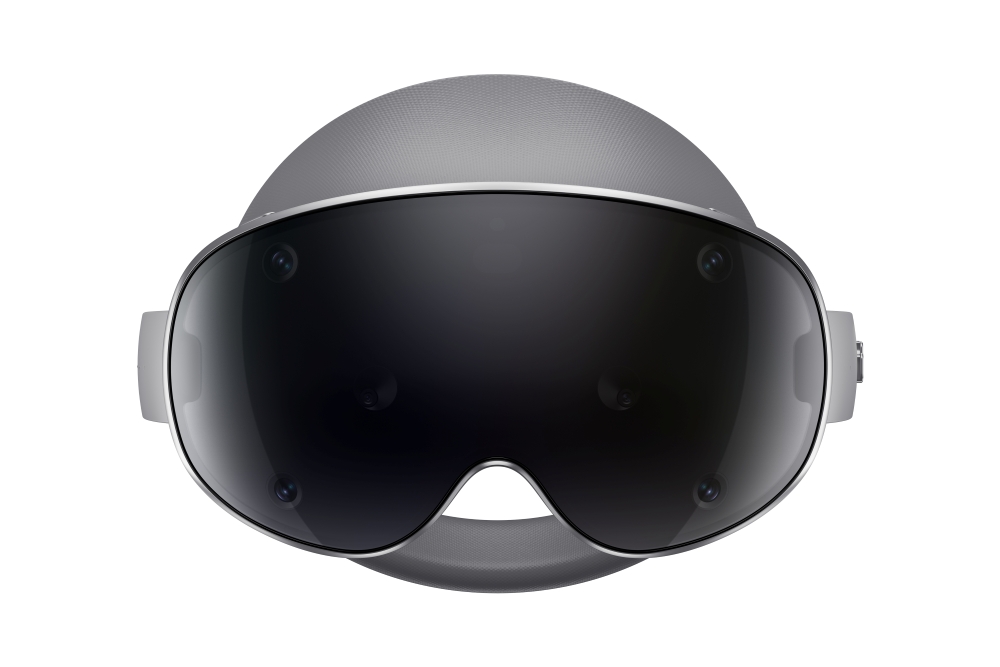
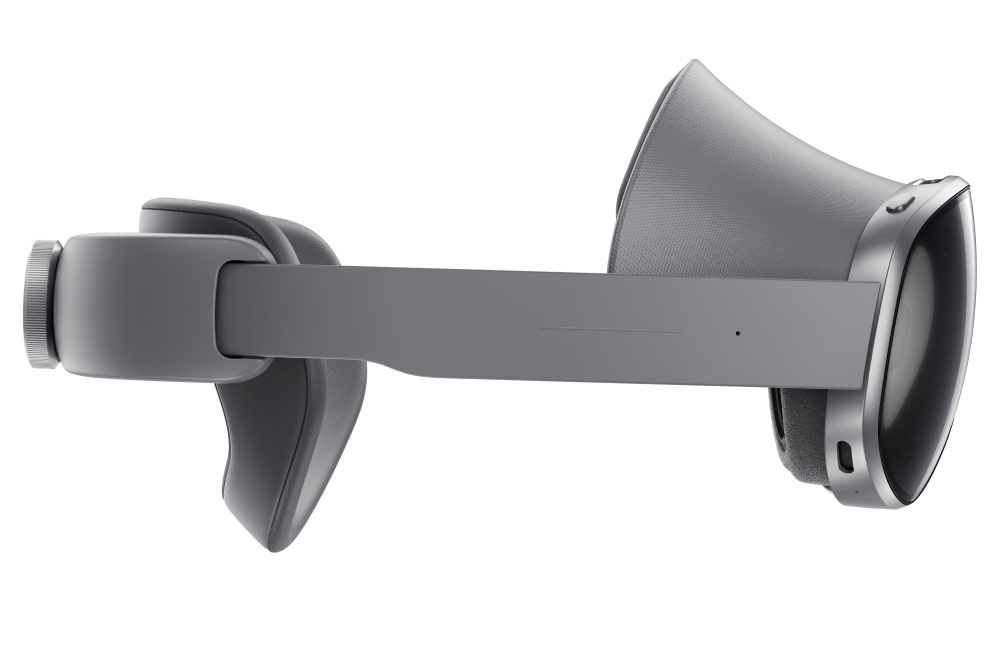
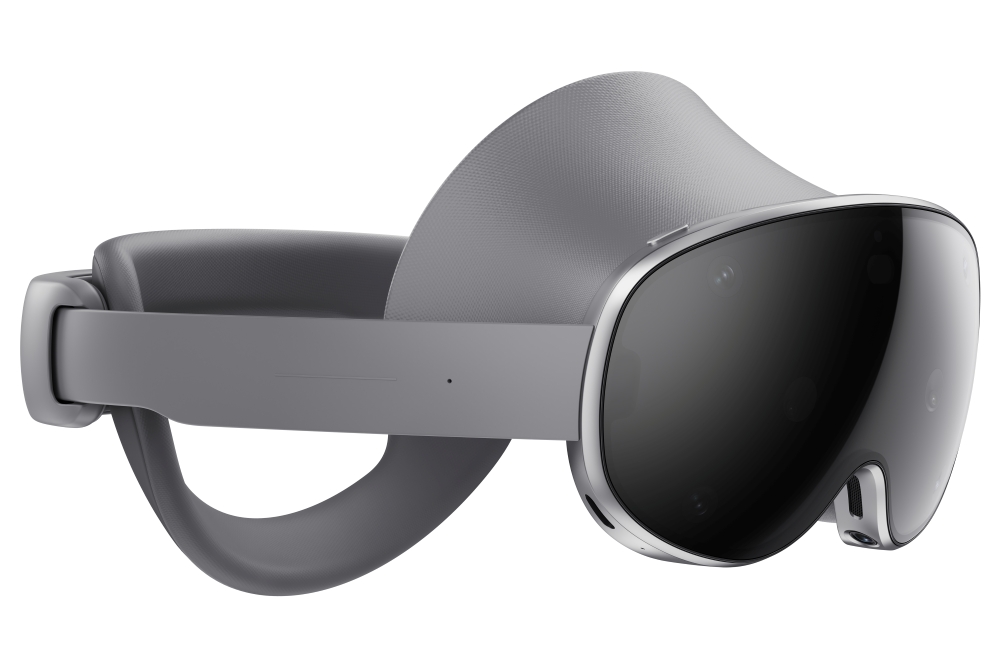
Developed in collaboration with Google and Qualcomm, the Galaxy XR marks Samsung’s return to the extended reality space after abandoning its mobile VR headsets several years ago. The device is available now in the US and South Korea, with financing options starting at $149 per month. It’s built around Qualcomm’s Snapdragon XR2+ Gen 2 processor and uses a 4K micro-OLED display with a 90 Hz refresh rate for each eye. Weighing 545 grams (plus a 302-gram battery pack), it’s lighter than Apple’s headset, though its design favors practical plastic materials over premium finishes.
The Galaxy XR combines virtual and real-world views through its pass-through pancake lenses, allowing users to layer digital content over their surroundings or enter full virtual environments. Eye-tracking and hand gestures serve as the main controls, with optional physical controllers sold separately for $250. The system supports iris-based authentication and automatic interpupillary distance adjustment for a more comfortable fit. Battery life averages about two hours during regular use, extending to two and a half hours for video playback.
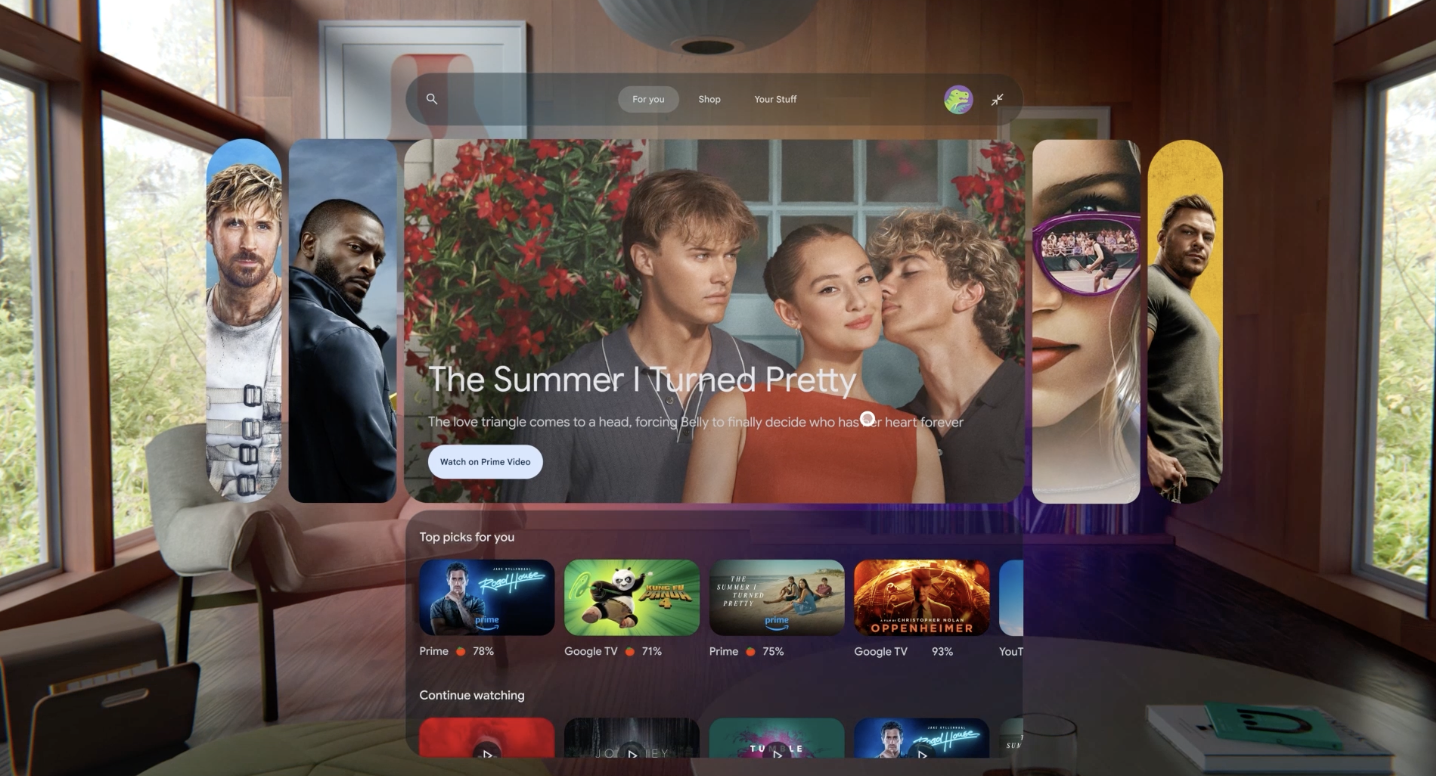
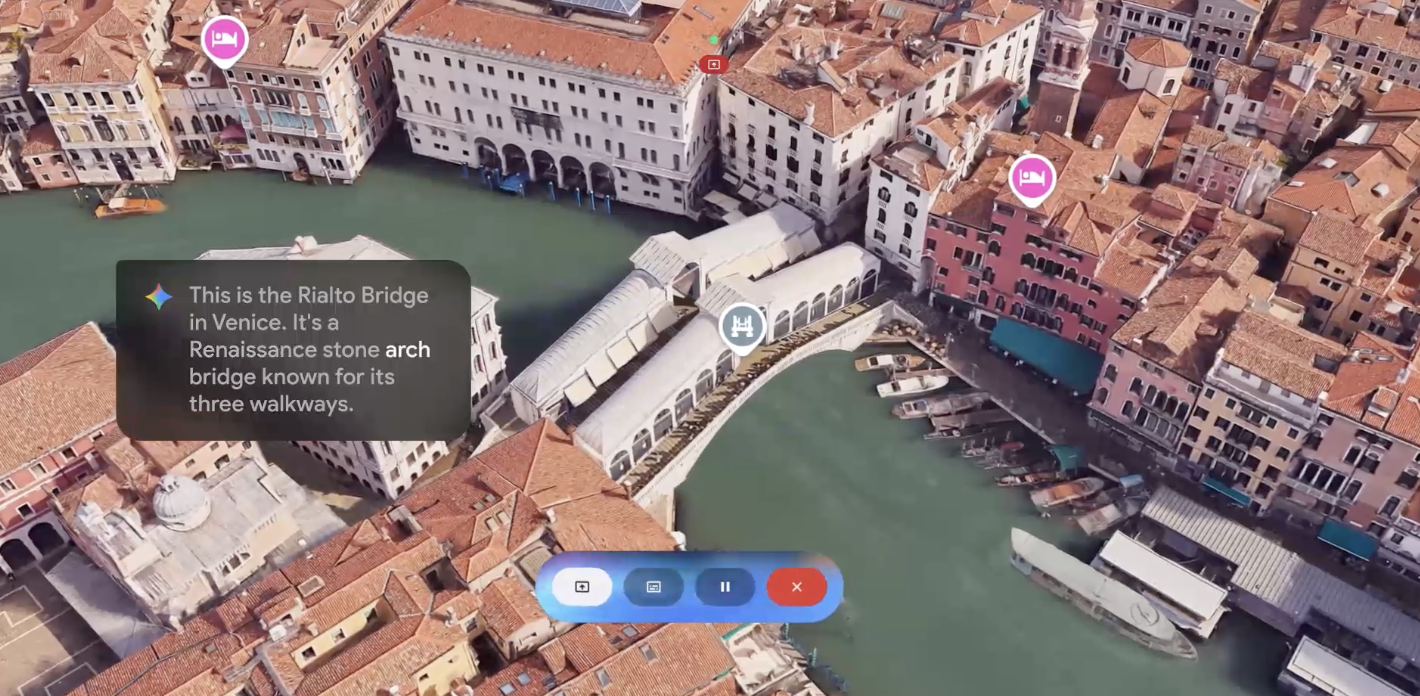
The headset integrates deeply with Android XR and Google’s Gemini assistant. Gemini can open apps, organize virtual windows, answer contextual questions about on-screen content, and narrate or summarize videos in real time. Samsung also includes “agent mode,” an AI-powered tool that lets users delegate simple web or system tasks to Gemini. This feature is available only to ChatGPT Plus, Pro, and Business users at launch, reflecting OpenAI’s growing presence in the broader AI platform landscape.
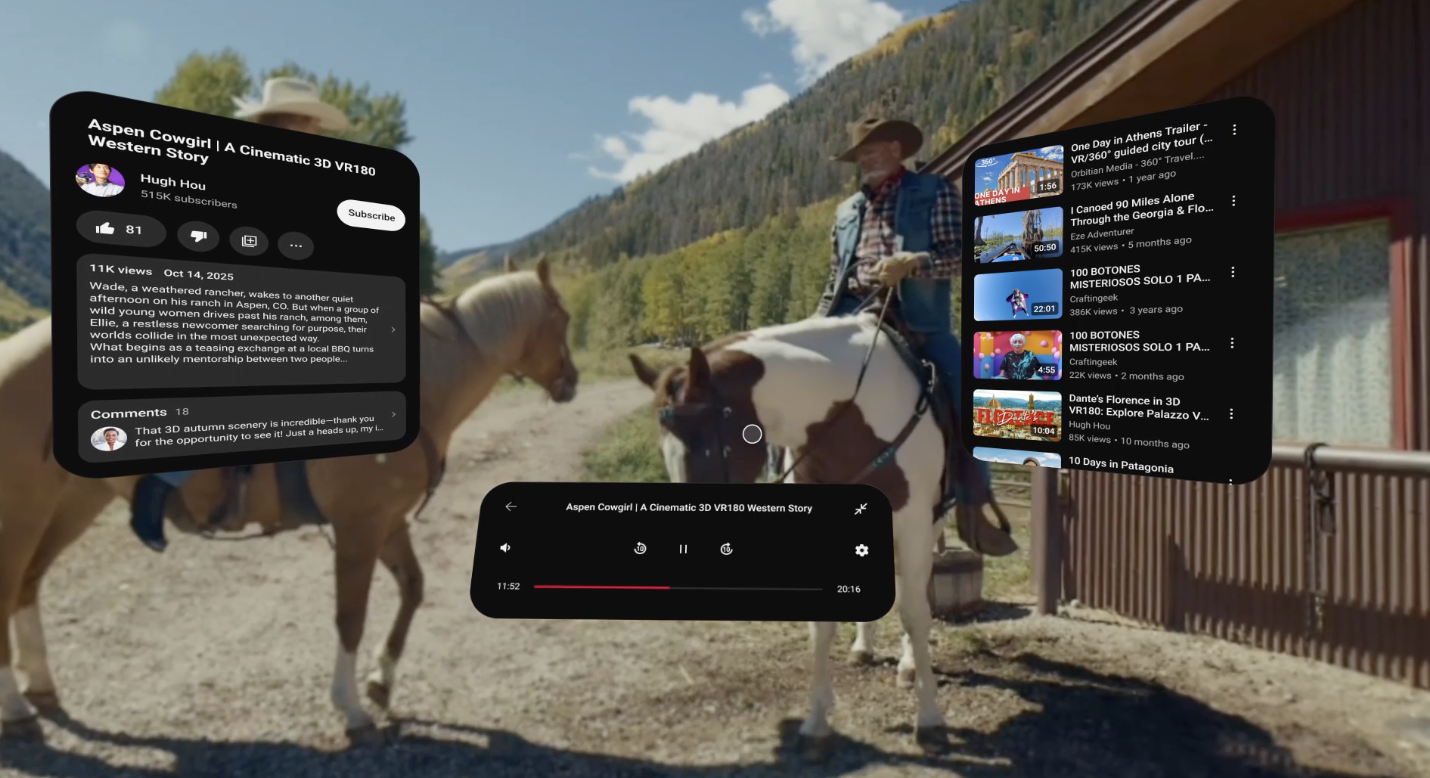
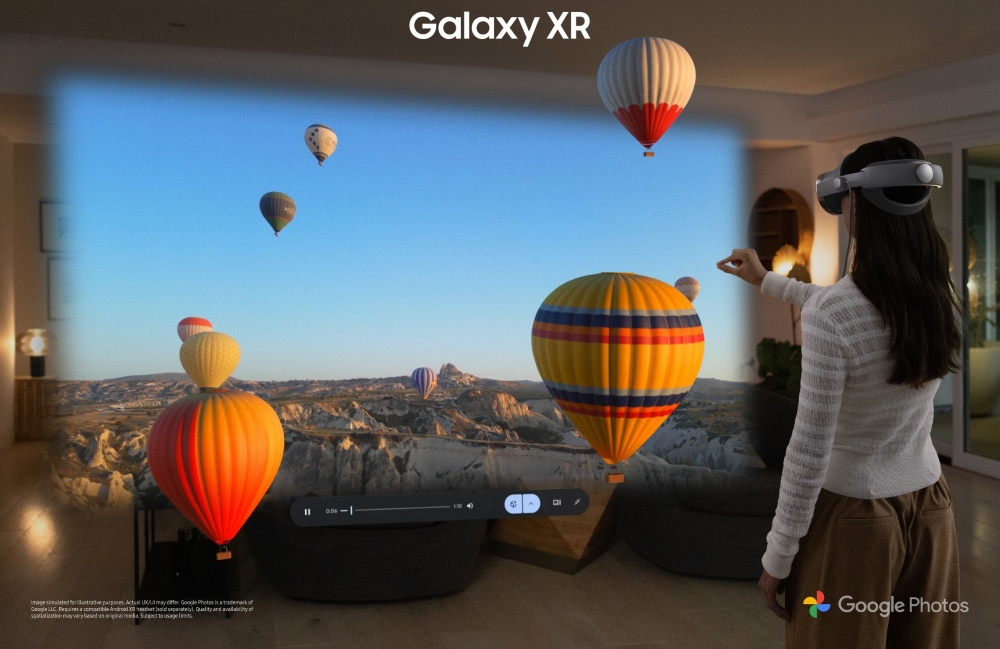
One of the Galaxy XR’s standout features is its ability to automatically “spatialize” standard video, adding depth to 2D content such as YouTube or local clips. There’s also a new multi-view function for YouTube that lets users watch up to four live streams simultaneously. Entertainment is central to the device’s appeal — Samsung bundles access to exclusive content such as Asteroid, a short film starring Hailee Steinfeld and Ron Perlman, as well as a full slate of subscription bonuses through an “Explorer Pack.” The pack includes a year of Google AI Pro, YouTube Premium, Google Play Pass, and an NBA League Pass, among other perks.
The headset also supports PCVR gaming, enabling users to stream both traditional and VR titles from a gaming computer. For enterprise users, Samsung showcased training applications developed with ShapesXR and Samsung Heavy Industries, highlighting use cases in retail visualization and industrial education.
With 16 GB of RAM, 256 GB of storage, six microphones, Wi-Fi 7 connectivity, and magnetic prescription lens options, the Galaxy XR positions itself as a full-featured competitor to the Vision Pro at a more accessible price. Its construction may feel less refined, but its comfort and software flexibility give it a pragmatic advantage.
Whether Samsung and Google can reignite interest in mixed reality remains uncertain. VR has gone through several hype cycles, and Apple’s Vision Pro — despite its technical sophistication — has struggled to find mainstream traction. Samsung and Google are betting that lower pricing, AI integration, and the openness of Android XR will change that narrative.
At the close of its launch event, Samsung teased that Android XR will also power upcoming smart glasses co-developed with Warby Parker, Xreal, and Gentle Monster — signaling a long-term vision that extends beyond headsets. Those products are expected to arrive in 2026, suggesting that for both Samsung and Google, Galaxy XR is only the first step in a broader push toward AI-driven, wearable computing.