
Huawei has unveiled the Pura X Max, a larger and thinner evolution of its unusual wide foldable phone design that sits between traditional flip and book-style models.
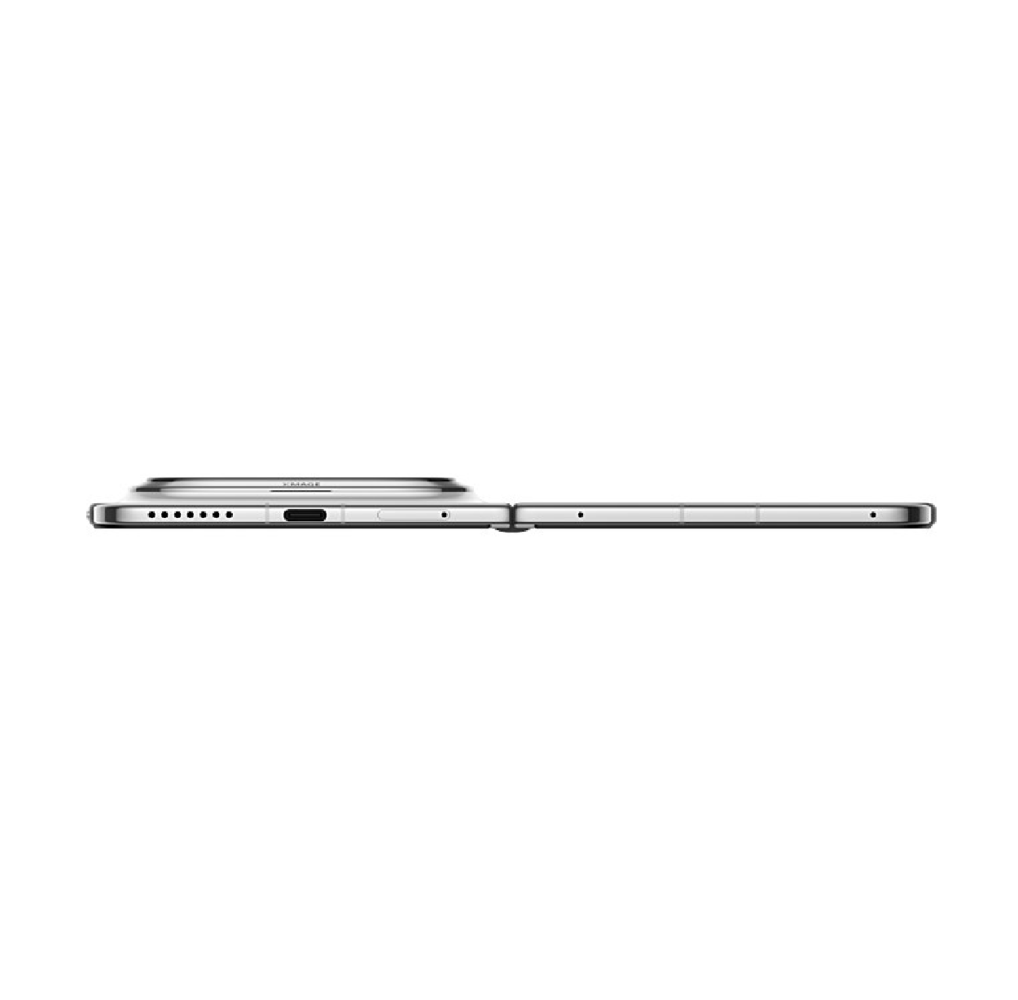
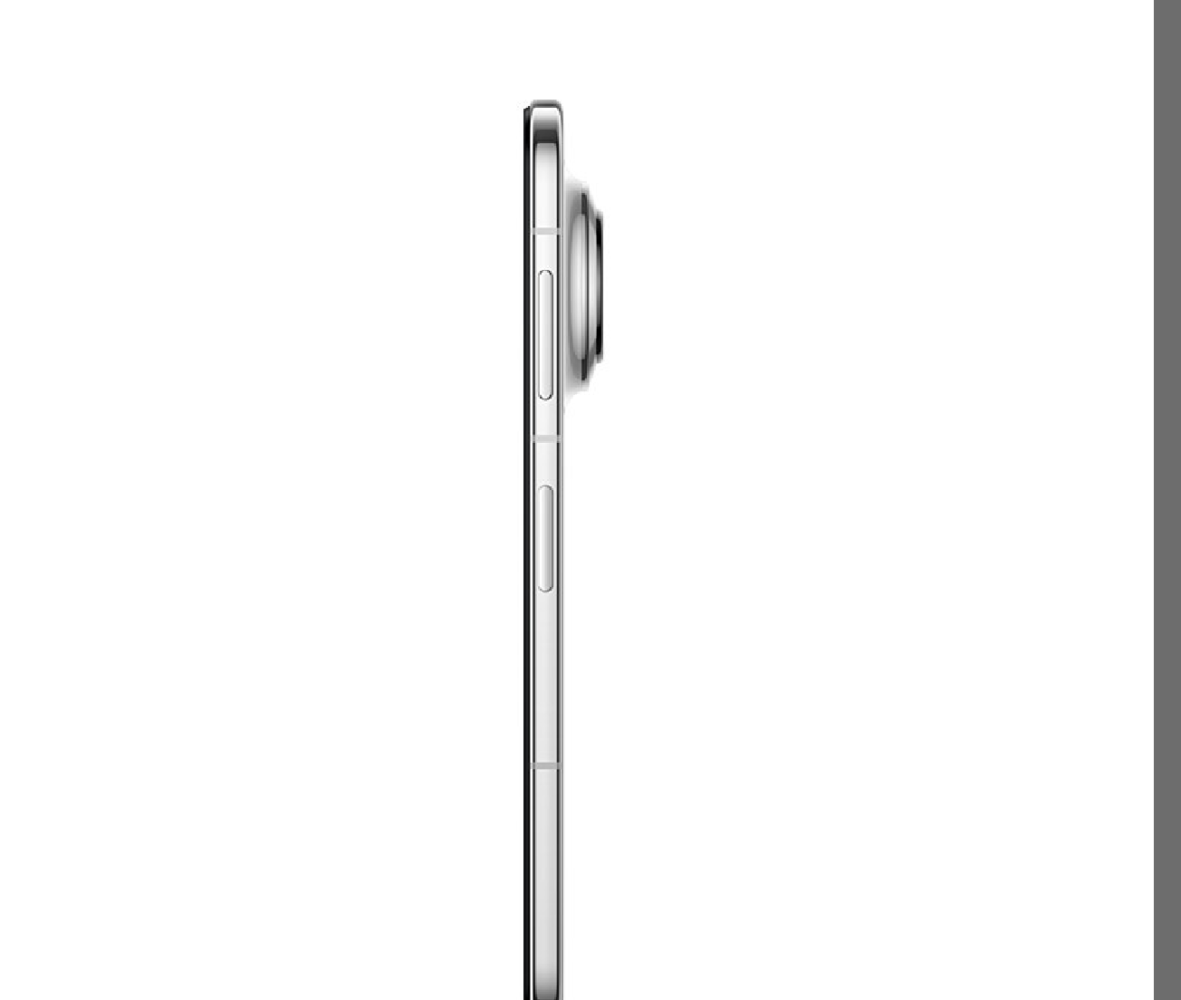
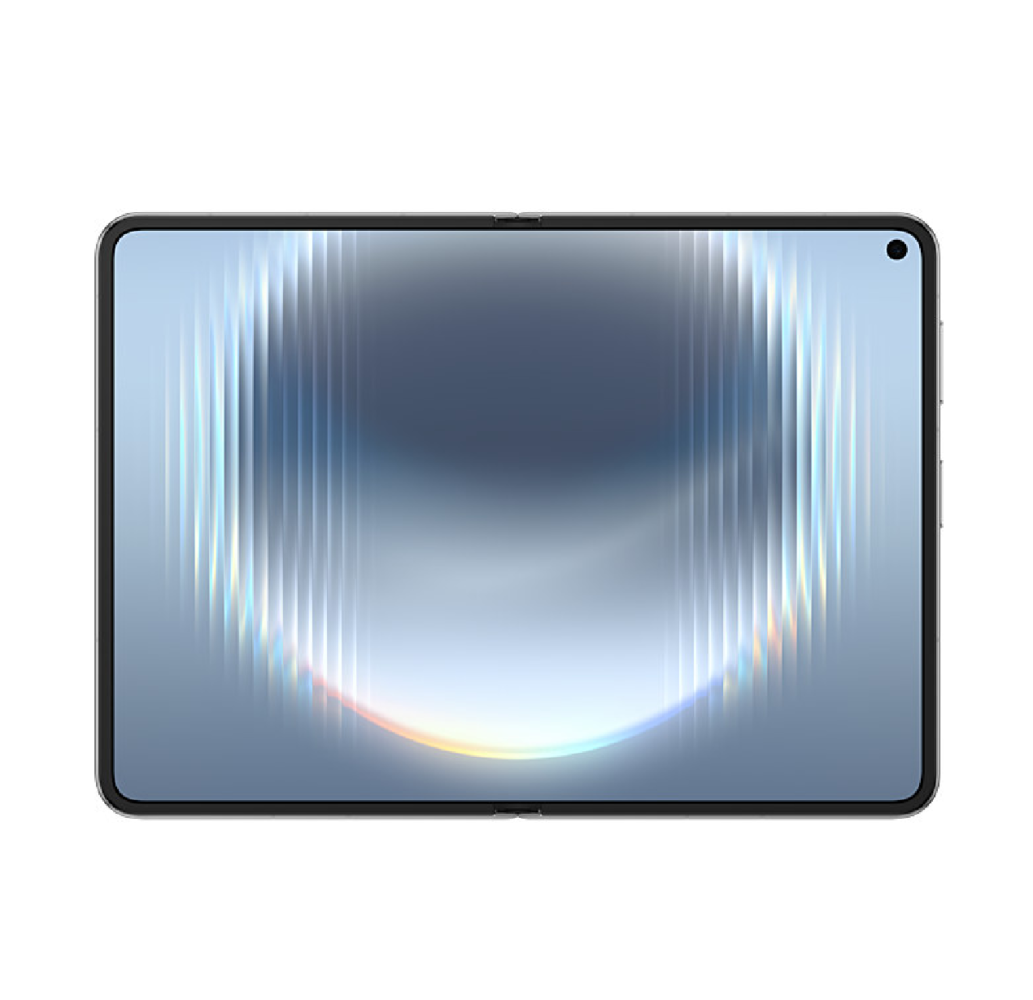
The new device features a 5.4-inch cover display and a 7.7-inch inner screen, representing a noticeable step up in size from the original Pura X. When folded, it measures 120mm tall, 85mm wide, and 11.2mm thick, making it significantly slimmer than its predecessor despite the increased dimensions. Unfolded, the thickness drops to just 5.2mm. The weight has risen to 229 grams, a trade-off for the bigger panels and added capabilities.
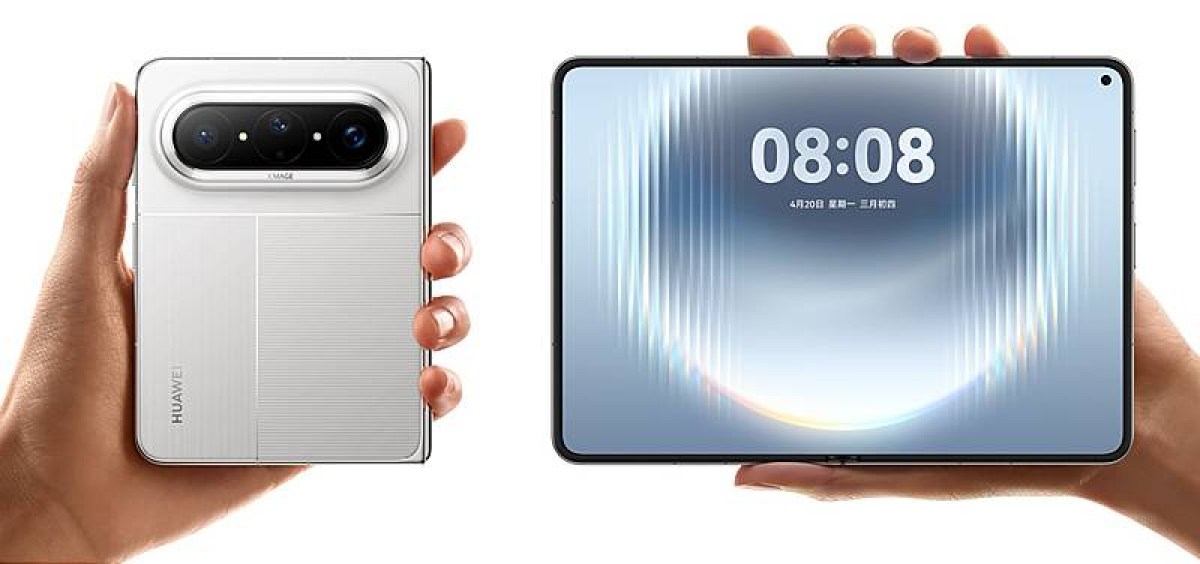
Both displays use LTPO 2.0 technology with refresh rates from 1Hz to 120Hz and 1,440Hz high-frequency PWM dimming for eye comfort. The inner screen adopts a relatively square 14.1:10 aspect ratio at 2,584 x 1,828 resolution, moving away from the more media-oriented 16:10 layout of the smaller model. The outer display follows a similar proportion at 1,848 x 1,264 pixels.
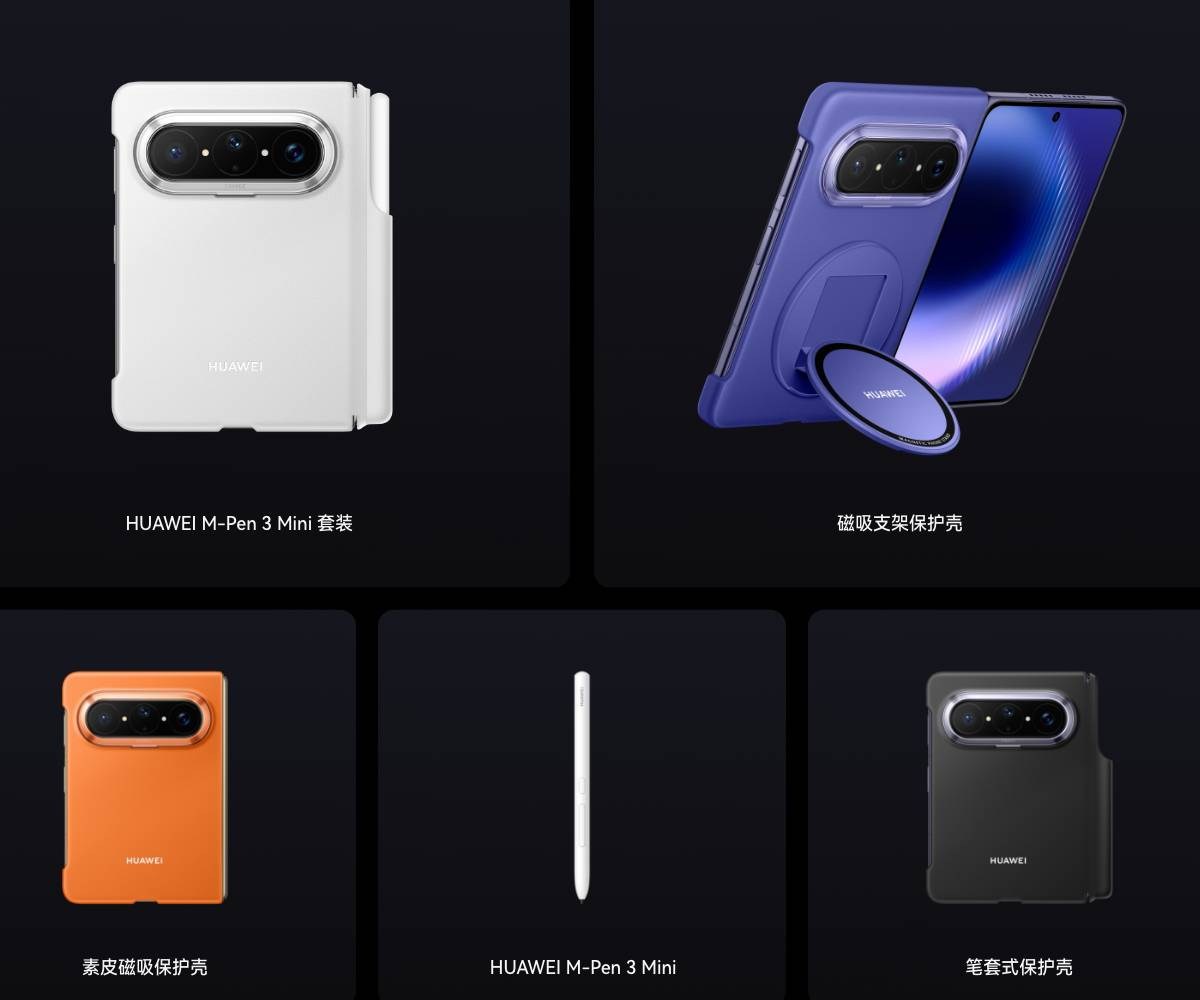
A key addition is stylus support via the compact Huawei M-Pen 3 Mini, which fits the reduced height of this form factor and pairs with a dedicated case. An optional magnetic flip-out stand case is also available. The larger chassis accommodates a 5,300mAh battery, up from 4,720mAh, along with 66W wired and 50W wireless charging.
Under the hood sits the Kirin 9030 Pro chipset, which Huawei claims delivers around 30 percent better performance than the Kirin 9020 in the original Pura X. Cooling comes from a vapor chamber paired with a graphene sheet. The phone runs HarmonyOS 6.1, continuing Huawei’s shift away from Android amid ongoing trade restrictions.
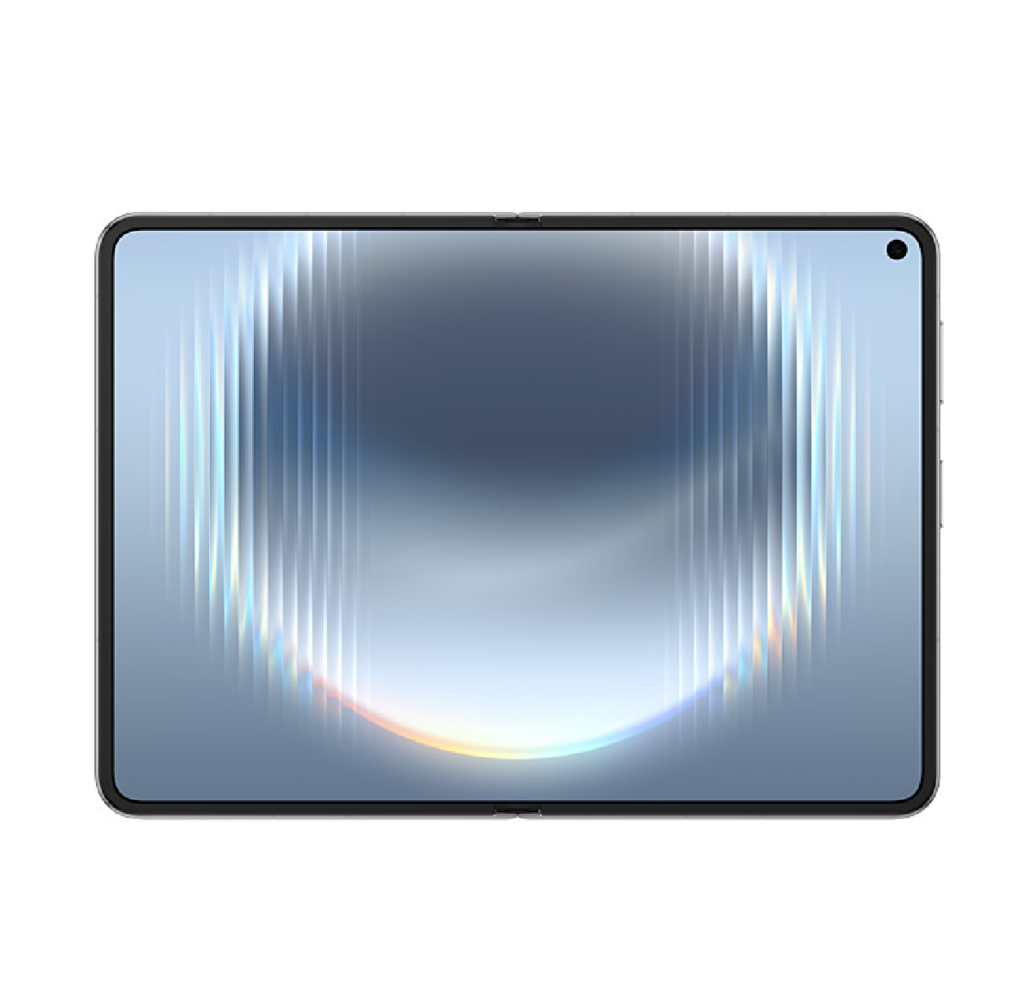
Build quality sees upgrades too. The frame uses aluminum alloy, and water and dust resistance improves to IP58/IP59 ratings, compared with the original’s IPX8. The outer screen gains second-generation Kunlun glass for added durability.
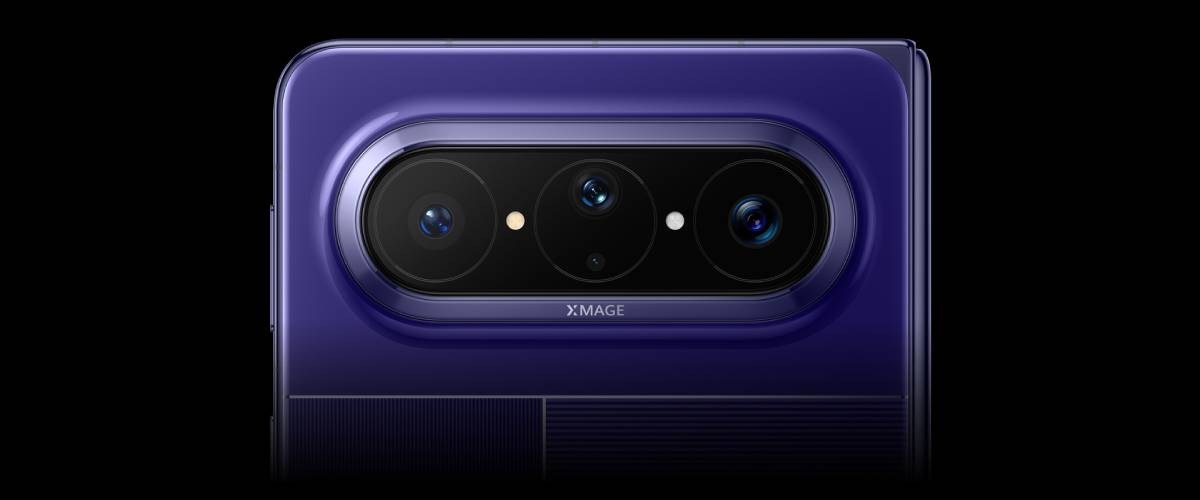
On the camera side, the Pura X Max includes a 50MP main sensor with variable aperture (f/1.4-4.0) and optical image stabilization, a 50MP periscope telephoto with OIS, and a 12.5MP ultrawide. All three rear cameras use RYYB color filters. Two 8MP selfie cameras, one per display, handle video calls, while the main system can be used for higher-quality self-portraits when the phone is unfolded. Image processing relies on Huawei’s XMAGE system, supported by a second-generation color sensor. This setup improves on the previous model’s fixed-aperture main camera, lower-resolution telephoto, and 40MP ultrawide, particularly for zoomed shots.
Pricing in China starts at CNY 11,000 (about $1,615) for the 12GB/256GB version and climbs to CNY 14,000 (roughly $2,055) for the top 16GB/1TB model. Several color options are available at launch. International availability remains unclear, consistent with Huawei’s recent pattern of keeping many premium foldables China-exclusive due to component and software limitations outside its home market.
The Pura X Max reflects Huawei’s continued experimentation with foldable formats at a time when the category is maturing. While the wider aspect ratio and stylus support aim to carve out a niche between phones and small tablets, the device’s success will likely hinge on real-world usability, battery life under HarmonyOS, and whether the larger size justifies the added weight and cost. Early foldables often struggled with durability and software optimization; this generation shows progress in thinness and protection, yet questions around global app compatibility and long-term support persist for devices running Huawei’s in-house operating system.