
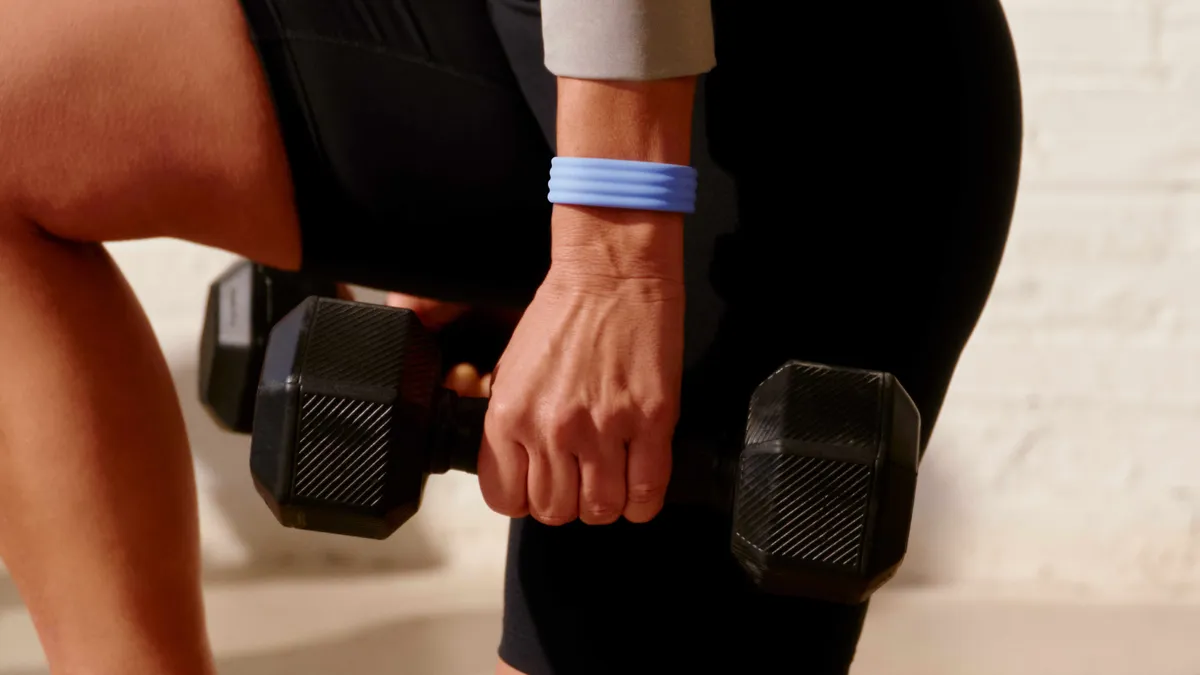
Google’s Fitbit Air enters the growing market for screenless fitness trackers with a notably slim and lightweight design aimed at challenging devices like Whoop. Details shared ahead of its late-May 2026 release highlight practical differences in size, weight, and interaction methods that could influence daily wearability.
The Fitbit Air measures significantly thinner than the Whoop band, appearing roughly half its bulk in side-by-side comparisons from early demo units spotted in Google Store locations. At just 12 grams, it promises greater comfort for continuous use, addressing a common complaint with bulkier trackers that can feel intrusive during sleep or extended activity. Google claims up to seven days of battery life despite the reduced form factor, a claim that will be tested once units ship on May 26. If delivered, it would represent a solid engineering step in balancing minimalism with endurance, though real-world results often vary based on usage intensity and sensor activity.
Interaction relies on subtle cues rather than screens. A small status light on the left side of the tracker shines through a cutout in the fabric Performance Loop band, using different patterns to communicate states: pulsing white during charging, flashing red for low battery, and other signals for firmware updates or critical levels. A double-tap gesture checks remaining power—white light for 20 to 100 percent, red below 20 percent, and no light when drained—or dismisses alarms. These choices keep the device unobtrusive while maintaining essential feedback, though they require proper band alignment and may take some adjustment for new users accustomed to glanceable displays.
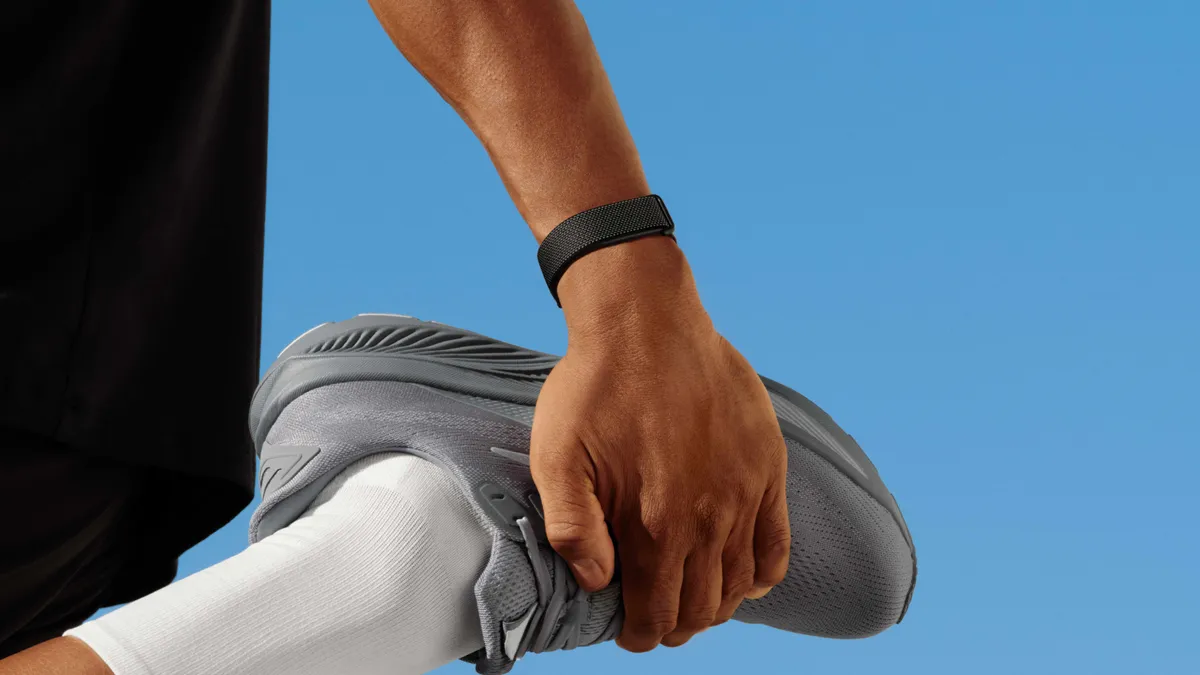
Priced at $99 for the base model without mandatory subscription, the Fitbit Air positions itself as a more accessible entry into 24/7 health tracking compared with Whoop’s hardware-plus-membership approach. It focuses on continuous heart-rate monitoring and related metrics, integrating into Google’s broader health ecosystem, which has gradually absorbed classic Fitbit features under the Google Health umbrella. Pre-orders through May 25 include a $35 Google Store credit applicable to extra bands or accessories, effectively lowering the barrier for customization.
Fitness trackers have evolved considerably since the early days of bulky wrist computers and basic pedometers. Screenless designs like this one build on the Whoop model but aim for everyday discretion, potentially appealing to users tired of constant notifications or screen glare. Yet challenges remain familiar: accuracy of optical sensors under varying skin tones and conditions, long-term band durability, and whether the data provides actionable insights beyond raw collection. The Fitbit Air’s lighter build could improve compliance with all-day wear, but its success will hinge on software reliability and how seamlessly it fits into users’ routines rather than marketing promises.
Overall, the device reflects Google’s ongoing efforts to refine wearable health tools after years of Fitbit integration. It offers a pragmatic alternative for those seeking minimal hardware with decent battery stamina, though prospective buyers should weigh the ecosystem lock-in and await independent reviews on performance consistency.