
Google has now publicly confirmed that its Gemini AI models will underpin the upcoming overhaul of Apple’s Siri, marking a significant step in the long-delayed evolution of Apple Intelligence. The details emerged during Google’s Cloud Next 2026 conference in Las Vegas, where Google Cloud CEO Thomas Kurian described the collaboration as a major partnership that positions the company as Apple’s preferred cloud provider for developing next-generation foundation models.
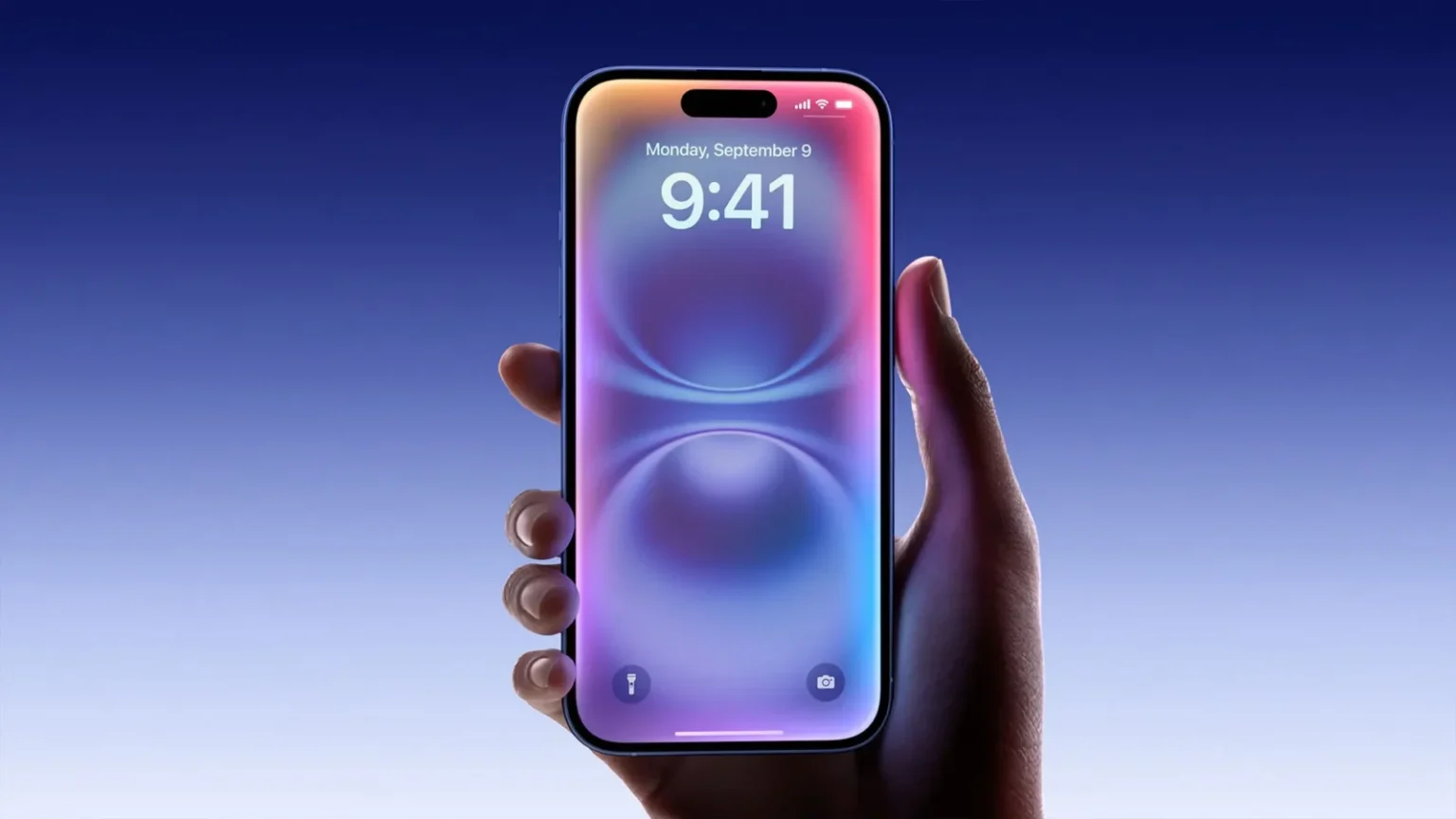
The arrangement, first hinted at by Apple earlier this year, aims to inject more capable large language model technology into Siri, potentially transforming it from the often inconsistent voice assistant of recent years into something closer to the personalized, context-aware experience many users have come to expect from modern AI tools. Kurian noted that these Gemini-based models will support future Apple Intelligence features, including a more capable Siri slated for release later in 2026, likely alongside iOS 27 and iPadOS 27.
This development arrives after a series of setbacks for Apple. The company originally teased advanced Siri capabilities in 2024, only to delay them repeatedly amid reported challenges with accuracy and reliability. By early 2025, it became clear that Apple’s in-house AI efforts, while ambitious, were struggling to match the rapid progress seen elsewhere in the industry. Turning to Gemini represents a pragmatic acknowledgment that external expertise could accelerate progress, even as Apple continues to emphasize its focus on on-device processing and privacy.
What remains unresolved is the exact architecture of this integration. It is unclear whether the Gemini models will primarily run on Google’s servers or leverage Apple’s Private Cloud Compute infrastructure, which the company has promoted as a way to maintain tighter control over user data. This technical detail will matter greatly for users concerned about data flows between the two firms, especially given Apple’s historical positioning as a privacy-first alternative to more cloud-reliant competitors.
The partnership also highlights broader shifts in the AI landscape. For years, Siri lagged behind rivals like Amazon’s Alexa and Google’s own Assistant in conversational fluency and task completion. Apple’s measured approach—prioritizing security and ecosystem integration—has sometimes come at the cost of speed and sophistication. By collaborating with Google, Apple may close that gap, but it also raises questions about long-term independence in an era when foundation models require enormous computational resources and training data.
Observers will be watching closely for more specifics at Apple’s Worldwide Developers Conference in June. If the revamped Siri delivers on its promises, it could reinvigorate the voice assistant category and strengthen Apple Intelligence across iPhones, iPads, and Macs. Yet the reliance on a competitor’s core technology underscores the challenges even the most valuable company in the world faces in catching up to the current pace of AI development. Success will ultimately depend not on announcements, but on whether the final experience feels reliable, private, and genuinely useful in everyday scenarios.