
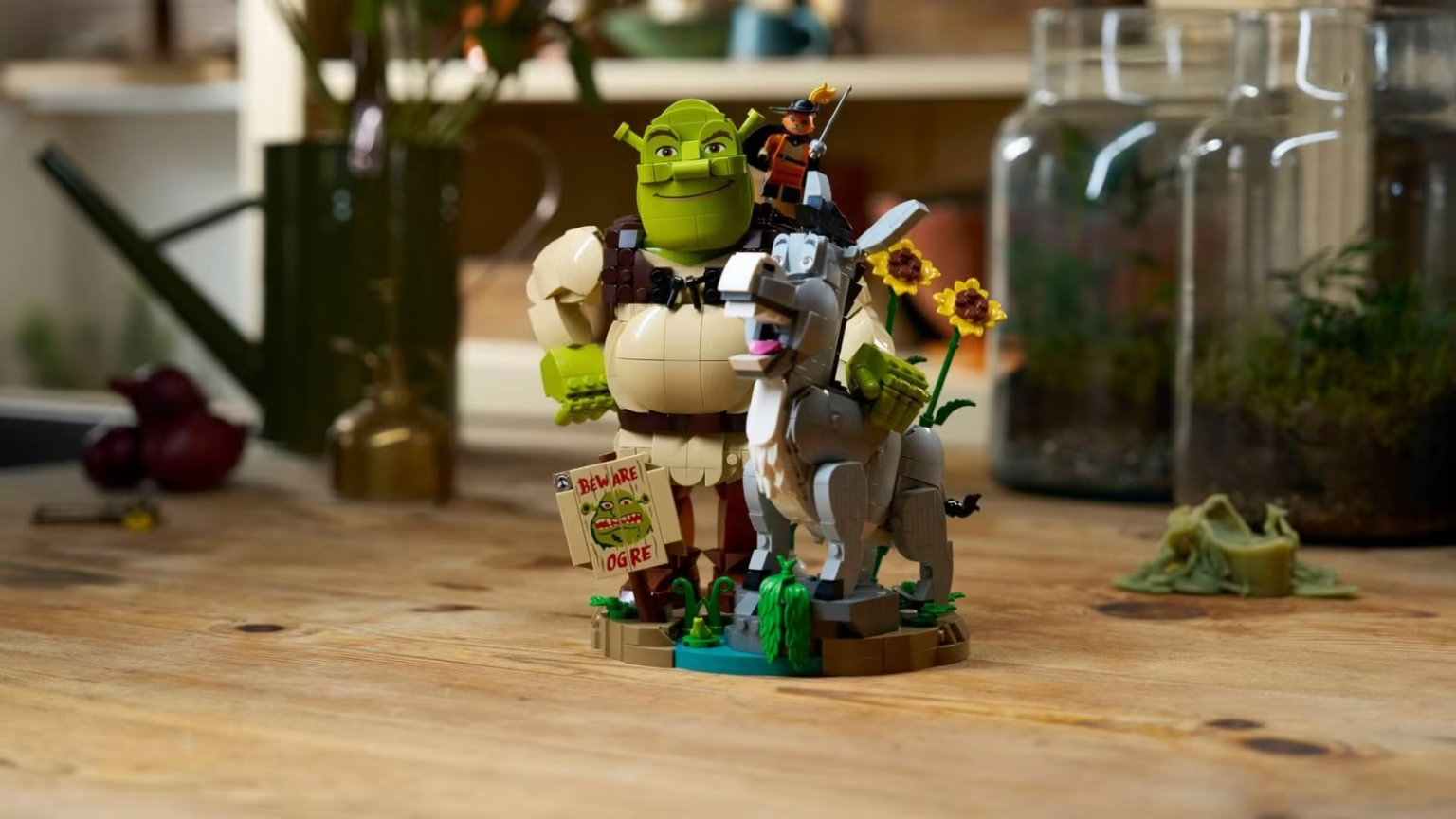
LEGO has unveiled its first official sets based on the Shrek franchise, timed to the 25th anniversary of the original 2001 film. The announcement includes two builds: a larger 1,403-piece diorama featuring Shrek and Donkey, and a more compact BrickHeadz collection with Shrek, Donkey, and Gingy. Both go on sale June 1, with pre-orders already available.
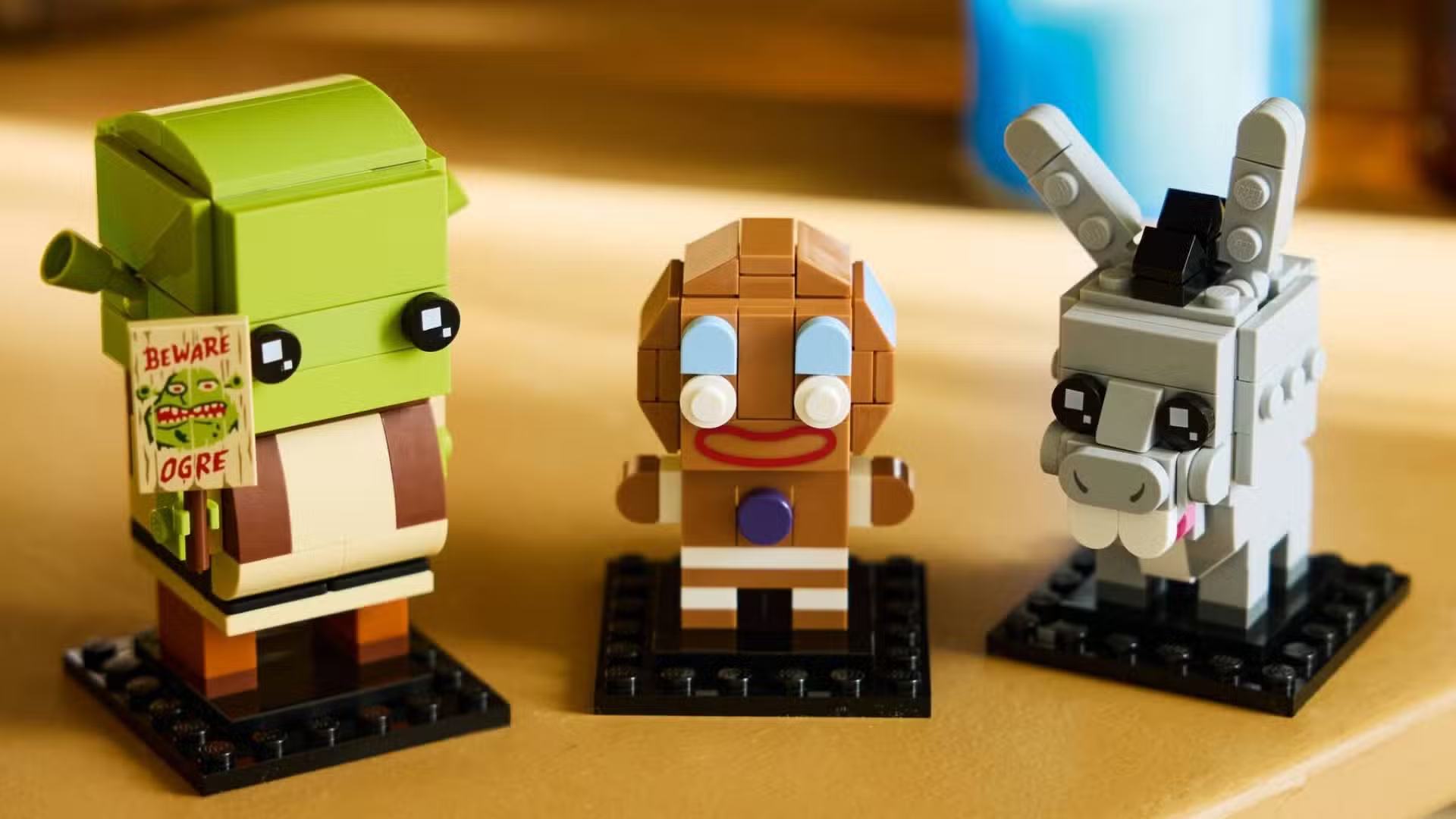
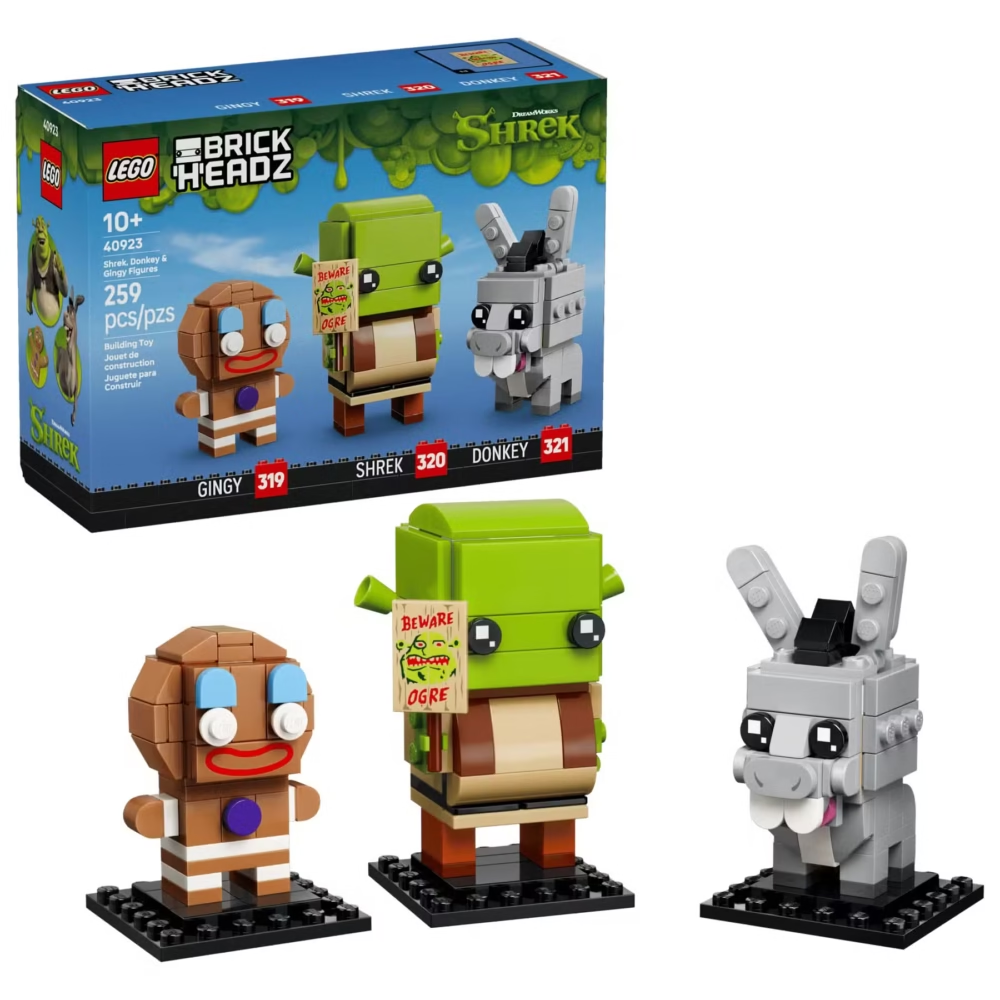
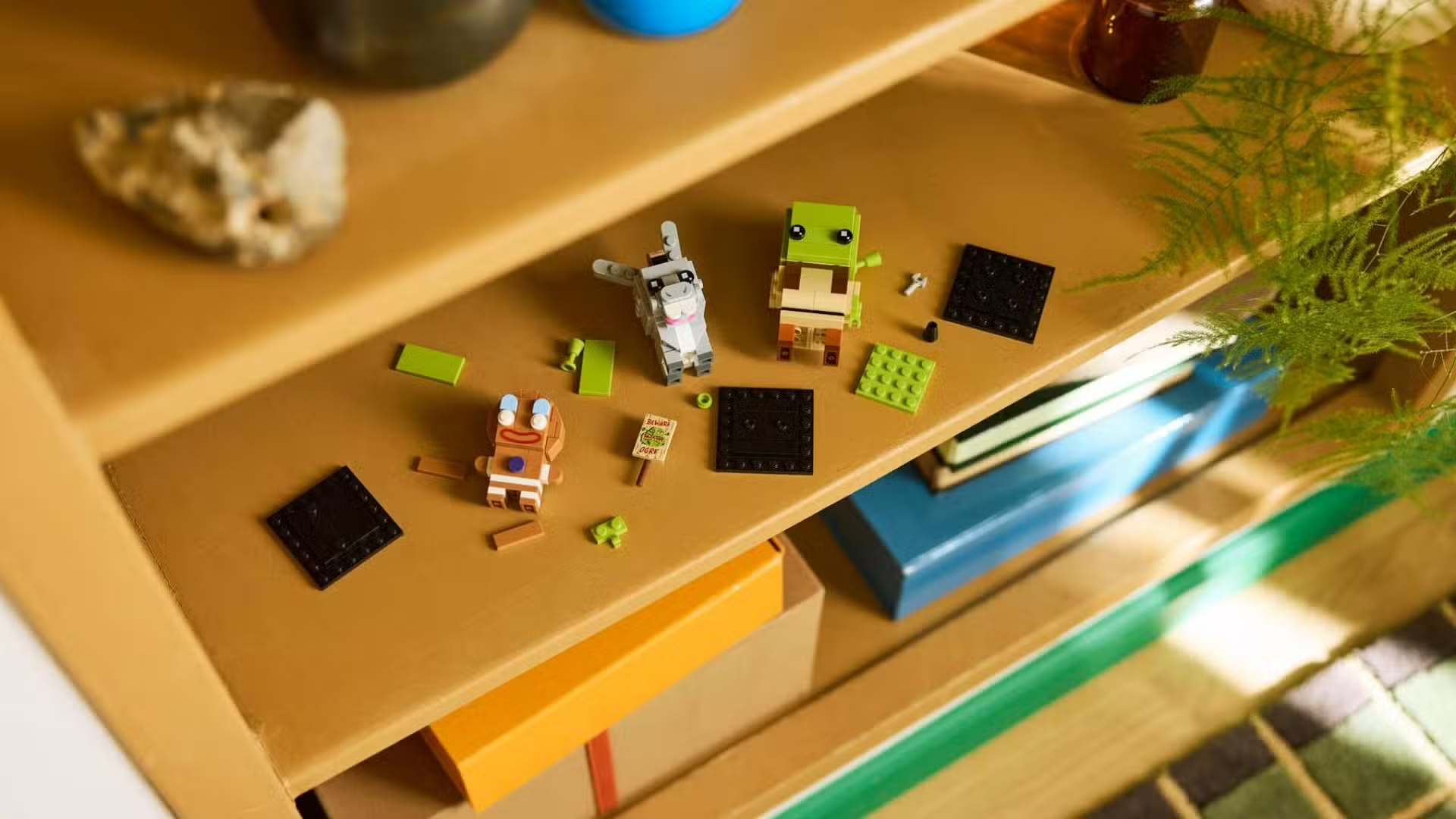
The flagship set, priced at $129.99, constructs posable brick versions of Shrek and Donkey standing on a swamp-themed base that includes weeds, water, and the classic “Beware Ogre” sign. It measures roughly 9.5 inches tall and comes with an exclusive Puss in Boots minifigure equipped with hat, sword, and cape, plus accessories nodding to memorable moments—an onion for Shrek and a bouquet of flowers for Donkey. The smaller BrickHeadz set, at $24.99 for 259 pieces, delivers three stylized figures roughly 2 to 3 inches tall alongside a miniature version of the same warning sign.
These releases fit neatly into LEGO’s long-running strategy of mining established film libraries for collectible appeal. The Shrek series, which spawned four main films, spin-offs, a stage musical, and more than 20 video games, remains a reliable nostalgia property. A fifth Shrek movie is scheduled for 2027 and a Donkey-focused animated project for 2028, ensuring the characters stay visible. Yet the move also reflects how heavily LEGO now leans on licensed IP to drive sales alongside its original themes. While tie-in sets can deliver accurate recreations and satisfying builds, they often carry premium pricing that may limit accessibility for casual fans or younger builders.
The larger set’s articulation and scene details will likely attract adult collectors drawn to display pieces, but the $130 tag places it in the mid-to-upper range for character-focused LEGO products. The BrickHeadz option offers a cheaper entry point, consistent with that line’s role as an affordable gateway for fans of specific characters. Both sets emphasize play features—posable limbs, recognizable props—rather than groundbreaking construction techniques, which is typical for franchise models prioritizing likeness over novel building methods.
In the wider context of movie merchandising, Shrek’s enduring popularity stems from its irreverent humor and memorable characters, qualities that translate reasonably well into plastic form. However, the steady expansion of licensed sets across properties like this one raises questions about market saturation. LEGO’s catalog has grown increasingly crowded with film and game adaptations, sometimes at the expense of original creative lines that once defined the brand. For Shrek enthusiasts, these new options provide tangible ways to celebrate the anniversary, but they also highlight how nostalgia is routinely packaged and sold back to audiences with incremental variations.
Whether these builds spark renewed interest in the swamp-dwelling ogre or simply add to existing collections will depend on execution and reception once they ship. For now, they represent another chapter in the ongoing commercialization of a franchise that has successfully balanced broad appeal with cult status for a quarter century.