
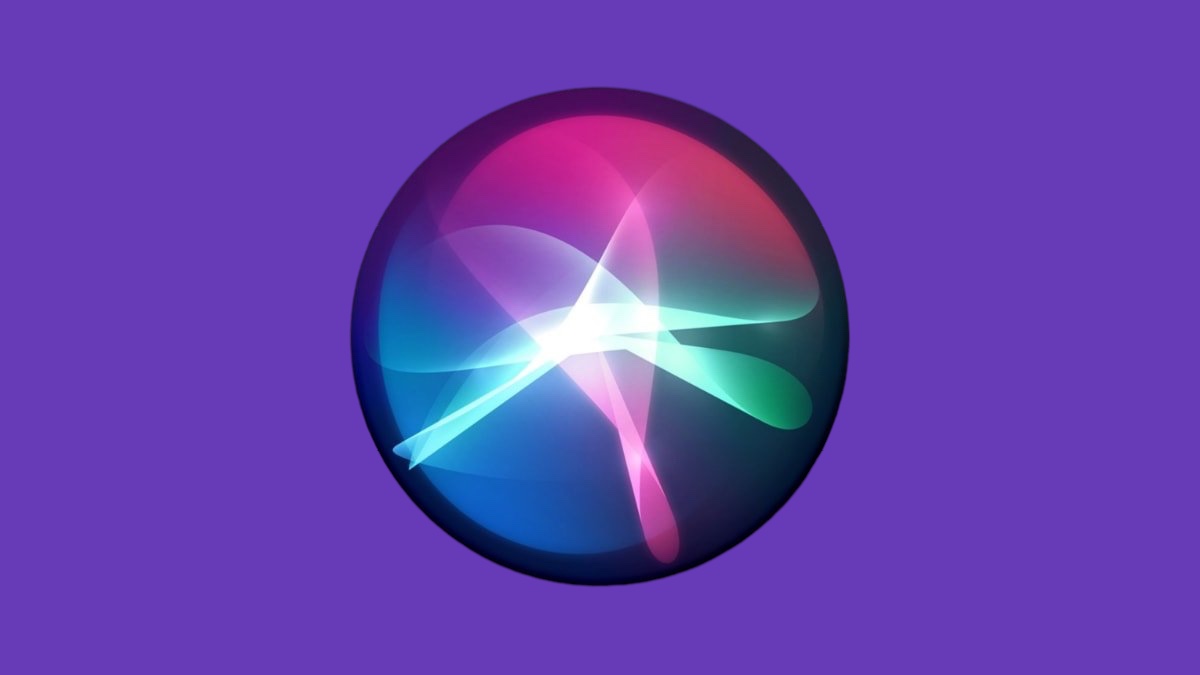
Apple has officially confirmed that its long-promised AI-powered upgrade to Siri won’t arrive until 2026, ending months of speculation about whether the feature might debut with iOS 26 later this year. The confirmation came during separate video interviews with senior Apple executives Craig Federighi and Greg Joswiak, who clarified the company’s previously vague statements about the assistant’s launch timeline.
The updated version of Siri, which Apple promoted heavily during last year’s WWDC and early iPhone 16 marketing, was initially showcased as a leap forward in voice-based AI. However, what was shown turned out to be more of a concept than a working product. Since then, Apple has remained quiet about its progress—until now.
When asked directly by Tom’s Guide editor-in-chief Mark Spoonauer if 2026 was the official release window, Joswiak responded bluntly: “That’s what we said, yeah.” The statement finally clears up earlier ambiguity, including Apple’s March announcement that vaguely promised Siri’s AI upgrade would roll out “in the coming year.”
The delay appears to be more than just fine-tuning. Sources close to the development suggest that many of the AI-powered Siri features still aren’t production-ready, and likely won’t be until at least spring 2026—possibly tied to a future iOS 26.3 or iOS 26.4 release. This development timeline is in stark contrast to Apple’s marketing materials, which had showcased Siri as a centerpiece of next-gen iPhone functionality.
The setback has already led to legal ramifications, with class action lawsuits filed in the U.S. and Canada over what plaintiffs argue was misleading advertising. Siri was notably absent from Apple’s WWDC25 keynote, and the company also declined to participate in John Gruber’s annual WWDC interview series—breaking a tradition held since 2015. The move followed critical coverage of Apple’s AI strategy, including Gruber’s own sharply worded editorial, “Something Is Rotten in the State of Cupertino.”
When it does eventually launch, the upgraded Siri is expected to leverage personal data—like emails, calendar events, and messages—to deliver contextually aware responses. Users might ask questions like “When is Mom’s flight arriving?” and receive real-time answers drawn from multiple apps and services. The AI assistant is also expected to support task automation by chaining multiple actions together, significantly expanding Siri’s utility.
In preparation, Apple has already begun integrating elements of Apple Intelligence into iOS 26, particularly through the Shortcuts app. New AI-driven actions allow users to tap into features like writing tools and image generation, while also feeding dynamic inputs from ChatGPT or other Apple Intelligence models into customized workflows. One example shared at WWDC26 involved a student using AI to compare lecture transcriptions to their notes, automatically identifying missed information.
While Apple’s AI groundwork is visible in the latest OS updates, the main attraction—the overhauled Siri—remains a work in progress. For now, users expecting a smarter, more intuitive voice assistant will have to wait another year. And Apple, it seems, is bracing for the long road ahead in rebuilding confidence in Siri’s potential.