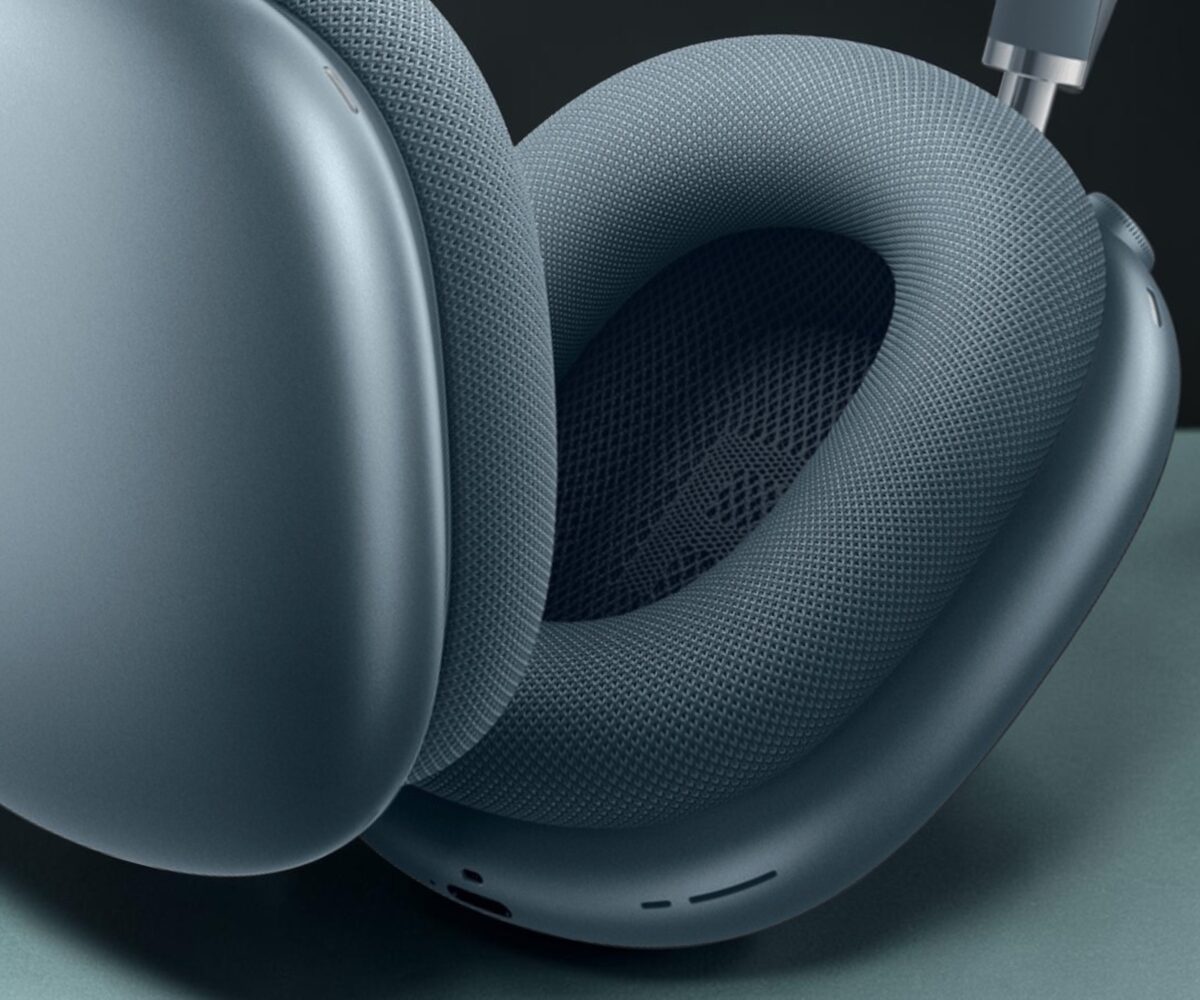
Apple’s AirPods Max 2 earned a perfect score for sound quality in Consumer Reports testing of noise-canceling wireless headphones. The assessment measured tonal precision, bass reproduction, volume consistency, and soundstage performance, areas where the 2026 model delivered top results and secured the highest overall rating among tested devices in its category.
AirPods Max 2 Review
The evaluation highlights strong audio clarity and balance across different content types. With the integrated H2 chip, the headphones support refined processing that contributes to these outcomes. Features such as Adaptive Audio automatically tune noise cancellation to match the environment, while Loud Sound Reduction manages abrupt loud sounds without disrupting playback. Wired lossless listening via the USB-C port provides an additional option for users with compatible sources.
Voice Isolation technology uses the built-in microphone array to minimize background interference during calls, resulting in clear transmission that benefits professional or daily communication needs. Bass extension and instrument separation appear consistent in the test data, supporting playback across music genres without notable distortion at standard volumes.
This score arrives after years of steady progress in wireless audio hardware. Earlier headphone generations often showed trade-offs between battery demands, comfort in long sessions, and raw audio fidelity. The AirPods Max 2 reflects ongoing refinements in computational audio, though real-world results can still vary based on individual hearing preferences and device pairing stability. Ecosystem restrictions mean full audio preset access remains tied to iOS devices, which limits flexibility for users on other platforms.
Software integration plays a key role in maintaining the measured performance. Occasional updates have addressed connectivity elements, yet patterns of initial setup lag and thermal management appear in line with broader industry experiences during system optimization periods. Battery behavior, including charging consistency, forms part of the overall profile but does not overshadow the core audio strengths identified in the testing.
Consumer Reports’ methodology provides structured benchmarks that help cut through marketing claims, focusing instead on repeatable lab conditions. A perfect audio quality score signals reliable execution in controlled scenarios, yet it does not fully predict satisfaction in varied daily settings like commuting or office use. Durability factors, such as material response to regular handling, add another layer for potential buyers to consider alongside the technical achievements.
At the current price level, the AirPods Max 2 positions itself as a premium choice where the documented sound quality forms the central appeal. Listeners prioritizing measured audio performance may find alignment here, while those seeking maximum versatility might evaluate how the score fits their specific requirements. The results reinforce that objective testing continues to serve as a useful reference point in a market filled with incremental hardware updates and feature additions.