
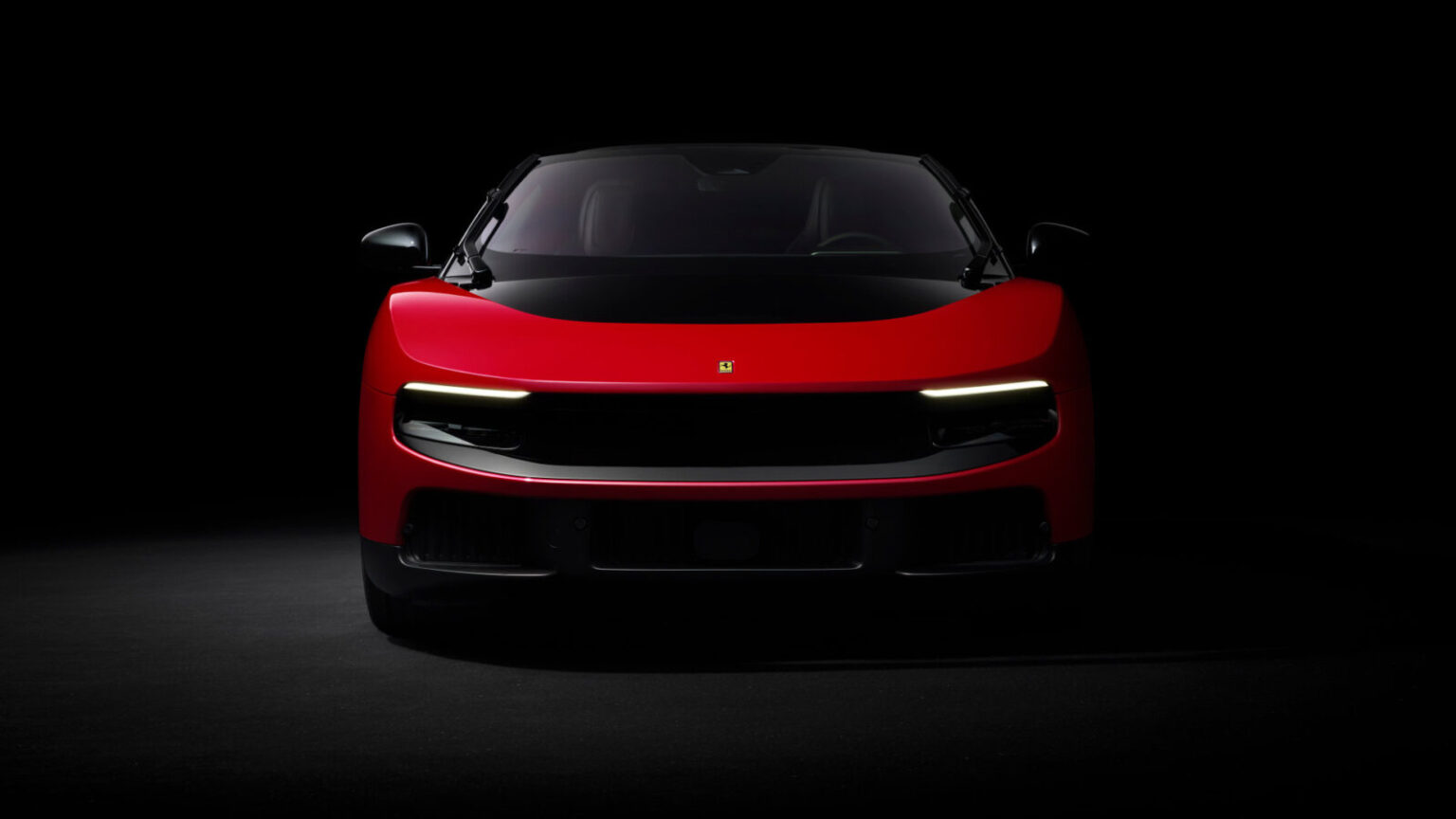
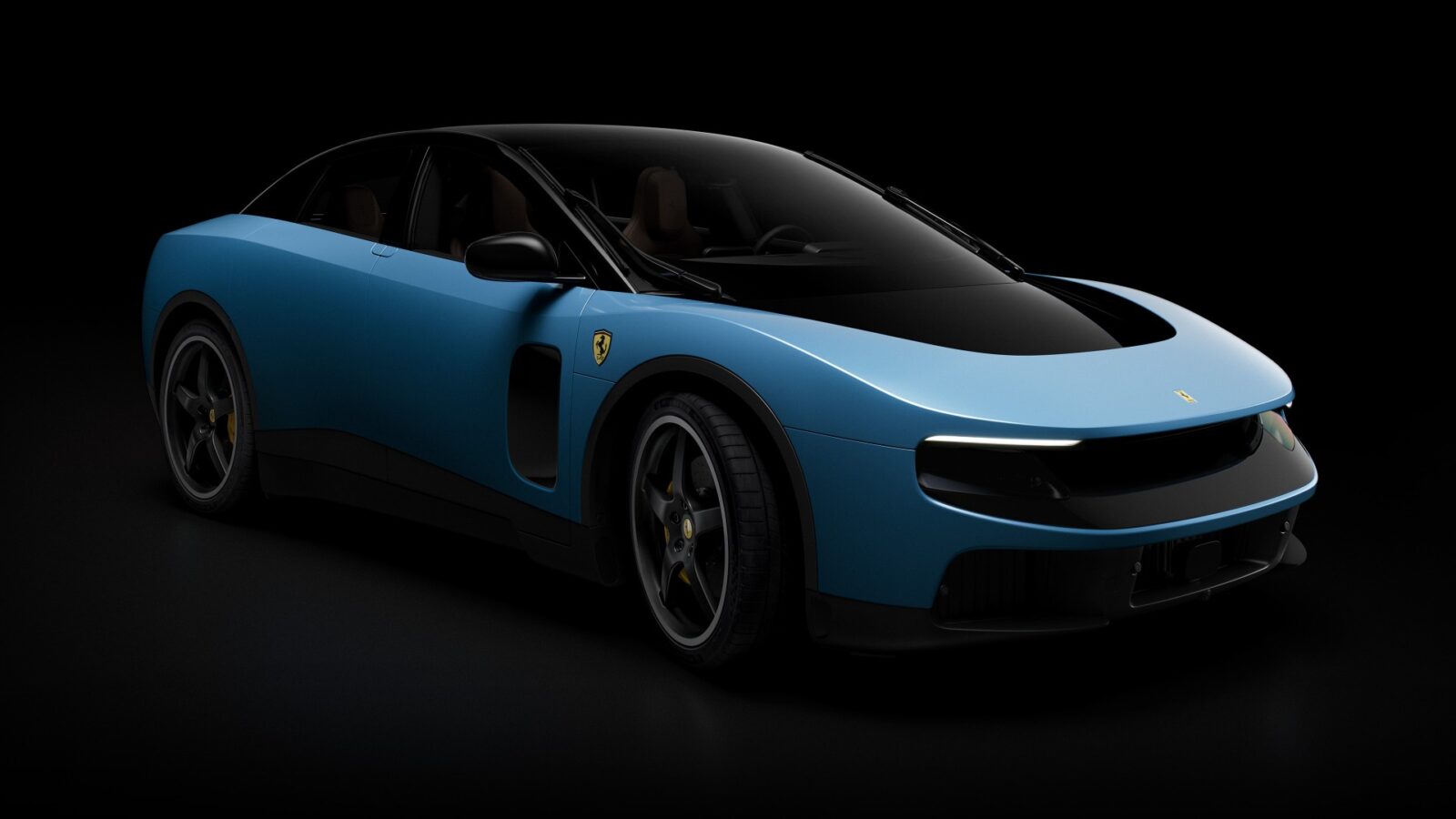
Ferrari has entered the electric vehicle market with the Luce, its first fully electric model, developed in collaboration with Jony Ive and Marc Newson through their design firm LoveFrom. Announced on May 25, 2026, the car represents a significant shift for the Italian automaker, which has built its reputation on high-performance combustion engines. The Luce adopts a sleek, minimalist aesthetic that prioritizes smooth lines over the dramatic styling often associated with Ferrari’s heritage models.
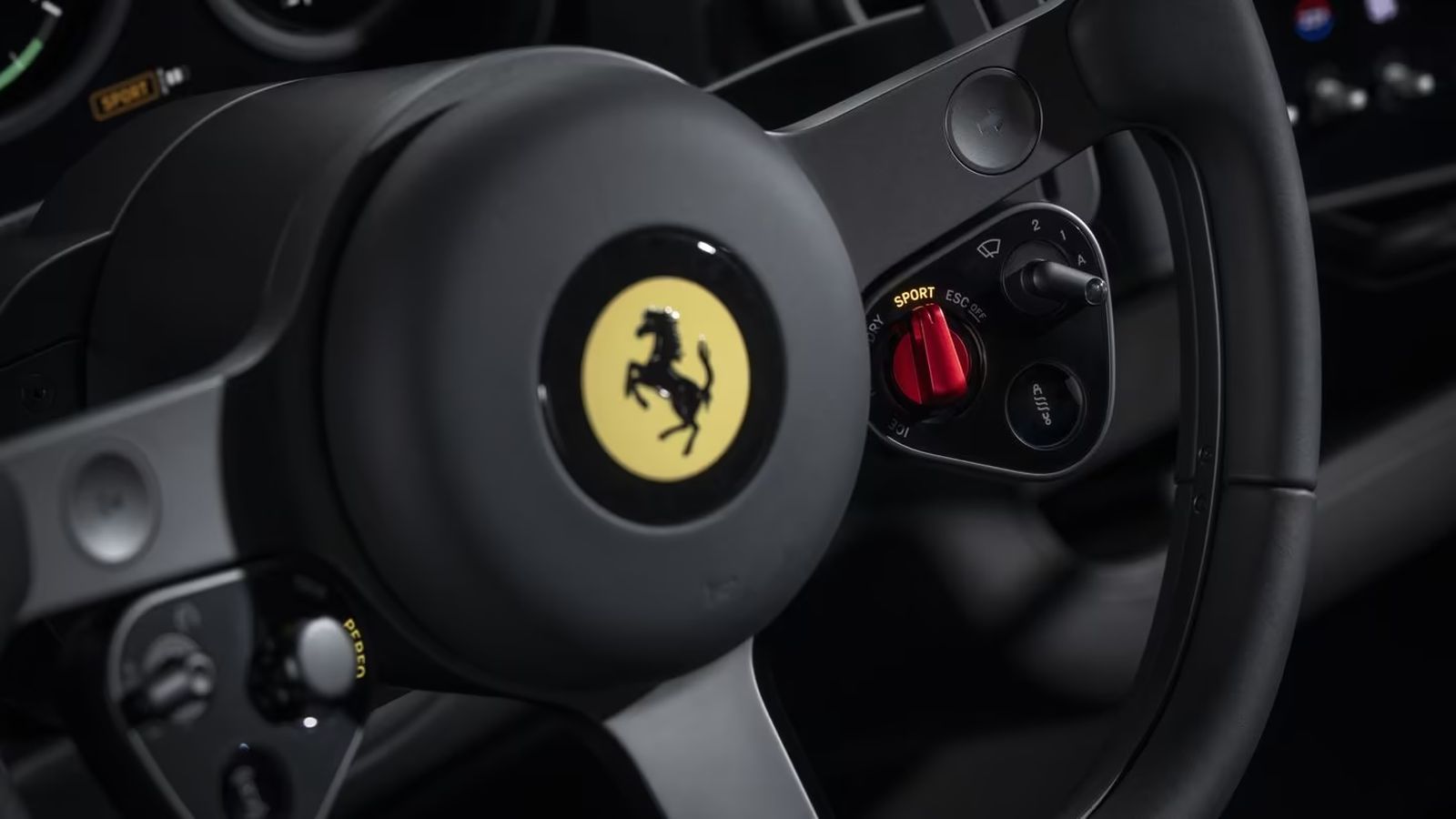
The exterior features a continuous shell-like form with floating front and rear aerodynamic wings, creating an uninterrupted profile. Inside, the design mixes physical controls—precision-engineered buttons, dials, toggles, and switches—with digital displays for a blend of tactile and modern interfaces. The three-spoke steering wheel is made entirely from recycled aluminum, nodding to growing sustainability considerations in luxury manufacturing. A dedicated smartphone app handles climate control, charging settings, and vehicle status monitoring.
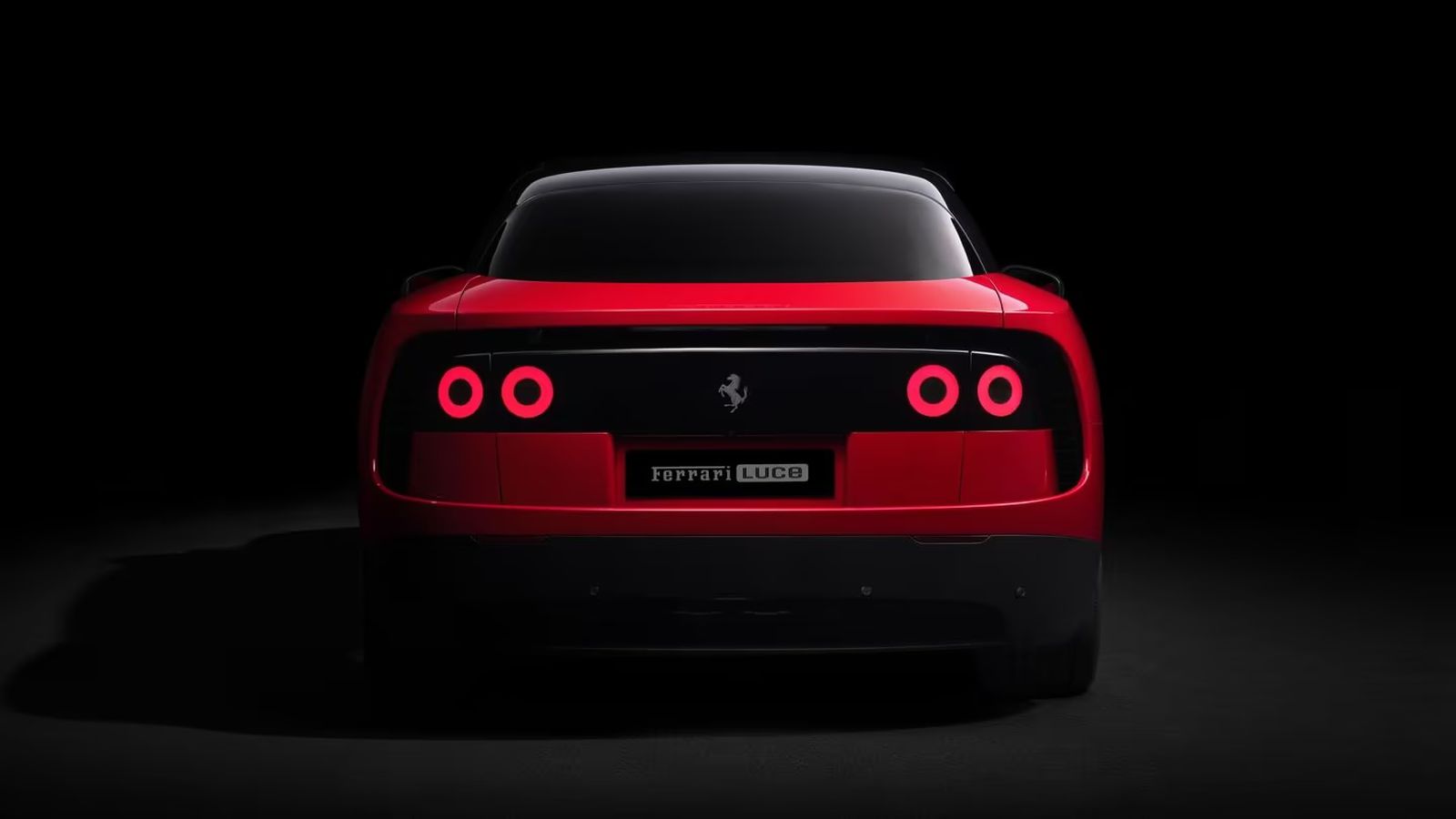
Under the hood, or rather the battery pack, the Luce uses four electric motors to deliver up to 1,035 horsepower and a 122 kWh battery. Ferrari claims it can accelerate from 0 to 100 km/h in 2.5 seconds. While these figures position it as a strong performer on paper, they also highlight the challenge Ferrari faces in translating its gasoline-powered excitement into the instant torque world of EVs. Production is scheduled to begin in late 2026, with European pricing starting at €550,000 (approximately $640,000). The vehicle will reach the US market in the second quarter of 2027.
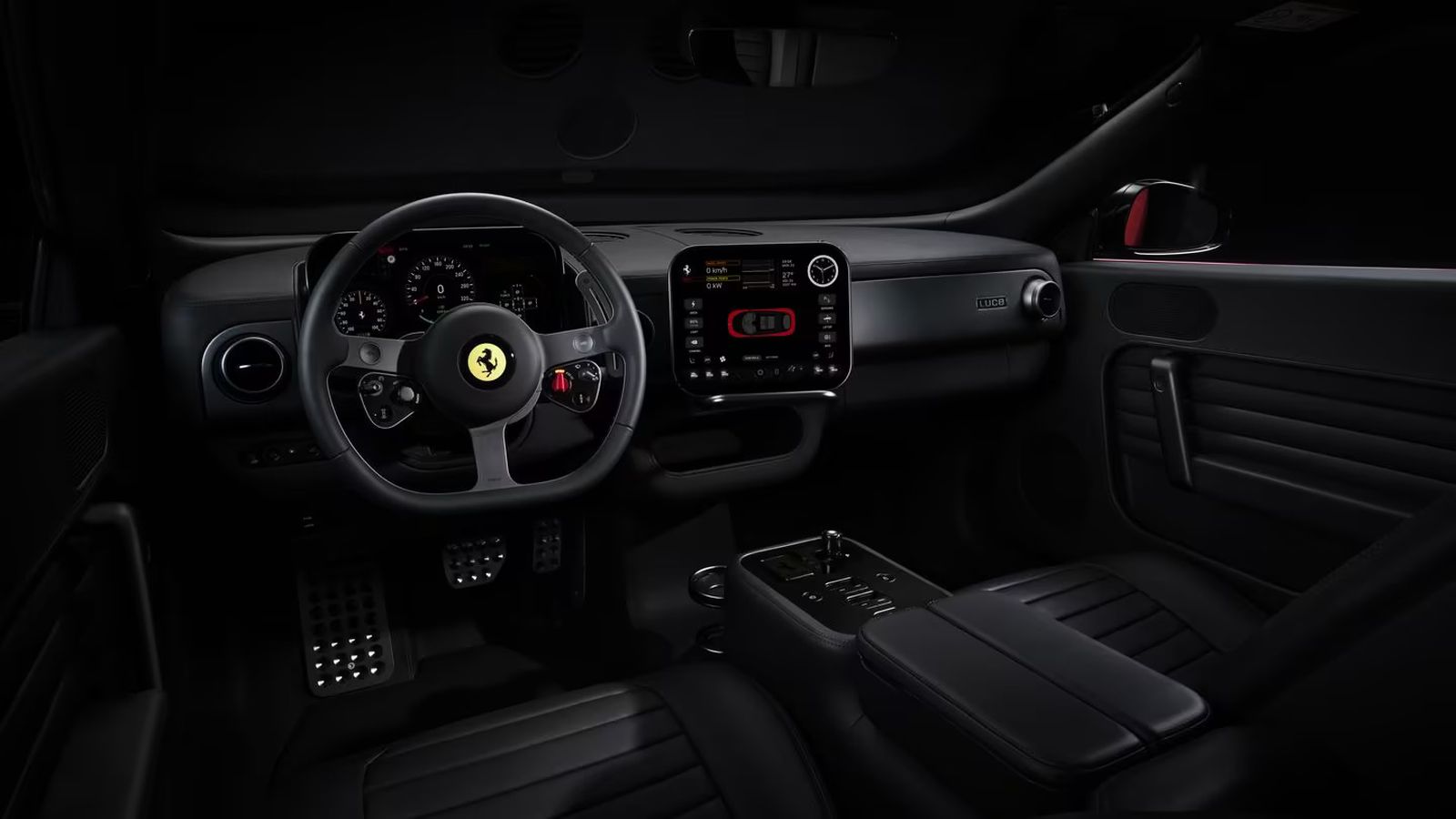
This launch arrives at a curious moment for both Ferrari and the broader automotive industry. The company has long resisted full electrification, preferring hybrid systems to preserve its signature engine sound and character. Many enthusiasts have questioned whether an EV can truly capture the emotional appeal that defines the brand. The involvement of Jony Ive, known for his work at Apple, brings a refined simplicity that contrasts with traditional Ferrari flamboyance. Yet the high price tag raises questions about accessibility even within the ultra-luxury segment, where buyers may weigh this against established electric competitors from Porsche or emerging bespoke options.
Apple’s own decade-long electric vehicle project, canceled in 2025, adds an interesting footnote. Ive’s departure from Apple and subsequent automotive foray through LoveFrom suggest a natural evolution of his design philosophy into physical mobility. However, the Luce feels less like a revolution and more like a careful calibration—Ferrari protecting its image while adapting to regulatory and market pressures pushing electrification.
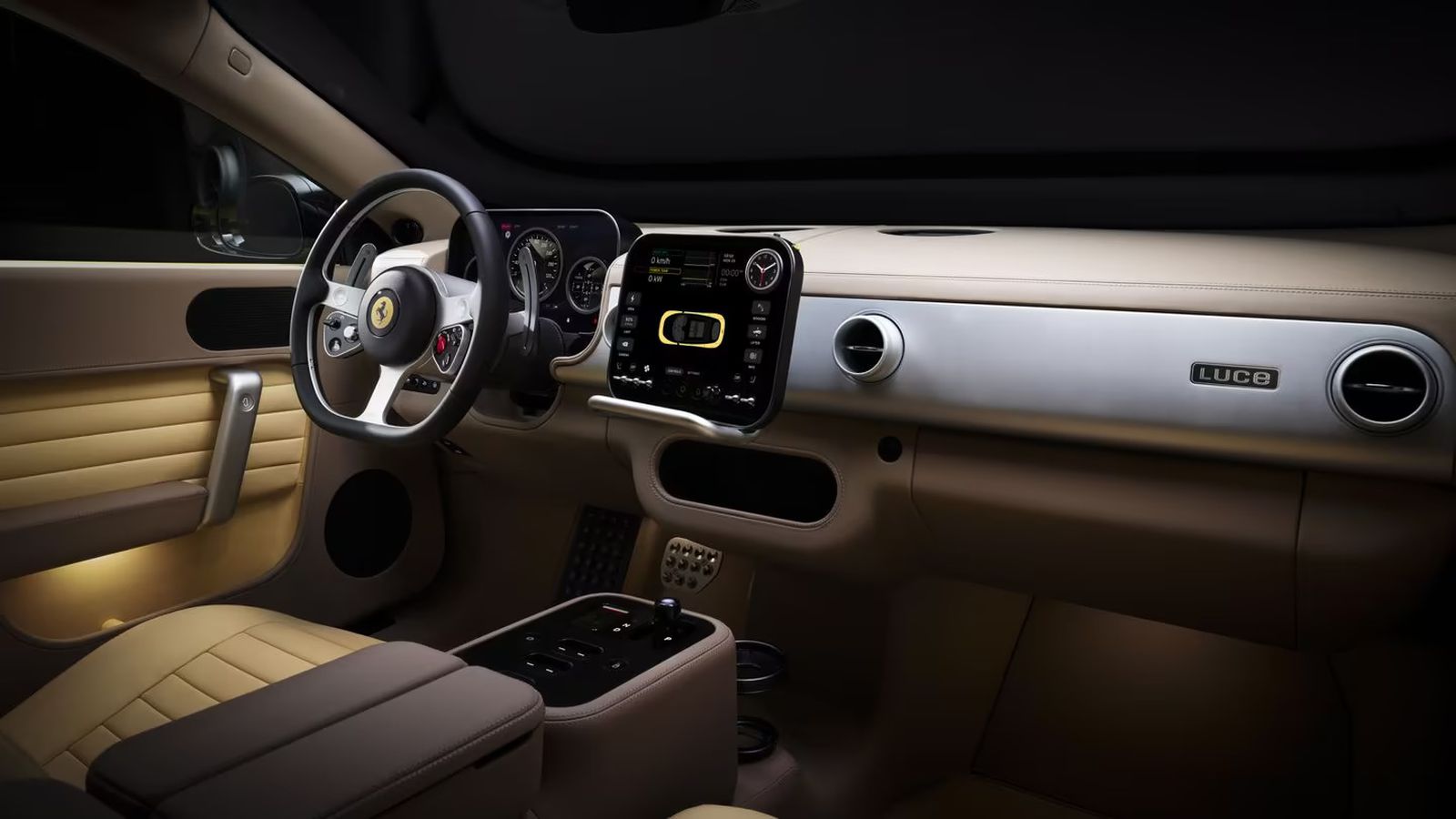
In the end, the Luce tests whether heritage brands can successfully merge tradition with future technology without losing their soul. Early reactions have been mixed, with some critics calling the design understated to the point of plainness for a Ferrari. Real-world performance, range consistency, and long-term ownership experience will ultimately determine if this first EV strengthens or dilutes the marque’s storied identity.