
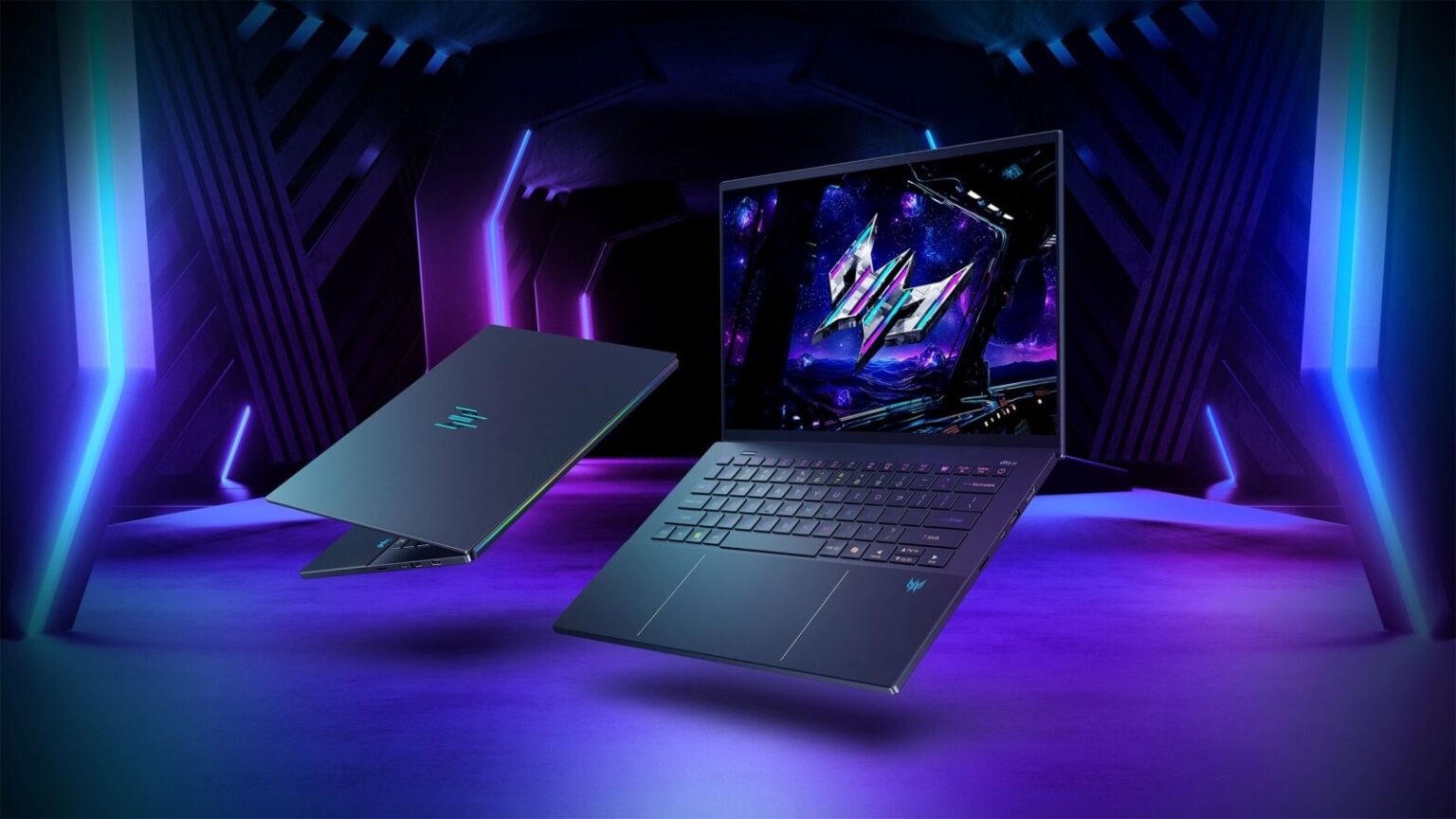
Acer has introduced a trio of new Predator gaming devices aimed at users who demand both portability and power. Headlining the release is the Predator Triton 14 AI, a 14.5-inch laptop that combines NVIDIA’s GeForce RTX 5070 Laptop GPU with Intel’s latest Core Ultra 9 processors. This is joined by the more accessibly priced Predator Helios Neo 14 AI laptop and the refreshed Predator Orion 3000 desktop, all launching globally in July 2025.
The Predator Triton 14 AI is engineered for mobile creators and gamers who need a device that doesn’t compromise on performance. It features a sharp WQXGA+ OLED display with full DCI-P3 coverage, fast refresh rates, and touch support. With a lightweight aluminum chassis just over 17 mm thick and weighing 1.6 kg, the Triton 14 is built for portability without losing the cooling capabilities expected from a performance-grade machine. Notably, it’s the first laptop to use graphene as a thermal interface material on the CPU, a move that improves heat conductivity and potentially extends the life of internal components.
Internally, the Triton 14 is configurable with up to 32 GB of LPDDR5X RAM and 2 TB of PCIe Gen 4 storage, delivering fast load times and smooth multitasking. NVIDIA’s Studio drivers make it a strong candidate for video editors and 3D artists, while the inclusion of a haptic Corning Gorilla Glass touchpad with stylus support aims to appeal to digital illustrators and designers.
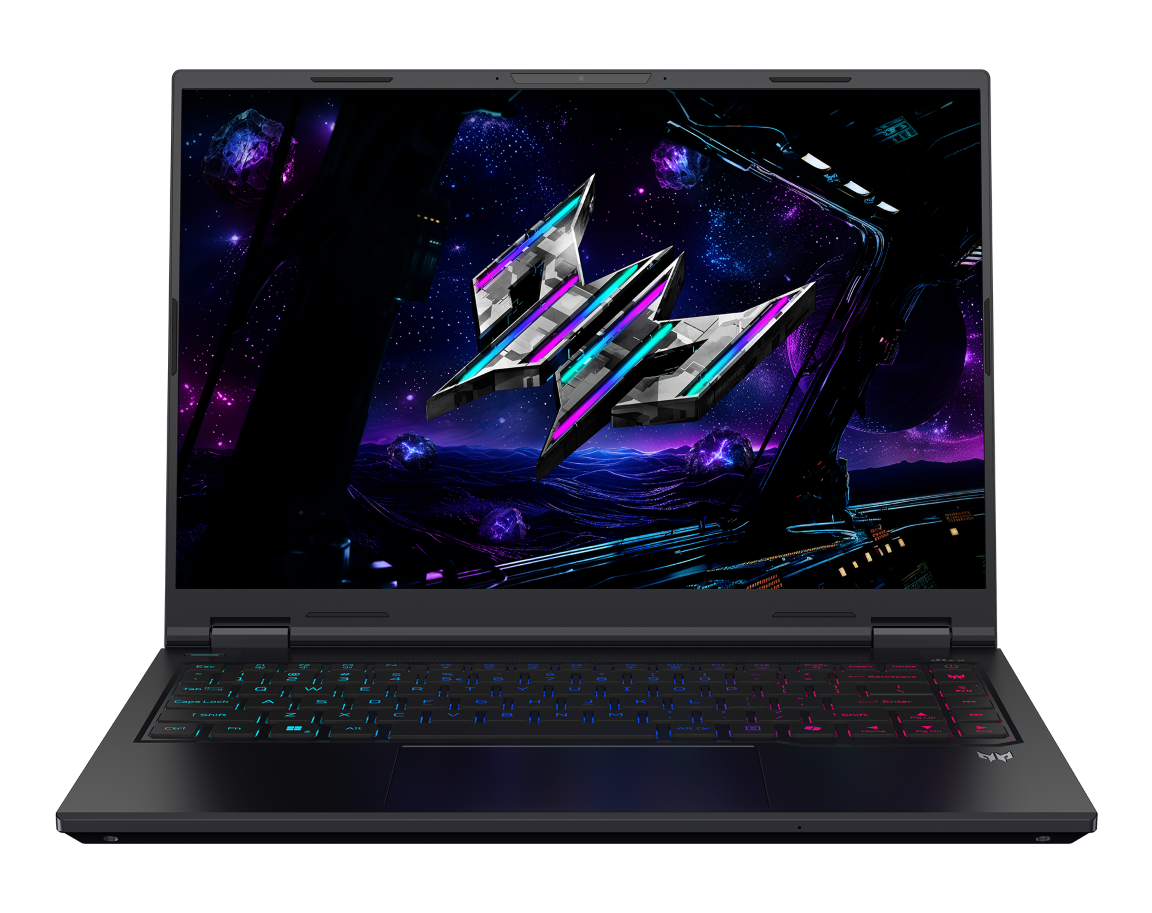
For gamers who prefer a slightly more budget-friendly option without giving up power, the Helios Neo 14 AI offers much of the same core hardware. It supports up to an Intel Core Ultra 9 processor and also tops out at the RTX 5070 GPU, though slightly trimmed features—like one metal fan and a slightly larger chassis—help bring its starting price down. The Helios Neo also includes a vivid 2.8K OLED display and an RGB-lit keyboard, geared more toward gamers looking for customizable visual flair and responsive feedback.
Both laptops are designed as AI-ready devices. They support new features like real-time translation and AI-enhanced creative tools thanks to Microsoft’s Copilot+ integration. Acer’s own Experience Zone brings in AI-powered webcam effects, voice isolation, and gameplay capture via proprietary software.
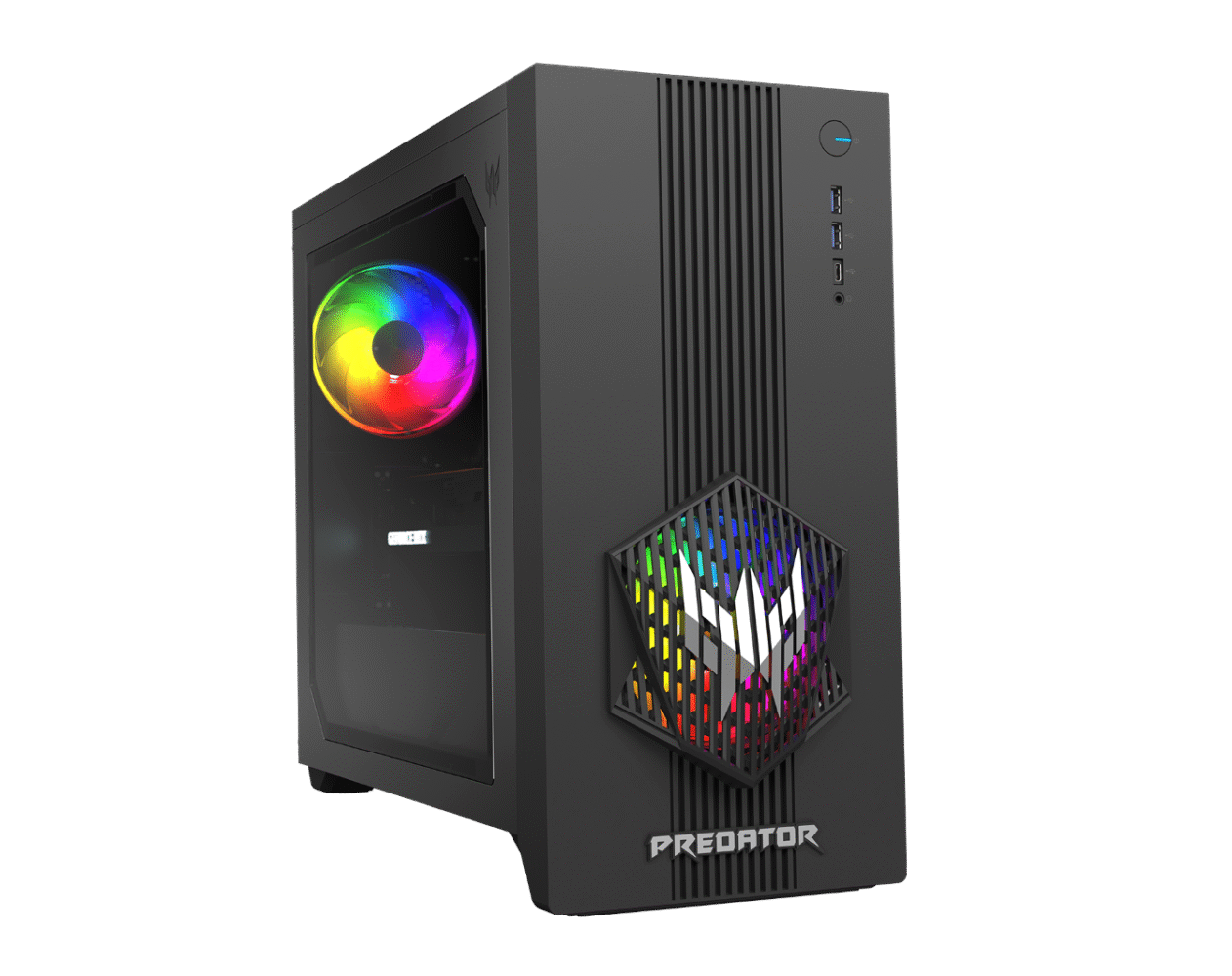
The new Predator Orion 3000 desktop rounds out the lineup with a redesigned 28-liter chassis, now housing up to an Intel Core Ultra 7 CPU and the RTX 5070 GPU. The Orion 3000 is built for mid-range gamers and content creators who want solid performance and room for expansion. Dual drive configurations (SSD + HDD), Wi-Fi 7 support, and an assortment of USB ports make it a versatile setup for home use. RGB-lit front and rear fans are more than cosmetic—they’re part of the unit’s air-cooled system optimized for quiet, sustained operation.
All three devices are expected to be available in the EMEA region starting in July, with the Triton 14 AI priced from $2,999, the Helios Neo 14 AI from $1,699, and the Orion 3000 desktop from $1,099. Each product aims to cater to a different segment of the gaming and creative community—whether that’s students, professionals, or dedicated PC enthusiasts.
With these updates, Acer is signaling a clear intent to stay competitive in a hardware landscape increasingly shaped by AI capabilities and demands for portable, high-efficiency design.