
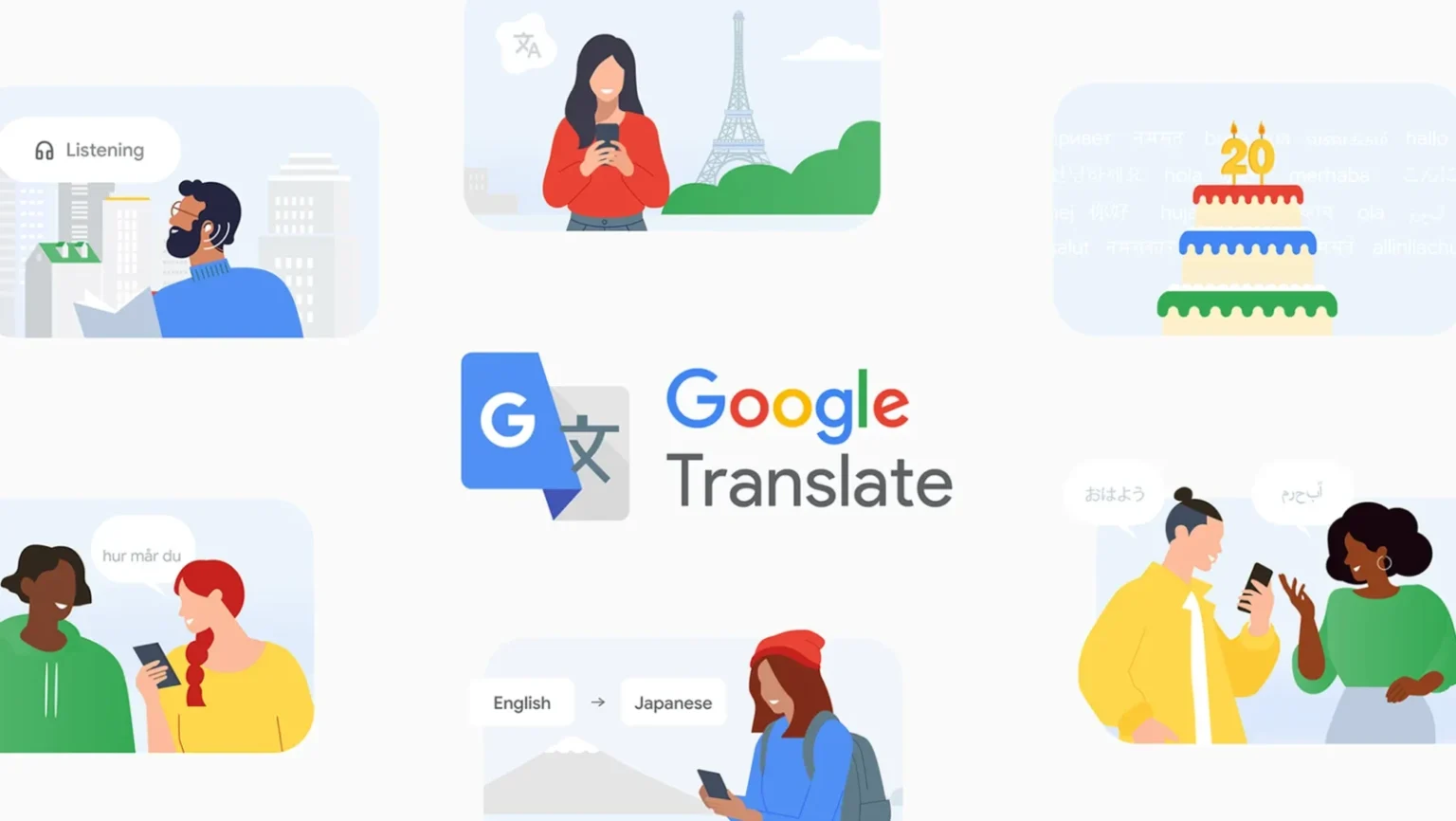
Google Translate has reached its twentieth year, evolving from a modest 2006 experiment in machine translation into one of the most widely used language tools on the planet. Today it handles roughly 250 languages and serves more than a billion users each month, reflecting both genuine demand for cross-language communication and the steady improvement in underlying AI systems.
What began with statistical models that often produced awkward, literal renderings has progressed through neural networks in 2016 to current Gemini-powered capabilities. The shift has brought more natural phrasing, better context awareness and support for idioms or local slang that once defeated earlier versions. Yet even now, results can vary depending on language pair, subject matter and cultural nuance; complex or low-resource languages still expose gaps that remind users this remains an assistive tool rather than a perfect substitute for human fluency.
Recent additions mark practical progress. A new pronunciation practice feature on Android analyses speech and offers feedback, available initially for English, Spanish and Hindi in select markets. Live Translate turns compatible headphones into real-time interpreters, preserving tone and cadence rather than flattening conversations into stiff text. Offline downloads, camera-based Lens translations for menus and signs, and integration with Circle to Search have moved the service beyond desktop lookups into everyday travel and discovery. These features address real friction points for travellers, learners and families separated by language.
Usage patterns reveal interesting priorities. People translate around a trillion words monthly, with English to Spanish remaining the dominant pair, followed by several English pairings with Arabic, Turkish, Indonesian and Indian languages. Gratitude phrases such as “thank you,” “how are you” and “I love you” consistently top the list, underscoring translation’s role in basic human connection. A significant portion of mobile users turn to the app for language learning, practicing speaking scenarios or tracking progress toward personal goals. Live sessions lasting more than five minutes suggest people are sustaining longer exchanges—job interviews, family calls, cultural discussions—than earlier technology allowed.
In the Middle East and North Africa, where multilingual environments mix Arabic, English, French and regional dialects, the tool helps bridge daily interactions, business dealings and media consumption. Features that handle local slang or overlay translations on signs prove particularly useful in diverse urban settings. Still, reliance on any single platform carries trade-offs: accuracy can slip with dialects or specialised vocabulary, and offline performance depends on prior downloads and device storage.
Twenty years on, Google Translate has lowered barriers to understanding without claiming to replace the depth of bilingual ability or cultural fluency. It has become embedded in search, browsers, phones and headphones, quietly enabling travel, learning and connection for millions. As AI continues refining real-time conversation and contextual awareness, the service will likely grow more capable, yet its greatest value may remain in the simple moments—ordering a meal, reading a sign, or saying thank you across languages—where small improvements in accessibility matter most.