

In the GCC, vast distances between cities, intense summer heat, and a long-standing preference for spacious, dependable SUVs continue to shape how families choose their vehicles. As national sustainability goals push electrification forward across Saudi Arabia, the UAE, Kuwait, Qatar and Oman, plug-in hybrid electric vehicles are emerging as a pragmatic option for households that want meaningful efficiency gains without abandoning familiar driving patterns. Unlike full battery-electric models that require reliable charging access for every trip, or conventional hybrids that offer only modest assistance, PHEVs combine a petrol engine with a larger battery and electric motor, allowing extended electric-only running for daily needs while retaining the engine for longer journeys.
This middle-ground approach directly addresses regional realities. Intercity travel remains common, whether for business between Dubai and Abu Dhabi or family visits across Saudi borders. Extreme temperatures test every component, and while public charging networks are expanding in urban centres and major malls, coverage thins on remote highways. For many GCC families, the appeal of PHEVs lies in their flexibility: they can run on petrol alone if the battery is empty, eliminating the range anxiety often associated with pure EVs, yet deliver noticeable fuel savings when plugged in regularly for city commutes, school runs, grocery trips and evening outings.
Several misconceptions still linger. Many assume a PHEV is essentially an electric vehicle with a backup engine, but the reality is more nuanced. The system manages both power sources automatically, switching seamlessly based on conditions without driver intervention. Others equate PHEVs with standard hybrids, overlooking the larger battery that enables longer electric stretches and greater overall efficiency. If left uncharged, the vehicle simply operates like a conventional SUV, which reassures drivers who lack convenient home charging or face variable public infrastructure. Heat concerns are valid in Gulf summers, yet current PHEVs incorporate advanced thermal management systems tested for local climates. That said, real-world battery longevity under repeated high-temperature stress still warrants careful monitoring beyond initial warranty periods.
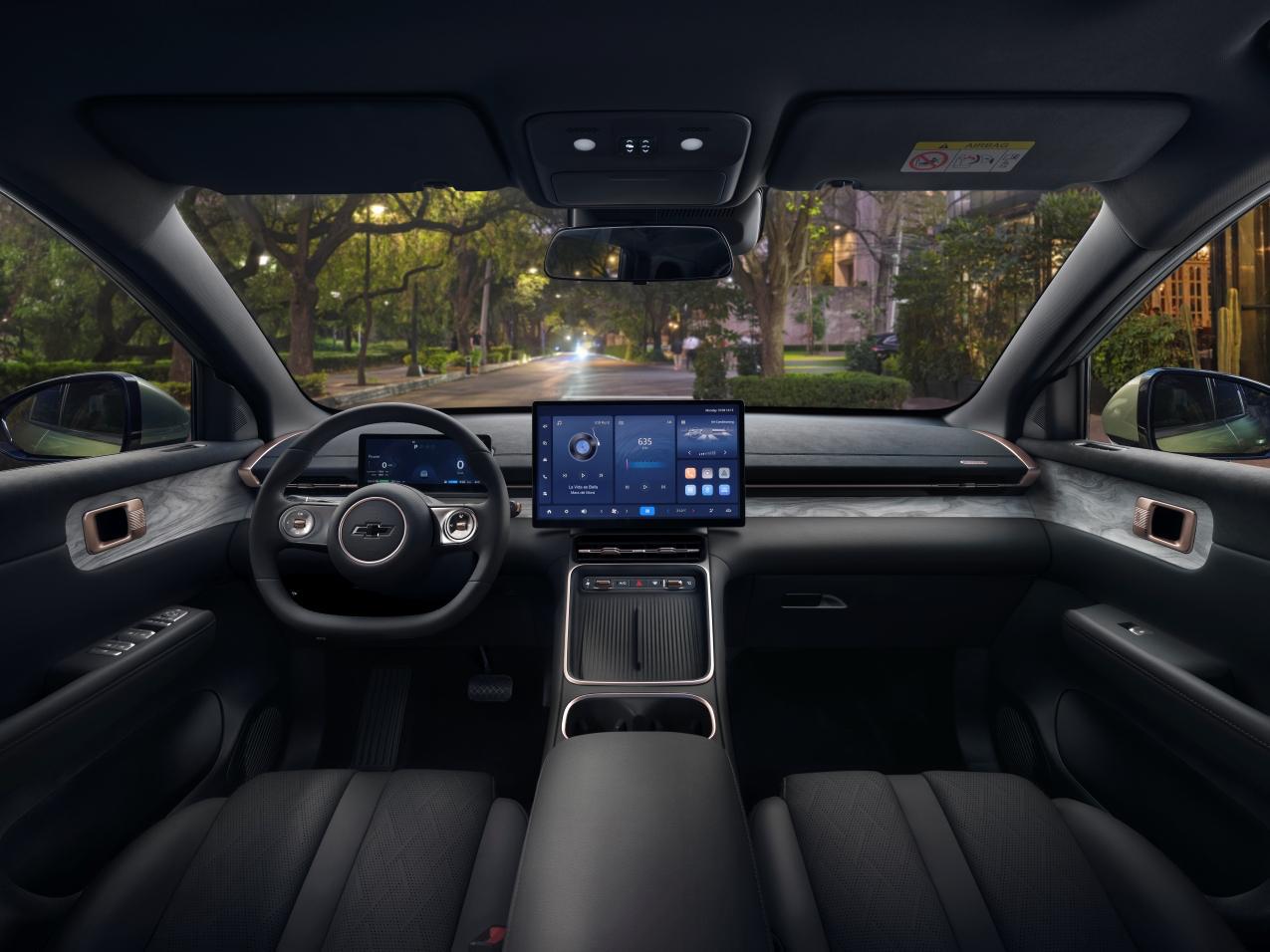
Fuel savings depend heavily on usage. Urban routines that stay within 50–80 kilometres daily can shift a large portion of driving to electric mode, reducing petrol consumption meaningfully. On highways, the engine takes over without drama, preserving the long-range confidence essential in the region. Electricity rates in many GCC markets remain competitive with fuel costs per kilometre, especially at residential or workplace chargers, though savings diminish for drivers who rarely plug in. Operation stays straightforward: start the car, select drive, and let the system handle transitions. No special techniques are required, which matters in markets where SUVs have historically prioritised durability on desert roads and family practicality over technological complexity.
Not all PHEVs deliver identical results. Differences in battery capacity, engine calibration, power output and integration affect performance, particularly in high-heat, mixed-driving conditions common here. Some models prioritise refinement and efficiency, while others lean toward stronger performance. This variation underscores the need for buyers to test vehicles under real GCC scenarios rather than relying solely on laboratory figures. Far from a temporary bridge technology, PHEVs represent an evolutionary step that lets households experiment with electrification without overhauling infrastructure reliance or travel habits. They suit families with mostly urban routines yet frequent longer trips, or those hesitant about full EV commitment.
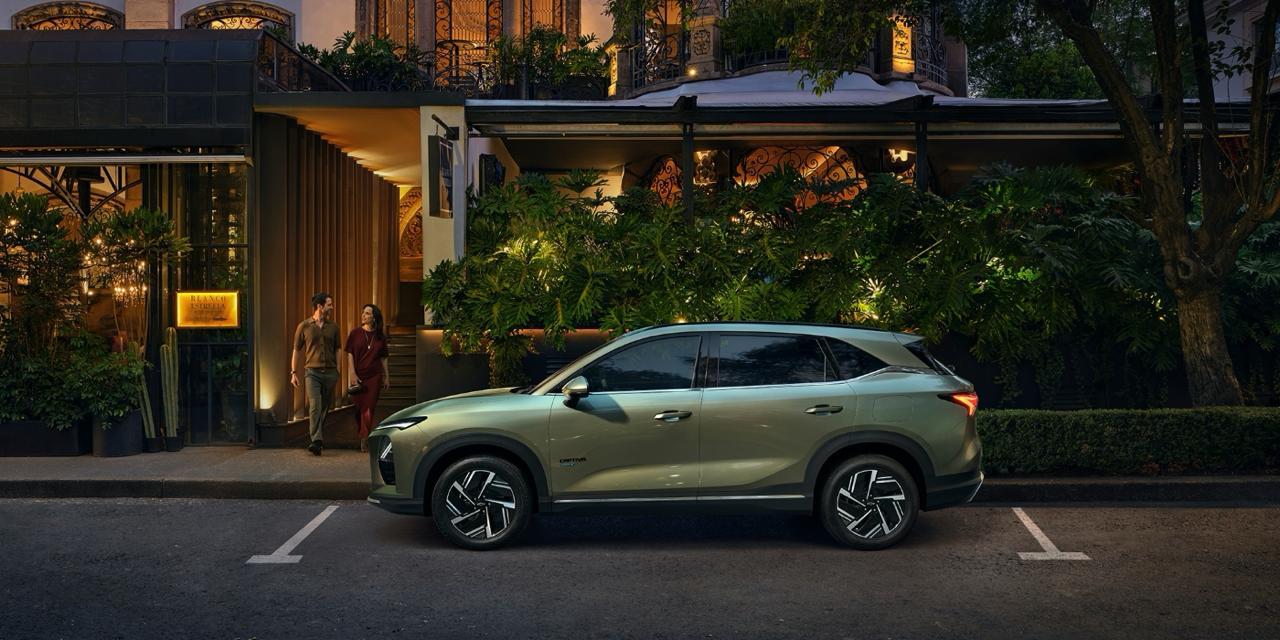
Chevrolet’s Captiva PHEV exemplifies this thinking, pairing hybrid technology with a claimed combined range exceeding 1,000 km under NEDC testing. Actual range varies with temperature, terrain, driving style and maintenance, as with any vehicle. In a region where automakers have long adapted to local demands—from rugged terrain capability to spacious family layouts—this model shows how incremental electrification can coexist with established expectations rather than demanding abrupt change. Broader industry trends support this path: global automakers are refining PHEV systems as a transitional solution while full EVs mature, particularly in markets with uneven charging infrastructure.
Ultimately, PHEVs do not solve every challenge of Gulf motoring, but they offer a balanced way to lower fuel use and emissions without forcing lifestyle adjustments. As infrastructure improves and technology advances, they may serve as a sensible stepping stone for families weighing the practicalities of sustainable driving against the realities of desert roads and family logistics.