
At the NAB Show in Las Vegas this week, RØDE introduced several new audio tools aimed at professional content creators, broadcasters, and filmmakers. The announcements centered on a new MEMS microphone technology called Sonaura, alongside a UHF wireless system, studio accessories, and an AI-assisted podcast editing app. While the company positioned these as significant steps forward, they build on ongoing industry trends toward compact, reliable audio solutions and software-driven workflows rather than representing an outright break from the past.
Sonaura stands as the most technically notable element. Developed over five years in partnership with Infineon Technologies, it is a studio-grade MEMS microphone platform measuring just 4mm by 5mm. The technology delivers an 83dB signal-to-noise ratio and 11dBA self-noise, figures that compare favorably with many larger traditional condenser capsules while offering greater compactness and resilience to environmental factors. It features a sealed dual-membrane design for improved shock resistance and RF immunity, along with a flat frequency response and solid SPL handling.
MEMS microphones have been common in consumer devices for years, powering everything from smartphones to hearing aids since the early 2000s. Bringing this level of performance to professional applications is a logical progression, though claims of redefining audio capture warrant scrutiny—real-world results will depend on integration and final product tuning. The first implementation appears in Lectrosonics’ L1 sub-miniature lavalier, with further rollout planned across RØDE and the wider Freedman Group portfolio.
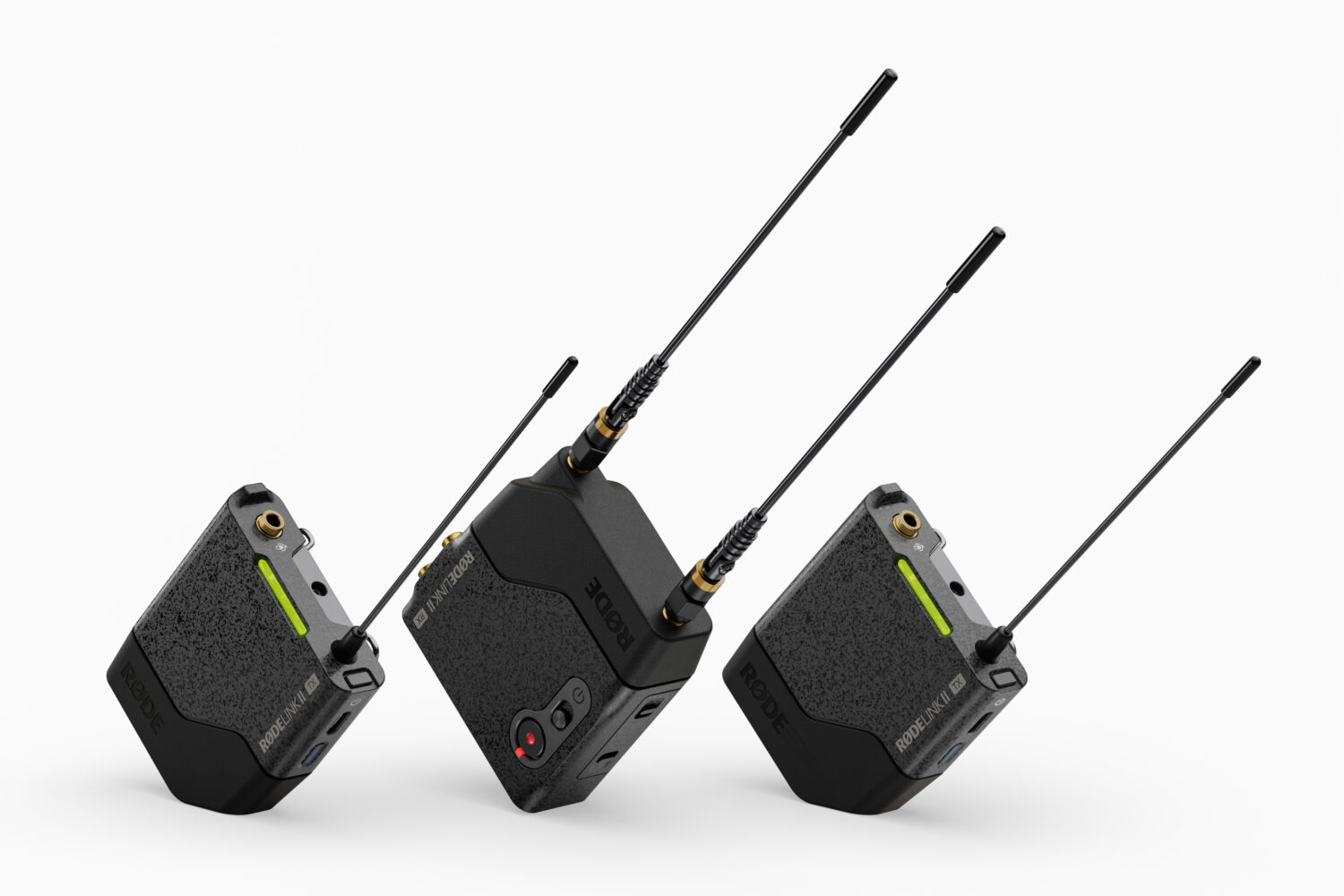
Complementing the hardware is RØDELink II, a professional UHF wireless microphone system that draws on the group’s experience through Lectrosonics. It includes dual transmitters with broadcast-grade lavalier mics, 32-bit float onboard recording to microSD, timecode I/O for simplified sync, and rugged metal construction with extended battery life. UHF transmission promises better range and interference resistance than 2.4GHz alternatives in crowded RF environments, a practical advantage for location sound work. Supporting cables for timecode and XLR connectivity round out the package, which is expected to ship soon.
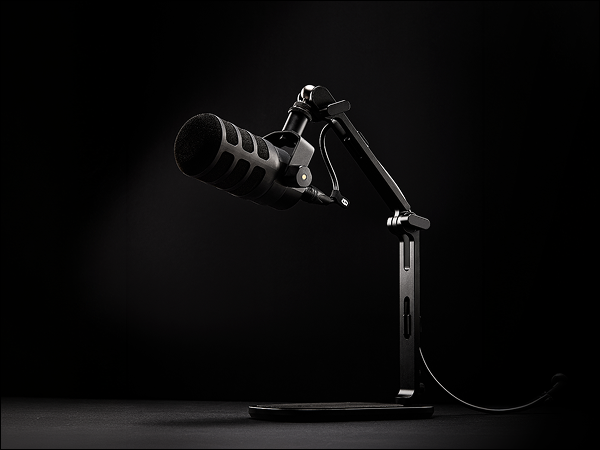
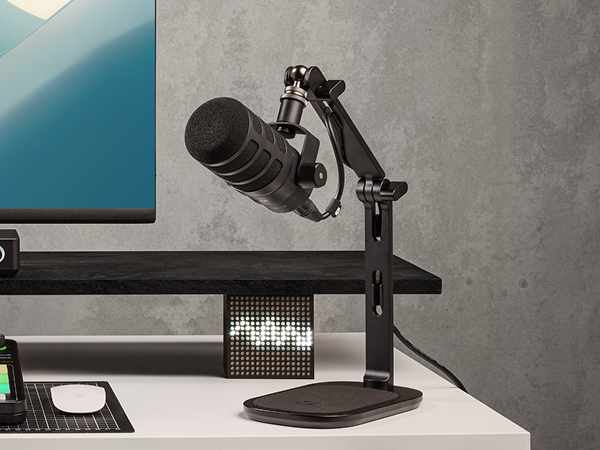
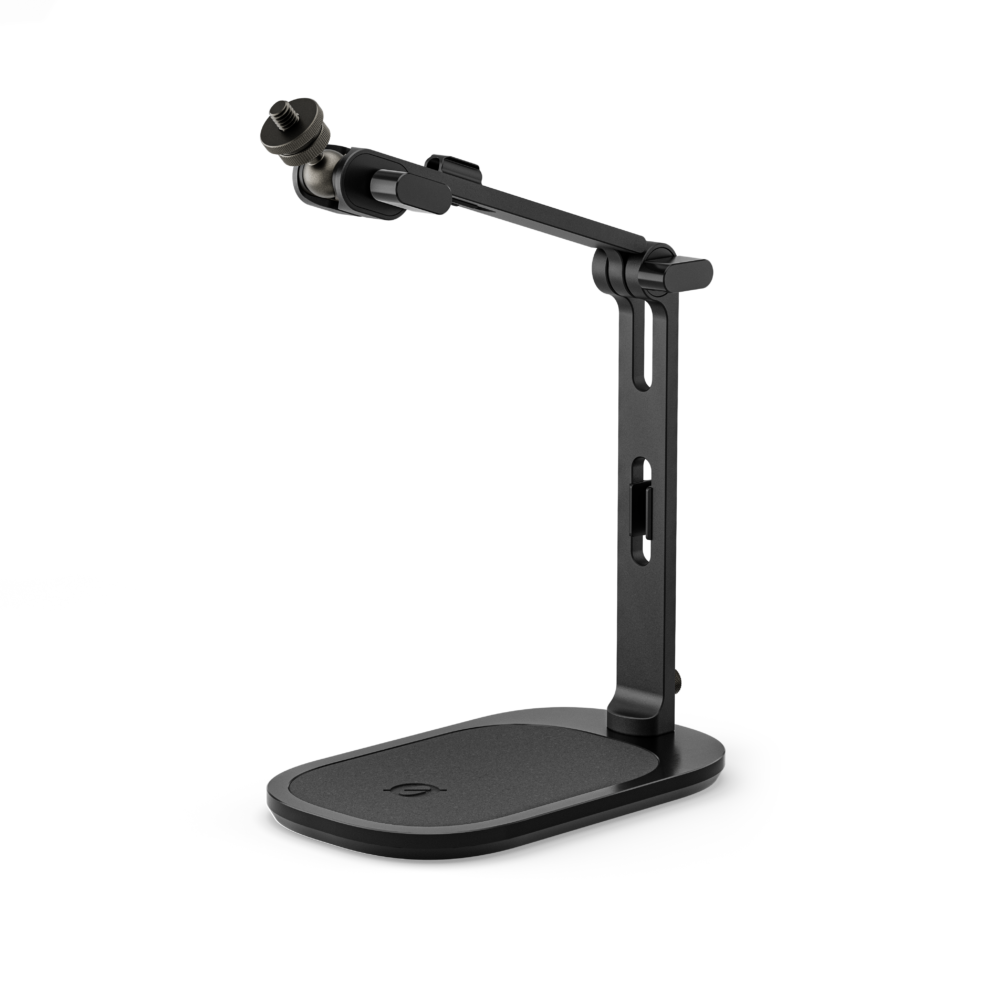
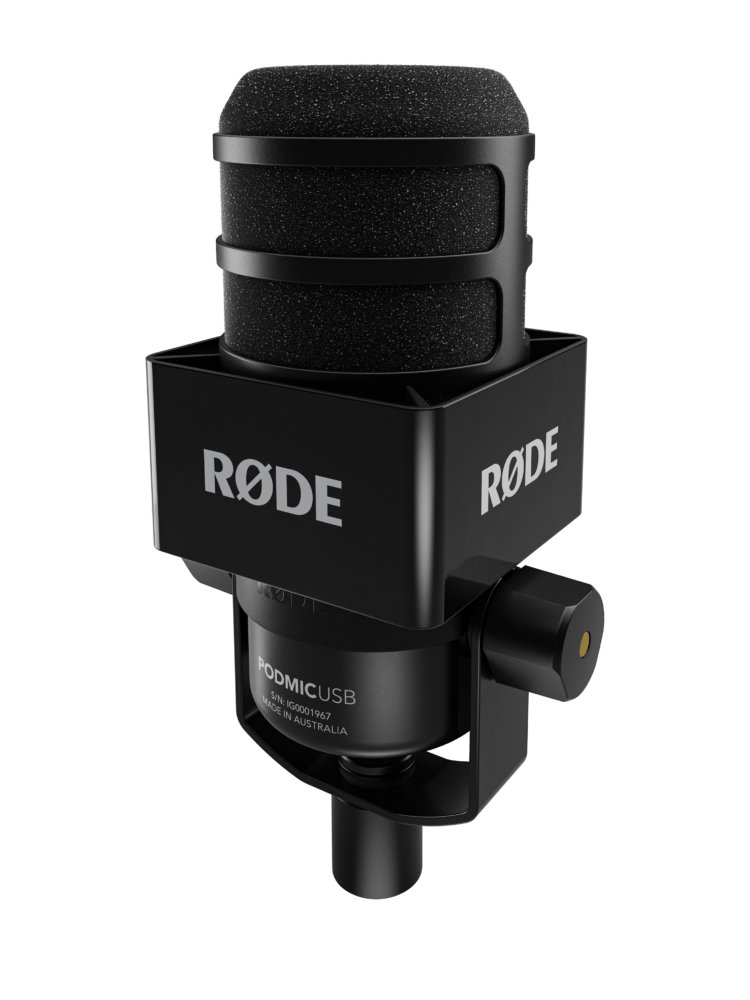
On the accessory side, the LPA1 low-profile studio arm prioritizes clean on-camera framing with a 650mm horizontal reach and silent operation, while the DS3 desktop arm offers a weighted base for clamp-free stability and supports up to 1.5kg of gear. Both include cable management and universal threading. The PodMic Flag adds a simple customizable branding element for the popular PodMic, allowing users to print and apply their own artwork for a more polished video podcast look. These are practical refinements rather than transformative tools, addressing common workflow irritations in home and professional setups.
Perhaps the most forward-looking addition is RØDECaster Studio, a desktop application for Mac and Windows developed by RØDE’s UK AI Lab. It focuses on transcript-based editing with speaker identification, word-level timestamps, and AI-driven text editing that can replace or correct dialogue while attempting to preserve natural tone. Additional features include voice-command assistance for tasks like removing fillers, generating highlight reels, and one-click exports optimized for platforms such as Spotify or YouTube. The app integrates directly with RØDECaster hardware and cloud workflows, aiming to shorten post-production for spoken-word content.
AI tools for audio editing have proliferated in recent years, promising efficiency but often raising questions about authenticity and over-processing. Early access is currently in beta, so its accuracy and usability in demanding scenarios remain to be fully tested. Still, the direction aligns with broader industry moves to streamline long-form production without sacrificing too much creative control.
RØDE will display these items, along with recent releases like the RØDECaster Video S and Video Core, at booth C9316 through April 22. The announcements reflect a continued effort to tighten integration across capture, wireless transmission, mounting, and editing—areas where creators frequently juggle disparate tools. Whether the performance gains prove substantial will depend on hands-on use, but the focus on durability, compactness, and workflow cohesion addresses genuine pain points in modern audio production.