
TL;DR: Wistoria: Wand and Sword Season 2 Episode 7 throws fresh obstacles in Will’s path to Elfie through Kreutz’s meddling and magic-weak monsters, but the Second Bloom offers redemption with Julius’s help, blending tense action and tower politics into an engaging setup for bigger things ahead. Solid but deliberately paced, it’s essential viewing for fans craving heartfelt fantasy growth.
Wistoria: Wand and Sword Season 2
In the sprawling magical world of Wistoria: Wand and Sword, where towering ambitions clash against personal limitations in ways that feel profoundly human despite the fantasy trappings, Season 2 Episode 7 hits like a perfectly timed plot twist that both thrills and frustrates in equal measure. As Will Serfort continues his relentless climb toward reuniting with his childhood friend Elfie, this latest chapter throws up fresh bureaucratic walls and monstrous challenges that test not just his sword arm but his very spirit as a determined underdog in a realm obsessed with innate magical talent. What makes this episode resonate so deeply with fellow geeks like myself is how it captures that universal ache of watching someone pour everything into a dream only to face yet another gatekeeper insisting the rules must bend against them. The animation from BN Pictures and Actas shines here, bringing the fluid chaos of dungeon battles to life with a vibrancy that makes every swing of Will’s blade feel weighty and consequential, while the emotional undercurrents bubble beneath the surface like untapped mana. This isn’t just another hurdle; it’s a reminder that in stories of magic and mastery, the real power often lies in persistence against systems designed to exclude the unconventional hero. Viewers who have followed Will’s journey from the academy floors to these upper institute trials will feel that familiar mix of hype and exasperation, cheering his growth while groaning at the deliberate pacing that keeps his heartfelt reunion just out of reach, much like waiting for the next major Marvel crossover after a post-credits tease.
The episode masterfully shifts gears from triumphant monster-slaying highs to the grinding realities of institutional skepticism, forcing Will to confront doubters who seem engineered to mirror real-world obstacles every passionate fan has faced in their own pursuits. Kreutz Harlon emerges as this imposing figure whose authority complicates what should have been a straightforward victory lap after Will’s impressive feats against the Zoctonia horde, turning what could have been a straightforward ascension into a layered examination of power dynamics within the tower’s hierarchy. It’s fascinating how the narrative weaves in themes of borrowed strength versus authentic potential, especially when Will’s new sword proves ineffective against foes that demand a magical touch he fundamentally lacks. This creates tense, pulse-pounding sequences where physical prowess alone isn’t enough, pushing the boundaries of what it means to be a hero in a world that values spells over sheer willpower. As someone who binged through the previous episodes with mounting excitement, I found myself yelling at the screen during these moments, fully invested in Will’s frustration because it echoes so many classic underdog arcs from everything under the sun like Naruto’s early struggles to Deku’s Quirkless beginnings in My Hero Academia. The episode doesn’t shy away from showing the emotional toll, blending high-stakes action with quieter beats that highlight Will’s internal resolve, making his journey feel cinematic and deeply personal rather than just another episodic checklist.
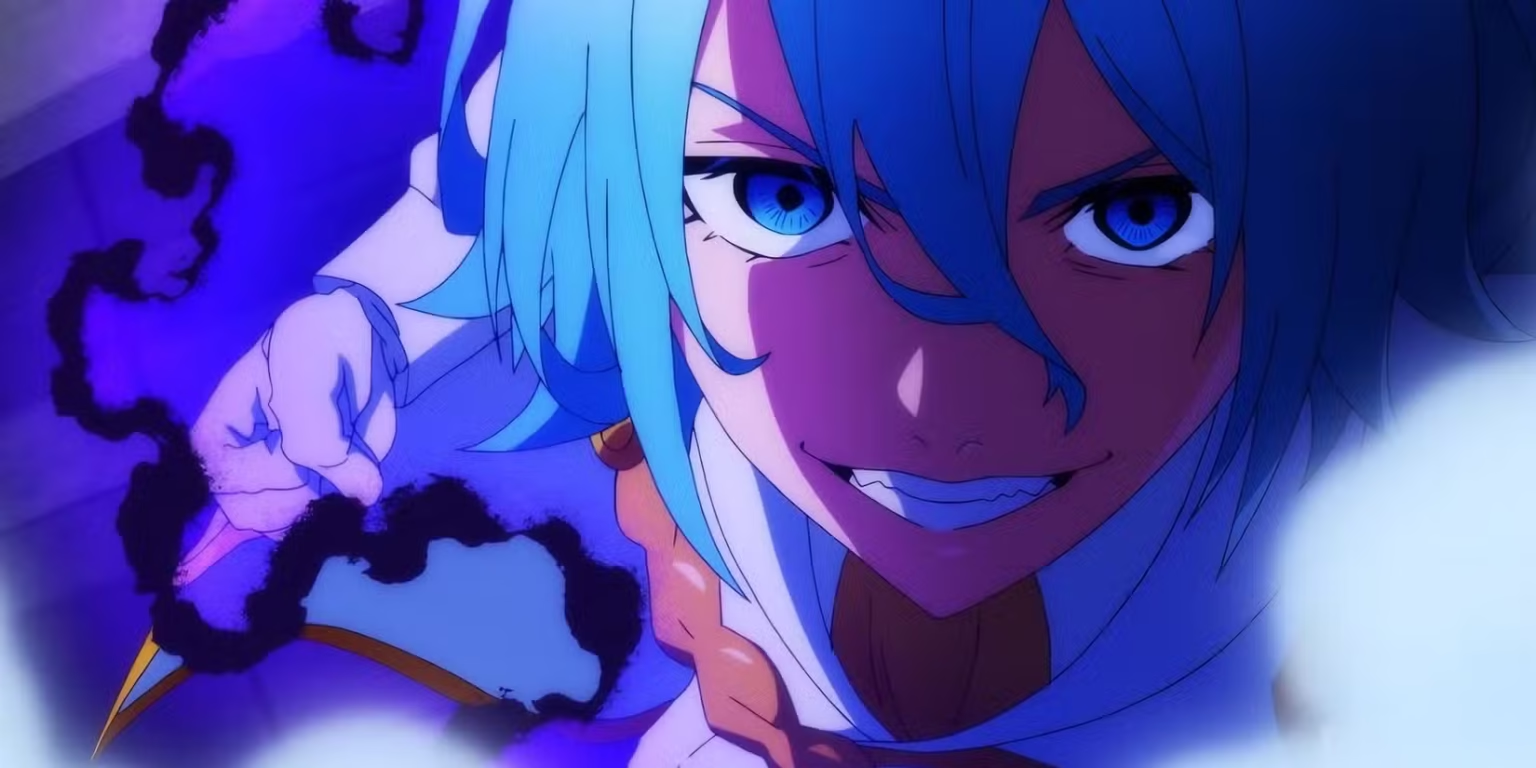
What elevates this chapter beyond standard shonen fare is the clever way it explores the politics of the Magia Vander and the Upper Institute, revealing how even blessings from higher powers can be undermined by middle-management meddling that feels all too relatable in our own stratified societies. Julius stepping in to assist with training adds a delicious layer of ambiguity that geek audiences will debate for weeks, wondering if past betrayals truly give way to genuine alliance or if hidden motives lurk beneath the surface like shadows in a dark dungeon crawl. The Second Bloom opportunity arriving so soon after the first injects urgent momentum, transforming potential stagnation into a high-pressure race against time that keeps viewers glued to the edge of their seats. Animation quality peaks in the creature designs, particularly the slippery, magic-dependent Wors Oozes that serve as perfect foils to Will’s combat style, forcing creative problem-solving that hints at bigger evolutions in his abilities down the line. This episode brilliantly balances spectacle with substance, reminding us why Wistoria: Wand and Sword continues to stand out in the crowded fantasy anime landscape as a tale that values heart and ingenuity over easy power fantasies.
Diving deeper into the lore and character beats, Episode 7 excels at expanding the tower’s intricate social ecosystem while keeping Will’s personal stakes front and center, creating that immersive feeling where every decision ripples outward like spells cast across vast chambers. The pruning ceremony and its unexpected rule changes aren’t mere plot devices but thoughtful commentary on gatekeeping in elite institutions, whether magical academies or competitive geek hobbies like esports tournaments where talent sometimes bows to arbitrary criteria. Will’s inability to simply slash through every obstacle introduces compelling tension that pays off in sequences rich with visual flair and strategic desperation, showcasing the series’ strength in blending sword-and-sorcery action with coming-of-age introspection. Fans invested in the Will-Elfie dynamic will appreciate how the delay heightens anticipation without diminishing the emotional core, building toward what promises to be a cathartic payoff in future installments. It’s this patient storytelling that sets Wistoria apart, inviting repeated viewings to catch subtle expressions and world-building details that enrich the overall tapestry.
The introduction of experimental monsters and faction politics opens doors for theories about larger conspiracies at play within the tower, sparking that classic anime discussion energy where communities theorize late into the night about potential twists involving Elfie’s influence or Julius’s true alignment. This episode’s focus on adaptation and growth resonates because it mirrors the journey many of us take when leveling up our own skills against seemingly impossible odds, whether mastering a new game mechanic in titles like Elden Ring or pushing creative boundaries in fan communities. The voice performances, particularly in conveying Will’s determination and Kreutz’s calculated doubt, add layers of authenticity that make the conflicts feel lived-in rather than scripted. As the season builds toward the Second Bloom, there’s an electric sense of possibility mixed with the dread of another setback, keeping the narrative momentum strong and viewers emotionally hooked.
Ultimately, what lingers after the credits roll is the profound sense of empathy for Will’s unyielding spirit amid a world that demands conformity, a theme that elevates this fantasy series into something that speaks to the inner geek in all of us who have ever felt out of place in our passions. The animation team’s attention to fluid combat choreography and expressive character moments creates an almost tangible atmosphere, pulling audiences into the tower’s heights and depths with equal effectiveness. This episode, while testing patience with its deliberate pacing, rewards close attention with setups that promise explosive developments ahead, making it a pivotal bridge in the season’s larger arc. For longtime fans and newcomers alike, it reinforces why stories like Wistoria: Wand and Sword endure, celebrating the triumph of determination over destiny in ways that feel fresh yet comfortingly familiar within the broader anime tradition.
Wistoria: Wand and Sword Season 2 Episode 7 stands as a compelling mix of frustration and forward momentum, deepening the protagonist’s challenges while setting up intriguing possibilities for growth and alliance in the episodes to come. It captures the essence of epic fantasy storytelling with heart, spectacle, and just enough political intrigue to keep dedicated viewers theorizing. Though it delays key reunions, the emotional investment pays dividends through strong character work and world expansion that feels earned rather than contrived. This chapter solidifies the series as a standout in modern anime for those craving underdog tales with genuine stakes and cinematic flair.