
TL;DR: Tom Clancy’s Jack Ryan: Ghost War brings John Krasinski back for solid globe-trotting action and character-driven espionage thrills anchored by strong performances, especially from Sienna Miller, but it pulls back from its most interesting moral ideas to play things safely. A reliable entry for franchise fans that entertains without breaking new ground.
Tom Clancy’s Jack Ryan: Ghost War
When a beloved character like Jack Ryan makes the jump from long-running television success to the big screen, expectations run high among action thriller fans who crave that perfect blend of intelligence work, moral gray areas, and pulse-pounding set pieces. Tom Clancy’s Jack Ryan: Ghost War reunites us with John Krasinski’s version of the iconic analyst-turned-operator, pulling him out of a hard-earned civilian life and straight back into the shadowy world of global threats. What unfolds is a globe-trotting adventure that feels comfortably familiar to anyone who devoured the Prime Video series, yet it also carries this nagging sense that it could have pushed boundaries further if only it trusted its more provocative ideas. As a passionate cinephile who’s spent countless hours dissecting Clancy adaptations from Hunt for Red October to the recent streaming era, I walked into this one hoping for fireworks but settled for solid, workmanlike thrills that entertain without ever truly surprising.
The story wastes little time thrusting Krasinski’s Ryan into the fray once his old CIA mentor James Greer, brought to life with gravitas by Wendell Pierce, calls in a favor that quickly spirals into something far more personal and dangerous. At its core, Ghost War explores the long shadows cast by past conflicts, particularly decisions made during the War on Terror that refuse to stay buried. This setup allows for some genuinely compelling moments where Ryan grapples with the human cost of endless vigilance, questioning whether the systems we built to protect us have become the very monsters we fear. I found myself leaning forward during these quieter interludes, appreciating how Krasinski brings a lived-in weariness to the role that sells the emotional toll of constantly being dragged back into the game. It’s the kind of introspective spy storytelling that echoes classic le Carré tales while still delivering modern blockbuster energy, though the film never quite lingers long enough in that psychological territory to make it transformative. Instead, it pivots toward more conventional chase sequences and tactical shootouts that prioritize momentum over deeper thematic payoff, leaving you satisfied but not haunted the way the best entries in this genre manage to do.
One element that absolutely clicks is the introduction of new faces who inject fresh chemistry into the established ensemble. Sienna Miller shines as British operative Emma Marlow, a no-nonsense partner who trades barbs with Ryan while matching him step for step in the field. Their dynamic crackles with that perfect mix of professional respect and subtle tension that makes buddy-cop spy stories so rewatchable, reminding me of the best parts of classics like Mr. and Mrs. Smith crossed with the intellectual sparring of Tinker Tailor Soldier Spy. Michael Kelly returns as the ever-reliable Mike November, providing welcome doses of dry humor that cut through the intensity without undermining the stakes. These supporting players elevate the material, turning what could have been standard procedural beats into engaging interpersonal drama. Watching them navigate moral dilemmas amid exploding vehicles and narrow escapes feels like catching up with old friends who have honed their craft over years of storytelling, even if the script doesn’t always give them the most innovative arcs to play with. For fans of the franchise, these character interactions serve as the emotional anchor that keeps the film grounded even when the plot mechanics start feeling a bit paint-by-numbers.
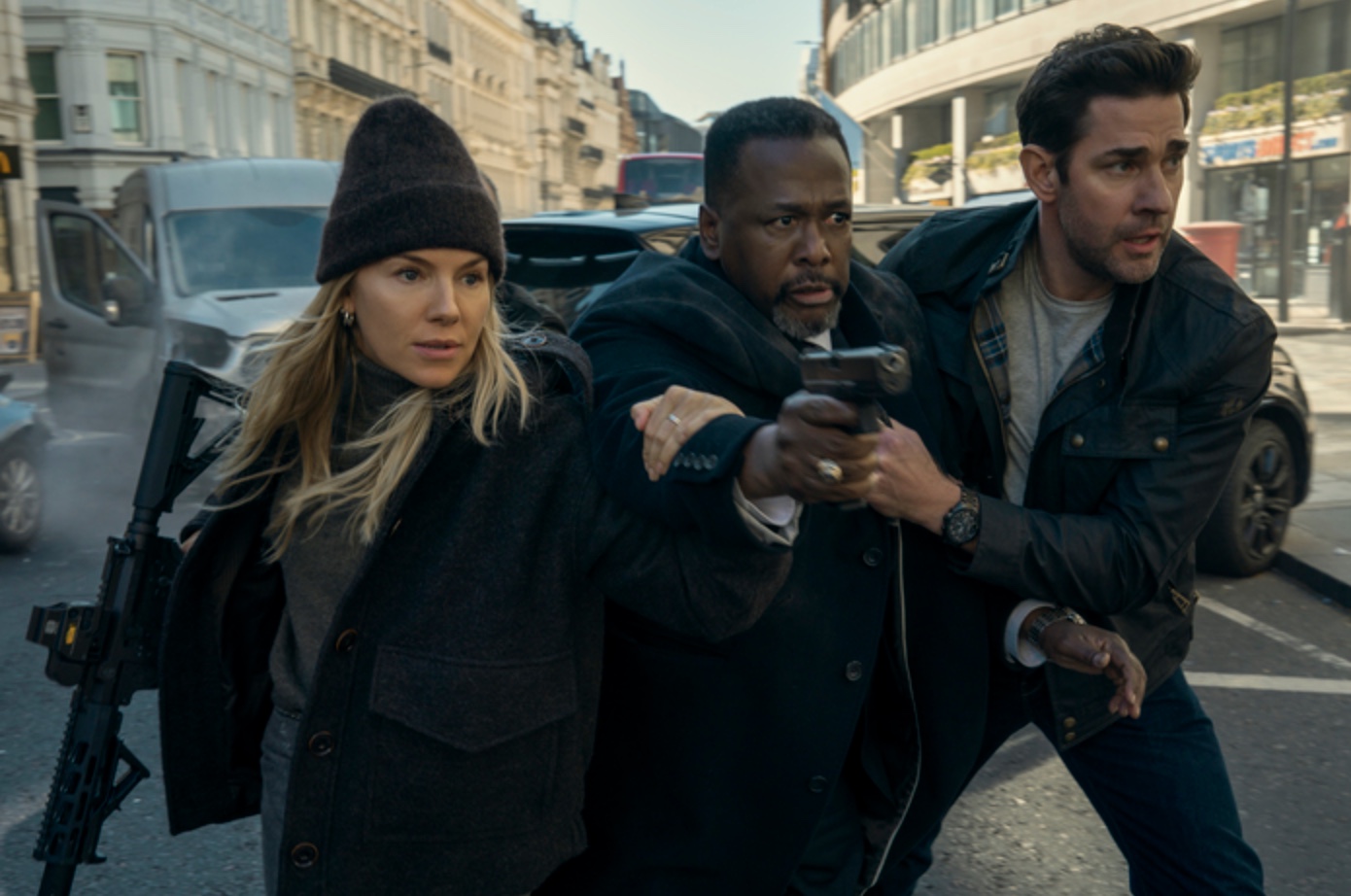
The action choreography stands out as one of Ghost War’s strongest assets, particularly a tense sequence weaving through London’s bustling streets that captures the chaotic energy of real-world urban espionage. Director Andrew Bernstein brings a gritty, handheld intensity to these moments that makes you feel the stakes viscerally, with clever use of practical effects and tight editing that avoids the over-the-top CGI pitfalls plaguing so many contemporary blockbusters. You can almost smell the cordite and hear the sirens blaring as Ryan and his allies improvise their way through ambushes and double-crosses involving a formidable antagonist in Liam Crown, portrayed with chilling conviction by Max Beesley. Crown represents that fascinating archetype of the patriot whose methods have crossed into extremism, a mirror to Ryan’s own internal conflicts that could have fueled richer philosophical debates. Instead, the film opts for thrilling but familiar confrontations that deliver the goods without reinventing the wheel. It’s the cinematic equivalent of a well-built muscle car that handles beautifully on the straightaways but lacks that extra gear for true standout performance in a summer crowded with high-octane competition.
What ultimately holds Ghost War back from greatness is its reluctance to fully commit to the thornier questions it raises about legacy, accountability, and the endless cycle of interventionism. There are seeds here for a story that could rival the intellectual depth of Zero Dark Thirty or the moral complexity of The Bourne Ultimatum, yet they remain somewhat surface-level as the narrative hurtles toward its climax. Krasinski, who also contributed to the writing, clearly cares about portraying Ryan as a thinking operative rather than just another gun-toting hero, and those efforts shine through in key monologues and quiet decisions. However, the pull of formulaic espionage tropes proves too strong, resulting in a movie that feels safe rather than bold. In today’s landscape where streaming giants and theatrical releases battle for attention with increasingly ambitious projects, this one lands as a dependable crowd-pleaser for genre enthusiasts but won’t spark the water-cooler debates or meme-worthy moments that define cultural phenomena. It’s the kind of film you enjoy thoroughly in the moment, perhaps with popcorn in hand and friends debating real-world parallels afterward, yet it fades a bit faster from memory than its most memorable predecessors.
The Bigger Picture: Where Does This Fit in the Clancy Universe?
Stepping back to examine Ghost War within the broader Tom Clancy tapestry reveals both its strengths and limitations in expanding an already rich fictional world. The film smartly builds on established lore from the series while carving out space for new threats that feel timely in our current geopolitical climate. References to past operations and recurring characters create that satisfying connective tissue for longtime fans, evoking the same thrill I get when Marvel or Star Wars drops a clever Easter egg. Yet unlike some franchise extensions that feel obligatory cash-grabs, this one carries a genuine affection for the source material that comes through in thoughtful character work and respectful handling of Clancy’s core themes around duty and doubt. Bernstein’s direction maintains a sleek, professional polish that respects the intelligence-driven roots of these stories while amplifying the visceral action elements that modern audiences demand. It’s a balancing act that mostly succeeds, even if the end result plays more like a solid season finale than a groundbreaking cinematic evolution.
Verdict
Tom Clancy’s Jack Ryan: Ghost War emerges as a competently crafted espionage thriller that honors its television origins while offering enough big-screen spectacle to justify the transition. Krasinski remains a commanding presence in the lead role, supported by a game cast that elevates familiar material through strong chemistry and committed performances. While the film teases deeper explorations of moral ambiguity and historical reckoning, it ultimately prioritizes accessible action and globe-trotting adventure over revolutionary storytelling. For viewers seeking reliable thrills with heart and a touch of intellectual intrigue, this delivers an entertaining ride that scratches the spy genre itch without taking unnecessary risks. It won’t redefine the summer movie season or dominate award conversations, but it earns its place as a worthy addition to the Jack Ryan saga that dedicated fans and action aficionados will appreciate. In a cinematic landscape overflowing with options, Ghost War stands as a safe, satisfying choice that reminds us why these characters endure.