

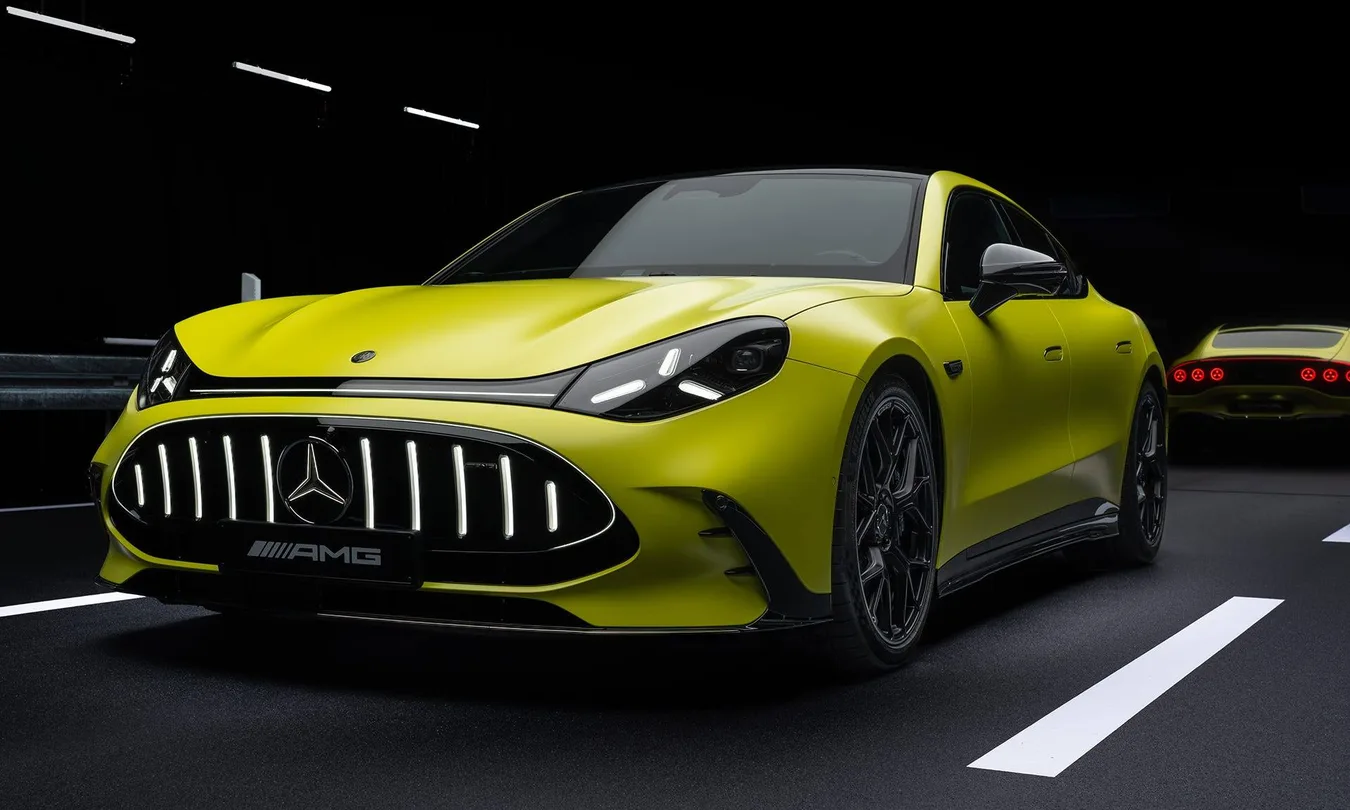
Mercedes-AMG has unveiled its new electric GT 4-Door model, a high-performance EV that pushes the boundaries of acceleration and charging speed while leaning heavily on artificial cues to mimic traditional combustion-engine driving. The top GT 63 variant claims a 0-to-60 mph time of roughly two seconds, placing it among the quickest production four-door vehicles available, with a 0-to-124 mph sprint in 6.4 seconds and an optional top speed of 186 mph.
Power comes from a three-motor setup—one axial-flux unit at the front and two at the rear—delivering up to 860 kW, or about 1,153 horsepower, along with 1,475 lb-ft of torque. These figures reflect the raw capability now common in flagship electric performance cars, where instant torque delivery creates dramatic straight-line speed without the mechanical drama of multi-gear transmissions or engine revs.
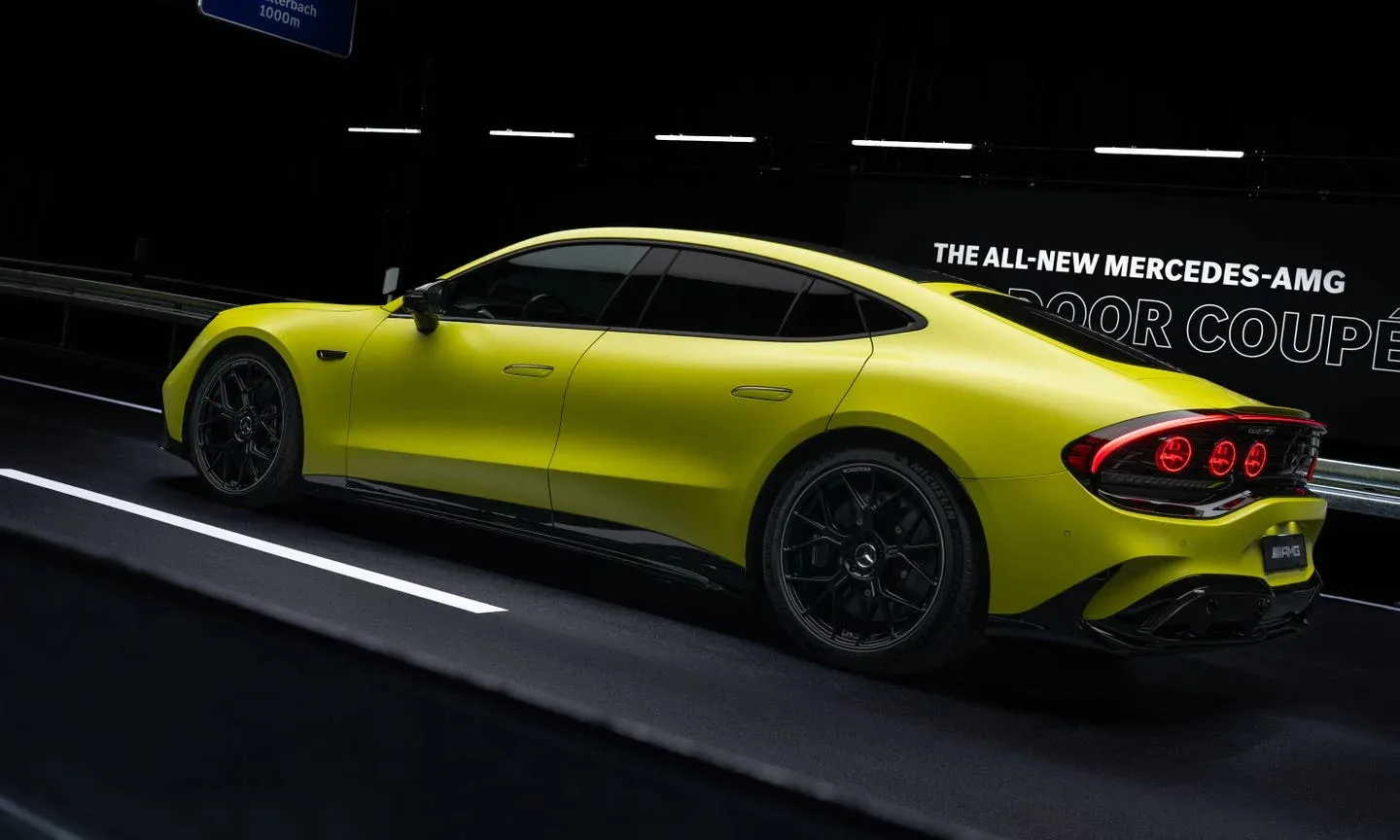
Mercedes has equipped the vehicle with 600 kW fast-charging capability, which the company says can replenish the battery from 10 to 80 percent in as little as 11 minutes under ideal conditions. That could add around 286 miles of range in roughly 10 minutes. Estimated WLTP range sits between 370 and 430 miles depending on configuration, a respectable but not class-leading figure given the car’s size and power. Real-world results will likely vary with driving style, weather, and the availability of sufficiently powerful chargers, which remain far from universal even in developed markets.
One of the more notable features is the car’s attempt to replicate the character of older AMG models. In a dedicated drive mode, the GT EV generates synthetic V8 exhaust sounds, including burbles and pops, along with simulated gear-shift interruptions and cabin vibrations. This approach highlights a broader tension in the EV transition: manufacturers recognize that many enthusiasts value the sensory theater of internal-combustion vehicles, yet the underlying mechanical experience has been replaced by software and speakers. Whether these digital approximations satisfy drivers or feel like nostalgia engineering remains an open question as the industry moves further from traditional powertrains.
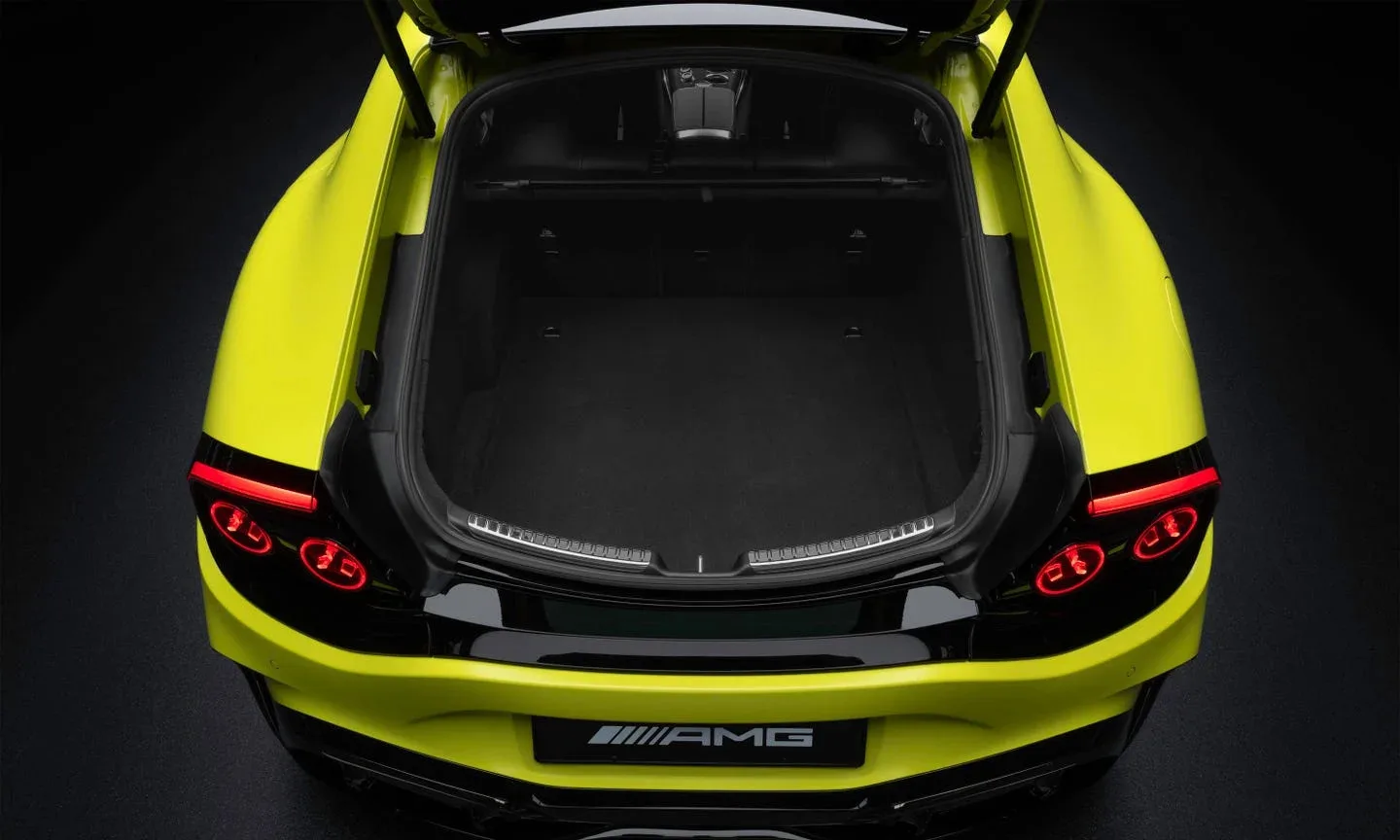
Beyond performance, the car includes active aerodynamics, rear-axle steering, carbon-ceramic brakes, and AMG-tuned drive settings. The interior features a broad digital display layout focused on performance data. Practical touches include about 15 cubic feet of rear cargo space and a modest 1.4-cubic-foot frunk. Two versions are planned: the 805-horsepower GT 55 expected in fall 2026, followed by the more potent GT 63 in early 2027. Official pricing has not been released.
This latest AMG offering arrives at a time when electric performance vehicles are maturing rapidly. Earlier efforts from brands like Tesla, Porsche, and Lucid have already demonstrated that EVs can match or exceed combustion cars in outright speed and refinement. Mercedes’ contribution emphasizes rapid charging and sensory simulation, addressing two frequent criticisms of electric cars—long refill times and diminished emotional engagement. Yet the reliance on artificial noise also underscores how much of the traditional sports car appeal was tied to mechanical hardware that electric architectures simply do not need. As battery technology and charging infrastructure continue to evolve, models like the AMG GT EV will test whether high-end performance buyers are ready to fully embrace a future that sounds and feels engineered rather than organic.
The result is a technically impressive machine that balances blistering capability with practical concessions to driver expectation. Its success may depend less on headline acceleration numbers and more on whether the simulated experience can create lasting connection in an increasingly digital automotive landscape.