

TL;DR: The 2025 14-inch MacBook Pro with the M5 chip is a study in subtlety. Its GPU leap gives creators and gamers real power, while everything else—the design, the battery, the display—feels calm and consistent. Not a revolution, but a confident step forward in Apple’s pursuit of quiet excellence.
M5 MacBook Pro
The 2025 MacBook Pro with the M5 chip doesn’t arrive with fanfare. No keynote, no cinematic trailer, no Jony Ive whispering about aluminum. Just a quiet press release and a familiar machine that feels, at first glance, like last year’s model. And yet, the moment you open the lid, something’s different. It’s faster—not in the “blink and you’ll miss it” way Apple sometimes advertises, but in a way that feels tangible, almost audible. There’s a hum of possibility here, especially for the people who push their devices to the edge of creative performance.
This is the MacBook Pro that finally understands that power isn’t just about speed. It’s about flow.

Subtle Form, Serious Function
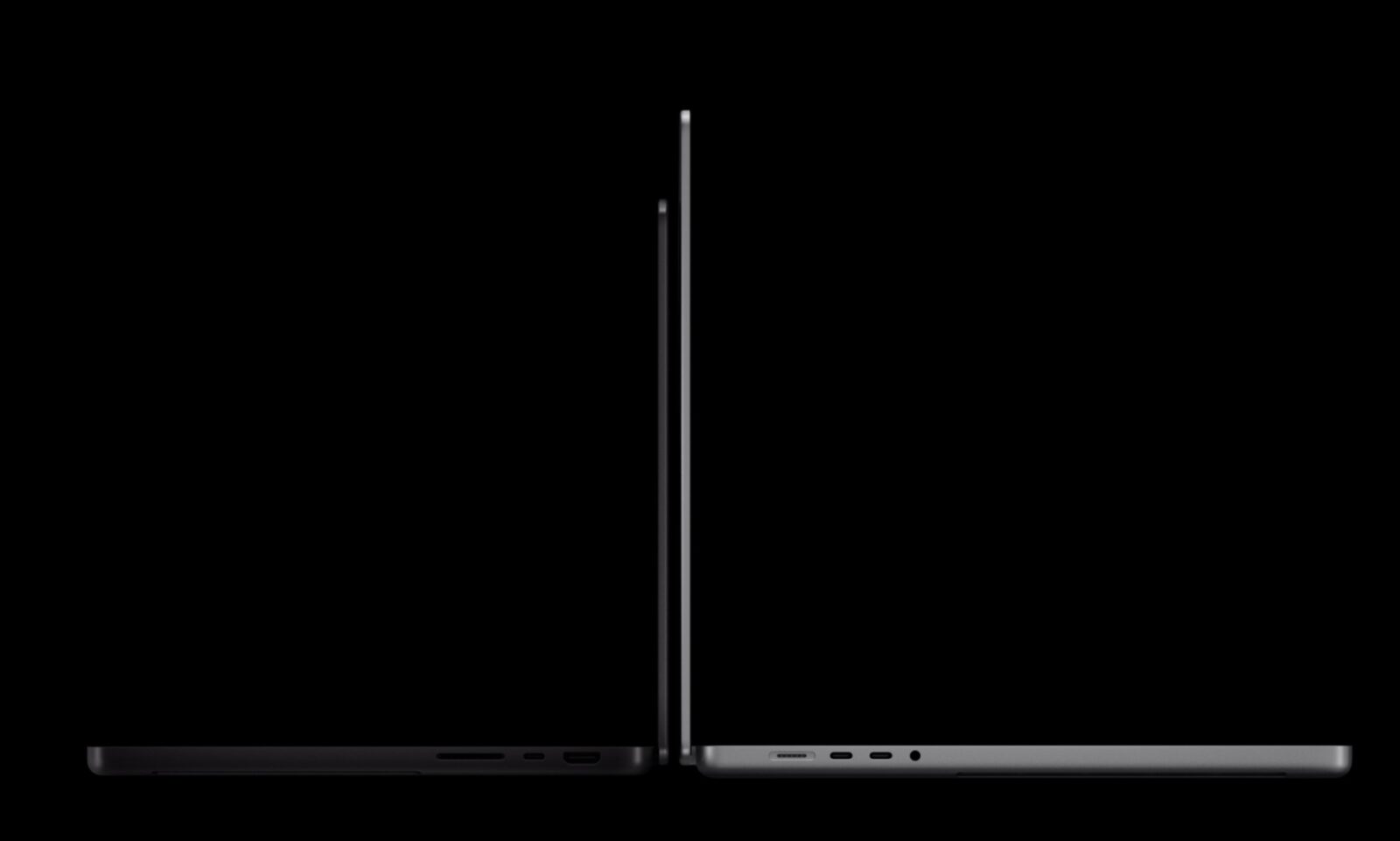
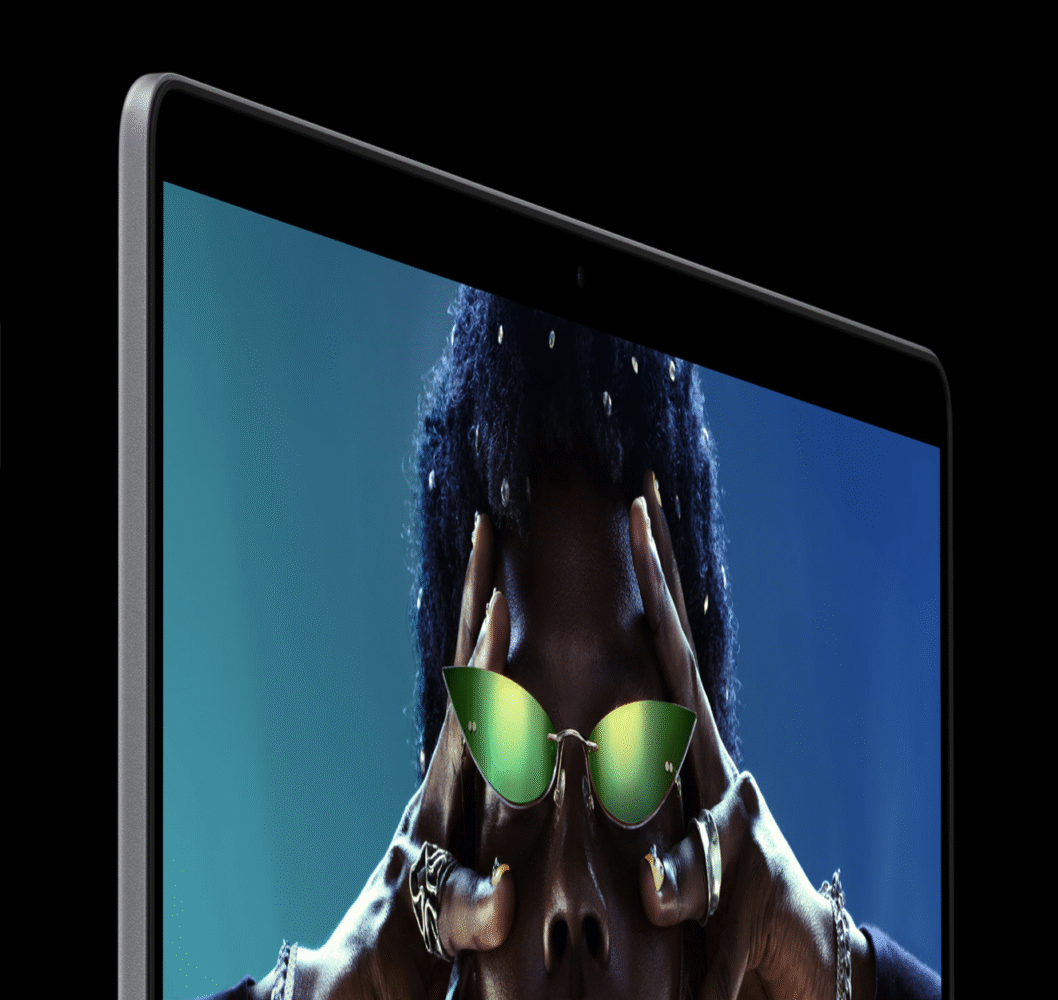
Apple has kept the physical design of the 14-inch MacBook Pro mostly untouched, which makes sense. The current chassis is already a masterclass in balance: light enough to carry everywhere, dense enough to feel serious. The aluminum body remains cool and composed under pressure, and the Liquid Retina XDR display is as vivid as ever, with a brightness and clarity that still feels luxurious. There’s no OLED panel yet, but it hardly matters—what’s here is already industry-leading.
The ports, the keyboard, the trackpad—they’re all familiar, but they still define what a professional laptop should feel like. The MagSafe connector clicks with that satisfying magnetism; the keyboard has just enough depth to feel deliberate, not mushy. It’s not a redesign, but it’s a reminder that Apple’s industrial design still operates on a level of restraint few others can match.
And then there’s the M5 chip, the quiet star of the show.
The M5 Chip: Power That Finds Its Rhythm
Apple’s M-series journey has always been about control—taking back the narrative from Intel, from thermal limits, from the constraints of conventional laptop engineering. With the M5, that story matures. It’s not a revolution; it’s a refinement that finally lets the MacBook Pro’s hardware breathe.
The 10-core CPU and 10-core GPU inside the M5 feel like more than just upgraded specs. They’re a recalibration of how the Mac handles creative energy. Everything from rendering timelines in Final Cut Pro to scrubbing through massive photo libraries in Lightroom feels smoother. It’s not just faster—it’s steadier. The M5 doesn’t sprint; it glides.
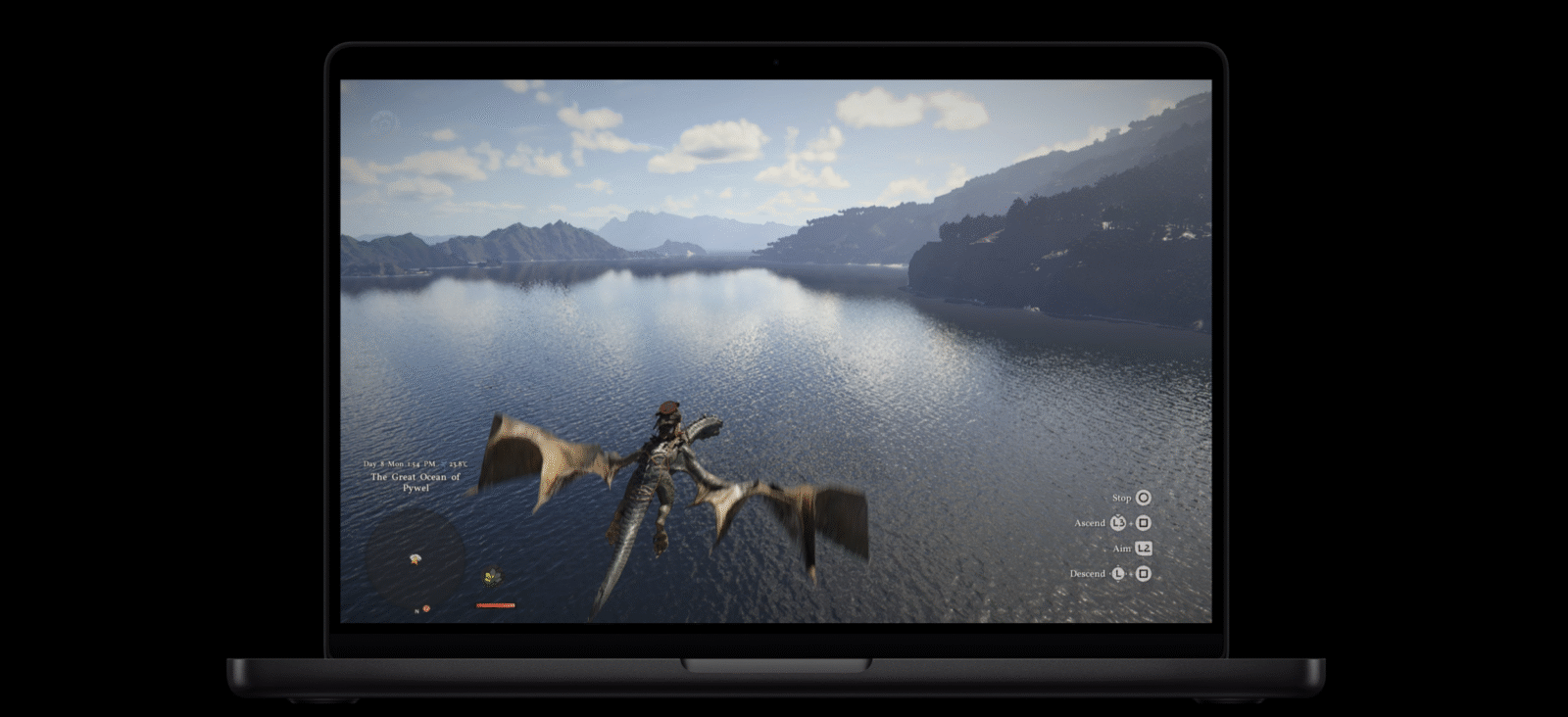
That’s most obvious in graphics-heavy tasks. The 60 percent GPU performance bump over the M4 is no marketing exaggeration—it’s the difference between a machine that can handle visual work and one that welcomes it. Games like Lies of P now run above 120 frames per second at 1080p, something almost unimaginable on a MacBook a few years ago. And for designers and 3D artists, that same GPU muscle translates into shorter render times and less compromise.
Apple still isn’t trying to sell the MacBook Pro as a gaming machine, but for the first time, it genuinely feels like one could. The M5’s graphical leap isn’t just about entertainment—it’s about giving creators a playground where hardware no longer sets the limit.
The Everyday Experience: Quiet Confidence
In daily use, the M5 MacBook Pro feels like the culmination of everything Apple’s been refining since it went all-in on silicon. There’s no lag, no stutter, no hesitation. Apps snap open; multitasking feels natural; exporting a video doesn’t trigger the fan panic of old Intel models. You can hear the faintest whisper of cooling now and then—a gentle reassurance that the system’s awake—but never the roar of struggle.
Battery life remains stellar, hovering around 30 to 35 hours depending on use. That’s two full workdays of writing, editing, and video playback without thinking about power. You could fly halfway around the world and still have juice for a movie. And despite that endurance, the machine rarely gets warm enough to notice. It’s the same efficiency Apple’s M-chips are known for, only now it feels effortless.
That effortlessness extends to the way the laptop moves through tasks. Open a dozen browser tabs, juggle Slack, Photoshop, and a few logic tracks—nothing falters. Even running benchmarks, the MacBook Pro M5 stays composed, as though it’s quietly aware of its own competence. There’s a confidence here that goes beyond numbers.
A Mac That Plays
One of the most unexpected evolutions of the M5 MacBook Pro is how capable it is as a gaming device. Apple has long been the outsider in this arena, but the new GPU feels like a bridge. Lies of P running at 120 fps on a MacBook is more than a technical milestone—it’s symbolic. It’s Apple saying, without saying, that the Mac no longer needs to apologize for being different.
This performance jump also benefits creators in ways that go beyond frame rates. 3D modeling, VFX work, and real-time editing now feel genuinely desktop-class. You can animate, render, and preview complex projects without watching a progress bar crawl. For anyone who’s ever worked on a tight deadline, that’s liberation.
It’s also a subtle reminder that Apple’s chip design philosophy—unifying CPU, GPU, and Neural Engine—wasn’t just about efficiency. It was about cohesion. Every part of the M5 seems to anticipate the other’s needs, keeping performance smooth even under heavy strain. It’s the first time a portable Mac has felt like it doesn’t compromise between creativity and mobility.
Familiar Strengths, Polished Edges
Beyond the M5 chip, the rest of the MacBook Pro remains reassuringly consistent. The keyboard continues to be one of the best on any laptop. The trackpad, enormous and precise, still sets the standard. The speakers fill a room with sound that feels impossible for a 14-inch body. And the port selection—three Thunderbolt 4 ports, HDMI, SD card reader, MagSafe—remains generous by Apple standards.
There’s still no OLED screen option, which will disappoint some, but the current XDR display remains among the best in its class. Its brightness, color accuracy, and contrast ratio make it as much a tool as a pleasure. Editing HDR video or color grading on it feels natural. It’s not perfect, but it’s reliable—and that reliability is what defines the M5 generation.
The M5 MacBook Pro isn’t chasing novelty. It’s perfecting rhythm. Every piece of the experience feels in sync, from the way apps launch to how power drains, from the smooth scrolling to the instant wake from sleep. It’s technology that gets out of your way.
The Meaning of Refinement
If there’s a theme to this MacBook Pro, it’s restraint. Apple didn’t need to redesign the laptop or overhaul its OS to make it feel new. The M5 chip does the work invisibly, transforming the machine from the inside out. It’s the kind of progress that doesn’t demand recognition—it earns it.
This isn’t a revolution for the sake of one. It’s a quiet evolution that reminds you how good a tool can feel when every part of it is working together. For creators, developers, and anyone who values performance without noise, this 14-inch MacBook Pro feels like the most mature version of Apple’s professional vision yet.
The M5 doesn’t change what the MacBook Pro is—it perfects what it’s for.