
TL;DR: Hokum is a near-perfect slow-burn horror triumph anchored by Adam Scott’s career-best performance, blending genuine scares with deep emotional resonance about grief and guilt. Atmospheric Irish folk horror at its finest.
Hokum
I walked into Hokum expecting another atmospheric horror flick that might fizzle out after a strong opening twenty minutes. What I got instead was a masterclass in slow-burn dread that wrapped its icy fingers around my chest and refused to let go until the credits rolled. This isn’t the kind of movie that leaps out with jump scares every five minutes or drowns you in practical gore effects. No, Hokum plays the long game, the kind that lingers in your mind like that half-remembered nightmare you can’t quite shake the next morning.
Set against the misty, fog-shrouded hills of rural Ireland, the story follows Ohm Bauman, a blocked writer dragging around enough childhood baggage to fill a whole lost luggage carousel. Adam Scott steps into the role like he was born for it, turning what could have been an unlikeable grump into someone you reluctantly root for. The Bilberry Woods Hotel isn’t your typical haunted house with creaky floorboards and obvious ghosts. It’s something quieter, more insidious, like the building itself is whispering secrets you wish you never heard.
From the opening frames, director Damian McCarthy establishes a tone that’s equal parts folk horror and psychological thriller. Think The Witch meets The Shining, but filtered through a distinctly Irish lens of melancholy and black humor. The remote location isn’t just backdrop. It’s a character that breathes, watches, and waits. Every long corridor shot and rain-lashed window feels loaded with implication. You can practically smell the peat fire and damp wool.
Adam Scott Delivers the Performance of His Career
Let’s talk about Scott for a second, because holy Banquo’s ghost, this man is operating on another level here. We’ve seen him nail deadpan comedy on shows like Parks and Rec and Severance, but Hokum lets him stretch into territory that’s raw, vulnerable, and downright terrifying in its honesty. His Ohm starts off as the kind of guy who’d mansplain your own trauma back to you over coffee. Prickly, sarcastic, carrying that writer’s block like a shield.
Yet Scott never lets the character become a cliché. There’s this quiet humanity flickering underneath the snark. You see it in the way his shoulders slump when he thinks no one’s looking, or the micro-expressions that betray decades of unresolved guilt. It’s the kind of performance that makes you forget you’re watching a horror movie and start caring about this flawed man’s soul.
The supporting cast holds their own too. Peter Coonan brings a grounded, almost fatherly presence that contrasts beautifully with the growing supernatural weirdness. Florence Ordesh and David Wilmore round out the hotel staff and guests with performances that feel lived-in, never cartoonish. These aren’t stock horror archetypes waiting to be picked off. They’re people with their own pains, which makes the horror hit harder when it arrives.
How Hokum Reinvents Old-School Horror Without Breaking the Rules
What I love most about Hokum is how it respects horror tradition while still feeling fresh in 2026. McCarthy isn’t out here trying to reinvent the wheel with wild genre hybrids or meta commentary. Instead, he’s polishing that wheel until it gleams like new, then rolling it straight over your expectations.
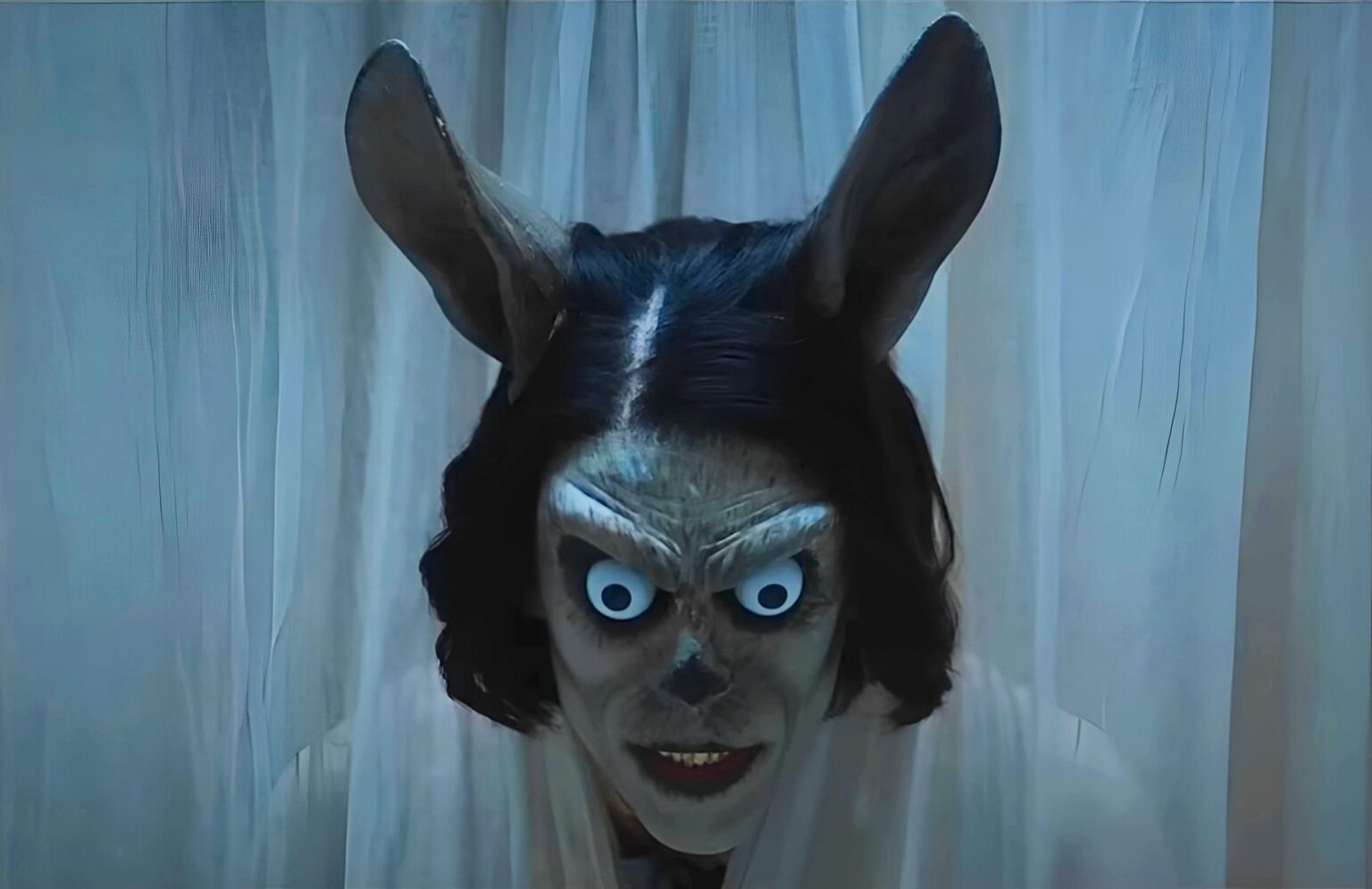
The scares build like a pressure cooker left on the stove too long. There’s no reliance on cheap jump scares, though when they do land, they hit with surgical precision. One sequence involving a seemingly empty hallway had me physically leaning away from my screen, heart hammering like I’d mainlined espresso. The witch lore woven throughout feels ancient and lived-in, drawing from real Irish folklore without ever feeling like a Wikipedia dump.
McCarthy’s previous work clearly taught him the value of restraint. He lets silence do the heavy lifting. Those long, lingering shots where nothing obvious happens? They’re where the real terror brews. The sound design deserves its own Oscar nod. Every creak, distant whisper, and unnatural quiet amplifies the unease until you’re questioning whether that shadow in the corner is just your imagination.
But here’s the thing that elevates Hokum beyond most modern horror. It has a beating heart underneath the chills. The story digs deep into grief, the weight of guilt, and how trauma doesn’t just haunt you. It reshapes how you see the world. It’s never preachy or heavy-handed. These themes emerge organically through Ohm’s journey, making the supernatural elements feel like natural extensions of psychological pain rather than random spooky stuff.
The Emotional Core That Makes Non-Horror Fans Convert
I showed Hokum to a friend who usually avoids horror like it’s expired milk. She came out of the theater talking about it for days. That’s the magic here. McCarthy crafted something genre fans will devour but that doesn’t alienate everyone else. The emotional stakes feel real. The grief isn’t window dressing. It’s the engine driving every terrifying moment.
There are genuine laughs too, mostly from Scott’s biting one-liners delivered at the worst possible moments. That balance of dread, dark humor, and heartfelt moments reminds me of why I fell in love with horror in the first place. It’s not just about being scared. It’s about feeling something profound while your fight-or-flight response goes haywire.
The mythology builds cleverly throughout, with twists that feel earned rather than shocking for shock’s sake. Without spoiling anything, the way the film plays with perception and reality had me rewatching certain scenes in my head on the drive home. It’s smart horror that respects your intelligence while still delivering the goods.
Minor Stumbles in an Otherwise Masterful Haunting
Look, no movie is perfect, even one as confidently made as this. Hokum doesn’t break new ground in the way some recent releases have. If you’re craving something that completely upends horror conventions, you might find its ambitions more refined than revolutionary. The pacing, while deliberate, could test some viewers’ patience in the middle act.
Yet these feel like minor quibbles when the overall package lands so strongly. McCarthy knows exactly what kind of movie he’s making and executes it with precision. The 101-minute runtime flies by, leaving you wanting just a little more time in that unsettling hotel.
The practical effects and cinematography deserve special praise too. There’s a tactile quality to the horror here that CGI-heavy blockbusters often lack. You feel the dampness, the isolation, the weight of history pressing down on these characters. It’s the kind of craft that reminds you why we still need theatrical experiences.
Why Hokum Feels Like Essential Viewing in 2026
In a year packed with big-budget spectacles and franchise fatigue, Hokum stands out as a reminder of horror’s power as intimate storytelling. It doesn’t need massive set pieces or A-list cameos to terrify. It just needs strong writing, committed performances, and a director who understands tension like a maestro understands silence between notes.
Adam Scott’s turn here should spark awards chatter, even in the horror space where such recognition often gets overlooked. McCarthy continues proving himself as one of the most exciting voices in genre filmmaking. This feels like the moment he steps into the big leagues while keeping that independent spirit intact.
If you’re a fan of thoughtful horror that gets under your skin and stays there, Hokum is essential viewing. It delivers the creeps, the catharsis, and enough lingering questions to fuel late-night discussions with fellow geeks. Just don’t watch it alone in a remote hotel. Trust me on that one.