
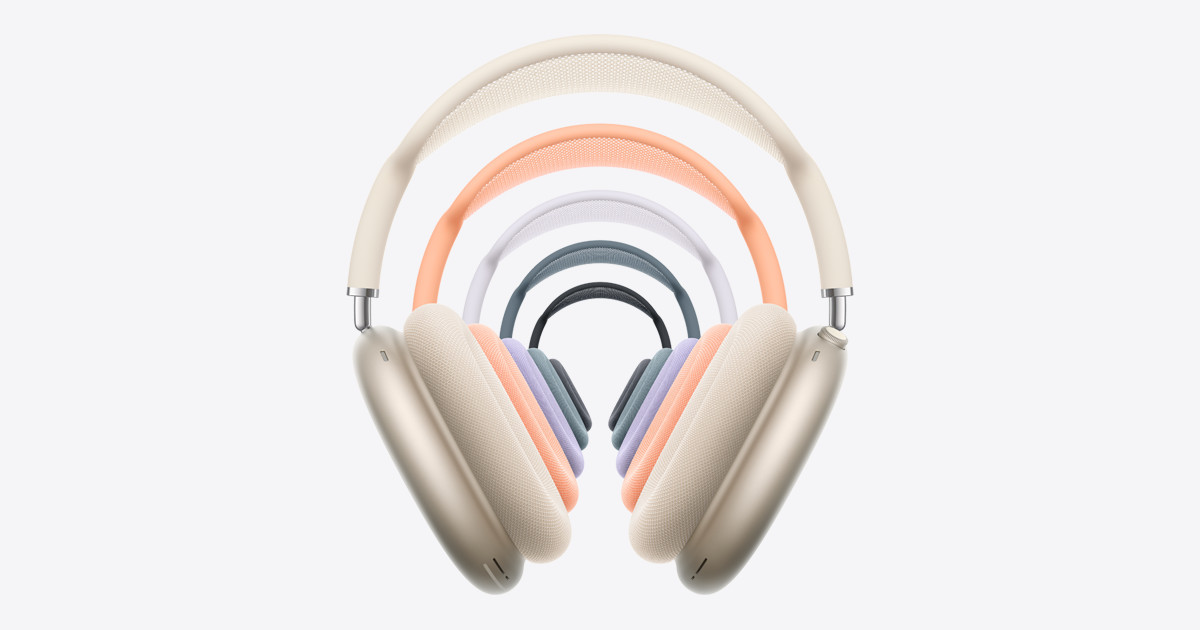
Apple has released a new firmware update for the AirPods Max 2, version 8E258, following the 8E251 build that arrived shortly before the headphones launched. As is typical with these incremental releases, Apple has shared almost no details on what the update actually changes. The company’s support documentation usually points to general bug fixes and performance tweaks rather than specific new capabilities.
The AirPods Max 2, equipped with Apple’s H2 chip—an upgrade from the original H1—already include features such as adaptive audio, loud sound reduction, voice isolation, and live translation. These additions positioned the over-ear headphones as a more capable successor when they debuted, though they retained much of the same industrial design and premium pricing that defined the first generation. Firmware updates like this one often serve to polish existing functionality, iron out connectivity quirks, or address minor issues that surface after broader real-world use. Without transparent release notes, though, it’s difficult for users to know whether the update resolves a pressing problem or simply maintains baseline stability.
To install the firmware, users must keep their AirPods Max 2 connected via Bluetooth to an iPhone, iPad, or Mac while the device is on Wi-Fi. The headphones then need to be plugged into power using a USB-C cable and left in range for at least 30 minutes. Once complete, reconnecting and checking the version in the Bluetooth settings confirms the update. Apple recommends restarting the headphones and retrying if the process fails, a familiar troubleshooting step that underscores how finicky wireless updates can still feel even in 2026.
This pattern of opaque, automatic firmware deliveries has become standard across Apple’s audio lineup. It keeps the experience simple for most users but leaves enthusiasts and those troubleshooting issues without clear insight. Earlier AirPods generations saw similar silent updates that occasionally introduced meaningful audio improvements or fixed battery drain, yet the lack of communication continues to frustrate users who want to understand exactly what changed on their high-end hardware.
The AirPods Max 2 arrived at a time when the premium headphone market feels increasingly crowded. Competitors have narrowed the gap on active noise cancellation and spatial audio, while offering longer battery life or more customizable sound profiles at lower prices. Apple’s approach—relying on ecosystem integration and periodic firmware refinements—has sustained loyalty among existing users, but it also means the headphones evolve in small, sometimes invisible steps rather than dramatic leaps. For owners who invested in the Max 2 expecting flagship-level longevity, these updates represent necessary maintenance rather than exciting additions.
In the end, the 8E258 firmware is a routine step in keeping the product current. It reflects Apple’s preference for quiet iteration over public roadmaps, a strategy that works well within its closed ecosystem but can test the patience of those seeking transparency. Users should apply the update during normal charging routines and monitor for any subtle shifts in performance over the coming days.