
TL;DR: Richard Gadd delivers another raw, devastating masterpiece about male trauma, toxic brotherhood, and the long shadow of violence. Brutal, brilliant, and absolutely necessary. Watch it, then call your friends.
Half Man
I hit pause on the closing credits of Half Man and just sat there in the dark, screen glow fading, feeling like the show had reached through the glass and slapped me across the face. Richard Gadd is at it again, turning personal demons into television that hits harder than a late-night therapy session you never signed up for. After the whirlwind of Baby Reindeer, he’s crafted something even more intimate, more vicious, and strangely more hopeful in its unflinching honesty. This isn’t polished prestige drama. This is raw, sweaty, barn-fight television that drags every messy corner of male pain into the light and dares you to look away.
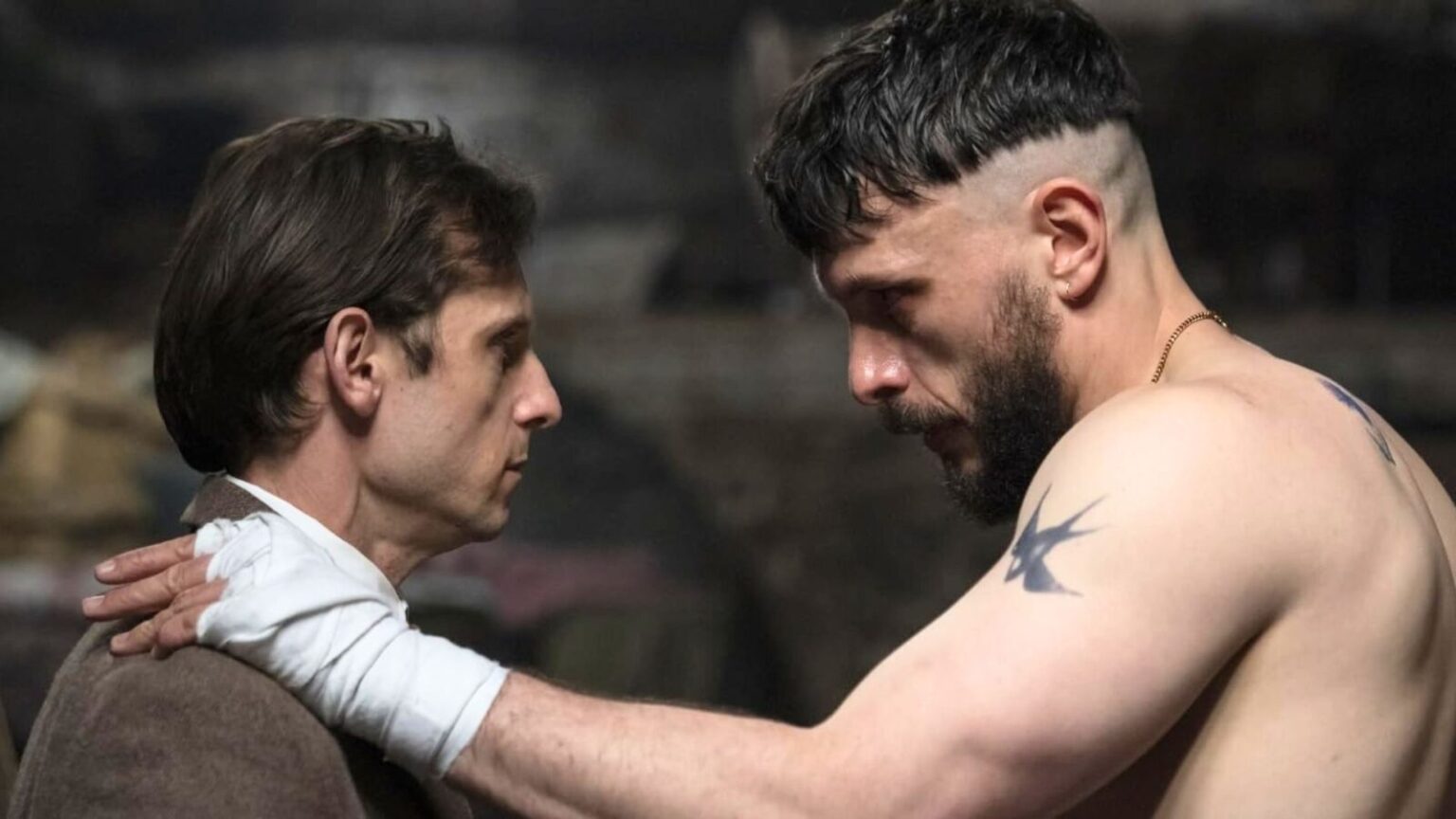
Half Man wastes zero time getting brutal. It opens on two men circling each other in a shadowy barn, one dressed for a Scottish wedding, the other stripped down like he’s ready for war. You feel the decades of history crackling between them before a single blow lands. Then the story snaps backward, weaving their shared past into a tapestry of damage, desire, and destruction that unfolds with relentless power. It’s the kind of structure that keeps you hooked, like watching a slow-motion collision you know is coming but can’t stop.
Young Niall enters as this gentle, bookish kid getting absolutely shredded by school bullies. The kind of relentless torment that makes your stomach twist in recognition. Then Ruben arrives like a storm front—fresh from serious trouble, all feral energy and dangerous charisma. He claims space in Niall’s room, in his life, in his head, and suddenly the younger boy has a protector who might just be the biggest threat of all. Their bond kicks off with that loaded phrase “brother from another lover,” which starts playful and slowly morphs into something far darker and more binding.
The early moments between them crackle with electric tension. Ruben steps in against the bullies in ways that feel both heroic and terrifying. He guides Niall through intimate first experiences laced with coercion, tenderness, power, and quiet hate. The young actors playing these roles are phenomenal. They don’t just perform the scenes—they inhabit them with a raw authenticity that stays with you long after the credits roll. You see the exact moment gratitude twists into fear, and it’s devastating.
As the story moves forward, Jamie Bell steps in as adult Niall and delivers one of the most quietly powerful performances I’ve seen in years. He carries the weight of years of erosion in every hesitant movement, every forced smile. You watch him try to reach for something real, connect with someone who offers genuine warmth, only to freeze under the long shadow of his past. Bell plays that internal war with such restraint it hurts. No grand monologues. Just a man slowly disappearing inside himself.
Richard Gadd as the adult version of Ruben is pure magnetic chaos. He’s sharp edges wrapped in animal instinct, the kind of presence that explains why people keep getting pulled back in even as everything burns. Their confrontations land like emotional haymakers. You feel every year of tangled history in the silences, the glances, the way words cut deeper than fists ever could.
Half Man refuses to serve up cartoon villains or easy redemption arcs, and that’s what makes it sting so beautifully. Ruben isn’t a monster from nowhere. He’s shaped by a world that breaks vulnerable kids and leaves them dangerous. But the drama never excuses him either. It keeps circling the hardest questions: when does survival turn into predation? At what point do you stop being the hurt one and start becoming the one who hurts? How do men learn to break the chains they keep passing to each other?
This is the television that makes you want to blow up every guy-group chat at odd hours with “we need to actually talk.” It digs into how affection gets tangled with violence when that’s the only language you were taught. How protection morphs into possession. How silence becomes its own prison cell. The supporting performances add real texture, especially the women trying to hold fragile families together while missing the earthquakes happening right in front of them. Some might wish for deeper exploration there, but the central storm between these two men is so all-consuming it dominates everything around it.
The craft on display here is next-level stuff. Cinematography that turns sweat, bruises, and dim light into something almost poetic. Sound design that makes every breath feel weighted with history. Gadd’s writing swings between street-level rawness and bursts of startling lyricism without ever losing its teeth. It’s dense, demanding, and the kind of work that rewards you for paying close attention.
That barn confrontation when everything collides? Pure payoff. Earned. Devastating. The kind of sequence that leaves you exhaling a breath you didn’t realize you’d been holding since the first scene. No cheap shocks—just the natural, painful conclusion of everything that came before.
Half Man isn’t easy viewing. It’s not background noise for a relaxed evening. This is the show that grabs you by the collar and forces eye contact with the parts of masculinity we usually laugh off or bury. The casual cruelties handed down like unwanted family heirlooms. The way vulnerability gets punished until aggression becomes the only safe mask. The long, ugly shadow childhood leaves on adult relationships.
And yet, buried in all that darkness, there’s this stubborn little spark of hope. Maybe we can interrupt the cycle. Maybe naming the damage out loud is the first step toward something better. Maybe the next generation of boys doesn’t have to inherit the same broken blueprint.
Richard Gadd has once again pulled his own insides out and turned them into art that feels urgent and necessary. He doesn’t just tell stories—he performs emotional surgery on the audience. Half Man stands as brave, blazing television that every guy should sit with. Not for fun. For survival. For understanding. For the chance to do better.
The way it captures that specific male experience—of loyalty twisted into chains, of love wearing the face of control—feels painfully accurate. I kept pausing to text friends random thoughts because certain scenes hit too close to half-remembered school dynamics or adult friendships that went sideways. It’s the rare drama that doesn’t lecture but instead invites you into the mess and leaves you changed.
Visually, the show uses its limited settings to maximum effect. Bedrooms become battlegrounds. Kitchens hold quiet standoffs. That barn feels like the final arena where every unresolved thread comes screaming together. The performances elevate everything. Bell and Gadd play off each other like they’ve been carrying this history for decades, not just in character but in the real weight they bring to the screen.
I found myself thinking about other stories that tried to tackle similar ground—films and shows about fractured male bonds—but none land with this same surgical precision. Half Man doesn’t romanticize the pain or wallow in it. It examines it under harsh light, scalpel in hand, and asks you to decide what you’re going to do with what you see.
By the time it ends, you’re left with this strange mix of exhaustion and clarity. Exhausted from the emotional marathon. Clearer about things you maybe never wanted to examine. That’s powerful storytelling. The kind that lingers in your chest days later.