
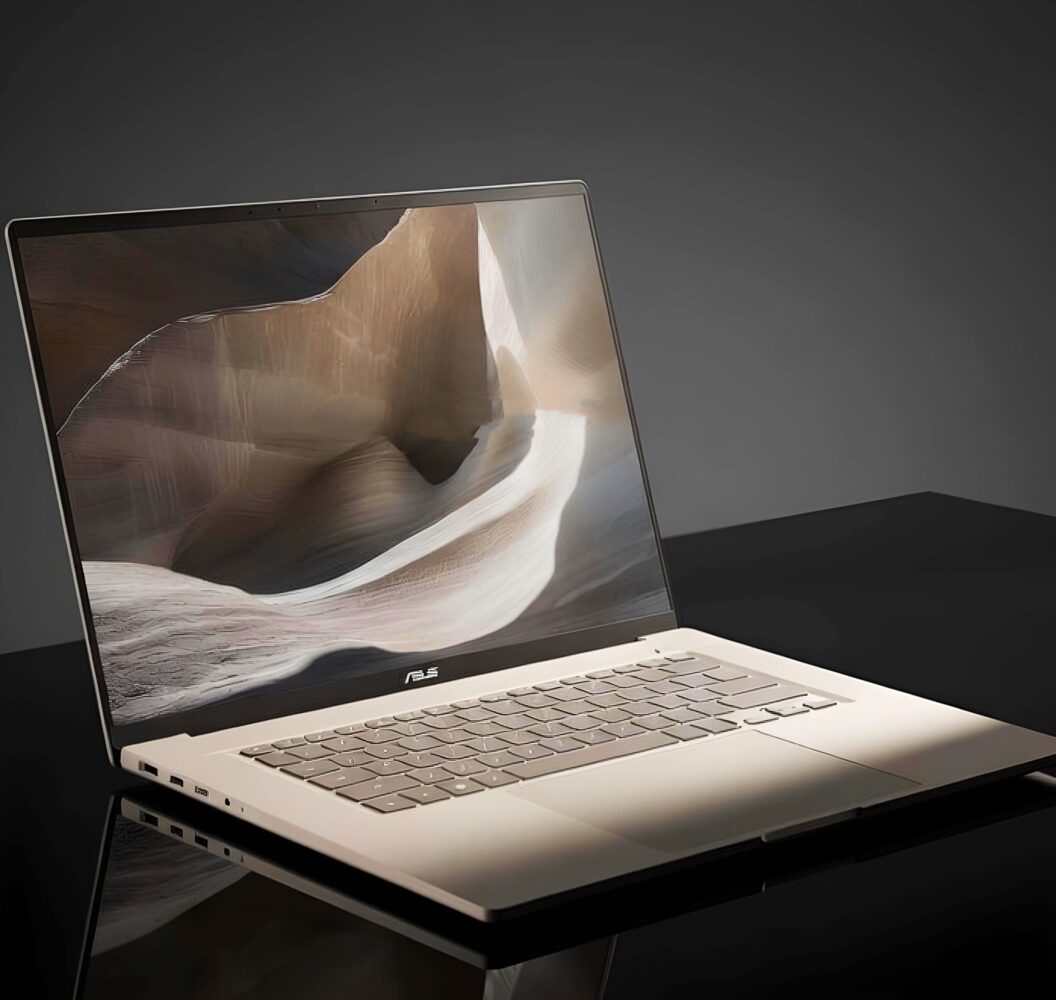
TL;DR: The 2026 Zenbook A16 with Snapdragon X2 Elite Extreme delivers desktop-crushing power, all-day battery life, stunning visuals, and premium build quality in a 1.2kg chassis that feels like future tech today. It redefines what a portable Windows creator and gaming machine can be.
2026 Zenbook A16
The moment I lifted the 2026 Zenbook A16 out of its box, I knew something special had arrived. This sleek machine settled into my hands with an almost impossible sense of weightlessness, like premium engineering had finally figured out how to cheat physics. After years of dragging around chunky laptops that swore they could do everything but left me with neck strain and permanent charger separation anxiety, this one felt instantly different. A genuine 16-inch powerhouse that made me believe, for the first time, I wouldn’t regret abandoning my desk for the day.
Over the past week I have put it through every scenario I could dream up. Early morning writing sessions with Copilot+ humming in the background. Intense video editing for this review, marathons while on the move across the city. Even some sneaky gaming sessions when I should have been sleeping. What emerged is a laptop that feels like ASUS finally solved the eternal riddle of portable computing. It delivers flagship-level performance without turning into a space heater or a brick in your bag.
This is not just another incremental update. The 2026 Zenbook A16 represents a genuine leap forward in how we think about Windows machines that are meant to travel with us everywhere. I found myself grinning like an idiot multiple times because tasks that used to make my old rig sweat bullets now happen with effortless grace. Let me take you through exactly why this machine has earned a permanent spot in my daily carry.
The Snapdragon X2 Elite Extreme: Where Raw Power Meets Efficiency Sorcery
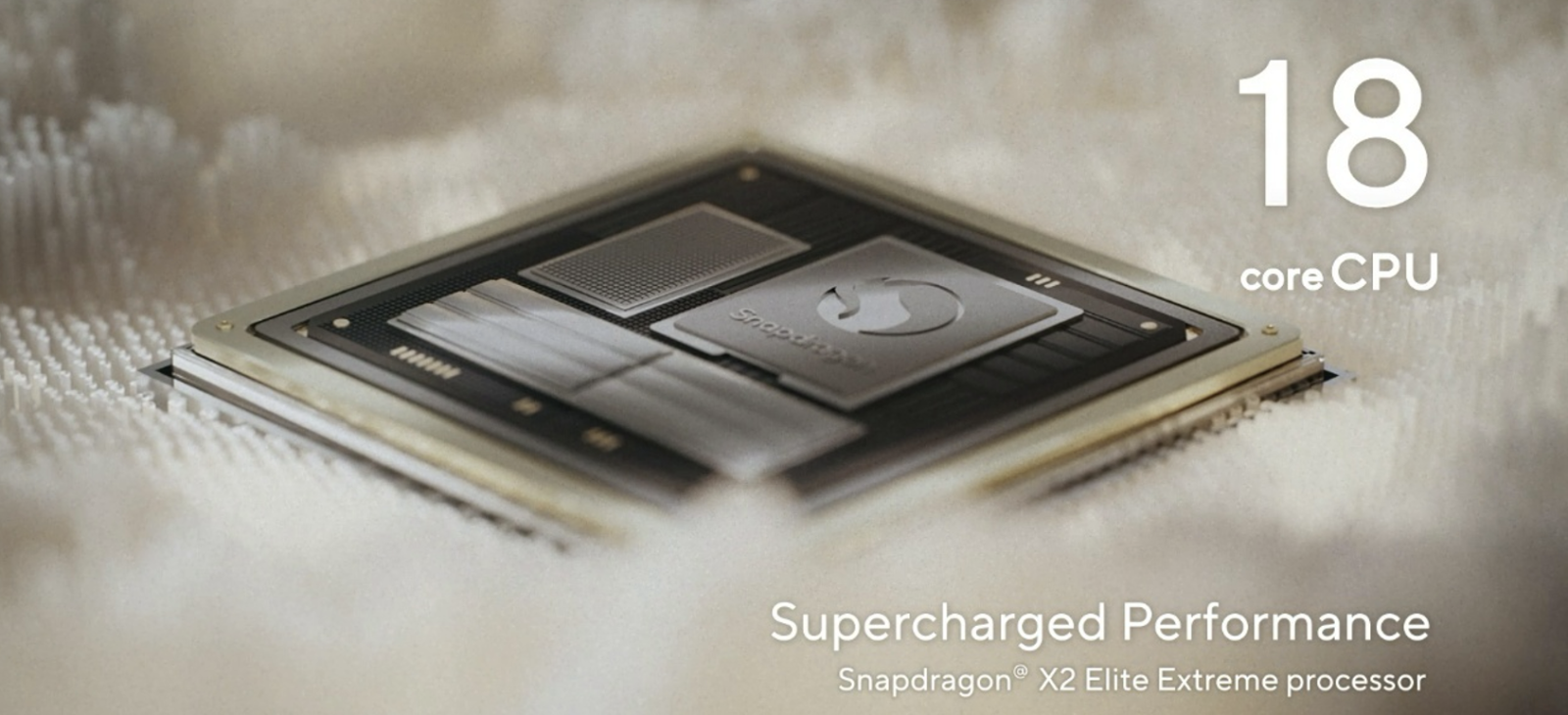
The heart of this beast is the Snapdragon X2 Elite Extreme processor, and I cannot stop geeking out over what Qualcomm has achieved here. With up to 18 cores arranged in that clever prime and performance mix, it tears through workloads that would have brought older laptops to their knees. I ran multi-threaded renders in Blender while simultaneously exporting 4K timelines in Premiere, and the system barely raised an eyebrow.
I pushed it hard with real benchmarks and the numbers tell an epic story. In 7-Zip it scored a total rating of 139.471 with compressing at 144.721 and decompressing at 134.221. CPU-Z delivered 941.1 in single thread and a massive 13,488.1 in multi thread. Blender samples per minute hit 232 on the Monster scene, 142 on Junkshop, and 104 on Classroom. Cinebench 2024 gave it 151 single core and 1,661 multi core while the 2026 version pushed 631 single thread and 6,818 multi thread.
Those numbers are not just impressive on paper. They translate into the kind of real-world snappiness that makes heavy multitasking feel like nothing. I threw a massive 8K video export at it alongside AI upscaling and a few background Chrome tabs with a dozen extensions each. The Zenbook A16 handled everything with this calm authority that made my previous Intel machine feel like it was constantly gasping for breath.
The 3nm process node combined with that massive 228 GB/s memory bandwidth creates this incredible sense of headroom. Everything feels instantaneous. Scrubbing through complex timelines, applying AI effects across dozens of layers, or juggling virtual machines, it all flows without the usual stutters I have come to expect from thin laptops.
What really impressed me during long workdays was how the CPU maintains its performance even when unplugged. I ran repeated Cinebench loops on battery power and watched the scores stay almost identical to plugged-in results. That kind of consistency used to be reserved for much thicker machines with massive cooling systems. Here it happens inside a chassis thinner than most tablets I owned back in the day. The efficiency cores sip power during light tasks while the prime cores wake up like they mean business when things get serious.
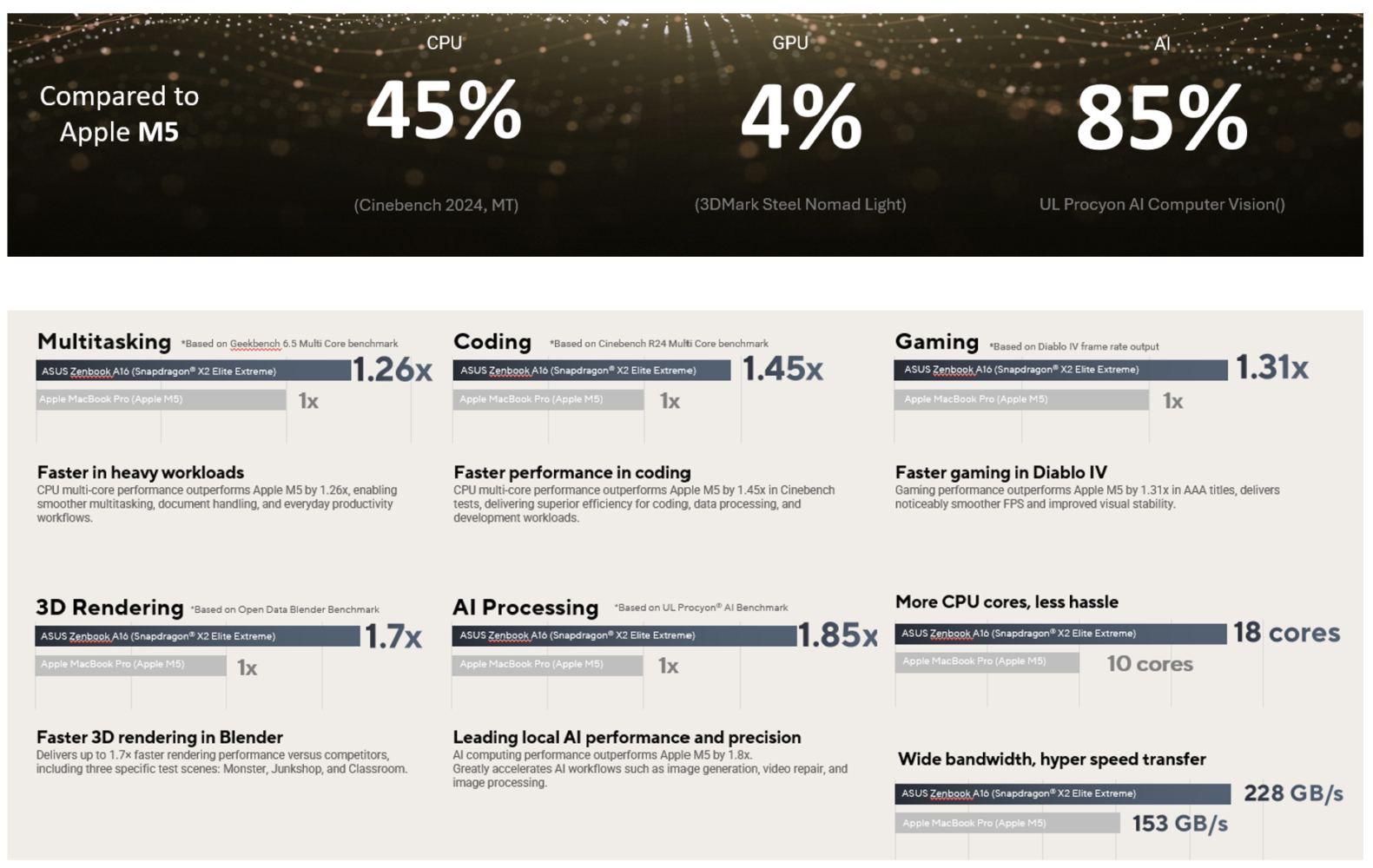
The NPU side of things deserves its own spotlight too. With 80 TOPS of AI horsepower, local processing feels genuinely useful rather than gimmicky. In UL Procyon AI Computer Vision it scored 4,497 overall compared to the MacBook Pro M5’s 2,413. MobileNet V3 inferences flew through at 167,261 versus 102,967. ResNet 50 hit 116,625 against 55,776. The gaps were similar across Inception V4, DeepLab V3, YOLO V3, and Real-ESRGAN. I used it to enhance old family photos during a quiet evening and watched details emerge that I had long forgotten existed. The system handles multiple AI tasks simultaneously without draining the battery like a thirsty camel in the desert. This is the kind of on-device intelligence that makes you wonder why we ever needed constant cloud connections for basic creative work. I found myself relying on it more and more as the days went on, turning what used to be cloud-waiting frustration into instant satisfaction.
Gaming on ARM: From “It Kind of Works” to “Wait, This Is Actually Fun”
I will be honest. I approached the gaming capabilities with the healthy skepticism of someone who has been burned before. Past ARM Windows experiences taught me to keep expectations low and my power adapter close. But after spending time with the latest updates and that beautiful AVX2 emulation, I found myself actually enjoying games on this machine in ways I never expected.
Fortnite runs at a smooth 90 frames per second at Full HD with medium settings while the chassis stays impressively cool. I dropped into a few intense build battles and never felt like I was fighting the hardware alongside the other players. Dead By Daylight delivered over 100 frames in tense chases, making those jump scares hit even harder. Fall Guys hit a silky 110 FPS. Even more demanding titles like Diablo IV cruised along at 85.3 FPS while A Plague Tale: Requiem managed a respectable 41. Hollow Knight: Silksong flew at 468 FPS, turning the fluid platforming into pure joy. Kingdom Come Deliverance II sat comfortably at 46 FPS.

The Adreno X2 GPU architecture is the secret sauce here. Those additional processing blocks and massive on-chip memory create efficiency that translates directly into playable experiences. In 3DMark it scored 216 in Speed Way, 5,439 in Steel Nomad, 1,607 in Port Royal, 4,530 in Time Spy, 4,065 in Fire Strike, and a wild 11,162 in Wild Life Extreme. These are not entry-level numbers. They are the kind that let you actually enjoy modern games without constantly tweaking settings downward.
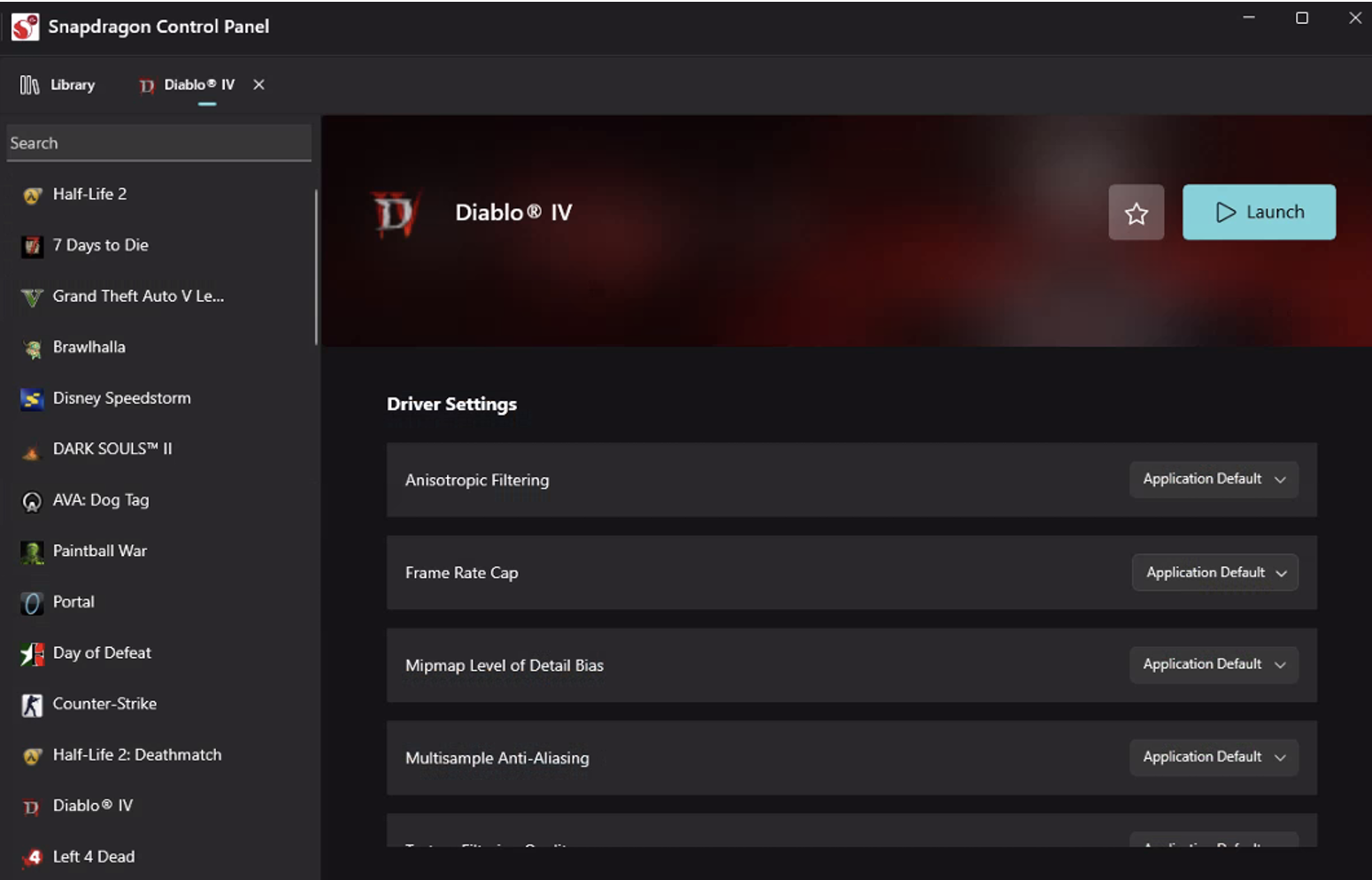
I love how the new Snapdragon Control Panel automatically detects games in Steam library and offers per-title optimizations. Tweaking super resolution, anisotropic filtering, and frame caps became as simple as adjusting brightness. No more digging through buried menus or guessing what settings would work best. The AVX2 support opened up even more titles that previously stuttered under emulation. I fired up some older creative tools and productivity apps that rely on those vector extensions and they ran smoother than on my last x86 laptop.
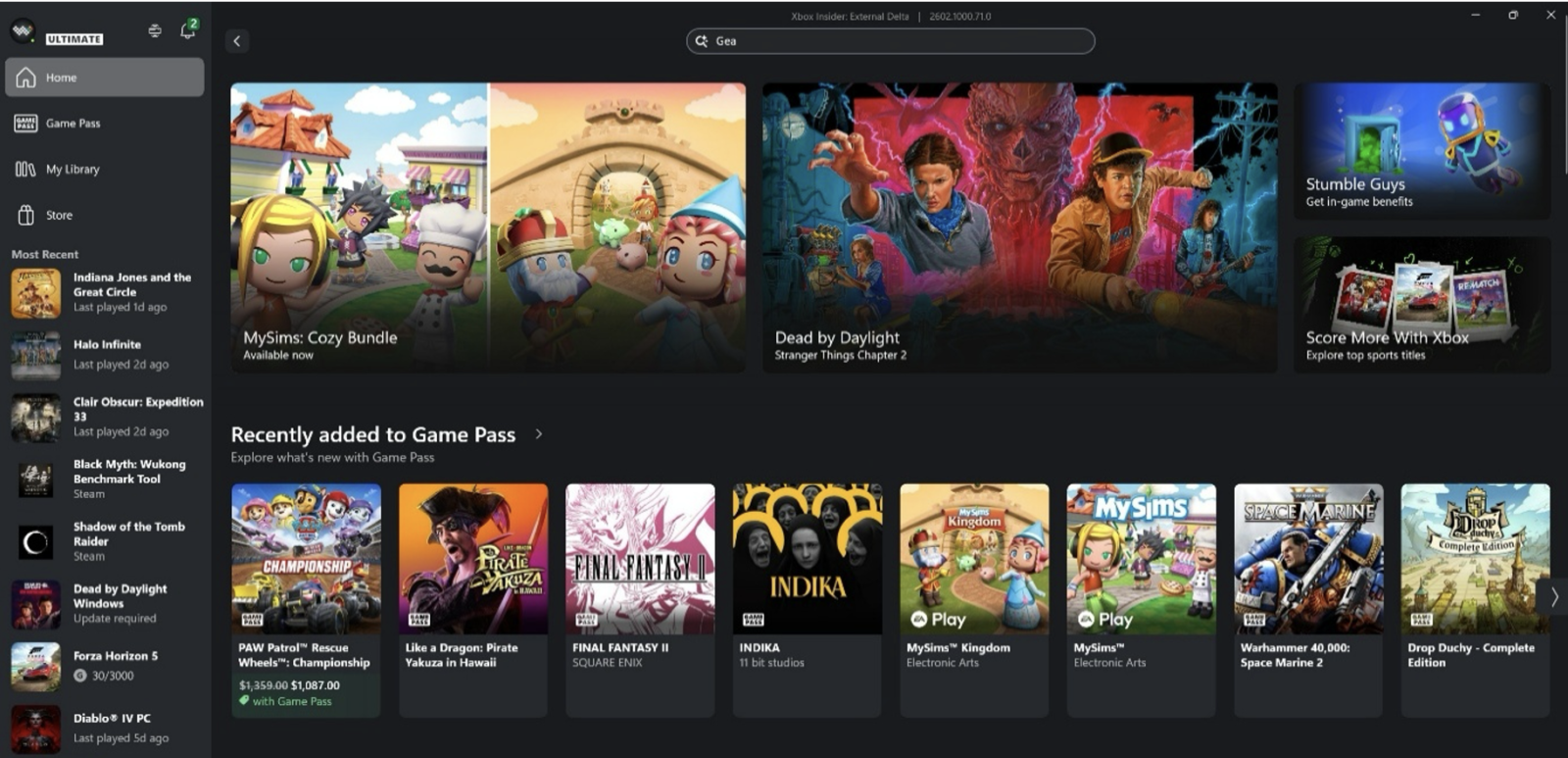
What surprised me most was the Xbox app integration. With over 85 percent of Game Pass titles running smoothly, I found myself downloading favorites I had ignored on previous laptops. The seamless nature of it all made me realize how far Windows on Snapdragon has come. I played a full evening session and never once worried about heat or battery during extended sessions. The dual fans with their lightweight design kept everything whisper quiet under 25 dB during lighter moments and only ramped up when I really pushed the GPU. This is portable gaming done right, not as an afterthought. It turned my skepticism into genuine excitement about what ARM Windows can deliver in 2026.
That Insane Battery Life: Finally, a 16-Inch That Lasts All Day
Battery life has always been the Achilles heel of powerful 16-inch laptops. Most promise the moon but deliver barely enough to get you through a morning meeting. The 2026 Zenbook A16 flips that script completely with its 70 Wh cell and ridiculously efficient Snapdragon platform. I started a typical workday fully charged and ended it with plenty left for evening entertainment.
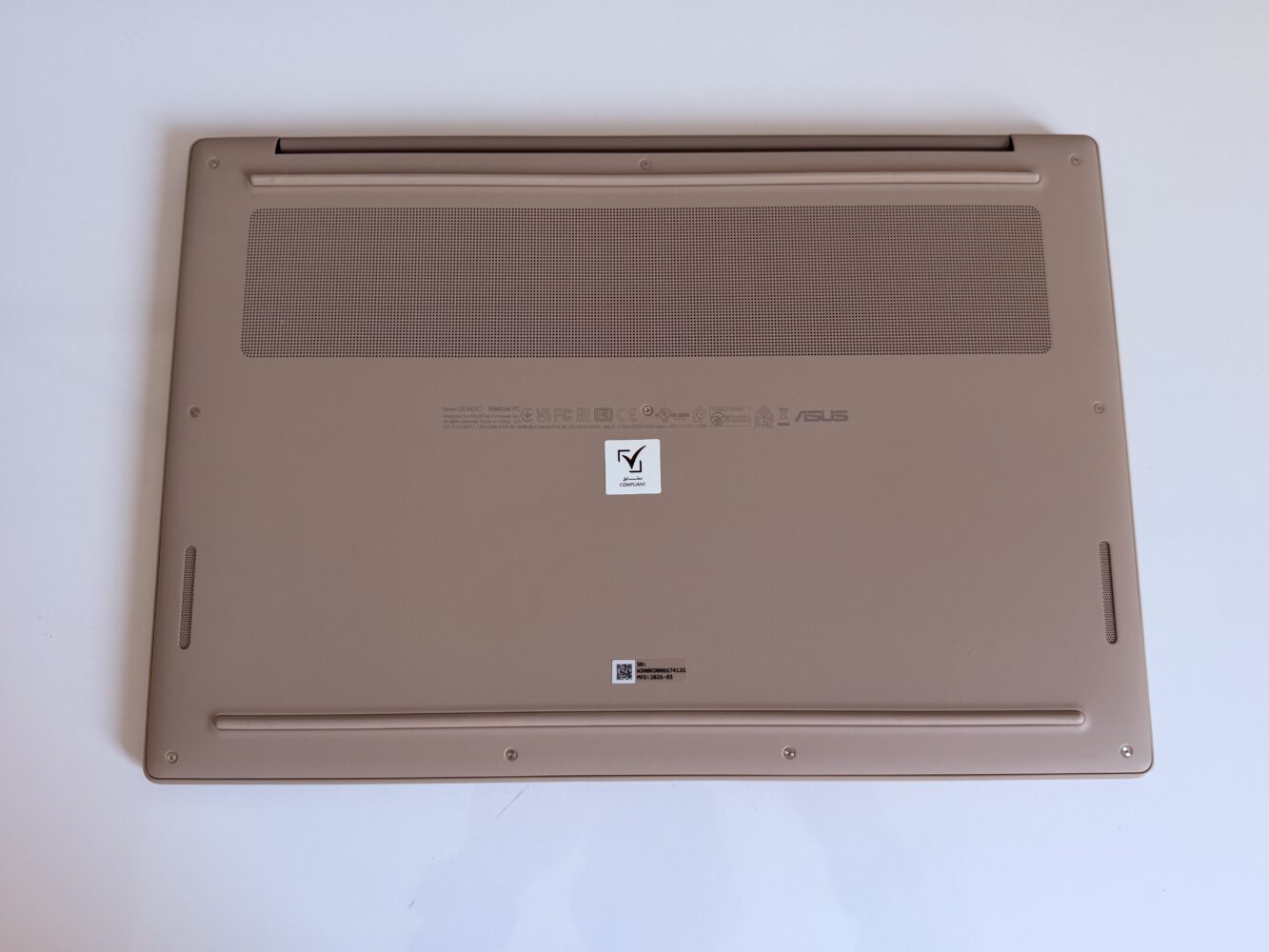
Real-world testing showed me consistently hitting over 12 hours of mixed web browsing, document work, and light media consumption. When I switched to offline video playback, the numbers climbed even higher toward that magical 21-hour claim. I tested it during a full day of client calls and creative work, keeping multiple AI features active, and still finished with juice to spare. The best part is watching the battery percentage drop so slowly it feels almost broken in the best possible way.
Power management on this machine feels almost intelligent. The system knows when to lean on the NPU for background tasks, when to let the efficiency cores handle light work, and when to wake up the performance cores for demanding moments. I noticed almost no difference in responsiveness whether plugged in or running purely on battery. That kind of freedom changes how you use a laptop entirely. Suddenly metro rides, long flights, and café sessions become productive playgrounds instead of countdown timers.
The Ceraluminum Magic: Lightweight Done Right
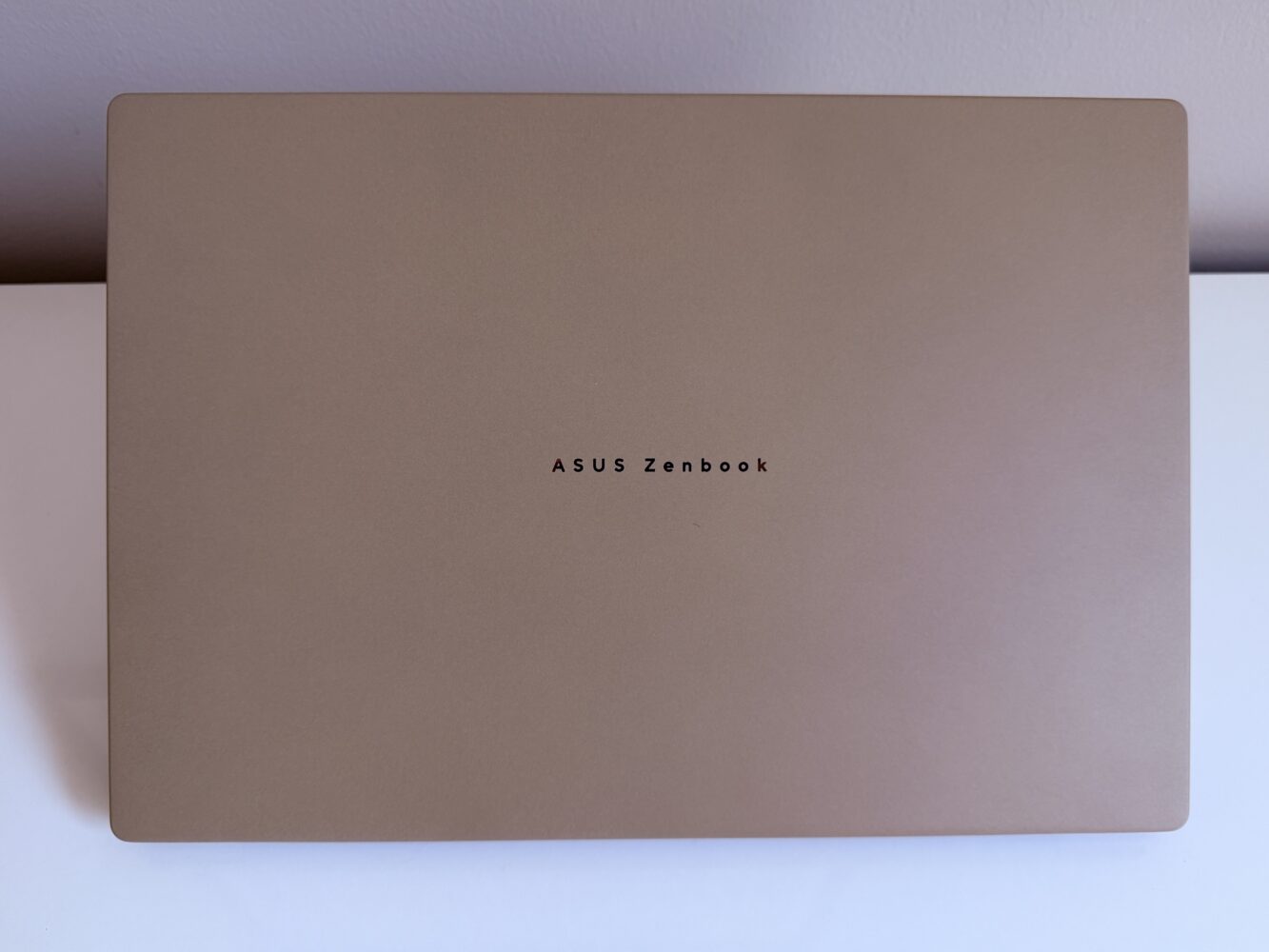
The chassis construction on the 2026 Zenbook A16 deserves poetry written about it. ASUS calls it Ceraluminum, and after living with it I understand why they spent years perfecting the formula. This material blends ceramic hardness with magnesium lightness in ways that feel almost alchemical. At just 1.2 kilograms, it is the lightest 16-inch laptop I have ever used, yet it feels incredibly solid in hand.
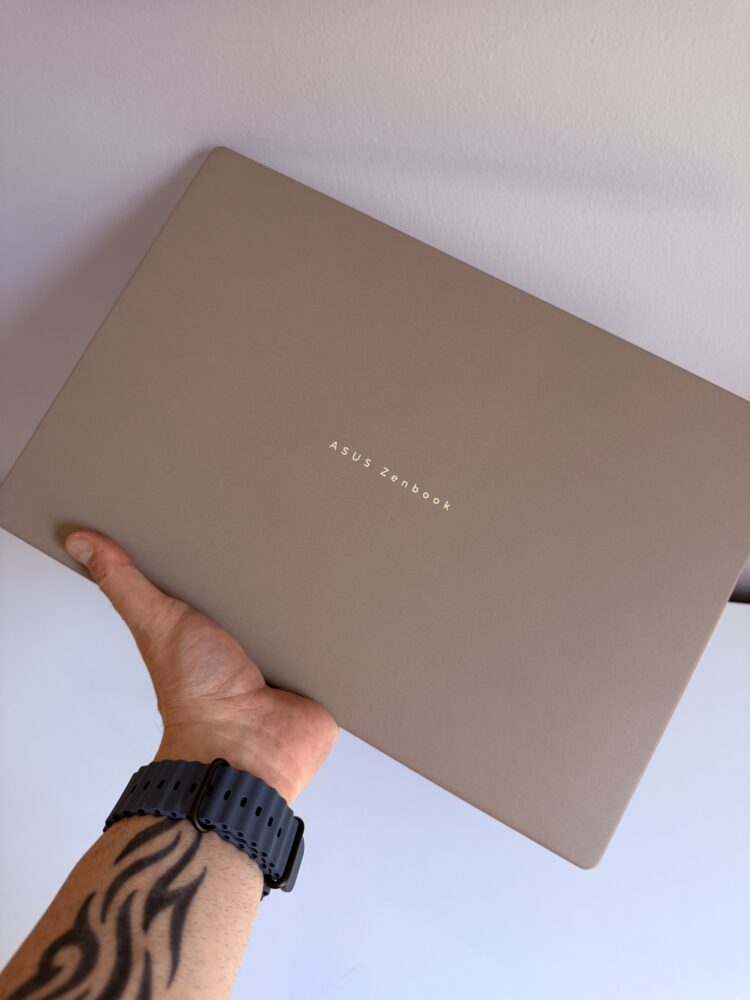
I subjected it to the kind of abuse a real-world user might dish out. Tossing it into my bag daily, setting it down on various surfaces, and even accidentally knocking it off a low table. The scratch resistance proved remarkable. Those stone-like textures not only look premium but actually hide minor marks that would show up immediately on typical aluminum finishes. The color options, particularly the Iceland Gray I tested, catch light beautifully and make the laptop look like a piece of modern sculpture.
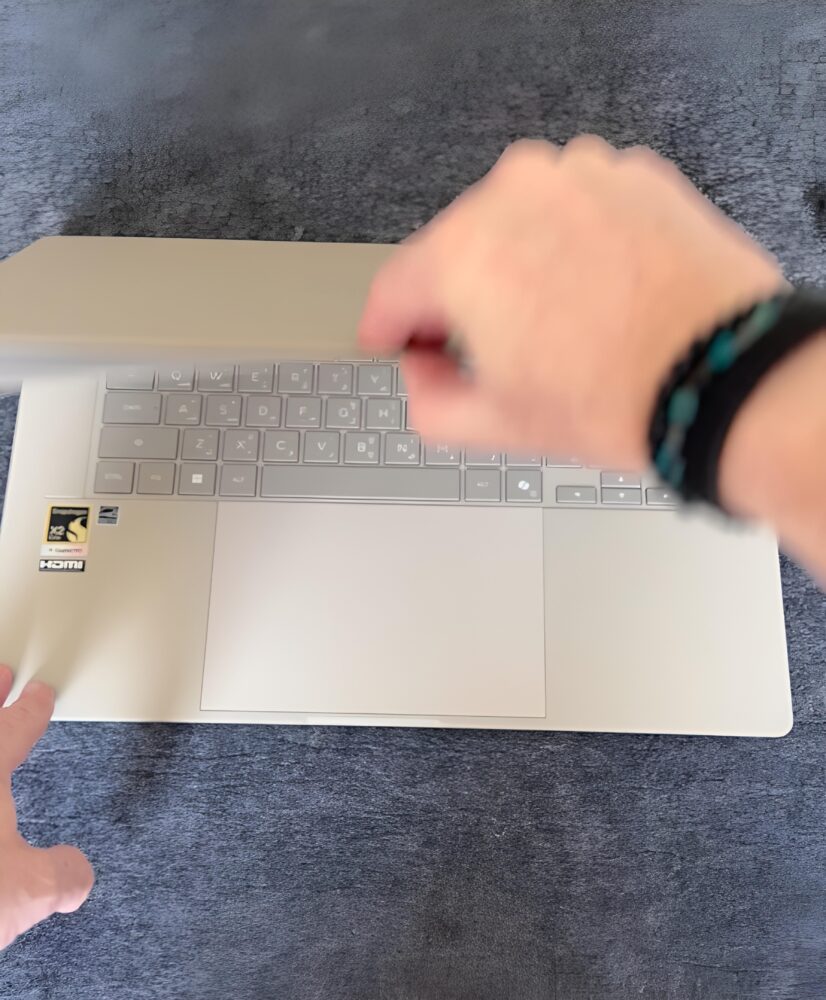
The EasyLift hinge deserves special mention too. Opening the lid feels effortless thanks to that clever torsion spring design, yet once positioned it stays rock steady with zero wobble. I used it on uneven café tables and my lap during travel, and the screen never budged. Combined with the military-grade durability certification, it gives me real confidence taking this machine anywhere my adventures in Jordan might lead.
Display Delights: When OLED Actually Delivers
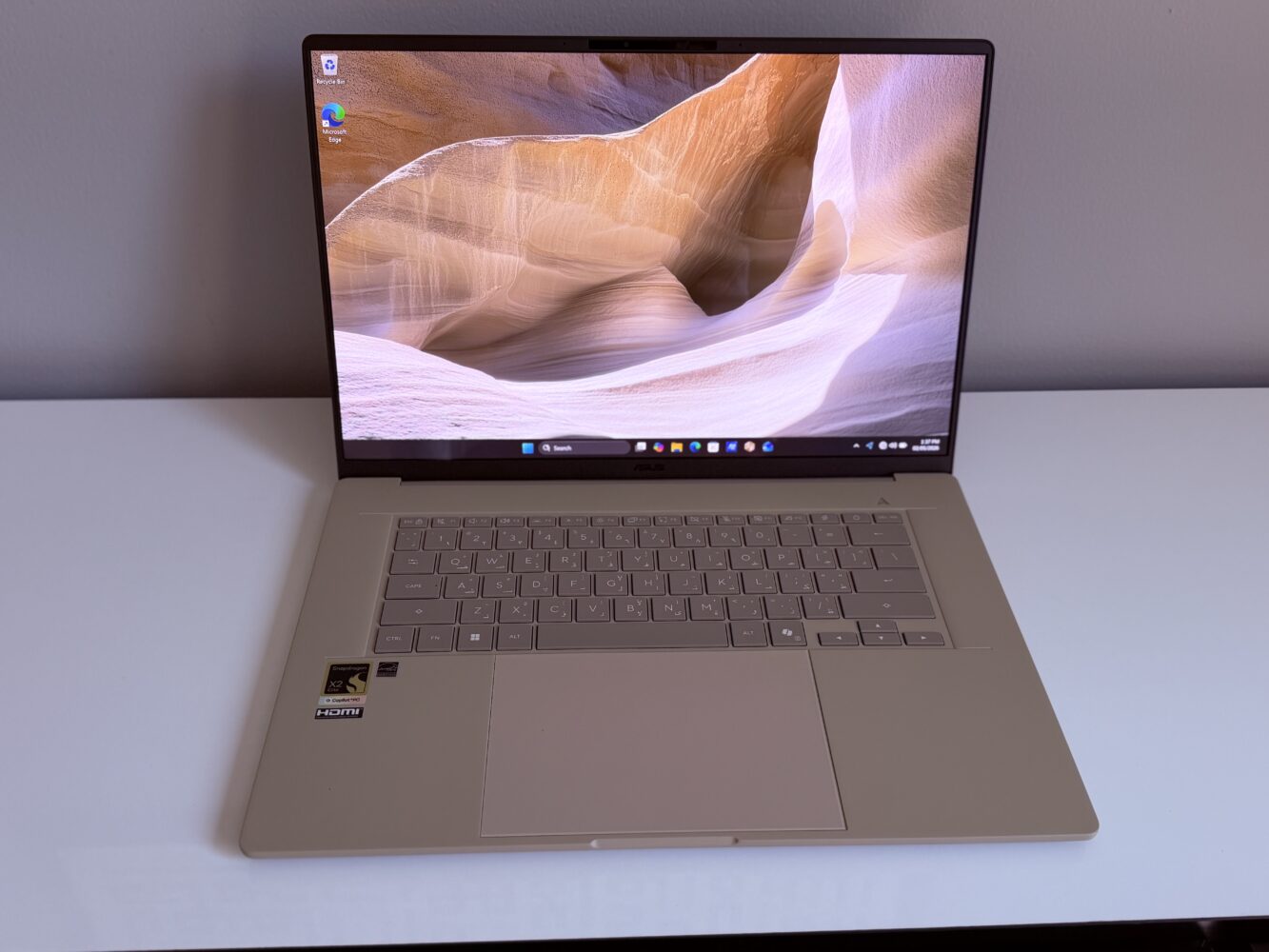
The 16-inch 3K Lumina OLED panel on the 2026 Zenbook A16 is the kind of screen that makes you pause and actually appreciate what you are looking at. I fired up a 4K travel reel I shot last summer and the colors exploded with a vibrancy that turned my living room into a private cinema. Deep reds in the sandstone glowed with life while shadows held perfect detail without any crushing. That 120Hz refresh rate makes every scroll and swipe feel liquid smooth, like the interface itself is anticipating my thoughts.
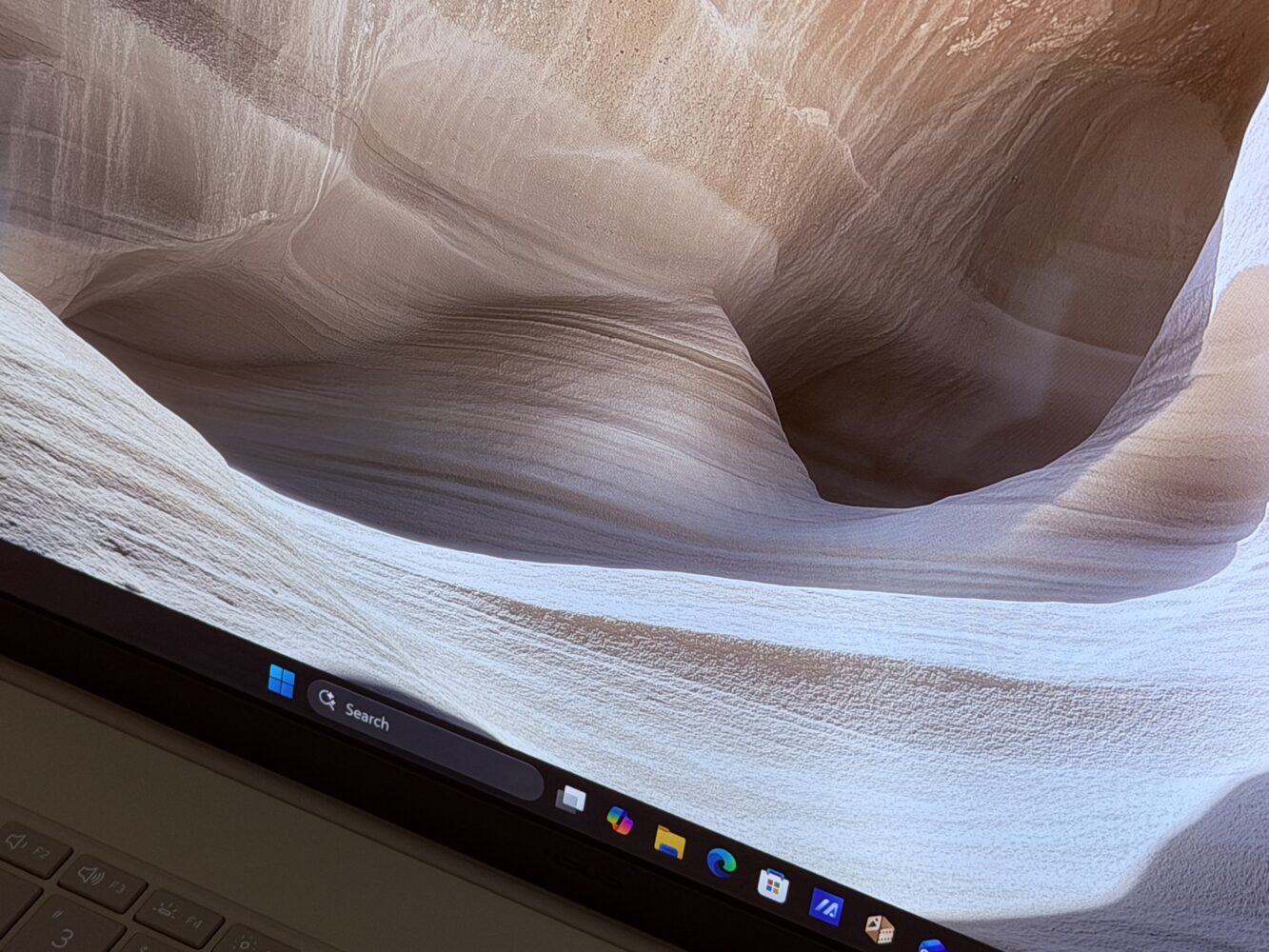
Peak brightness hitting 1100 nits means I can comfortably edit outside even when the sun is doing its best impression of a heat lamp. HDR content pops in ways that make standard LCD laptops look flat and lifeless by comparison. The million-to-one contrast ratio delivers those true inky blacks that make night scenes in movies feel immersive rather than gray mush. I watched Dune on this panel late one evening and the sandstorms felt tactile, the vast desert landscapes stretching into infinity with zero backlight bleed.
Color accuracy is factory-calibrated to ridiculous levels. I ran color-critical work in Photoshop and the results matched my reference monitor almost perfectly. Switching between DCI-P3 for video grading, sRGB for web work, and custom modes through the MyASUS app feels effortless. The panel emits way less blue light too, which meant I could pull all-nighters tweaking photos without the usual eye strain headache. ASUS layered in their OLED Care tech with pixel shifting and screensavers that kick in intelligently, so I never once worried about burn-in even after leaving editing software open for hours.
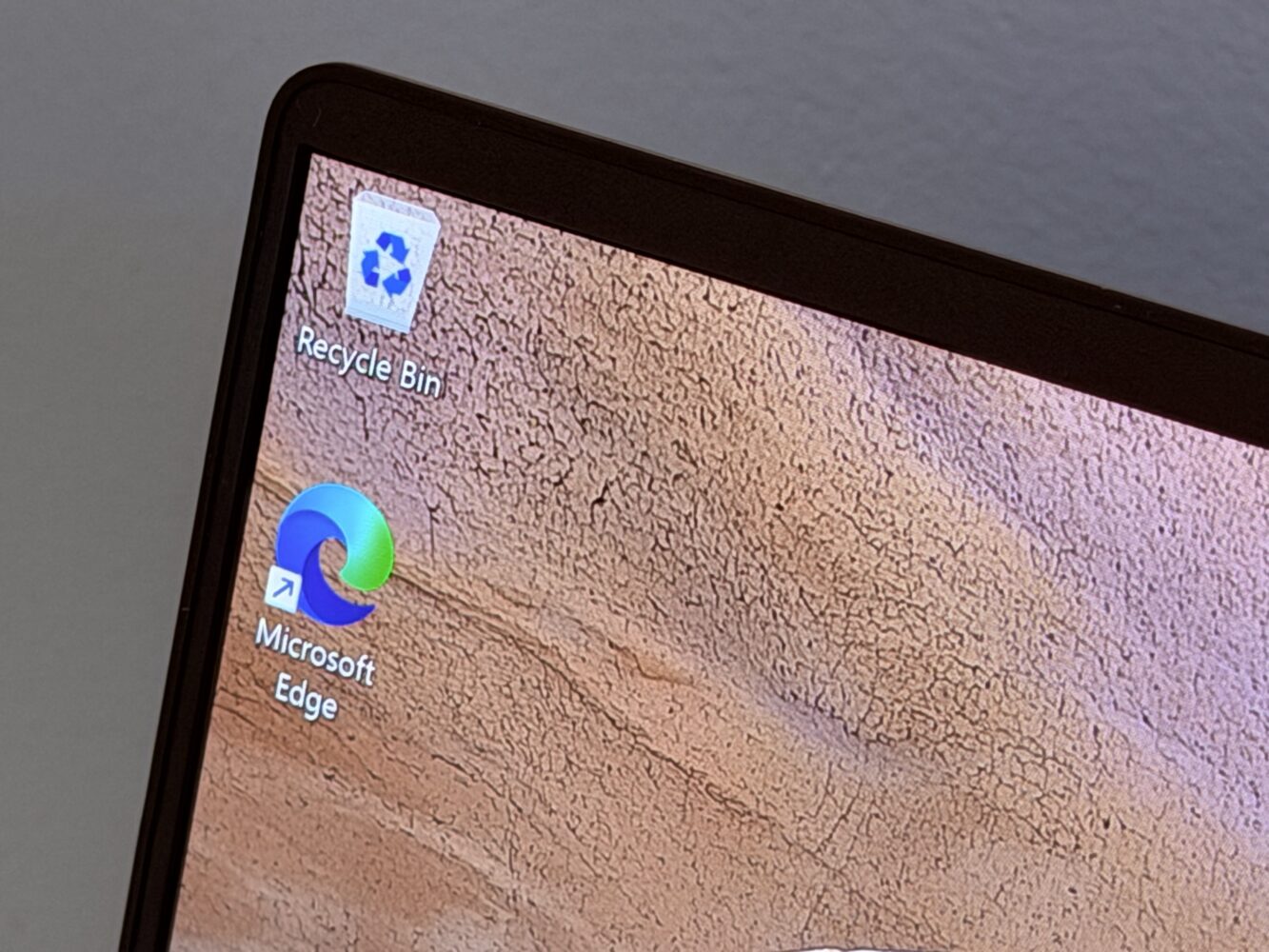
The NanoEdge design keeps bezels minimal, pulling you deeper into the content. Adaptive brightness and color temperature adjust so naturally that I forget they are working until I step into different lighting and everything still looks perfect. This is not just a good laptop screen. It is the kind of display that makes lesser panels feel like a compromise you tolerated for too long. Whether I am color grading footage, binge-watching shows, or simply reading long articles, the experience stays consistently delightful.
Audio That Punches Way Above Its Weight
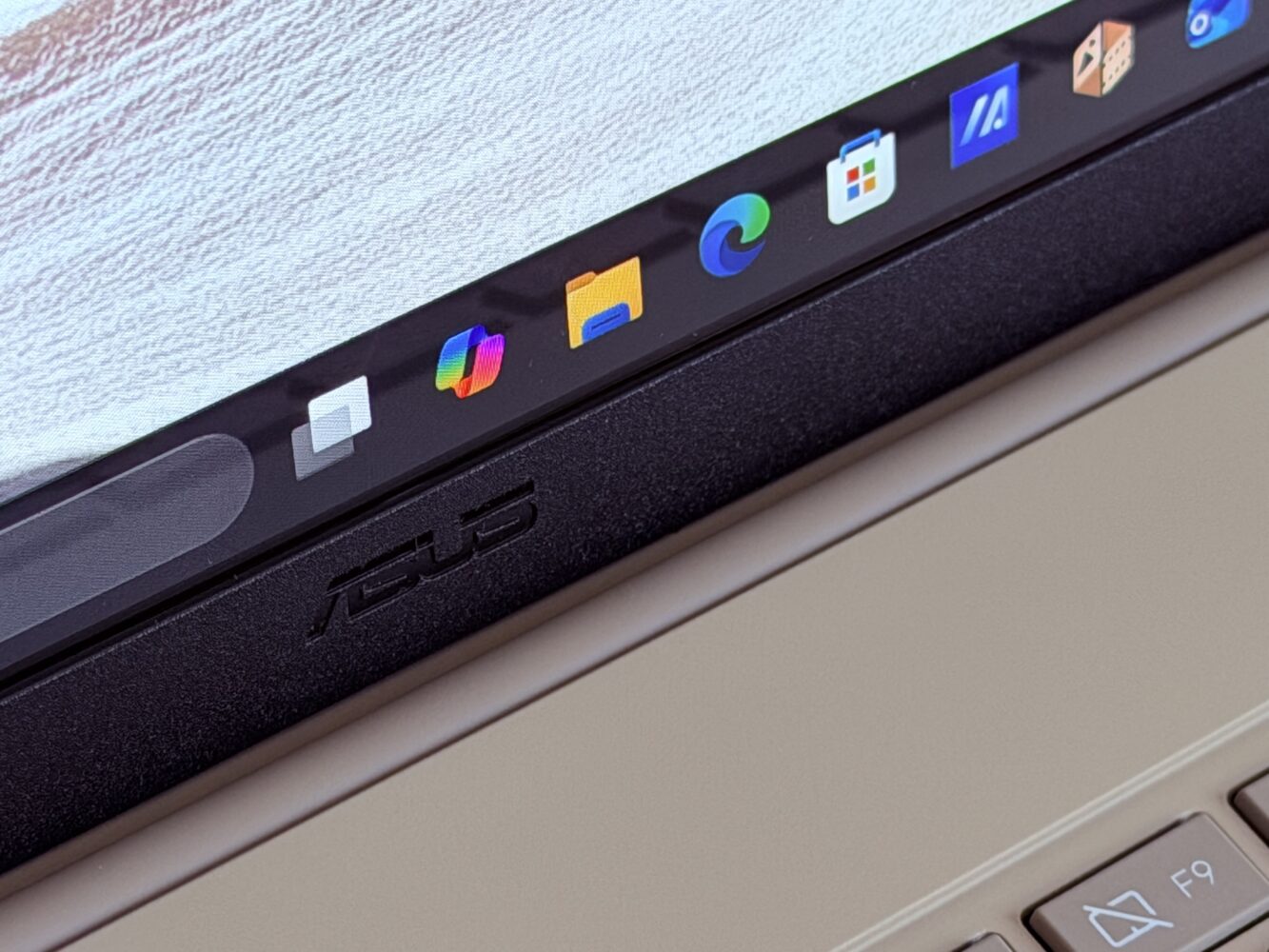
The six-speaker setup inside this impossibly thin chassis genuinely shocked me the first time I cranked it up. Two tweeters handling the highs and four woofers delivering rich lows create a soundstage that fills a medium-sized room without distortion. I played Hans Zimmer tracks during an editing session and the orchestral layers had genuine depth and separation that made me stop working just to listen. It felt like having a miniature home theater hidden inside a laptop.
Dolby Atmos support turns movies into spatial experiences. I rewatched Mad Max Fury Road and the engine roars swept across the virtual space while dialogue stayed crisp and centered. The woofers provide surprising punch for action scenes without rattling the chassis. Even at higher volumes the clarity holds, which is rare in slim laptops that usually sound tinny or compressed. Pairing with Snapdragon Sound earbuds delivered lossless streaming with almost zero latency, perfect for late-night gaming or focused music sessions.
During video calls the microphone array with ASUS AI noise cancellation performed like a pro. Busy street noise, café chatter, even a construction site nearby got filtered out while my voice came through natural and clear. Colleagues commented multiple times that I sounded better than usual, which says everything. The system adapts between single presenter and multi-presenter modes automatically, making group meetings feel effortless.
For everyday entertainment the speakers shine too. Podcasts gain warmth and presence. Music across genres keeps its character instead of turning into background mush. This audio system does not just check a box. It elevates the entire laptop into a complete entertainment hub you actually want to use for more than just work.
AI Features That Actually Feel Useful
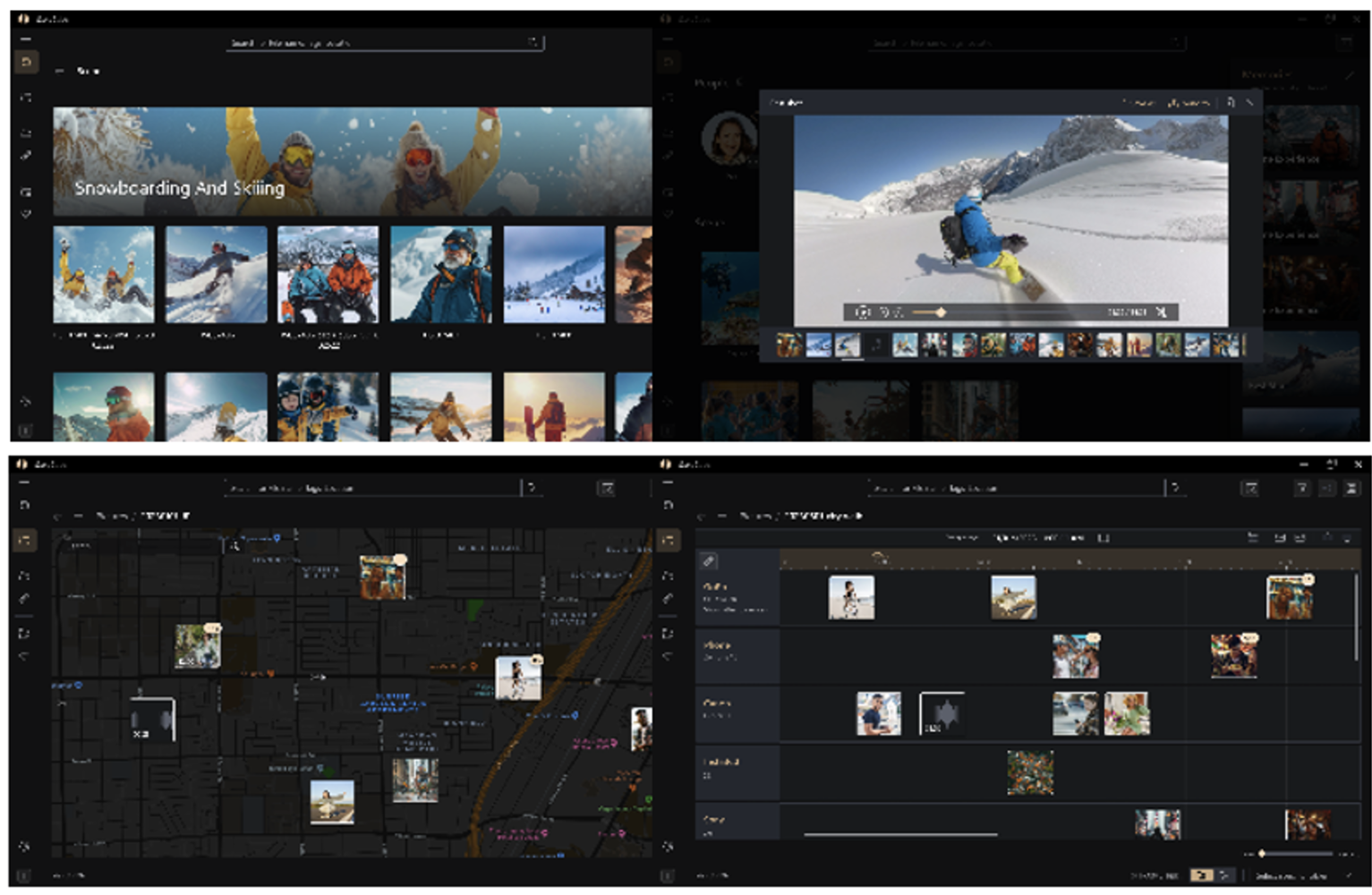
The 80 TOPS NPU combined with ASUS enhancements turns AI from marketing buzz into daily tools I genuinely reach for. StoryCube quickly became my favorite digital organizer. I fed it years of scattered photos from trips and it automatically grouped them by faces, locations, and events with scary accuracy. It even generates highlight reels and memory collections that feel personal rather than generic.
Recall is the feature I did not know I needed until I started using it. I described a vague screenshot from a week earlier and it pulled it up instantly along with related tabs and documents. No more frantic keyword hunts through folders. Cocreator in Paint turned my terrible stick-figure sketches into proper artwork during a brainstorming session.
Generative Fill and Erase in Photos saved me hours on image cleanup. Removing tourists from a perfect shot or expanding backgrounds for social media posts happens with simple selections and text prompts. Super Resolution upscaled old phone photos by 8x while keeping natural details intact, perfect for printing or tight crops. Windows Studio Effects improved my video call presence with better eye contact and lighting correction.

ASUS AI Noise Cancellation handled everything from wind during outdoor shoots to keyboard typing without cutting off my voice. The camera features like adaptive dimming and lock added thoughtful privacy touches that dim the screen when I look away and lock the device when I step out. These tools do not feel forced. They solve real frustrations in creative and daily workflows, making the Zenbook A16 feel like a genuine partner rather than just hardware.
Connectivity and Build Quality That Inspire Confidence
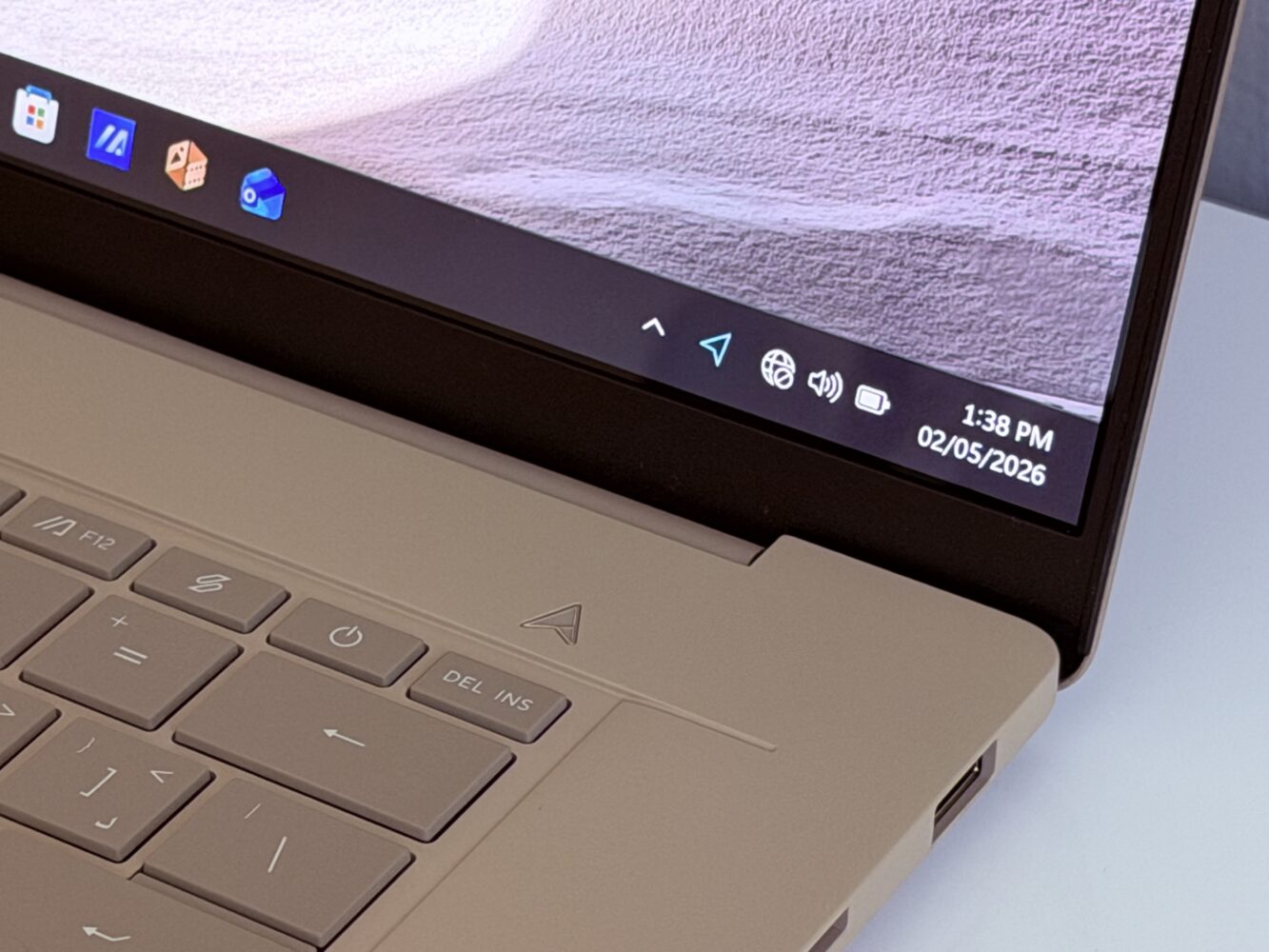
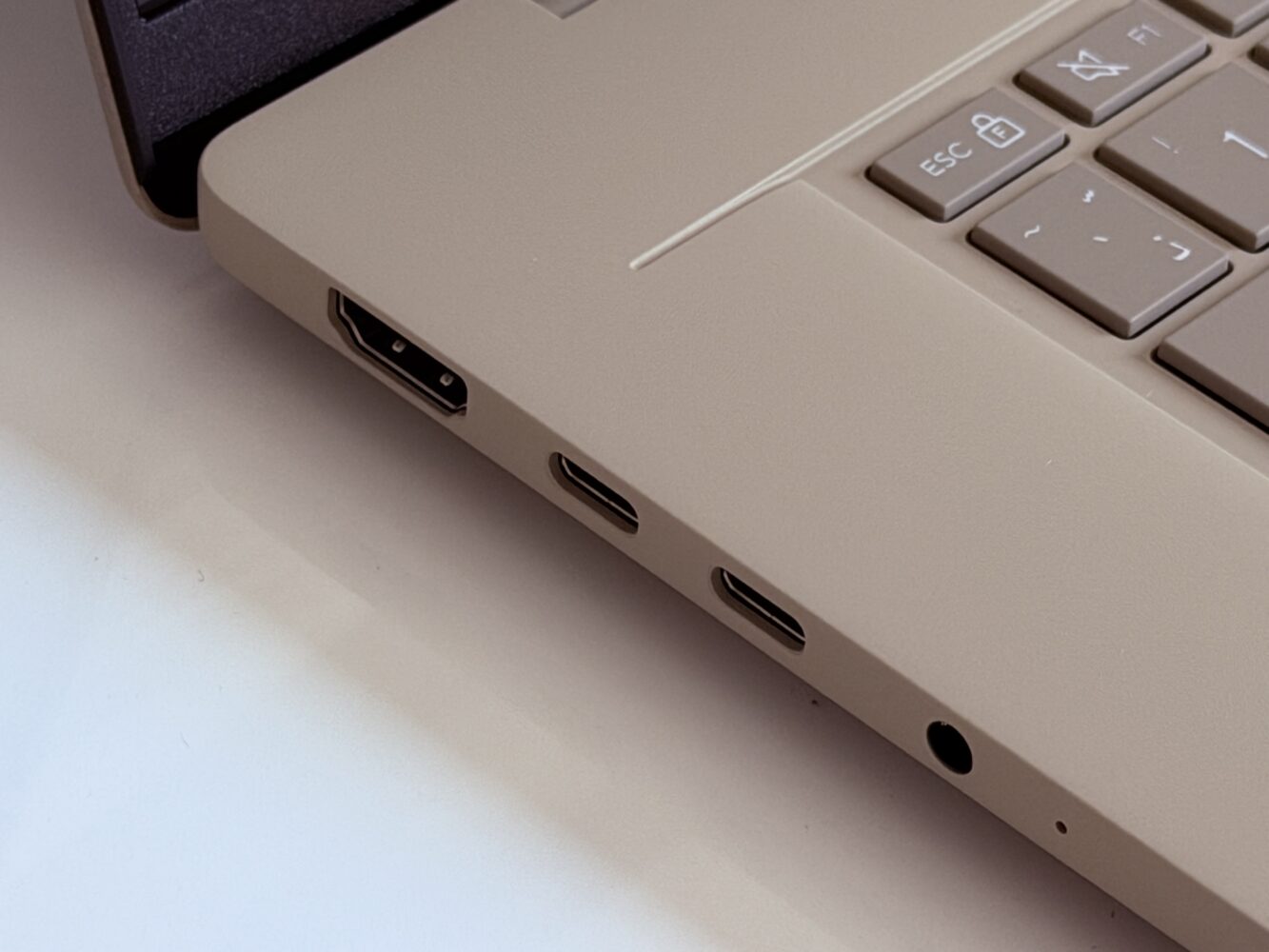
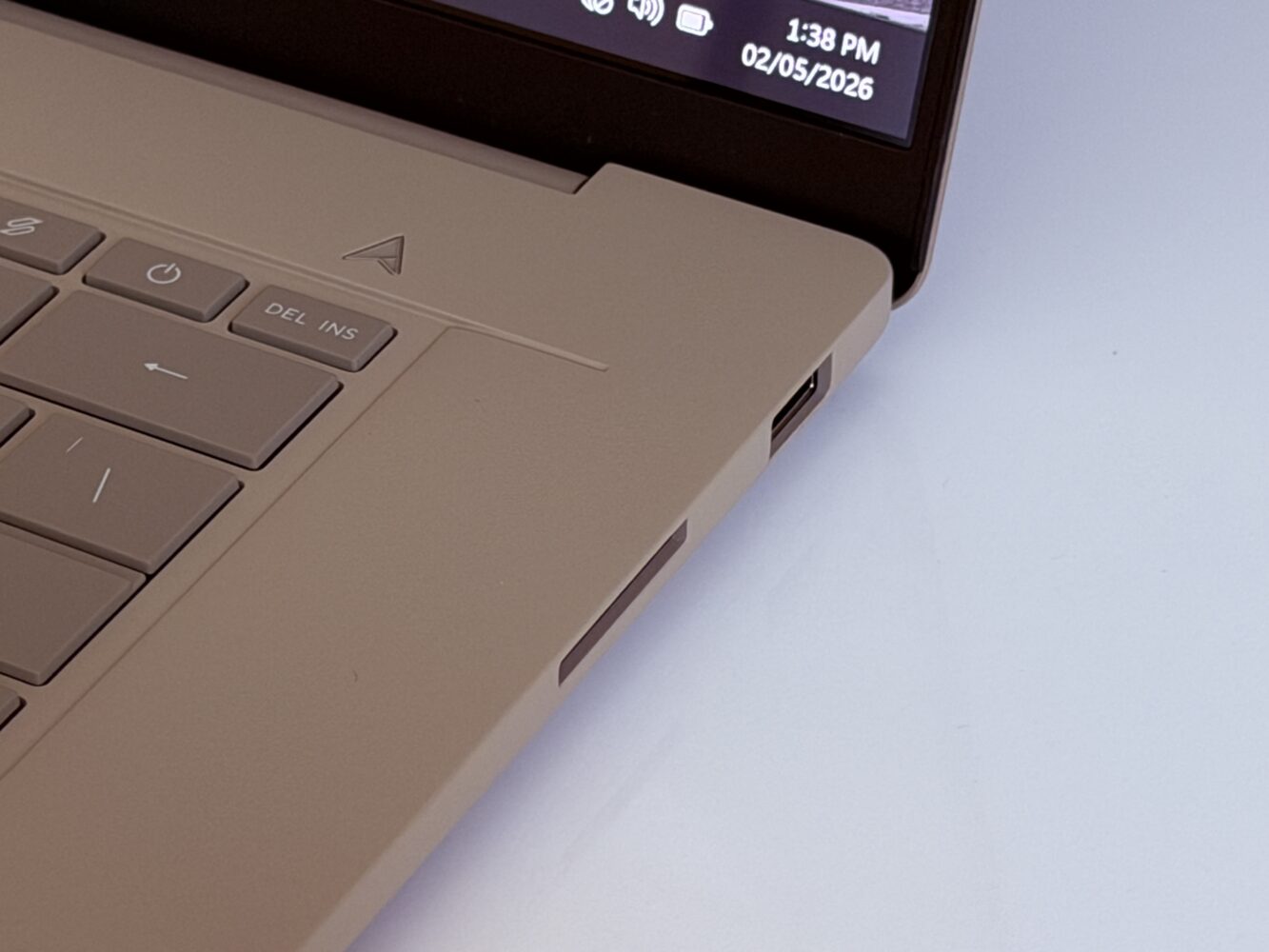
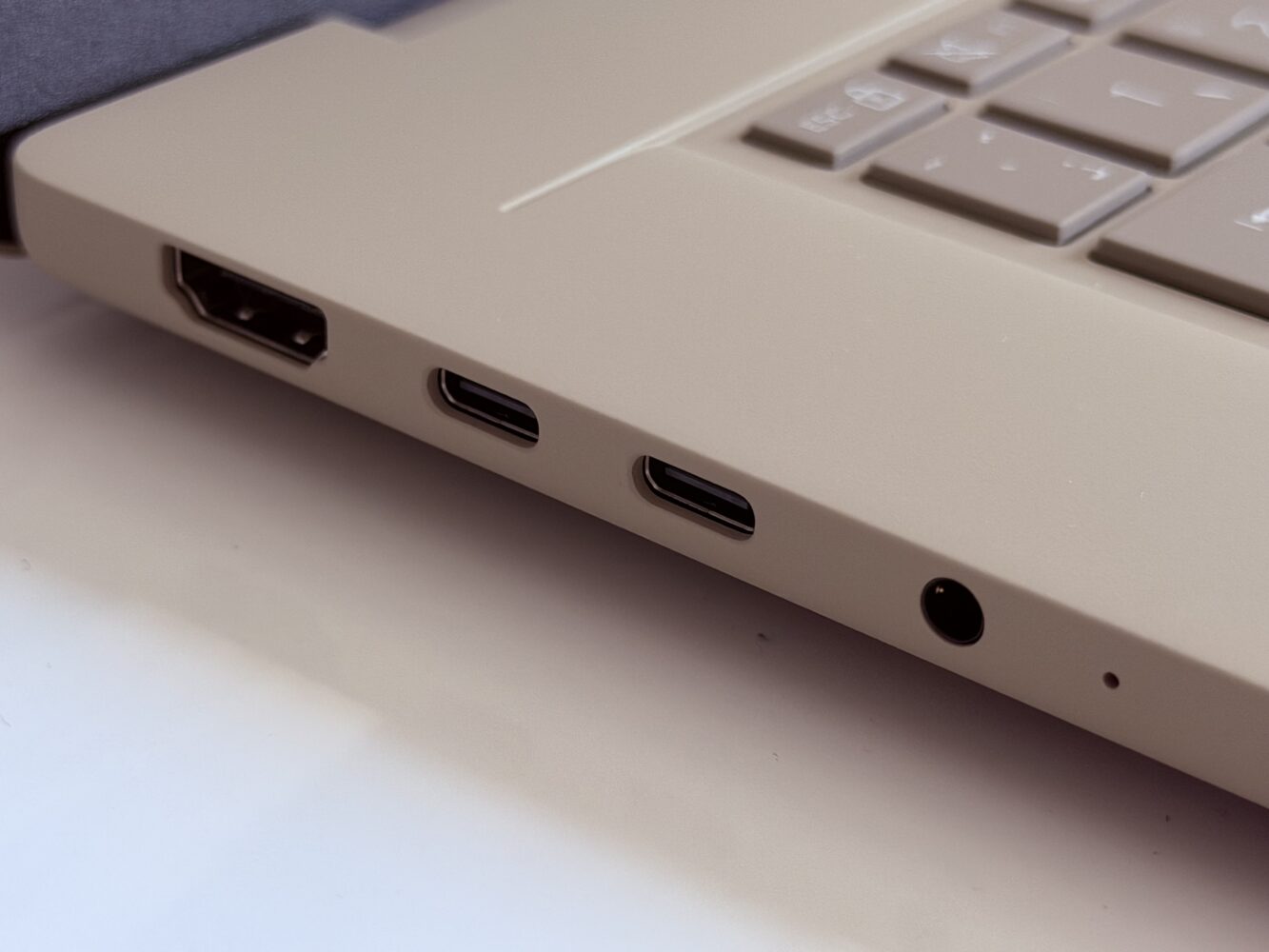
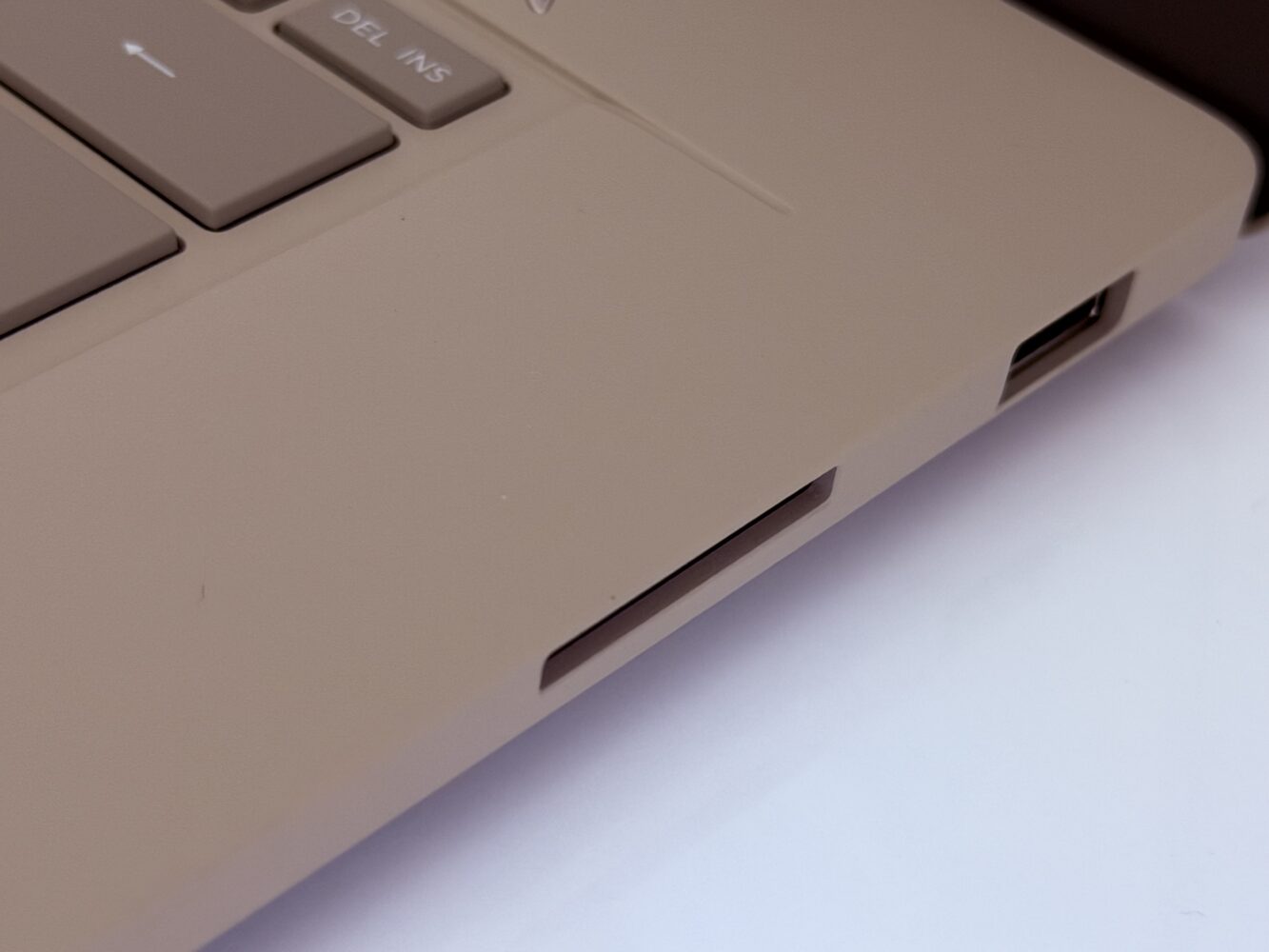
The port selection on the 2026 Zenbook A16 feels refreshingly complete. Two USB4 ports, full HDMI 2.1, USB-A, SD card reader, and audio jack cover every scenario I threw at it. Driving three external displays simultaneously worked flawlessly whether I was extending my workspace or mirroring for presentations. Wi-Fi 7 delivers the kind of stable, high-speed connection that makes large file transfers feel instantaneous.
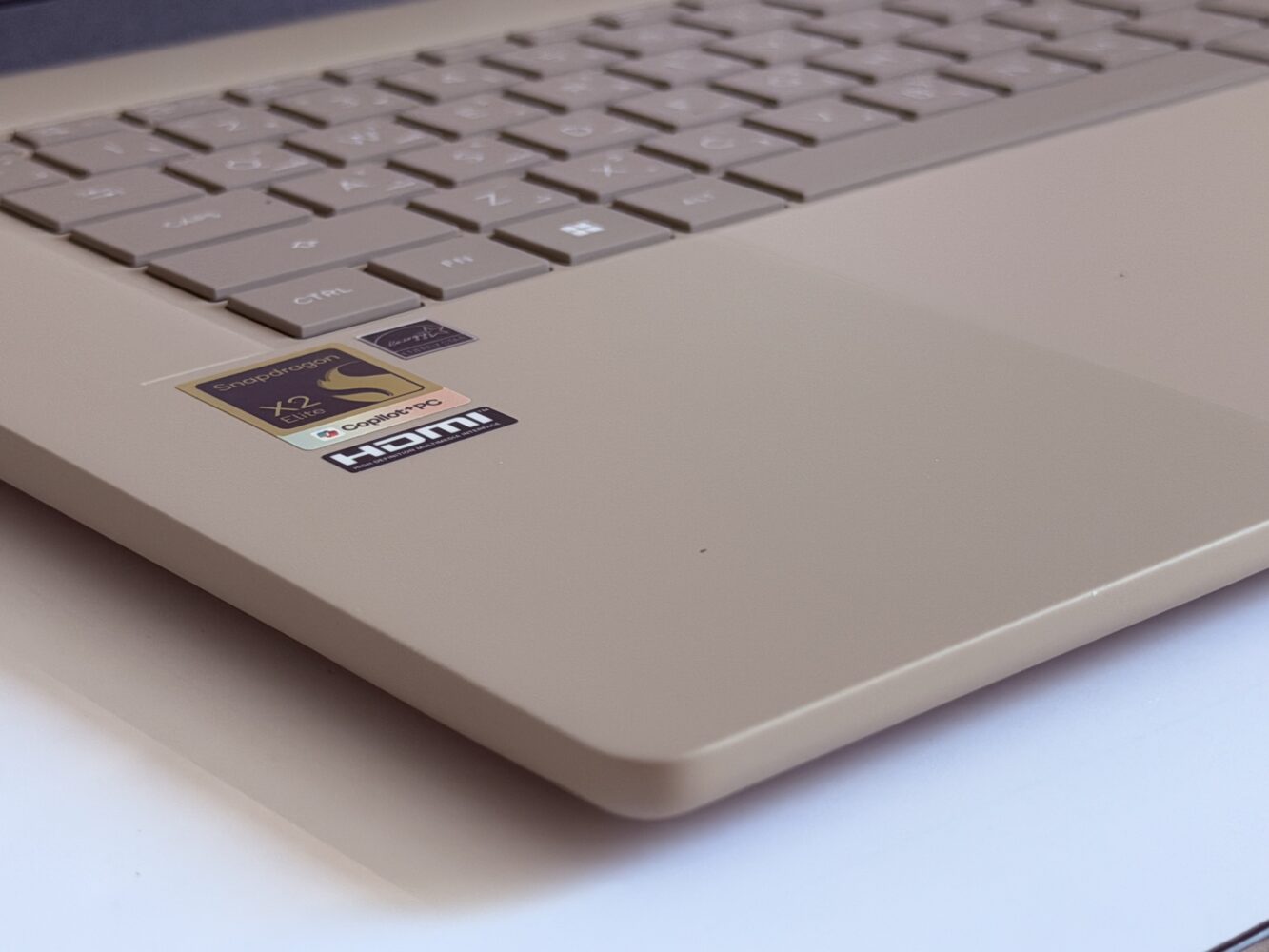
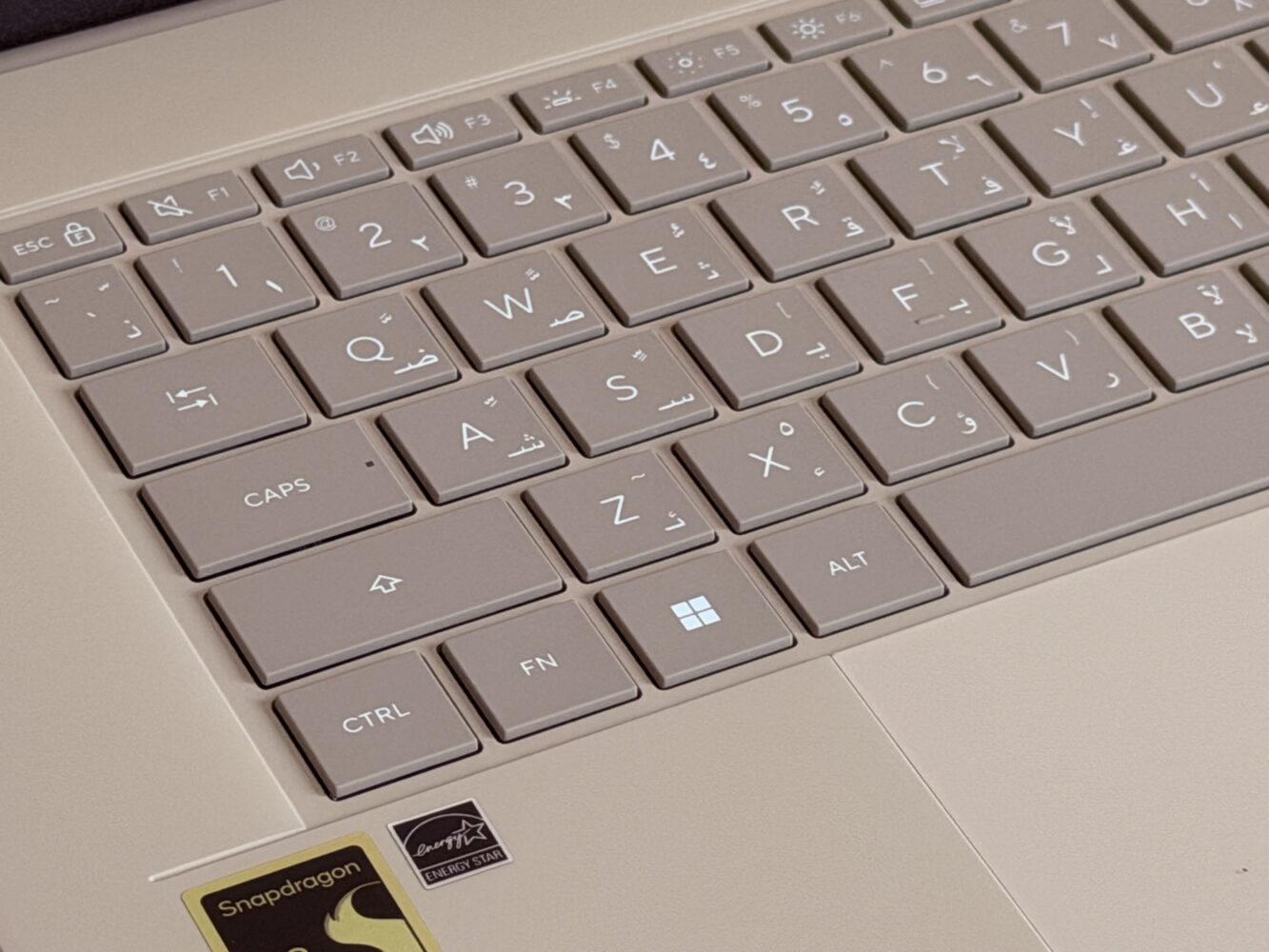
The keyboard offers satisfying travel and excellent feedback that makes long typing sessions enjoyable rather than tiring. The edge-to-edge touchpad with smart gestures quickly became intuitive for quick adjustments without reaching for the keyboard. Everything about the build screams thoughtful engineering that considers how real people actually use laptops day after day.
Verdict
This 2026 Zenbook A16 is an absolute triumph for anyone seeking serious performance in an impossibly light package. Minor software ecosystem growing pains and a few niche app optimizations still pending keep it from perfection, but the overall experience is transformative.