
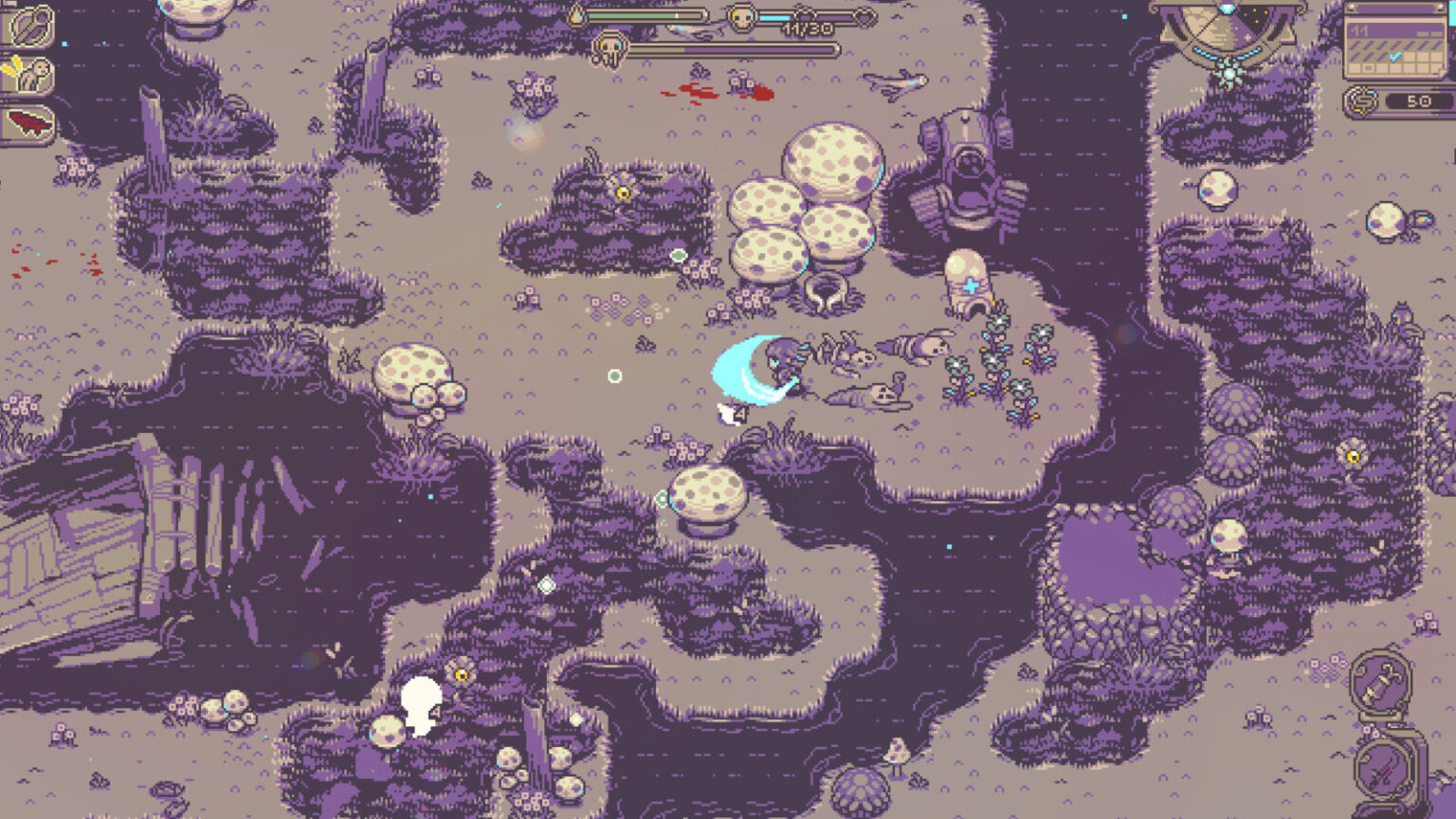
Neverway, an upcoming indie title from Coldblood Inc., blends the gentle rhythms of a life simulator with the atmospheric dread of horror and the tactical demands of an action RPG. Set for release in October 2026, the game casts players as Fiona, a former office worker who moves to a remote farm only to discover she has become the immortal herald of a dead god. As a nightmare realm called Neverway begins leaking into her reality, players must manage daily farm life while navigating danger, forging relationships, and uncovering the source of the encroaching horror.
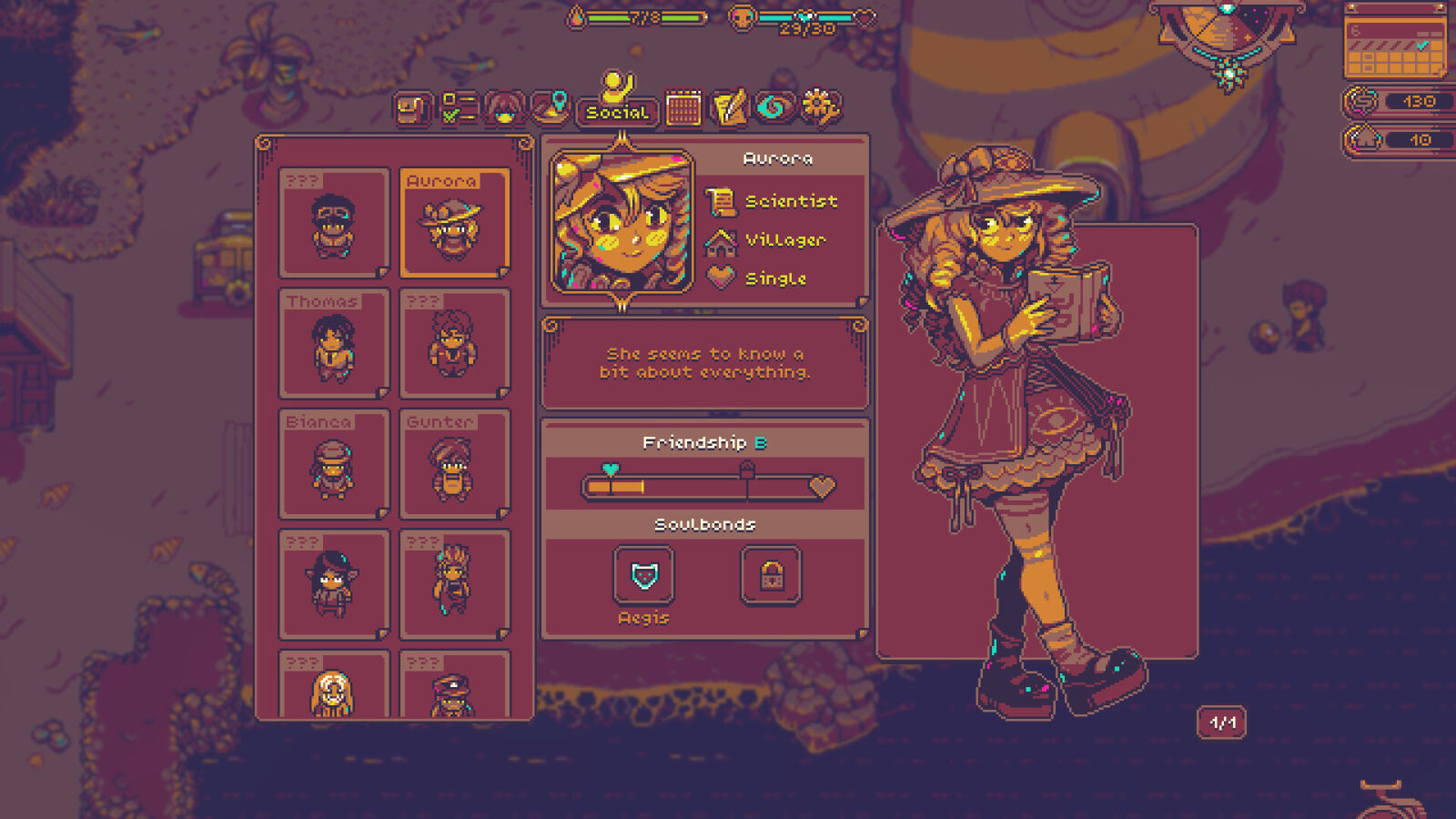
The project draws clear inspiration from Stardew Valley’s cozy farming and social loops, but replaces much of that warmth with tension and unease. Players tend crops, craft items, prepare meals, and decorate their homestead across three daily time blocks—morning, afternoon, and evening. At the same time, they can build bonds with more than ten characters, each with distinct routines and storylines. These relationships unlock combat abilities and buffs, and players must decide whether to be truthful or deceptive as they interact. Top-down, fast-paced combat emphasizes player expression through crafting and ability customization, while the overall tone leans mature, with warnings for frequent violence, gore, and other adult content.
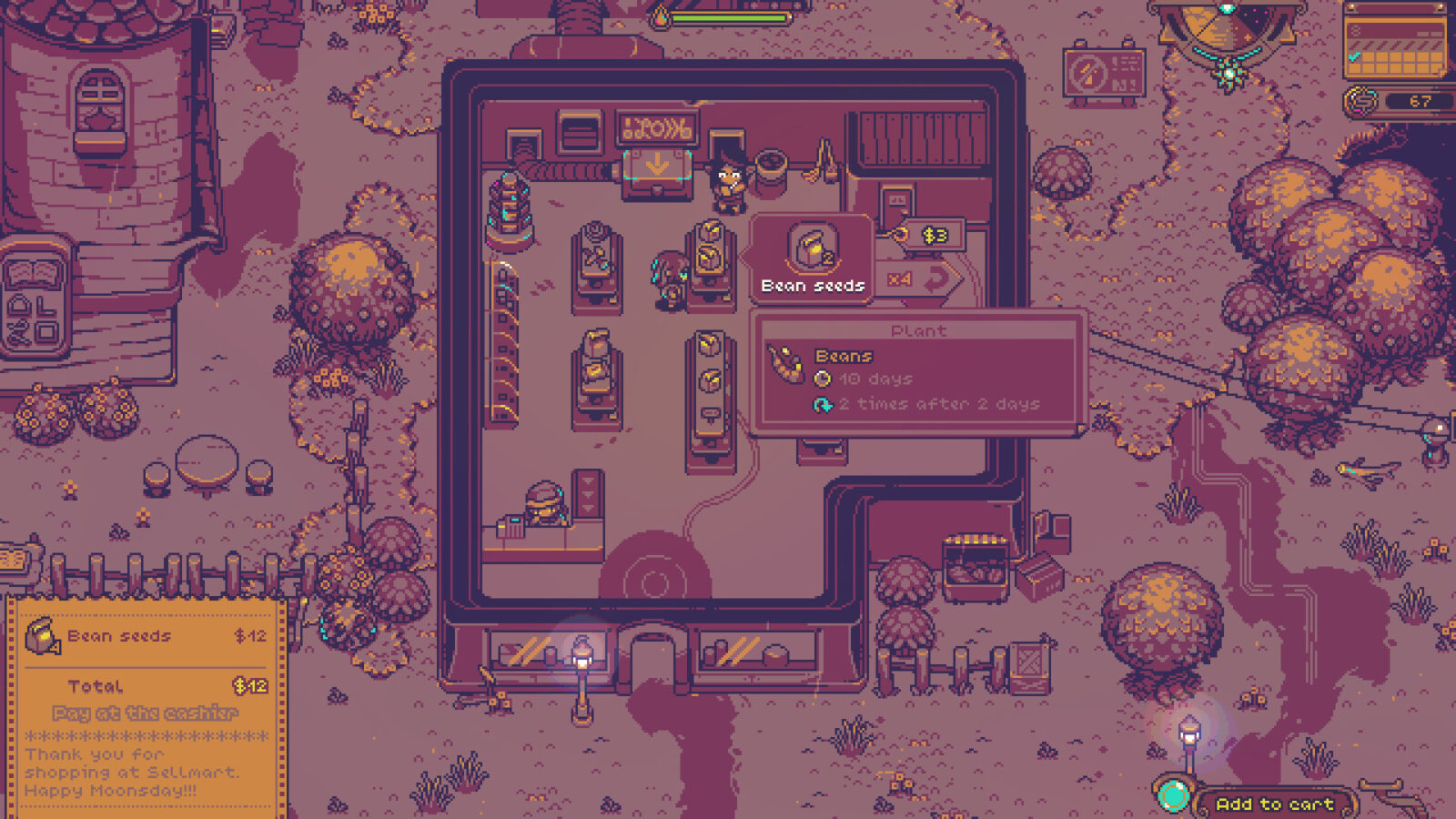
Visually and aurally, Neverway benefits from notable talent. Disasterpeace, known for his haunting scores, handles the music, and one of the pixel artists behind Celeste serves as co-director. The result is a pixel-art world that feels both inviting and quietly menacing, with sound design that heightens the sense of an otherworldly threat slowly bleeding into everyday farm routines.
The game’s structure echoes Stardew Valley in its emphasis on routine, progression through relationships, and player-driven pacing, yet it deliberately subverts the genre’s usual comfort. Where Stardew offers escape into peaceful rural life, Neverway introduces stakes that feel closer to Bloodborne’s gothic dread, albeit delivered in a more accessible, top-down format. This hybrid approach could appeal to players who enjoy life sim mechanics but crave higher tension, or those who found traditional horror games too punishing but still want atmosphere and challenge.
Whether the blend succeeds will depend on how well the horror elements integrate with the slower, more deliberate sim loops. Too much dread could make daily tasks feel burdensome; too little might leave the nightmare premise feeling tacked on. The October release window positions Neverway neatly for Halloween interest, and early descriptions suggest it has the potential to stand out in a crowded indie scene where cozy games have proliferated but genuine genre crossovers remain rare.
Stardew Valley’s enduring popularity, with its near-universal critical acclaim and dedicated community since 2016, has clearly influenced a wave of spiritual successors. Neverway stands as one of the more ambitious attempts to evolve the formula by injecting genuine unease and combat depth. It does not aim to replicate Stardew’s gentle escapism so much as test what happens when that escapism begins to fracture. For fans curious about life sims that refuse to stay comforting, the game offers an intriguing experiment in tone and mechanics that could either refresh the genre or highlight the difficulty of marrying relaxation with fear.