

If you dropped off Diablo IV at any point after launch, you probably remember exactly why. It was never about the combat or the world. Those were always solid. It was the feeling that, after a while, you were just going through the motions. Levelling happened, loot dropped, rinse and repeat but very little of it stuck.
Diablo IV: Lord of Hatred
To that I am happy to say that Lord of Hatred looks less like “more Diablo” and more like the point where years of fixes, reworks, and seasonal lessons finally click into one expansion.
So after three years, here we are with the Lord of Hatred, the final entry into the saga and lord does it deliver. From start to finish, my and a friend and colleauge who I have played almost the entirety of saga with, went through a roller coaster of emotions from start to finish as he played with his paladin and I with the warlock.
And we never, stopped playing since but more on that in a bit. The story feels punchier, heavier throughout your journey in the colourful isles of Skovos has plenty to offer in its 20-25 hour campaign if you rush things.
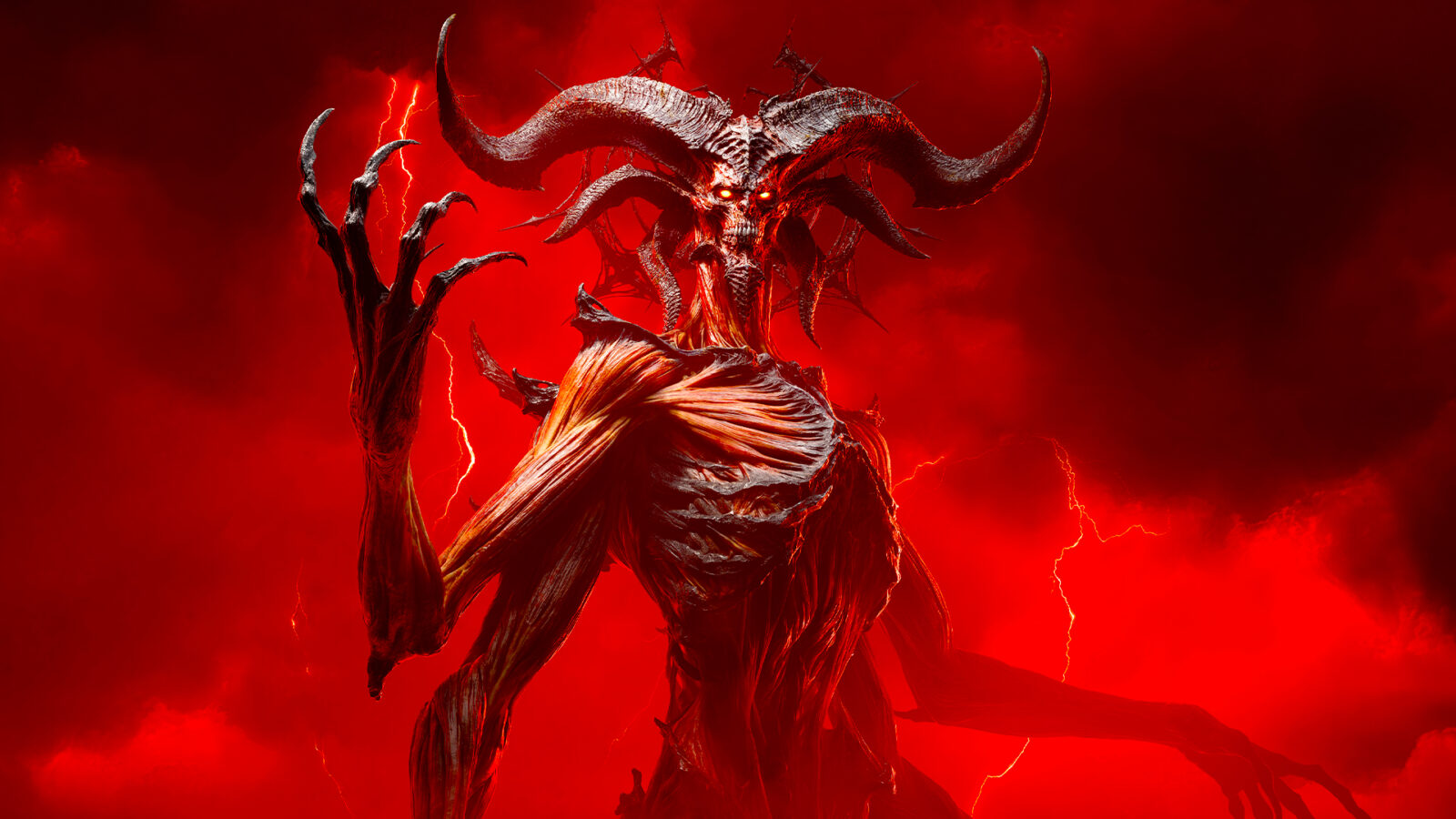
It leans heavily into the legacy of Mephisto, where Hatred isn’t about outright destruction but about influence and slow corruption and that influence is very unsettling to see as it plays out till the the end.
That idea runs through the entire campaign, and it gives the narrative a more grounded, unsettling feel compared to the base game, which sometimes tried to juggle too many big moments at once.
Here, things are more controlled. The pacing is tighter, the transitions between major beats feel smoother, and there’s a stronger sense of build-up rather than jumping from one set piece to another. It also helps that the writing feels more consistent.
Characters have clearer motivations, and while there are paths that some characters could have been more fleshed out, I’m glad to say that the story doesn’t over-explain itself. It ends up feeling closer in spirit to Diablo II, where the narrative supports the world and atmosphere. It’s not a radical change, but it’s a noticeable improvement, and it gives the expansion a stronger identity overall.
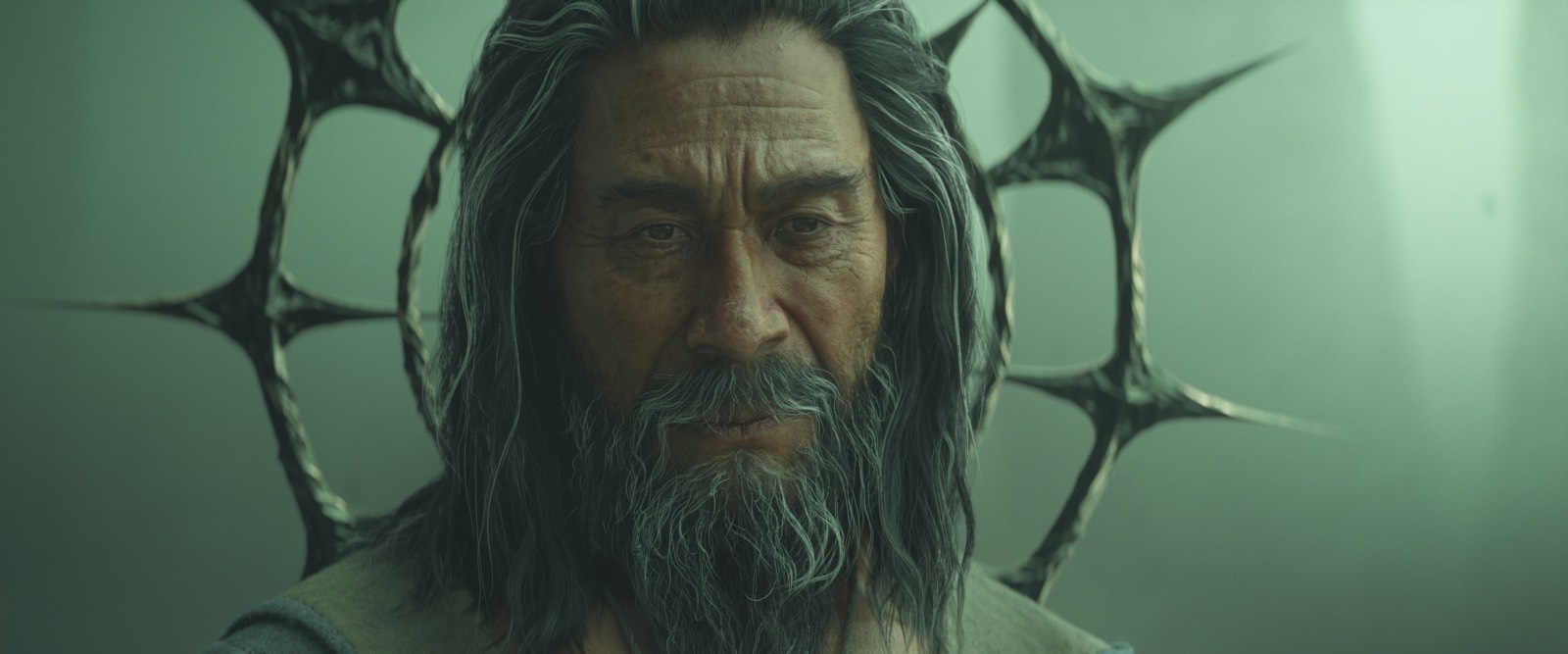
The story in Lord of Hatred works because it builds directly on what came before rather than starting fresh. Lilith may no longer be the main threat, but her influence is still everywhere. The state of Sanctuary, the people you encounter, and the overall tone all feel shaped by her actions in the base game. She was never a typical villain to begin with, and that carries forward here. There was always a sense that her motives, while extreme, came from somewhere real, and that complexity still anchors the narrative even in her absence.
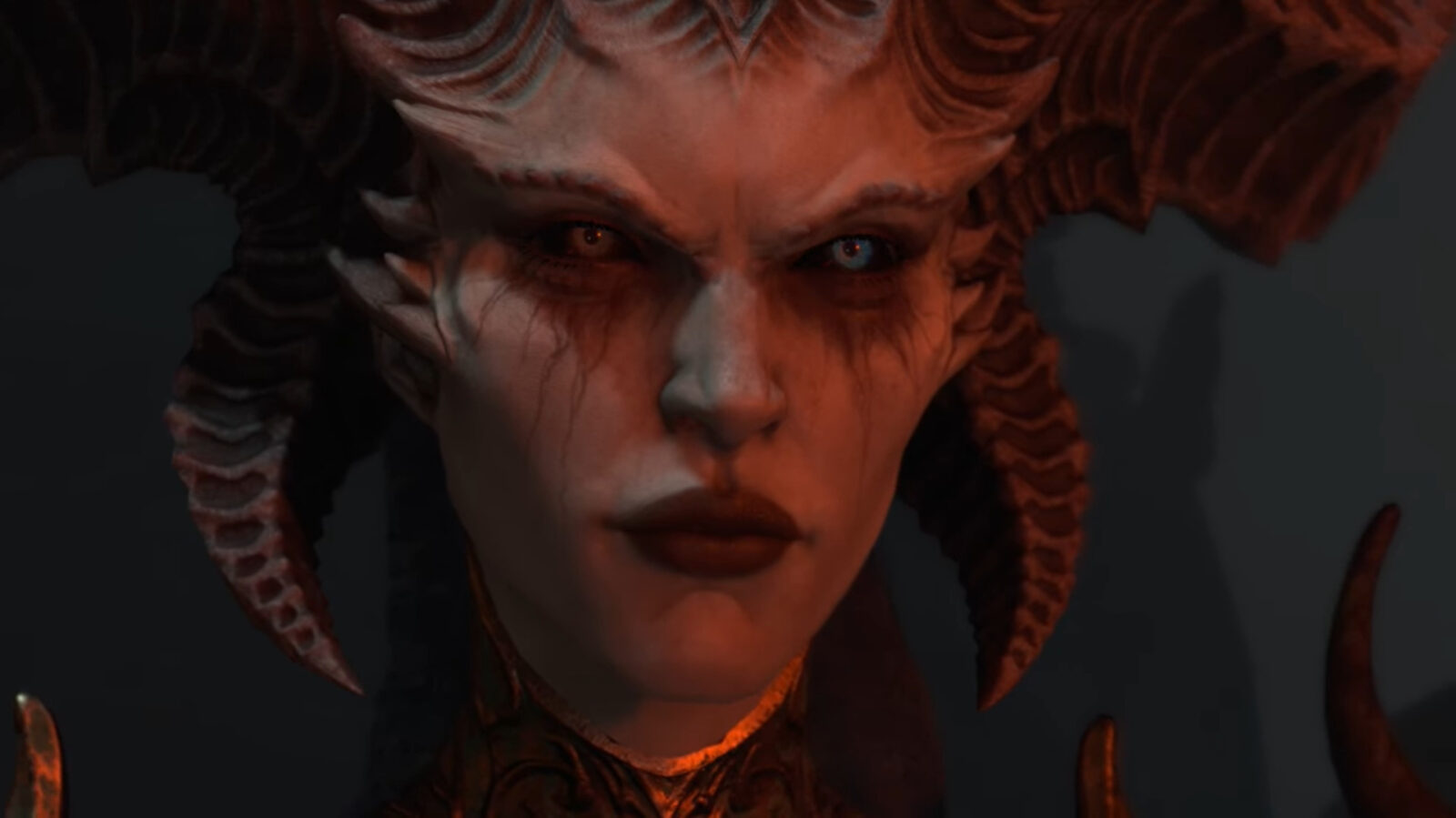
That context matters because the expansion shifts its focus to Mephisto, who represents a very different kind of threat. Where Lilith felt personal and conflicted, Mephisto is colder and far more deliberate in how he operates. The story leans into that contrast. It feels heavier from the start, with a sense that things are already going wrong and only getting worse as you move forward. The pacing reflects that as well. It is more controlled, less reliant on constant escalation, and more interested in building tension over time.
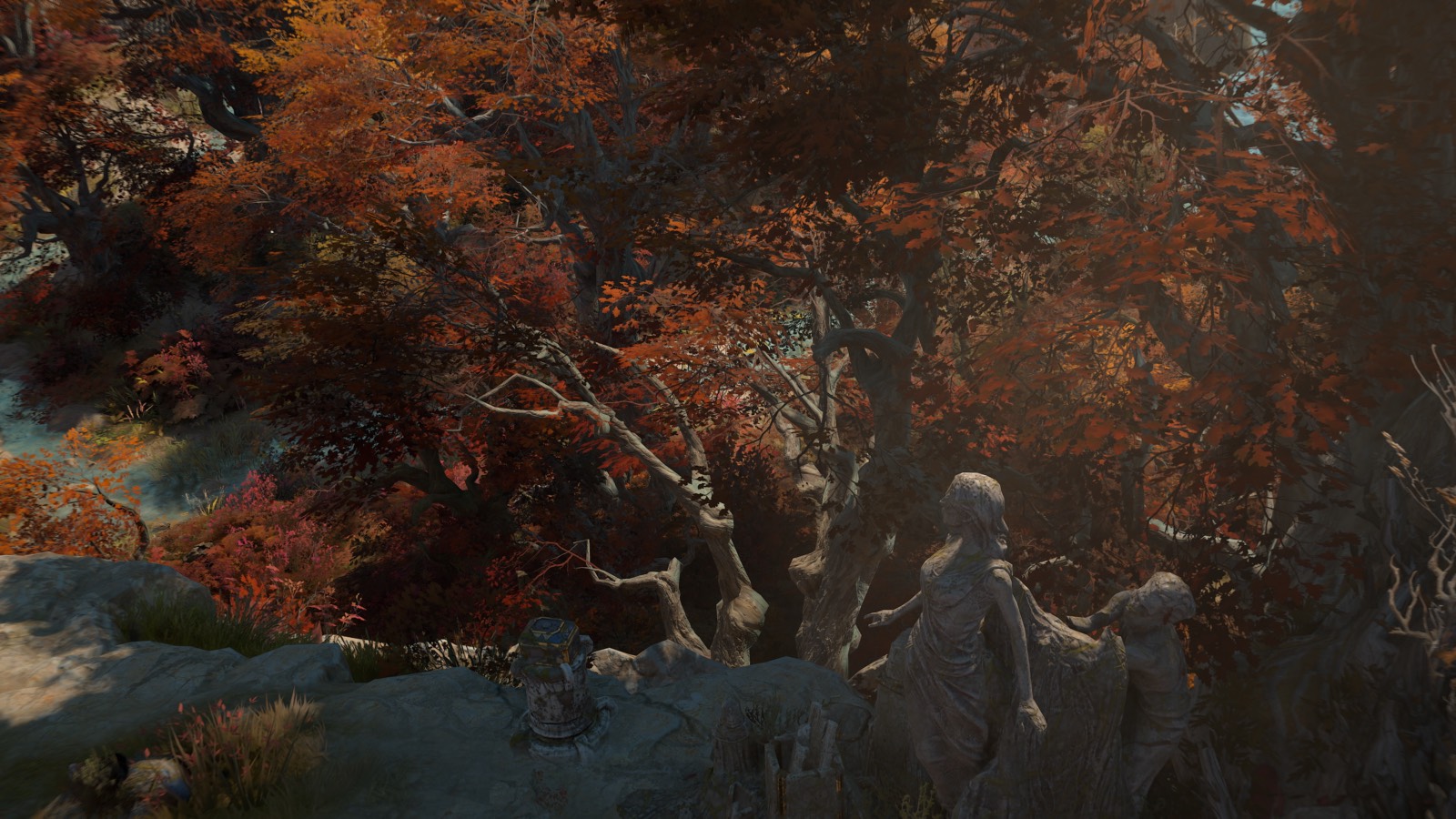
What gives the campaign its weight is how much it relies on that existing history. The relationships between these characters, and the consequences of previous events, drive the narrative more than any single set piece. It means the story will land harder for players who have been with Diablo IV since launch, because there is a clear sense of payoff. At the same time, it still holds together on its own, even if some of that depth is lost but it did hold our attention on the urgency to see the story through.
Where the expansion makes its most noticeable impact is in how it handles class identity and progression. One of the biggest criticisms of the base game was that builds either came together too quickly or took too long to feel complete. There was a sense that you were waiting for the game to open up rather than engaging with it from the start. That issue has not disappeared entirely, but it has been reduced to the point where it no longer dominates the experience.
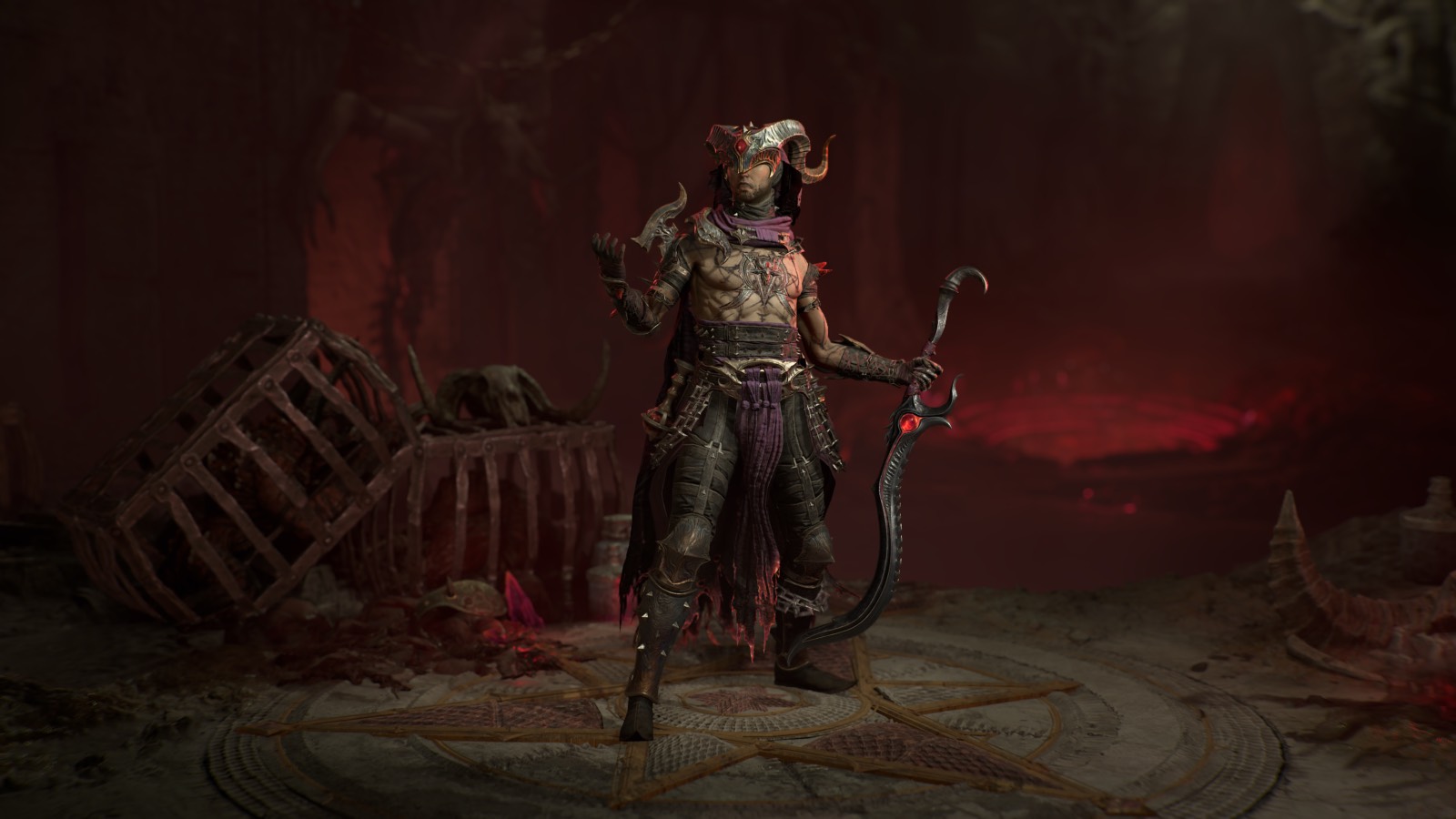
The Warlock is the clearest example of that change. On paper it sits in familiar territory, a class built around summoning and control, but in practice it demands far more involvement than expected. Managing summoned entities, positioning them, and deciding how they interact with your abilities creates a more active playstyle. It is not a passive class, and it does not feel like one. More importantly, its identity is established early. You are not waiting for the build to become interesting. It already is from the first ability you unlock and creating those perfect build combinations become extremely rewarding
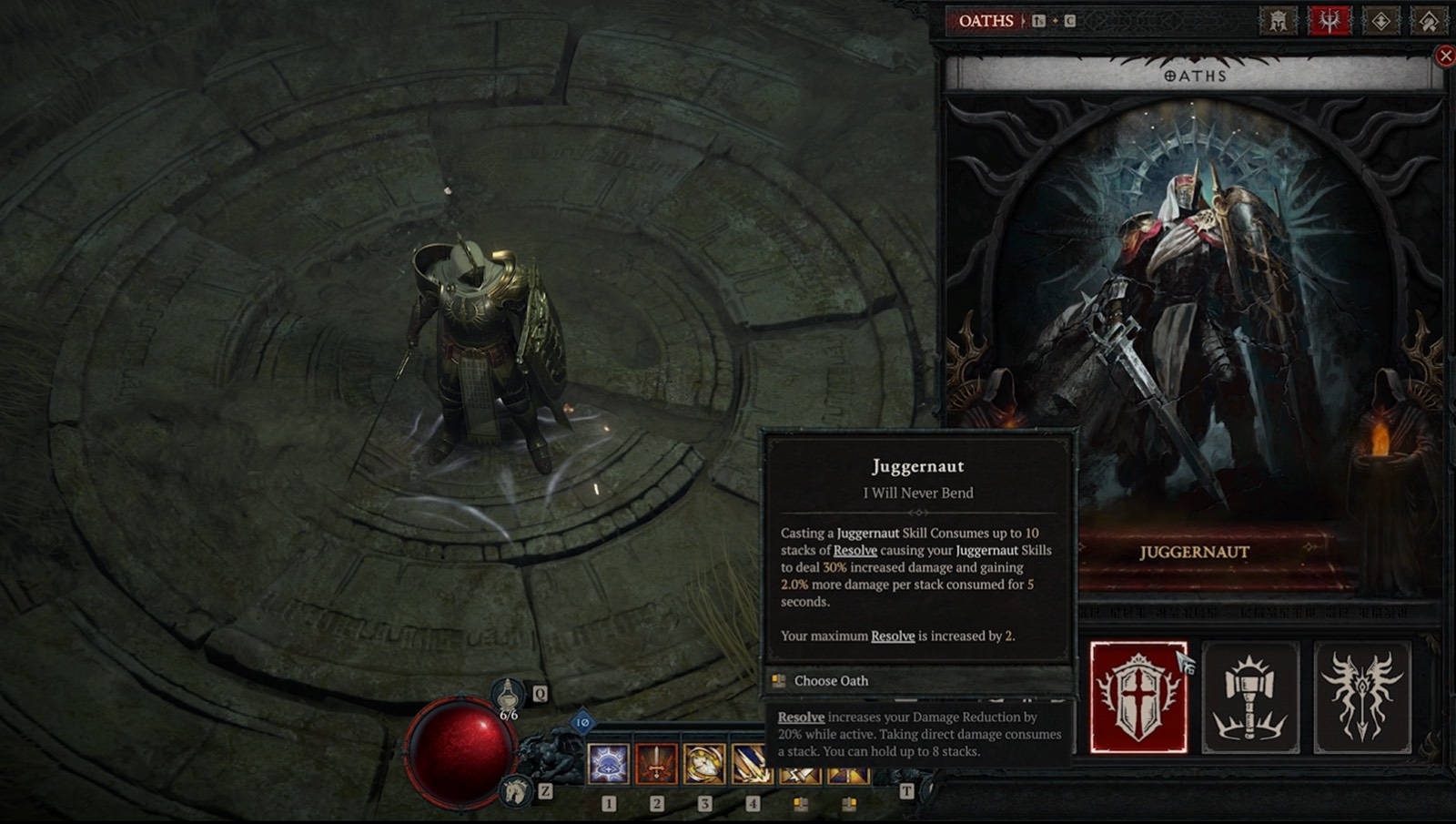
The Paladin sits at the opposite end of that spectrum. It is easier to pick up, more straightforward in its design, and that makes it an ideal entry point for returning players. There is enough flexibility to experiment, but it never feels overwhelming. It is a class that understands its role and delivers on it without complication.
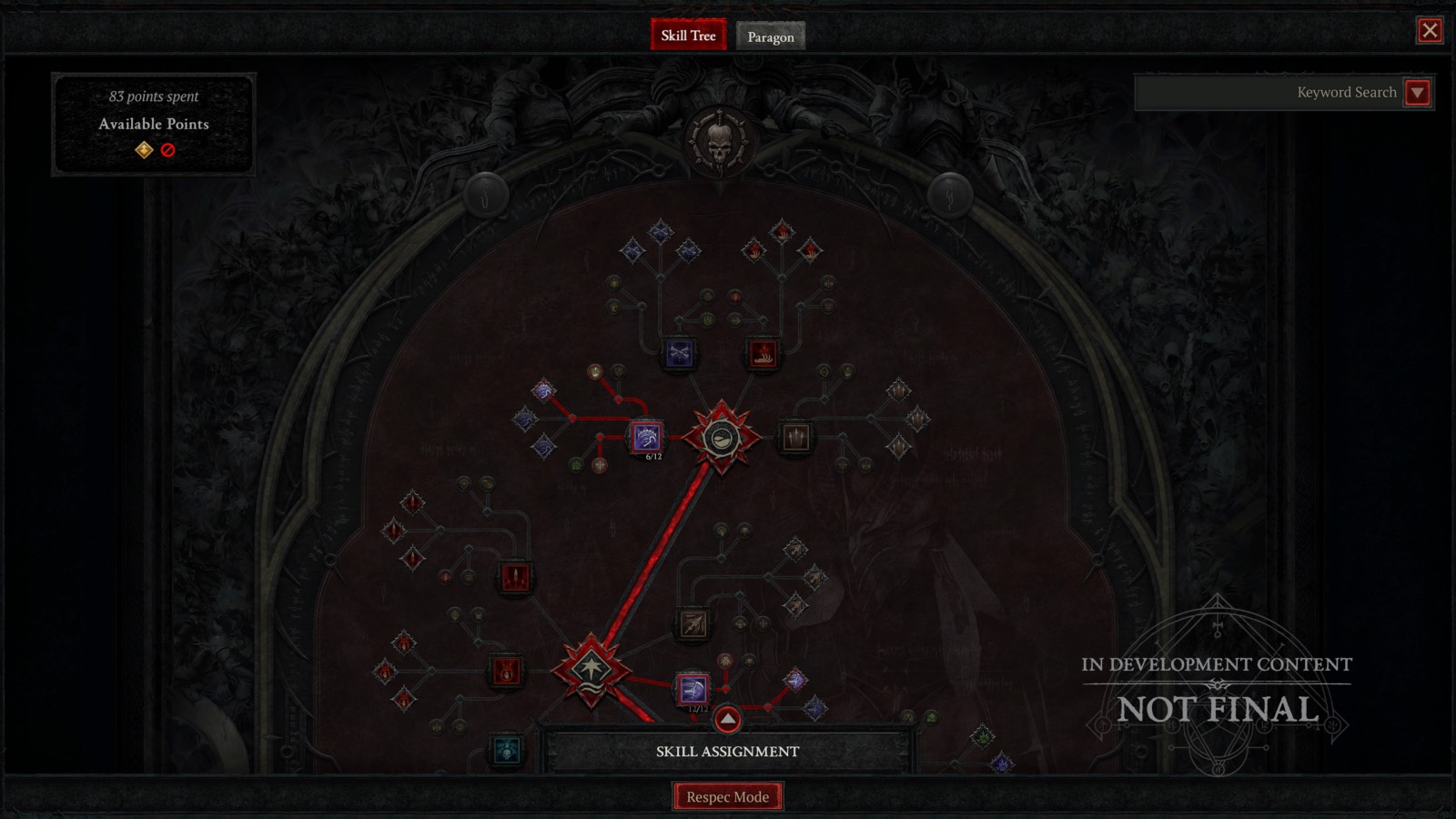
Together, these additions highlight something that Diablo IV was missing at launch. Classes now feel more defined, not just in the endgame, but throughout the entire experience. That shift alone changes how the game holds your attention. The broader systems support that change in ways that are less visible but just as important. Loot has been adjusted so that it feels more relevant, even if the core loop remains familiar. Progression feels more structured, with clearer goals and a better sense of direction.
The game no longer relies as heavily on the idea that everything meaningful happens later. It allows players to engage with its systems earlier, which makes the overall experience more satisfying.
This does not mean that every issue has been resolved. The endgame still has room to grow, and there are moments where repetition becomes noticeable. The expansion improves the journey, but it does not completely redefine where that journey leads. For some players, especially those looking for deeper long term systems, that may still feel like a limitation.
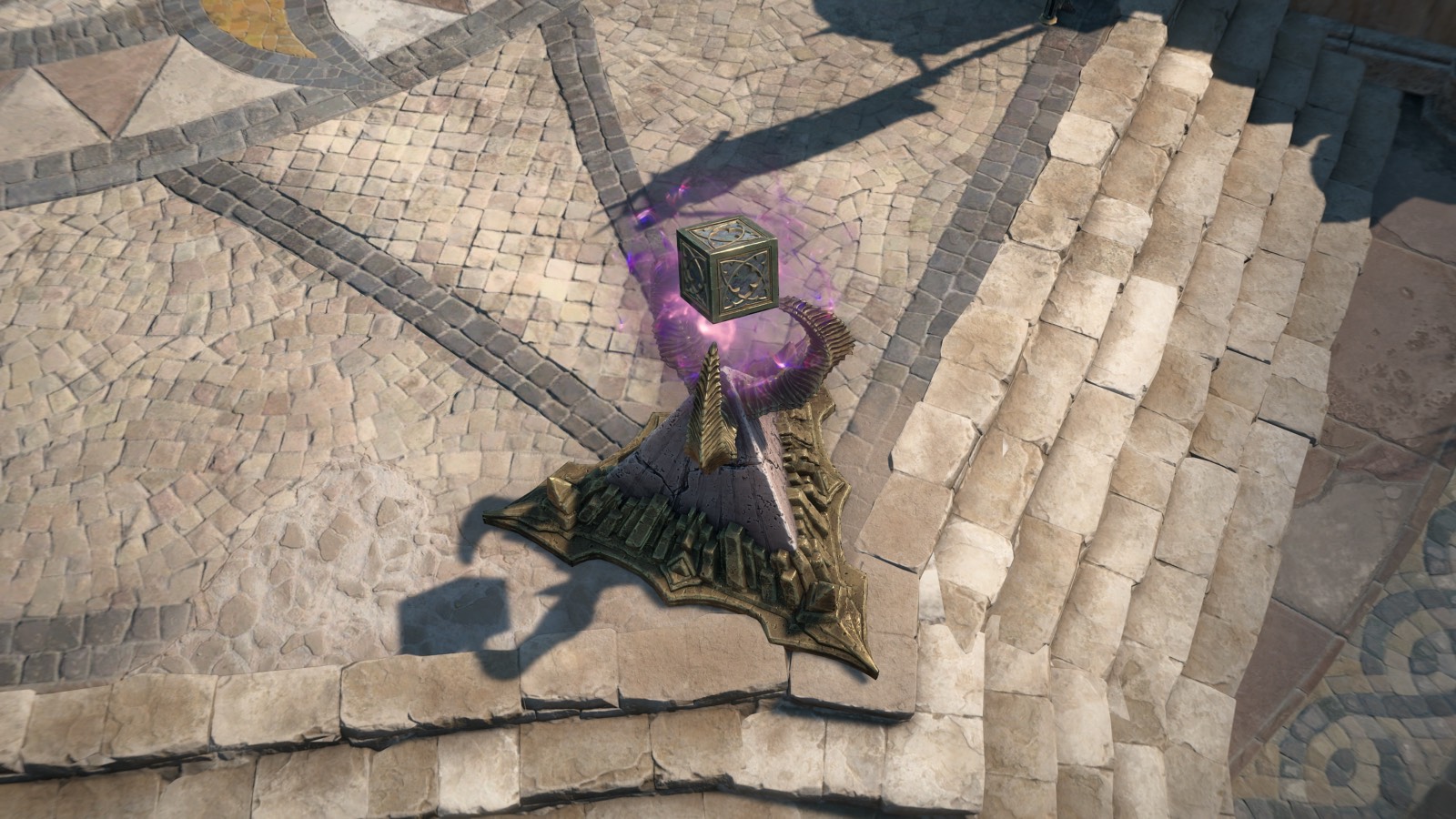
For others, it will be enough. The key difference is that Diablo IV now respects the time you put into it. It gives you reasons to experiment, reasons to care about your build, and reasons to stay engaged beyond the initial hours. For all players coming back, all classes receive major skill-tree reworks, level-cap changes, and a new loot filter when the expansion arrives, while expansion owners add the campaign, Skovos, the Horadric Cube, the Talisman, and new endgame systems on top.
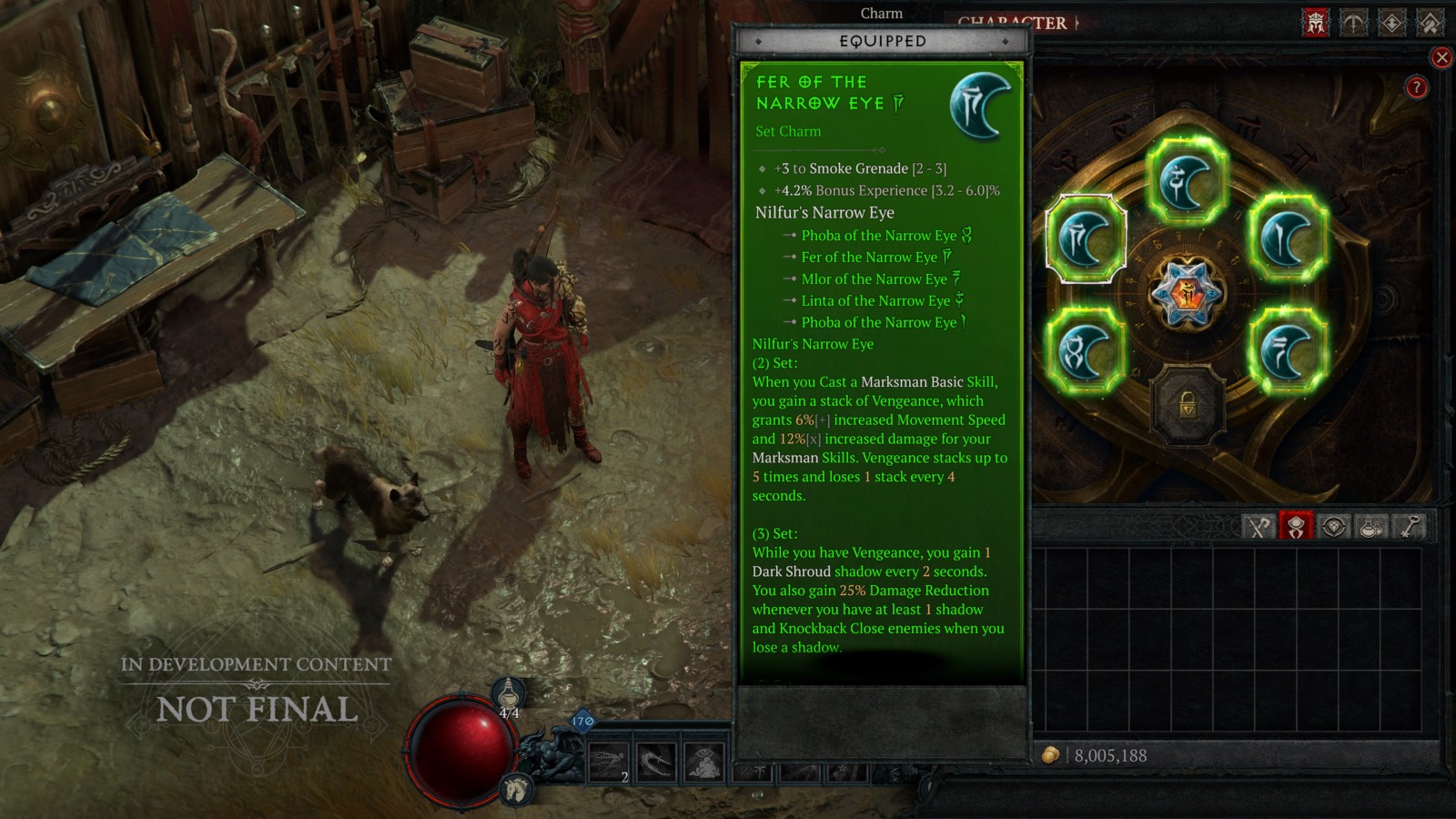
There’s now the Talisman for Charms and Set Bonuses and a Horadric Cube system that can upgrade common gear, reroll affixes, and push more items into relevance. The trees now focus more directly on active skills and modifications, with up to 15 points in a main skill node, which should create more viable builds before endgame loot takes over.
And if you choose to have a breather, you can always go fishing, yes even in the hell scarred landscape of Sanctuary, there’s now fishing!
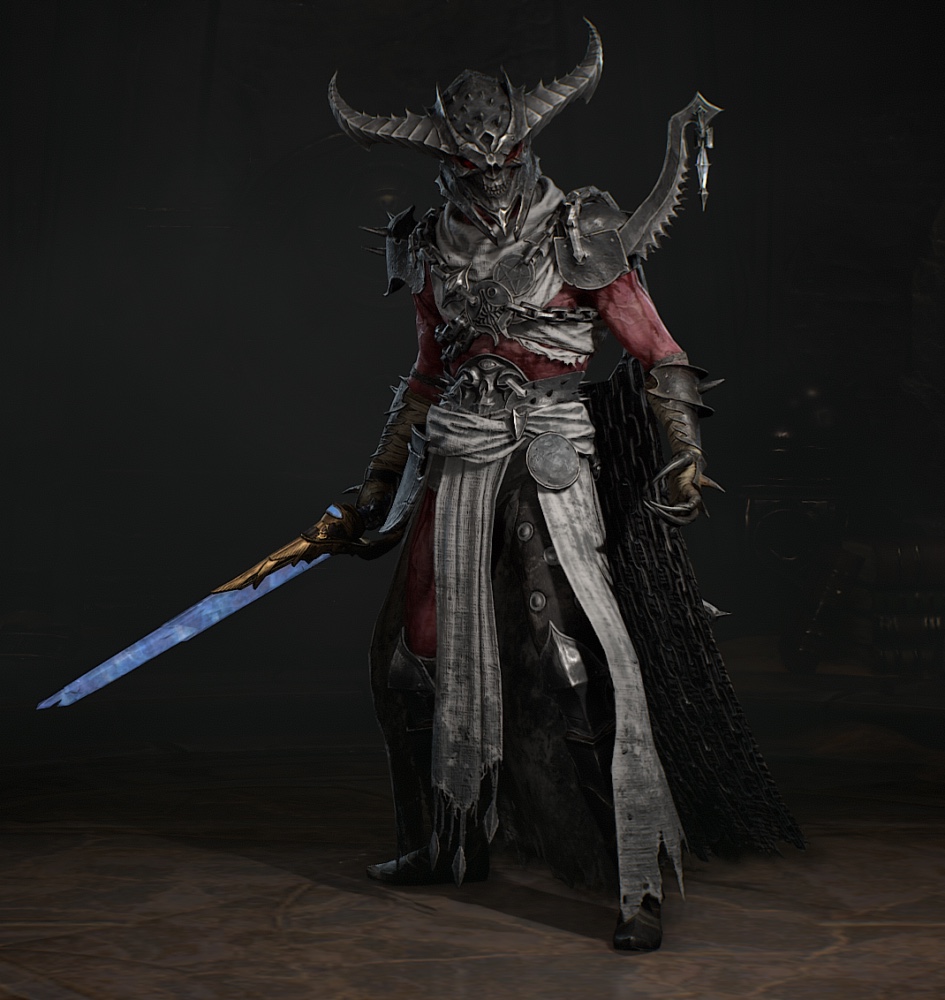
What Lord of Hatred ultimately does is turn Diablo IV into something that feels worth committing to from start to finish, whether you are returning or coming in fresh. For players who dropped off, it directly addresses the reasons you likely left. Progression no longer feels like a waiting game, builds start to take shape much earlier, and the moment to moment loop has more purpose behind it. You are not just grinding towards a version of your character that might feel good later, you are actually enjoying how it plays as you go. The additions of the Warlock and Paladin also help here, giving you both something new to experiment with and something familiar to ease back into the game.
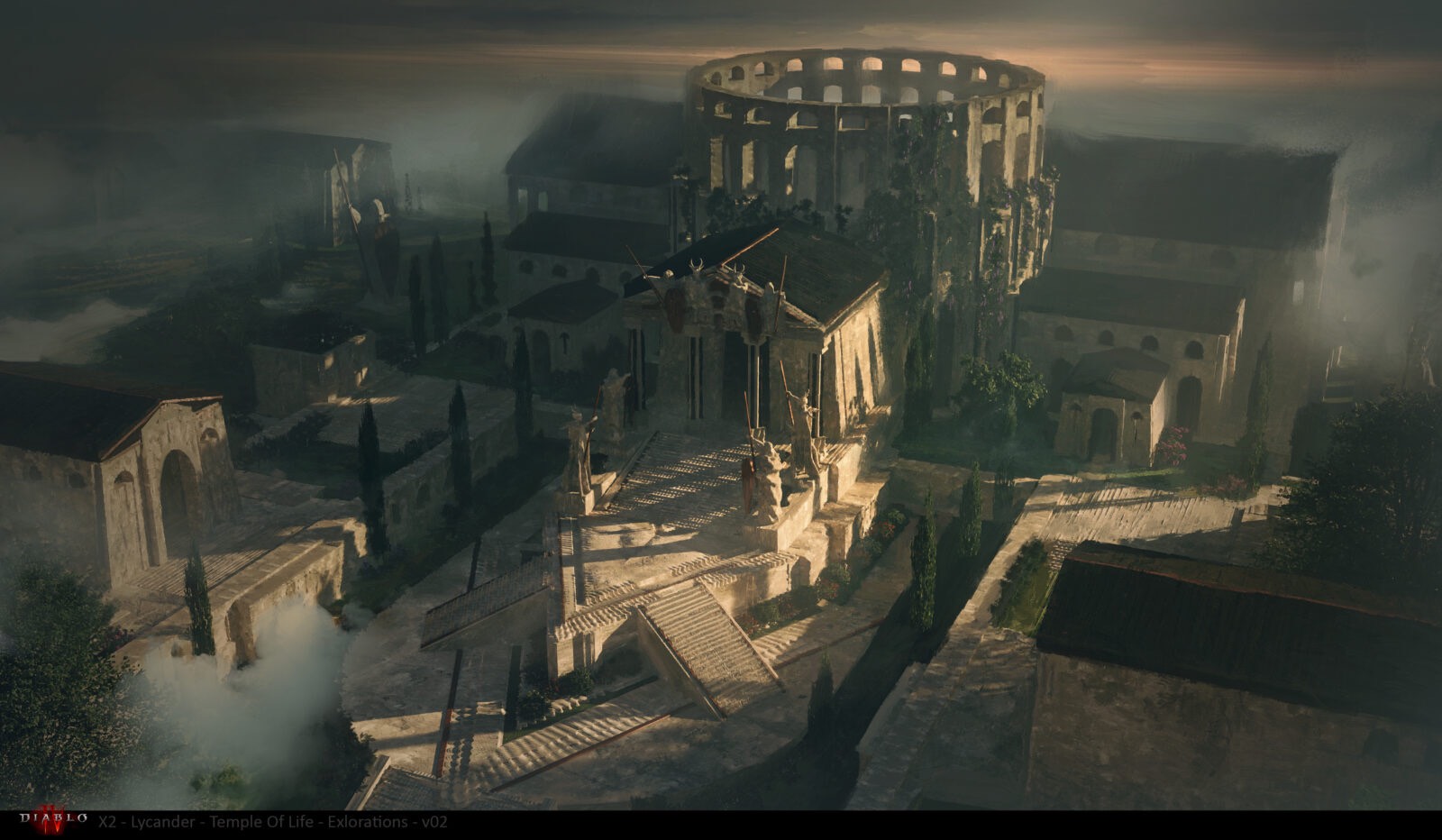
For new players, this is simply a better entry point than launch Diablo IV ever was. The systems are easier to understand, the pacing is more consistent, and the story carries more weight throughout the campaign. It feels more cohesive, more confident, and far less reliant on you pushing through weaker sections to get to the good parts. There is a clearer sense of direction from the beginning, which makes it easier to stay engaged without feeling overwhelmed or lost. Everything now feels like it is working together rather than pulling in different directions.
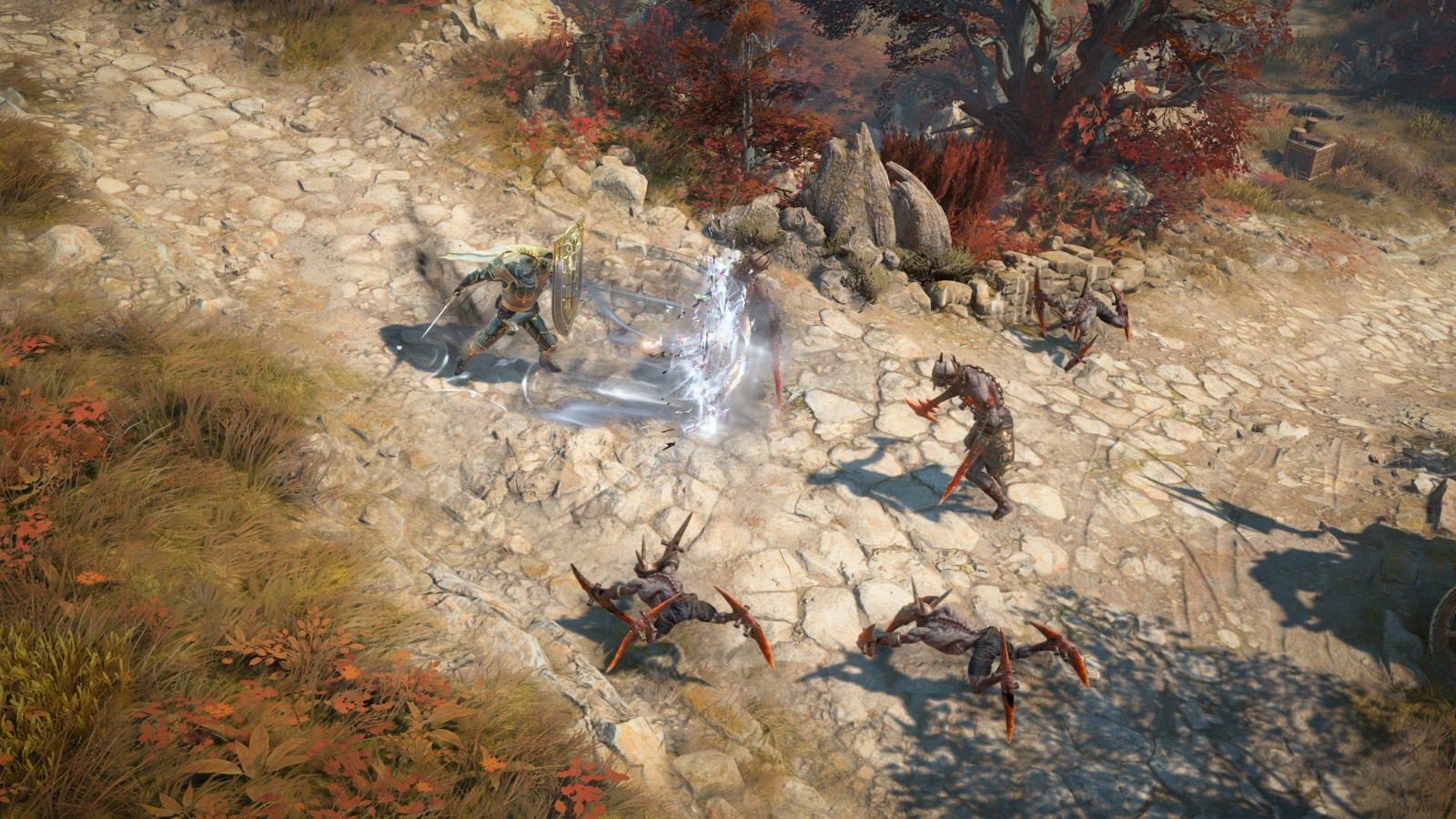
Whether you are someone who invested time early on or someone who never started, this is the point where Diablo IV delivers on what it promised and it’s worth seeing this one through to the end.