
TL;DR: Cthulhu: The Cosmic Abyss nails immersive detective puzzling in a flooded Lovecraftian world with clever sonar mechanics and branching corruption paths, though fiddly controls and spotty saves can frustrate. A strong 4/5 for horror fans who love thinking their way through dread rather than shooting it.
Cthulhu: The Cosmic Abyss
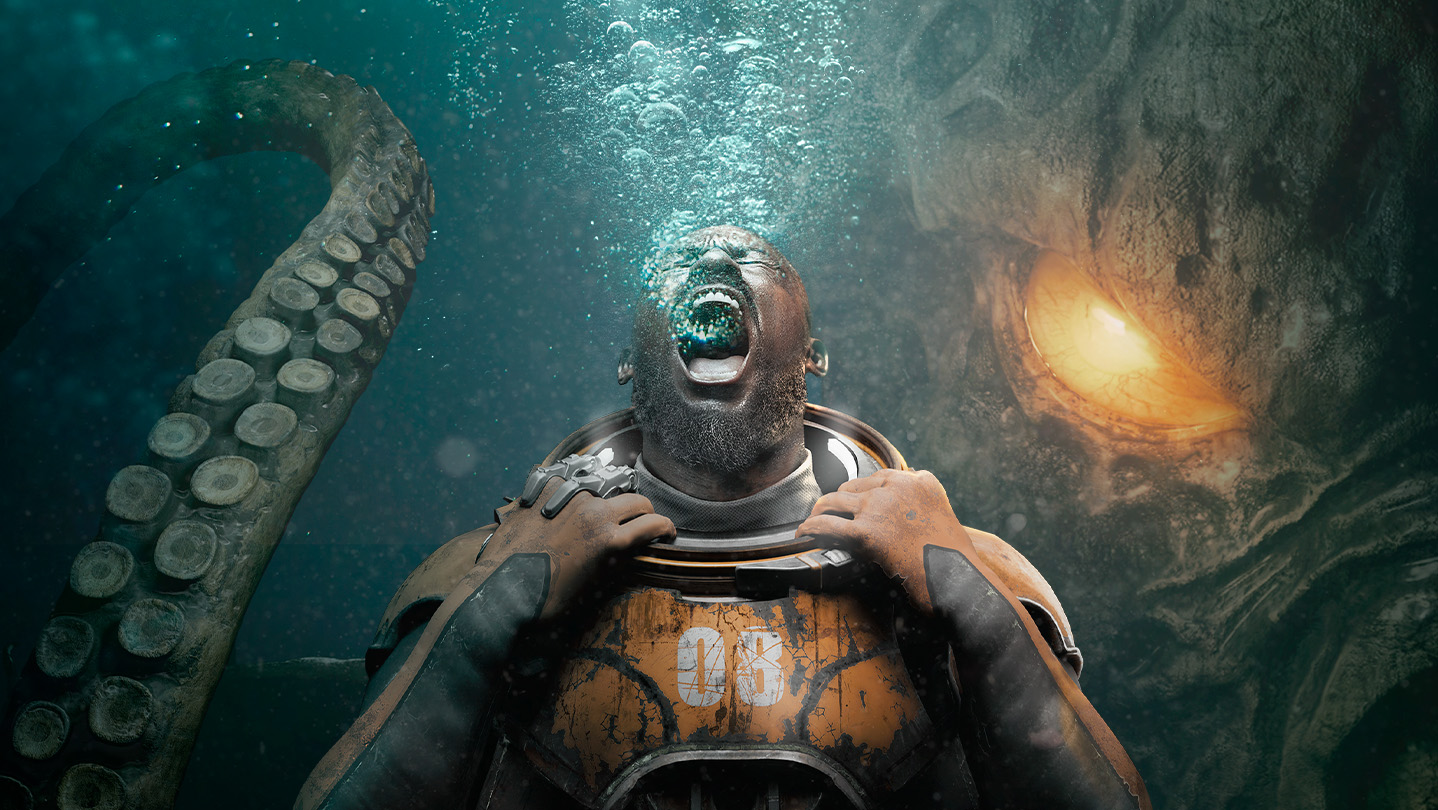
I still remember the first time a tentacled nightmare wormed its way into my gaming life. It was some dusty old Call of Cthulhu tabletop session back in my college dorm, where my friends and I spent more time arguing over sanity rolls than actually progressing the plot. Fast forward to now, and I’m sitting here in 2026, controller in hand, staring at flooded bayous and impossible underwater ruins, wondering why it took so long for a proper detective-style Lovecraft game to click this well. Cthulhu: The Cosmic Abyss isn’t just another mythos cash-in. It’s the kind of thoughtful cosmic horror experience that makes you feel like you’re genuinely unraveling forbidden knowledge, one soggy clue at a time.
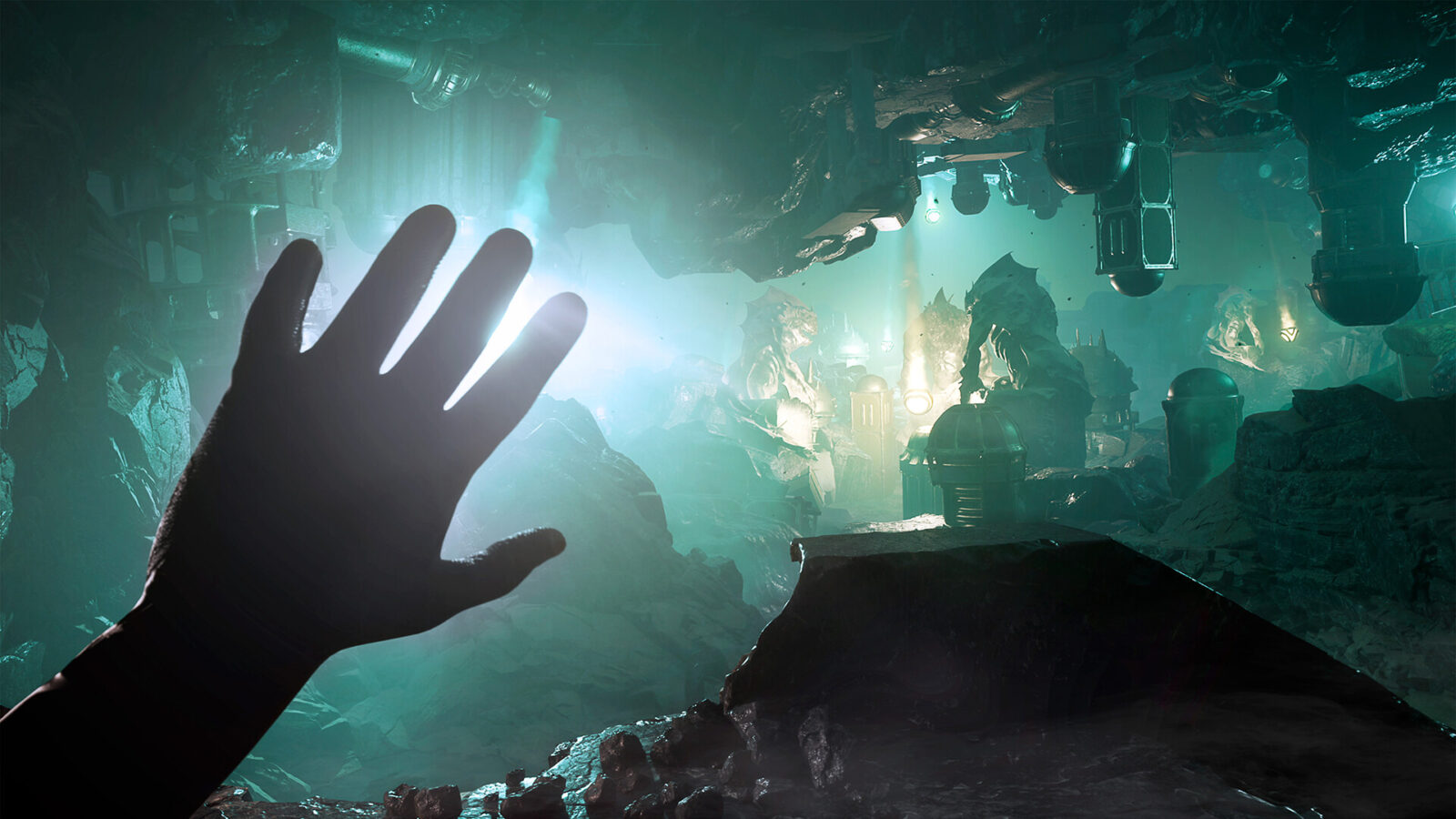
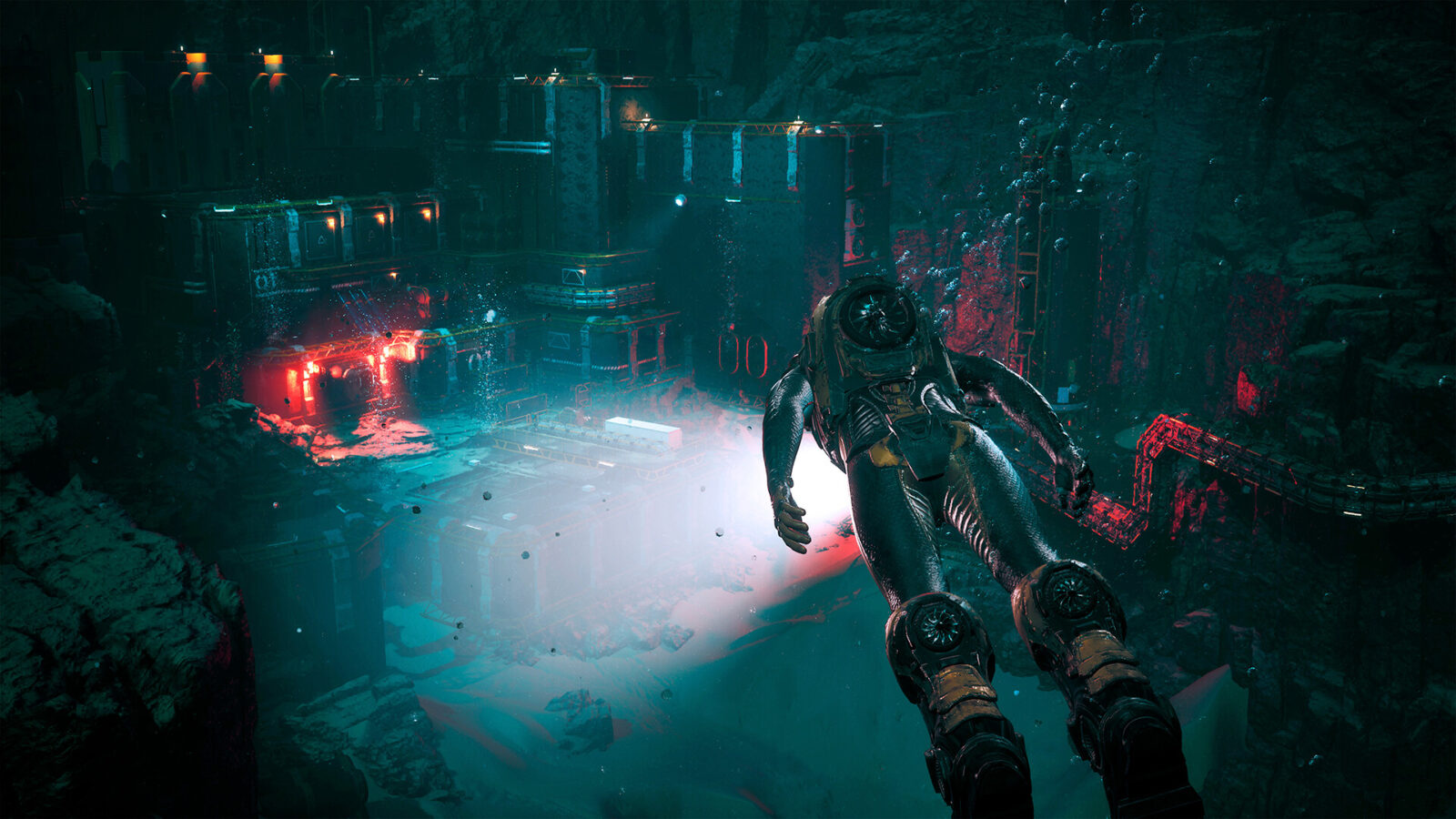
From the moment you step into the half-submerged world of this near-future setting, the atmosphere wraps around you like thick, brackish water. Climate change has turned everyday landscapes into something sinister, and the game leans into that dread without ever needing jump scares or cheap thrills. I found myself lingering in these environments longer than I probably should have, just soaking in the oppressive fog and the way light barely penetrates the depths. It’s the sort of vibe that reminds me why I fell for horror games in the first place—not for the monsters leaping out, but for that creeping sense that something ancient and indifferent is watching from just beyond the veil.
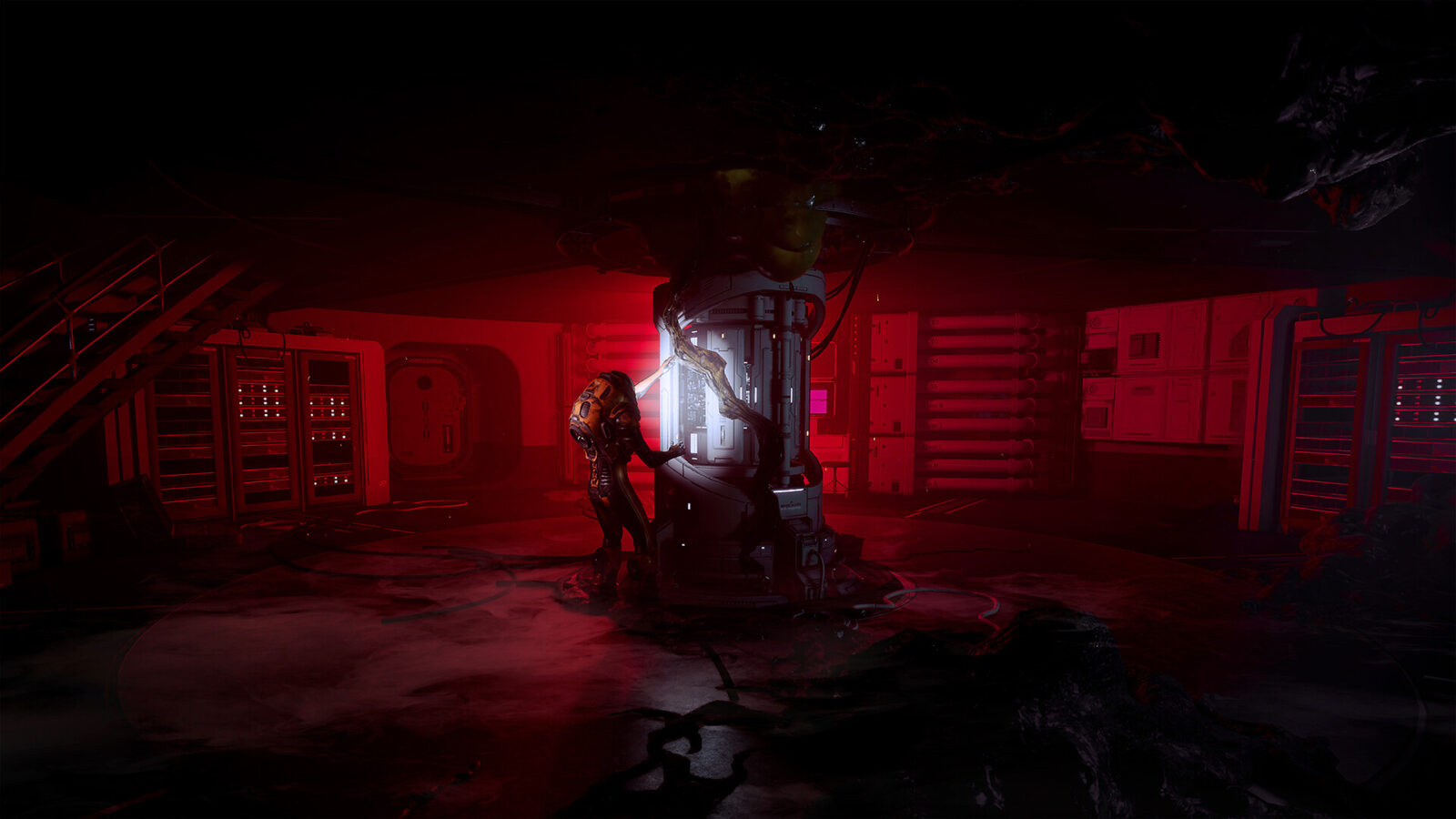
What really sets Cthulhu: The Cosmic Abyss apart is how it turns investigation into something tactile and immersive. You’re not just clicking through dialogue trees or following glowing quest markers. Instead, you’re in first-person, physically picking up objects, rotating them in your hands, and piecing together what they mean for the doomed expedition you’re trailing. There’s this clever sonar mechanic that lets you ping specific materials or traces across a cluttered scene, turning what could have been overwhelming clutter into a satisfying hunt. Early on, I spent a good chunk of time scanning for matching hooks along a path, feeling like a proper underwater detective rather than some passive observer. It captures that Lovecraftian essence beautifully: the horror isn’t in fighting eldritch beasts head-on, but in methodically uncovering truths that were better left buried.
The mind map system adds another layer of delicious brain-teasing. Your AI companion chimes in with pointed questions, forcing you to connect evidence in logical ways before you can push forward. Sure, you can sometimes brute-force your way through by guessing, but with the sheer volume of details scattered around each chapter, it genuinely rewards paying attention. I caught myself pausing mid-session, notebook in my lap (yes, actual paper—old habits die hard), sketching out connections like some conspiracy theorist in a basement. And the best part? Getting a deduction right doesn’t magically solve everything. You still have to act on it, navigating twisting halls or figuring out how to bypass some looping underwater maze. It keeps the tension high without ever feeling rushed, letting the dread build naturally as you follow in the footsteps of those who came before and didn’t make it back.
One thing I appreciated was the flexibility baked into the design. Not every puzzle demands you log everything formally in the mind map. A few times, context clues and good old-fashioned observation let me skip ahead on my own terms, which felt incredibly empowering. Difficulty options even let you dial in hints, like knowing roughly how many clues you’re missing in a given area, so you don’t waste hours floundering. Then there are the branching paths—corrupt or clean choices that affect not just your ending but how much sanity (or whatever passes for it) you cling to. I experimented with the quicker, more tempting corrupt routes on my first playthrough, only to watch my upgrades glitch out in subtle ways later. It made replays feel worthwhile, like I was chasing different flavors of madness.
Of course, not everything dives as smoothly as I’d hoped. The object manipulation, while ambitious, can turn fiddly in the later stages. There were moments where I knew exactly what needed doing—rotating some ancient artifact just so—but the controls fought me every step, requiring awkward dips in and out of inspection modes. One particular engraving puzzle had me muttering under my breath, even after cracking the logic, because getting the physical orientation right felt more like a dexterity test than a mental one. And the save system? Let’s just say it’s not always your friend. Autosaves hit at odd intervals, and I lost progress a couple of times after solving something tricky, only to reload back further than expected. Technical hiccups popped up too, forcing the occasional restart, which pulled me out of the immersion right when the story was getting its hooks in deepest.
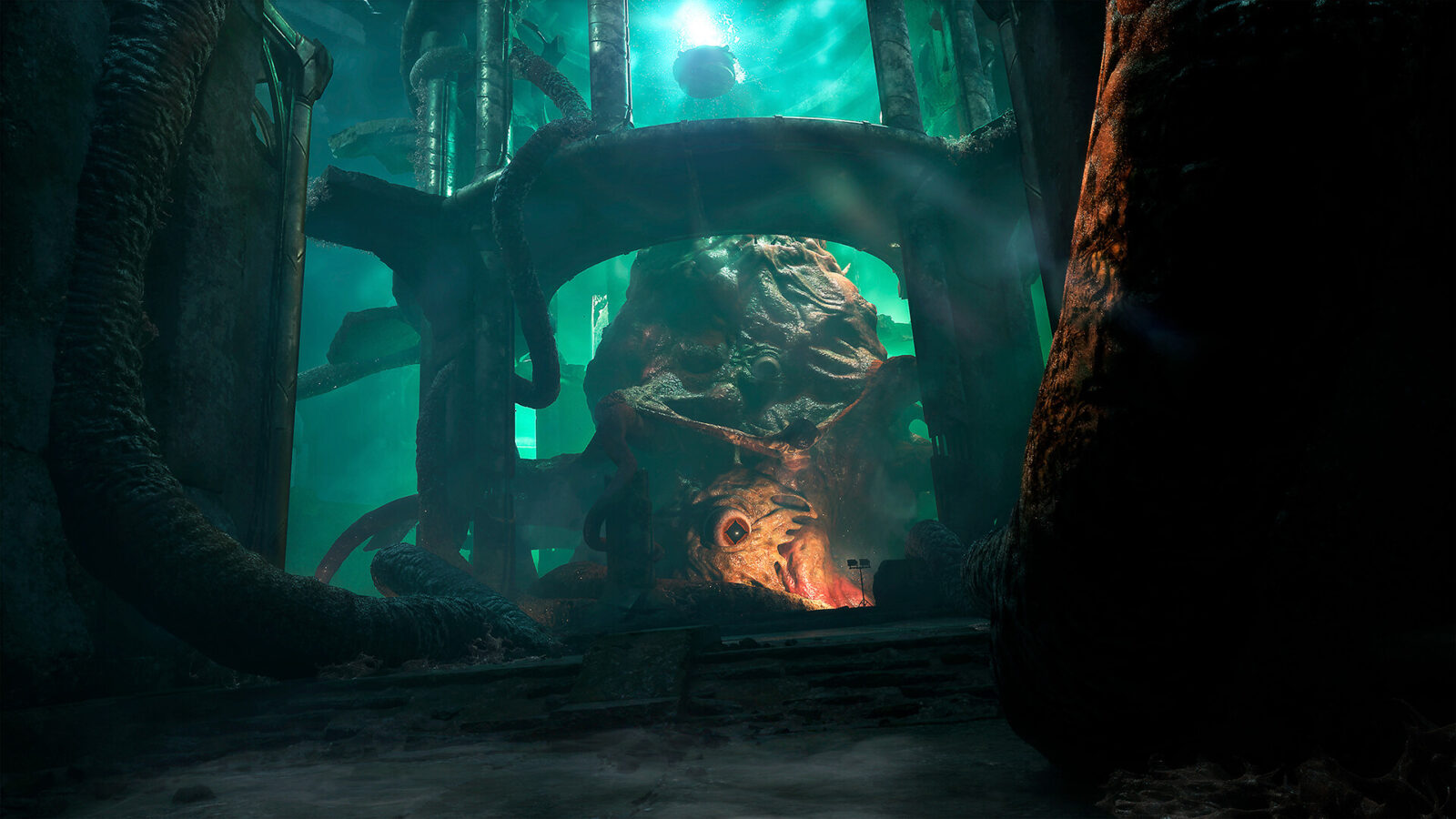
These rough edges didn’t ruin the experience for me, but they did occasionally replace quiet pondering with frustrated grumbling. It’s a shame, because when the game clicks, it really clicks. The way it weaves in classic Lovecraft elements—twisted cities, forbidden knowledge, the slow erosion of the human mind—while updating them for a modern audience feels respectful without being slavish. I never felt like I was just checking off mythos bingo cards. Instead, it built its own mystery around an undersea expedition gone horribly wrong, pulling me deeper with every chapter.
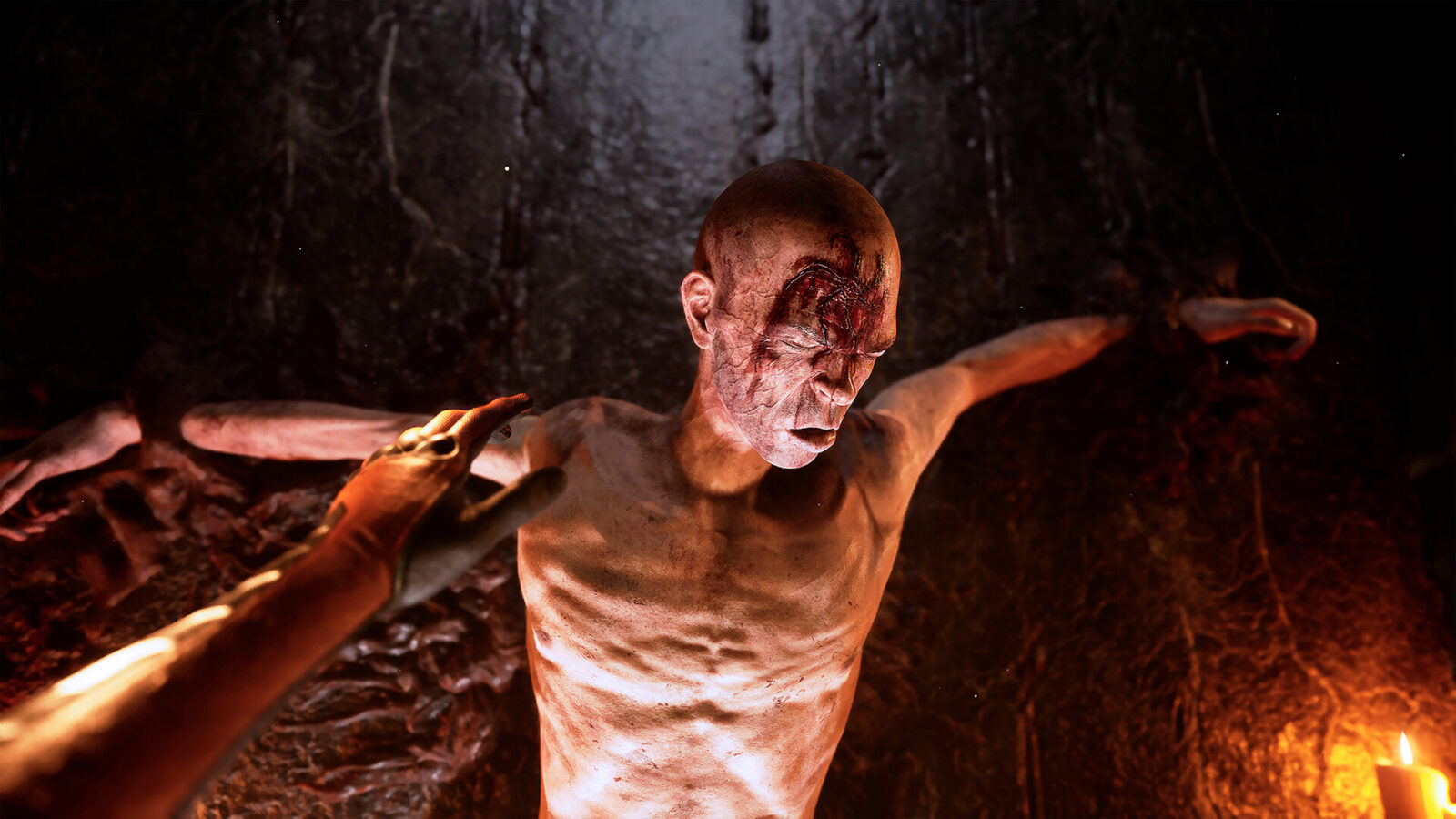
By the time the credits rolled, my brain felt satisfyingly exercised, even if a few neurons were left annoyed from the clunkier bits. This is the Lovecraftian detective adventure I’ve been craving: one that trusts players to think, explore, and occasionally embrace a little corruption along the way. It understands that the real terror comes from the unknown, not from scripted chases or boss fights. Fans of thoughtful horror games will find plenty to love here, especially if you’re the type who enjoys piecing together puzzles in haunted, waterlogged ruins.
Verdict
In the end, Cthulhu: The Cosmic Abyss stands as a compelling, if imperfect, plunge into cosmic horror gaming. Its ambitious investigation systems and rich atmosphere more than make up for occasional fiddliness and technical stumbles, delivering a detective story that lingers long after you’ve surfaced. It’s not flawless, but when it works, it stretches your mind in all the right eldritch ways—perfect for anyone who’s ever wondered what it might feel like to stare too long into the abyss and have it stare back with a knowing wink.