TL;DR: Dead as Disco is a fantastic rhythmic brawler with tight combat, memorable characters, and incredible custom music tools that already make it a community-driven phenomenon in Early Access. The foundation is excellent and the modding scene promises years of fresh content, making it a must-play for fans of stylish action and rhythm games alike.
Dead as Disco
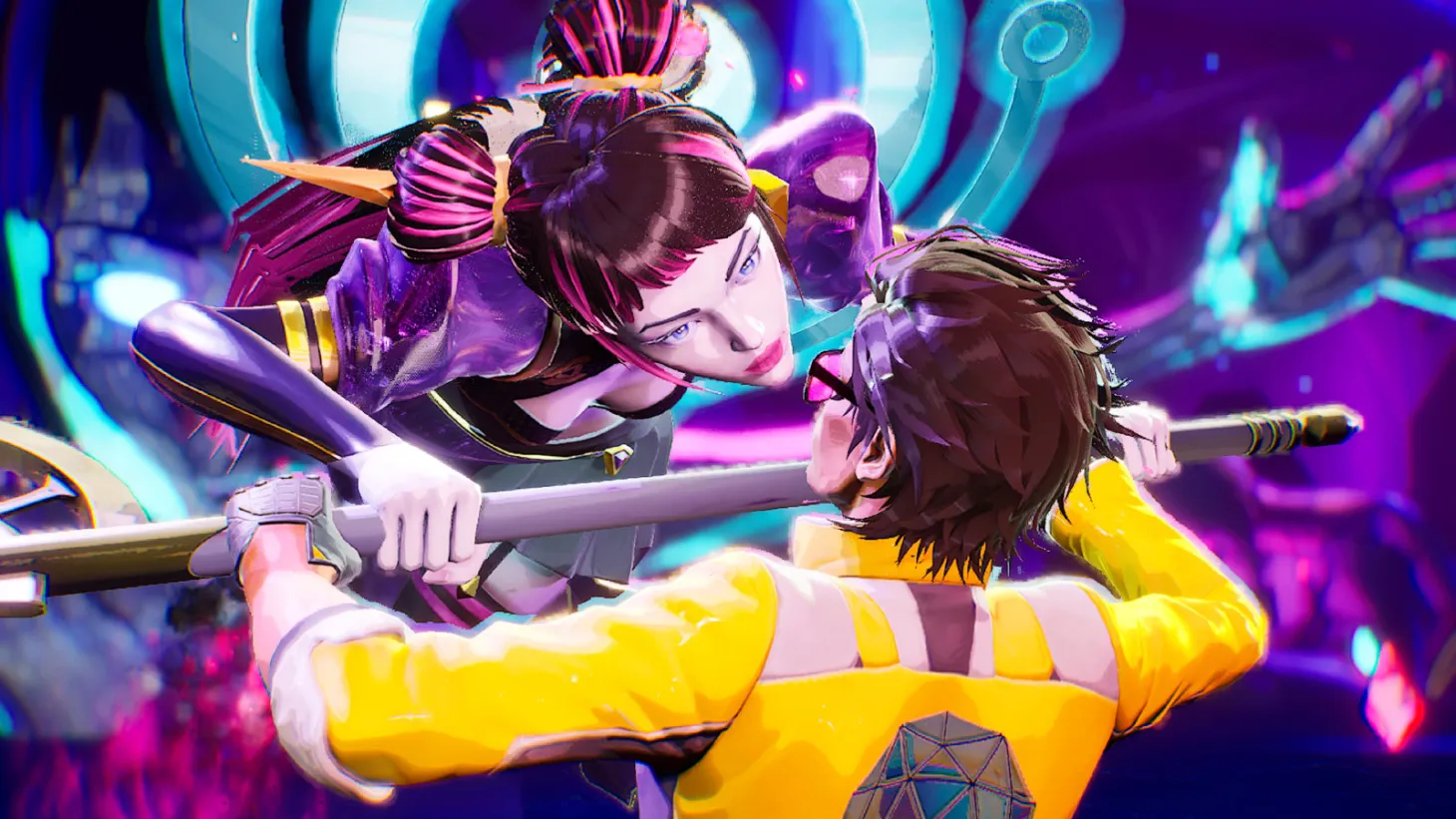
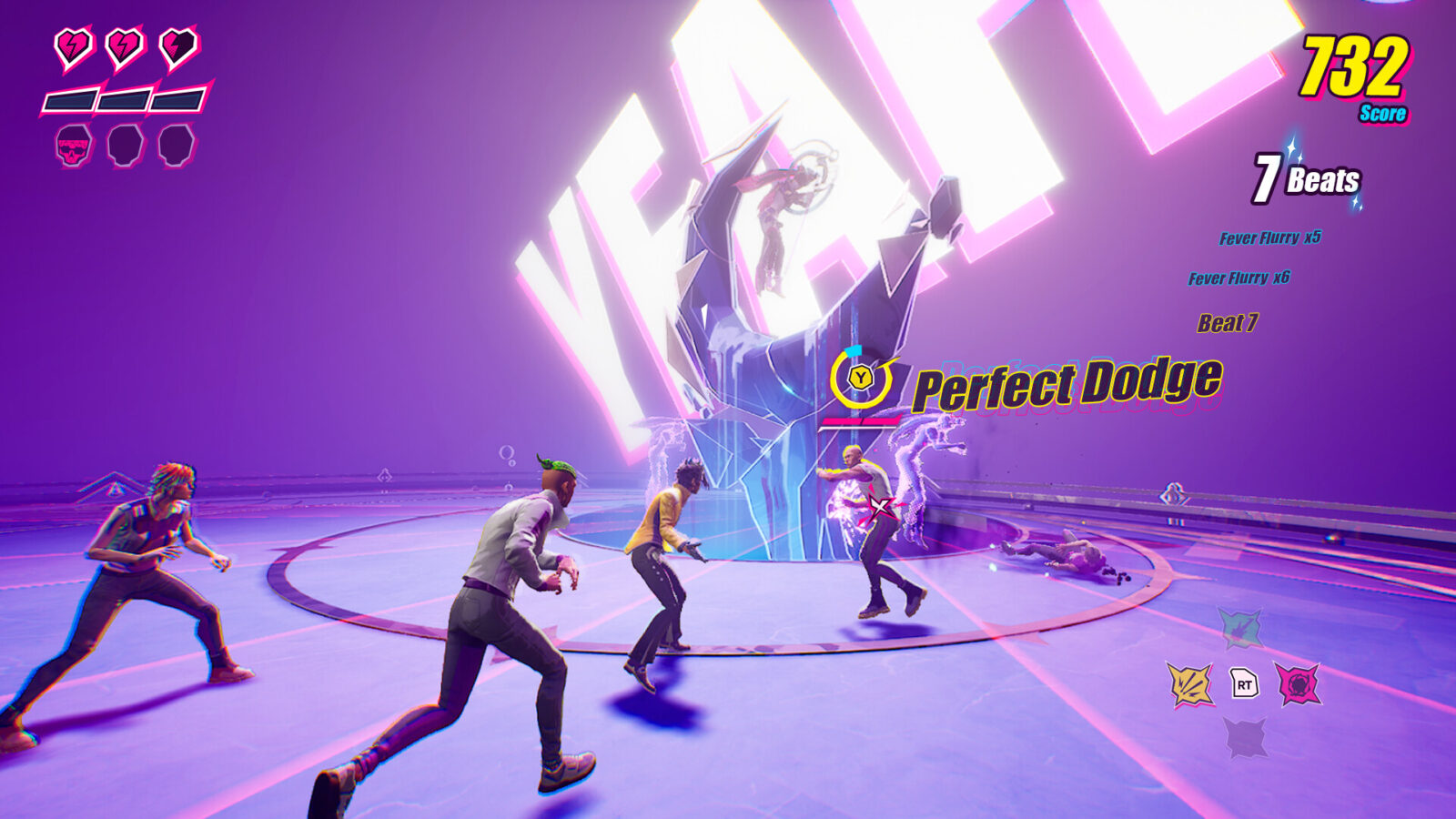
There’s something electric about a game that doesn’t just want you to play it, but demands you feel it in your bones, syncing your entire nervous system to a pulsing soundtrack while you’re busy dropkicking neon-drenched goons across rain-slicked rooftops. Dead as Disco, the latest creation from Brain Jar Games, nails that sensation right from the opening beat drop. Even in its Early Access phase, this stylish rhythmic brawler already pulses with the kind of raw charisma that makes you forget you’re holding a controller and convinces you that you’re actually part of some underground music scene turned glorious street war. The combat flows like a perfectly timed music video sequence, where every punch, dodge, and parry lands exactly on the beat, turning what could have been standard hack-and-slash chaos into a hypnotic dance of controlled violence.
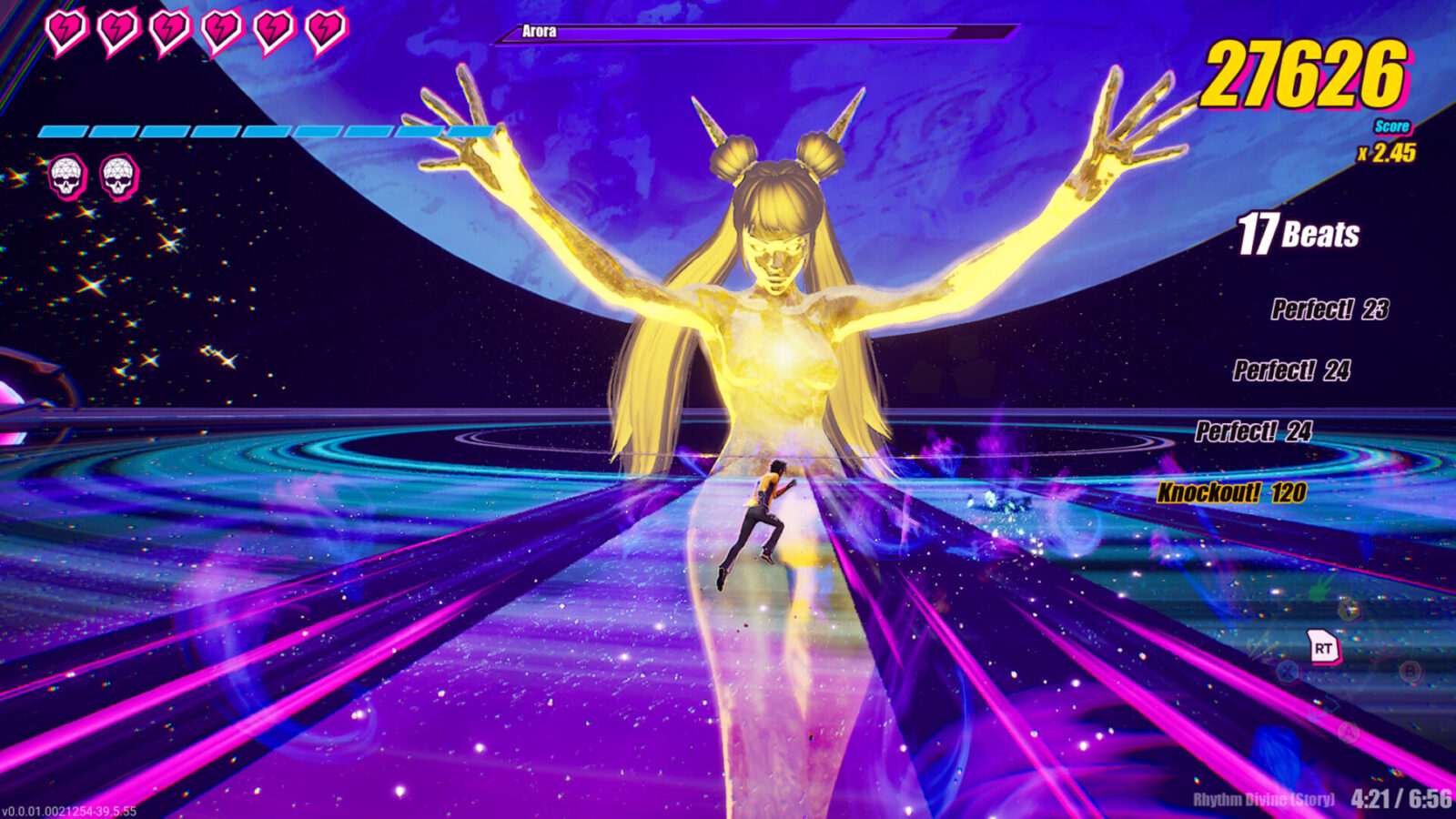
What separates Dead as Disco from the crowded field of action games is how deeply it respects the rhythm at its core without turning the experience into a frustrating test of perfect timing. Enemies don’t just attack randomly; their moves telegraph through the music itself, creating this beautiful tension where you’re constantly reading the track like a conductor while simultaneously surviving a riot. I found myself leaning forward in my chair during longer sessions, heart rate climbing as waves of thugs closed in, each one moving in perfect sync with bass lines that shifted from gritty industrial beats to soaring synthwave anthems. It’s the kind of game that makes you feel like a rockstar mid-performance, except your instrument is a devastating combo that shatters concrete and sends opponents flying into dumpsters with cartoonish flair. The neon aesthetics only amplify this feeling, bathing every arena in vibrant pinks, electric blues, and radioactive greens that make the whole thing look like a cyberpunk fever dream directed by someone who grew up mainlining both Suda51 games and old-school rhythm titles.
The Music That Defines the Mayhem
One of the smartest moves Brain Jar Games made was building an eclectic soundtrack that actually serves the narrative and gameplay rather than just filling background space. Each chapter introduces you to Charlie Disco’s former bandmates, and their musical identities shape not just the level themes but the entire enemy encounter design. One ex-bandmate might throw you into an angsty emo rock arena where the combat feels raw and emotionally charged, full of dramatic pauses and explosive choruses that mirror the character’s personality. Another dives headfirst into bumping rap territory, where the flow becomes faster, more aggressive, and requires you to chain combos with surgical precision.
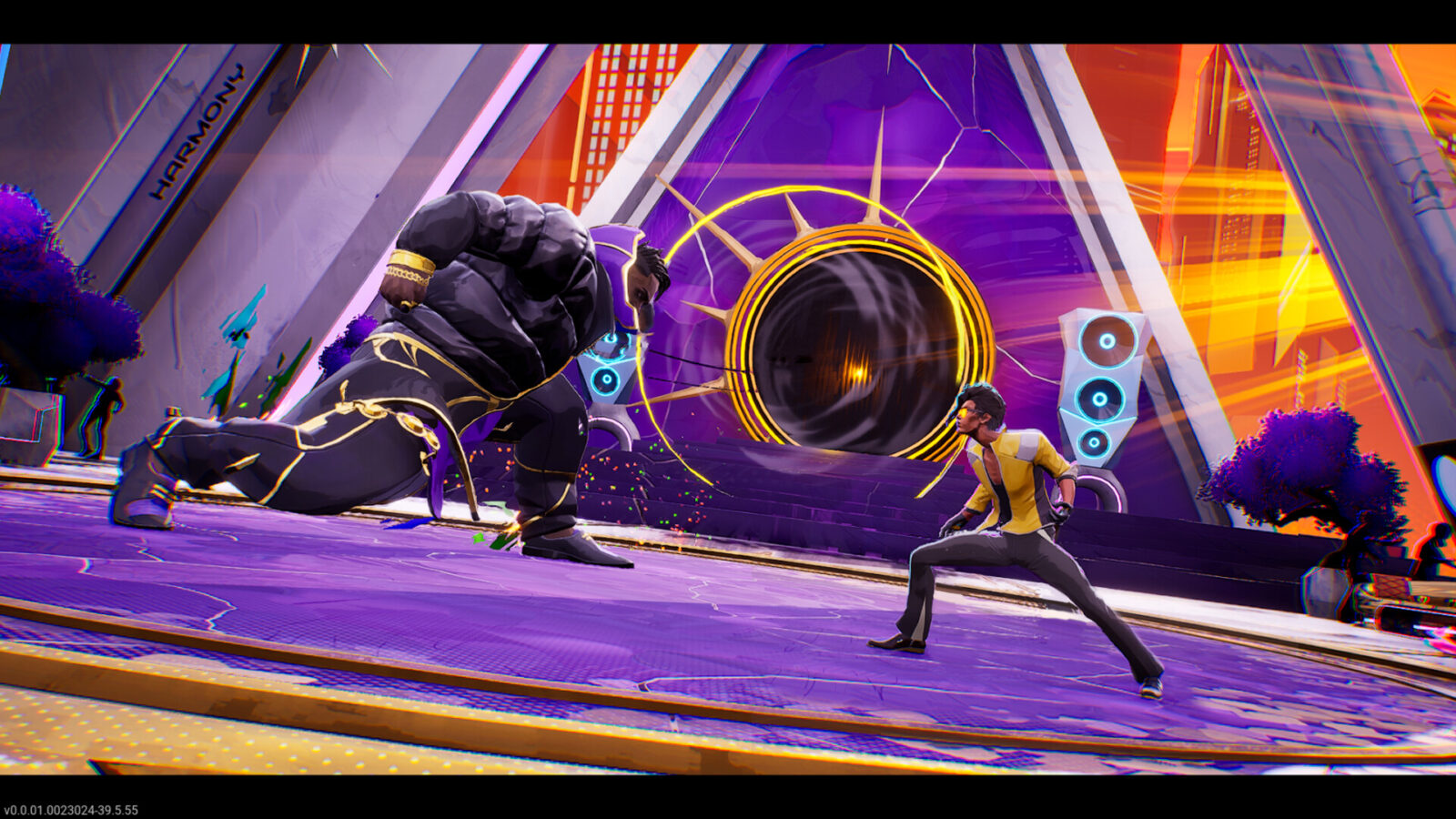
This isn’t just surface-level flavor either. The way the game layers its audio design creates this incredible feedback loop where failing a parry doesn’t just cost you health, it feels like you dropped the beat in front of a live audience. Success, on the other hand, delivers that sweet dopamine rush of nailing a particularly tricky section, watching your score multiplier climb as the music swells around you. It reminds me of those perfect moments in Hi-Fi Rush where everything clicks, except here the stakes feel more personal because Charlie’s story carries real emotional weight beneath the flashy exterior. You’re not just fighting for high scores; you’re helping a washed-up musician reclaim their rhythm, literally and figuratively. The writing walks that perfect line between sincere and completely unhinged, with banter that made me laugh out loud while I was mid-combo, dodging projectiles that exploded in time with snare hits.
Why Custom Music Changes Everything
Here’s where Dead as Disco truly separates itself from the pack and starts feeling like something that could have serious staying power: the robust custom music tools already available in Early Access. While many rhythm games live and die by their licensed tracklists, this title hands players the keys to the kingdom, letting them craft entirely new experiences with any song they desire. The built-in calibration tools are surprisingly intuitive, letting you fine-tune beat detection until your favorite obscure track from some forgotten 2000s album becomes a legitimate combat arena.
I spent an entire evening importing everything from classic rock anthems to underground electronic tracks, watching in amazement as the game transformed each one into a living, breathing level complete with enemy patterns that actually matched the new musical energy. There’s something magical about hearing a song you’ve loved for years suddenly become the soundtrack to beautifully choreographed violence. One moment you’re jamming to an old favorite during a calm exploration section, and the next you’re weaving through a minefield of attacks that hit precisely on the guitar solo. This player-driven approach transforms Dead as Disco from a solid single-player experience into a creative platform that could easily sustain itself for years through community content alone. It feels like the developers understood that the real magic happens when fans get their hands on the tools and start pushing boundaries in ways the original designers never imagined.
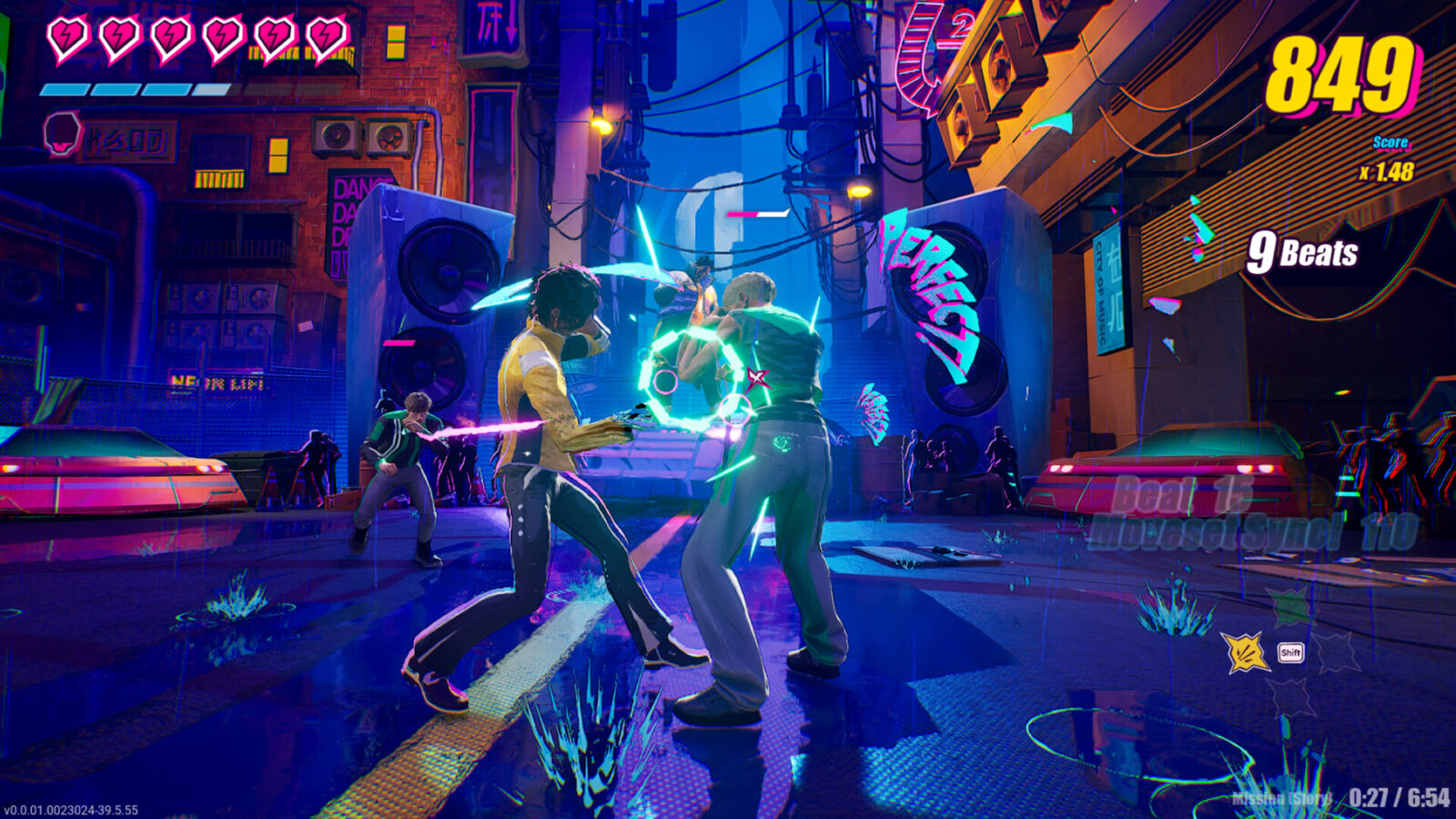
The community has already embraced this freedom with impressive enthusiasm, creating everything from faithful recreations of iconic music videos to wildly experimental levels that pair unexpected tracks with completely new combat flows. Watching some of these custom stages in action feels like discovering a secret underground club where the rules of traditional game design simply don’t apply. It’s the kind of organic growth that turned games like Garry’s Mod into cultural phenomena, except here the foundation is already rock-solid before the modders even get started. Brain Jar Games deserves real credit for recognizing that in the age of endless content consumption, giving players ownership over the experience might be the smartest way to ensure longevity.
The Combat Loop That Keeps You Coming Back
At its mechanical heart, Dead as Disco delivers satisfying, weighty combat that rewards both creativity and precision in equal measure. Charlie moves with this incredible sense of momentum, floating across the battlefield in ways that make you feel genuinely agile rather than just another character running through preset animations. The parry system in particular stands out as one of the most enjoyable implementations I’ve experienced in recent years, giving you that split-second window to turn an enemy’s attack back against them while maintaining the all-important rhythm.
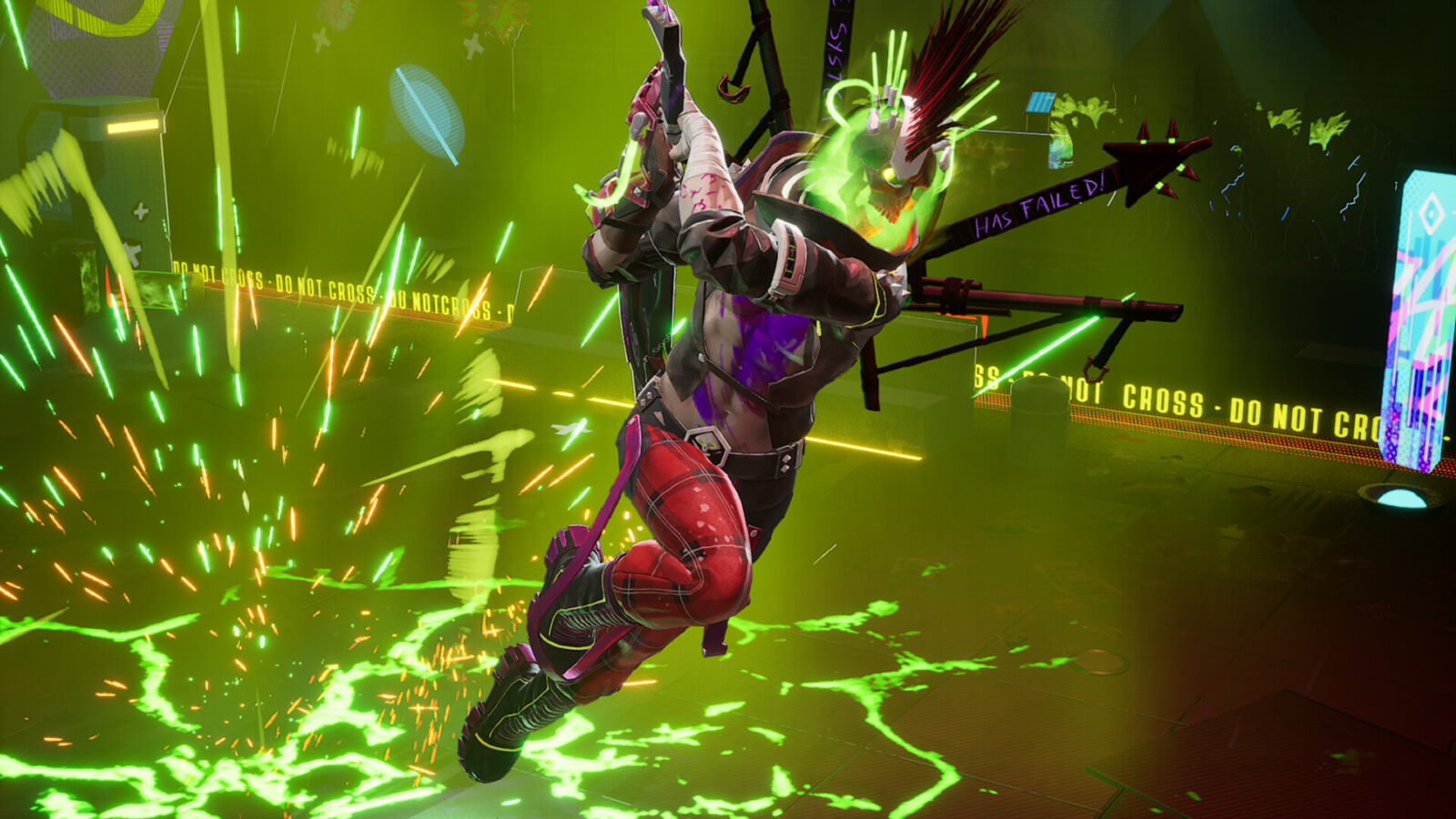
What keeps the experience fresh across multiple playthroughs is how the game constantly introduces new enemy types and environmental hazards that force you to adapt your approach without ever breaking the musical flow. You might master a particular combo string only to face a new threat that completely changes how you need to position yourself, leading to those wonderful “aha!” moments where everything suddenly clicks into place. The visual feedback is excellent too, with screen-shaking impacts, colorful particle effects, and satisfying ragdoll physics that make every successful beat drop feel impactful. It’s the kind of game where you’ll die repeatedly to the same section, not out of frustration, but because you’re determined to nail that perfect run where every move lands exactly as the music intends.
The progression systems strike a nice balance between accessibility and depth, letting casual players enjoy the spectacle while giving dedicated rhythm game enthusiasts plenty of reasons to chase higher scores and unlock new abilities. I particularly appreciated how the game never punishes you too harshly for missing a beat or two, instead encouraging you to jump back into the groove and keep the momentum going. It creates this welcoming atmosphere that makes you want to keep playing long after you should have taken a break, always promising that the next run will be the one where everything aligns perfectly.
Looking Ahead to What Comes Next
As someone who’s followed the evolution of rhythm action games for years, I’m genuinely excited about where Brain Jar Games could take Dead as Disco by the time it reaches its full 1.0 release. The foundations here are so strong that the potential for meaningful expansion feels almost limitless. New story chapters, additional character abilities, and even more sophisticated modding tools could turn this into something truly special within the genre.
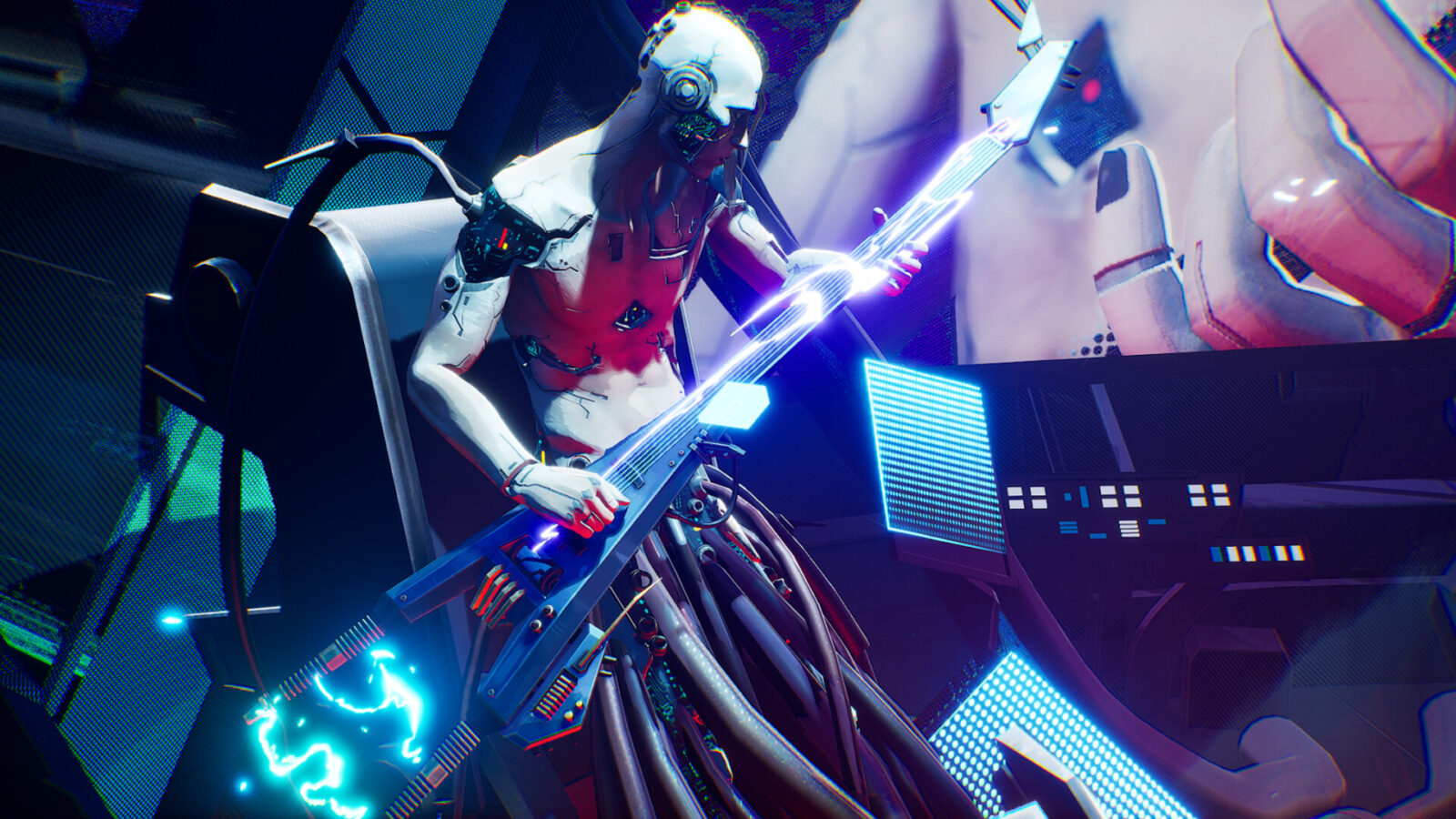
The studio seems to understand that the real magic lies in fostering creativity rather than trying to control every aspect of the experience. In an industry that often feels increasingly corporate and risk-averse, there’s something refreshing about a game that embraces chaos and community in such an enthusiastic way. The neon aesthetics, memorable characters, and infectious energy all point toward a title that could develop a dedicated following of players who treat custom level creation as its own art form.
Verdict
Dead as Disco proves that sometimes the most exciting games aren’t the ones with the biggest budgets or most aggressive marketing campaigns, but rather those that understand the pure joy of creative expression through gameplay. It successfully blends rhythmic precision with satisfying brawler combat while opening the door for players to make the experience entirely their own. Even in its current Early Access state, it delivers enough polish and personality to stand out from the crowd, and the modding potential suggests a bright future ahead.