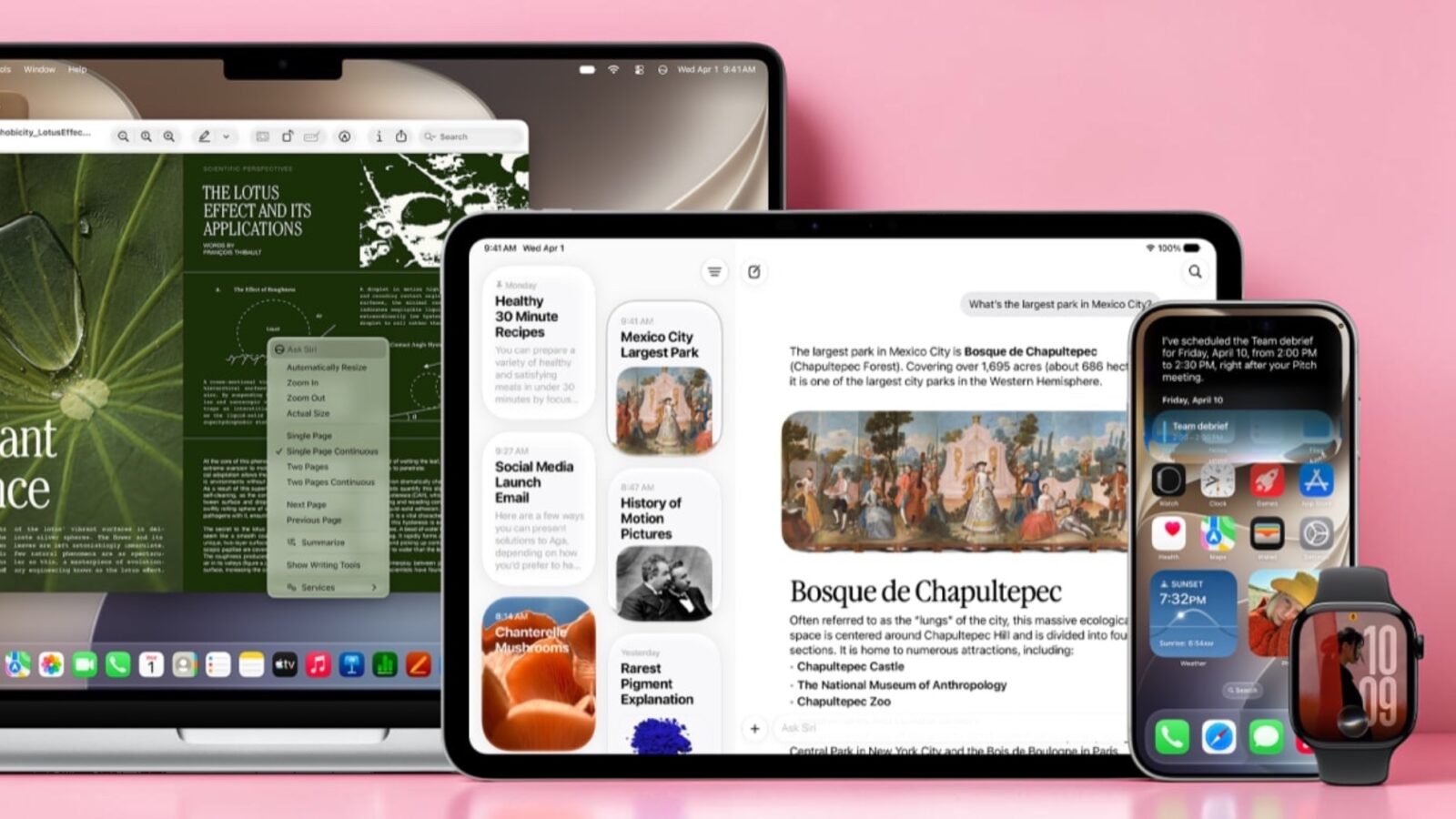

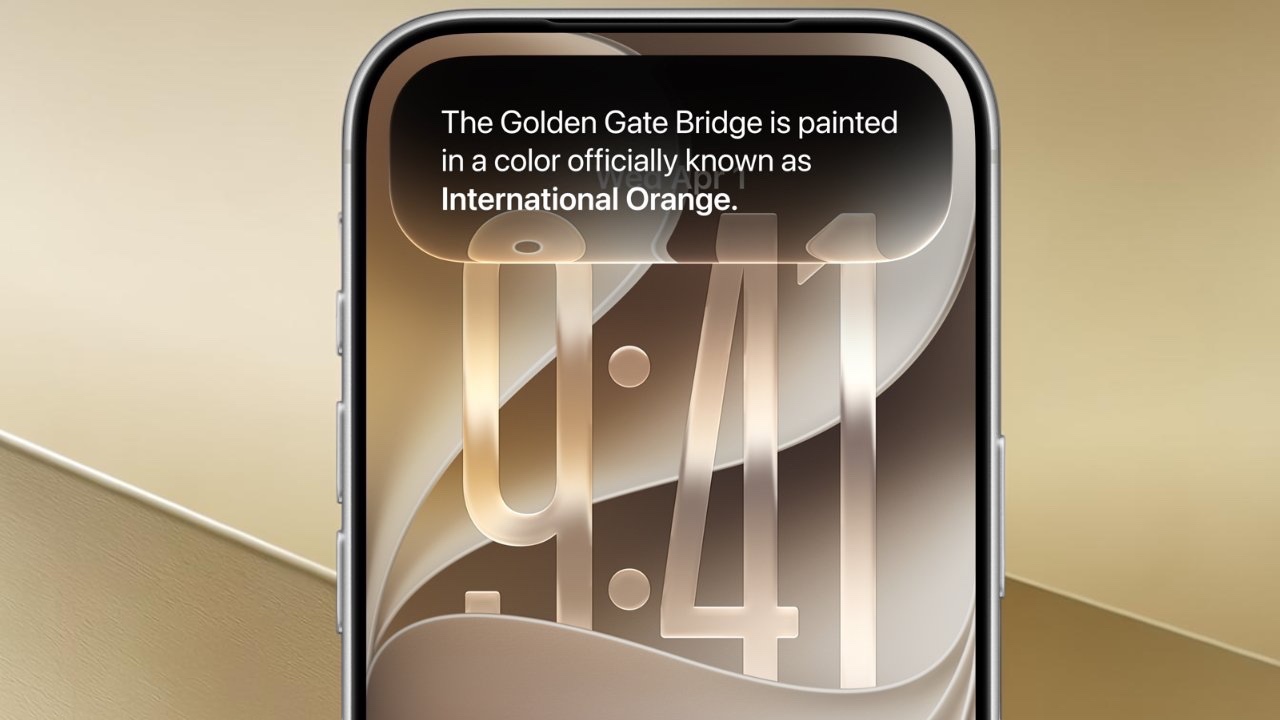
Apple has detailed the next generation of Apple Intelligence at WWDC 2026, significantly expanding its AI capabilities across iPhone, iPad, Mac, Apple Watch, AirPods, and Vision Pro. Built on updated Foundation Models and a privacy-first architecture that intelligently combines on-device processing with Private Cloud Compute, the updates focus on practical, seamless integration into everyday apps and experiences. This iteration refines last year’s foundational features—which often felt promising yet incomplete in real-world use—while addressing limitations in context awareness, consistency, and utility. The result is a more mature system that prioritizes thoughtful intelligence over flashy demonstrations, though it remains gated by hardware requirements and occasional usage limits.
Siri AI: From Frustrating Assistant to Contextual Powerhouse
The most transformative update is Siri AI, a comprehensive overhaul that evolves Apple’s long-criticized voice assistant into a genuinely conversational, context-rich system. For over a decade, Siri has been reliable for simple tasks but often fell short on complex, multi-step requests or personal context. The new version leverages updated Apple Foundation Models (running on-device where possible and via Private Cloud Compute for heavier lifts) to deliver deeper understanding while maintaining strong privacy protections—no personal data is stored or shared with Apple, with third-party verification available.
Siri can now draw on personal context from messages, emails, photos, calendars, and other data sources. Users can ask it to locate a friend’s restaurant recommendation from a group chat, retrieve a past hotel confirmation, or pull relevant details from the photo library. It supports system-wide actions, on-screen awareness (referencing whatever is currently displayed on the device), and web queries for up-to-date information. This turns single questions into natural, extended dialogues with follow-ups.
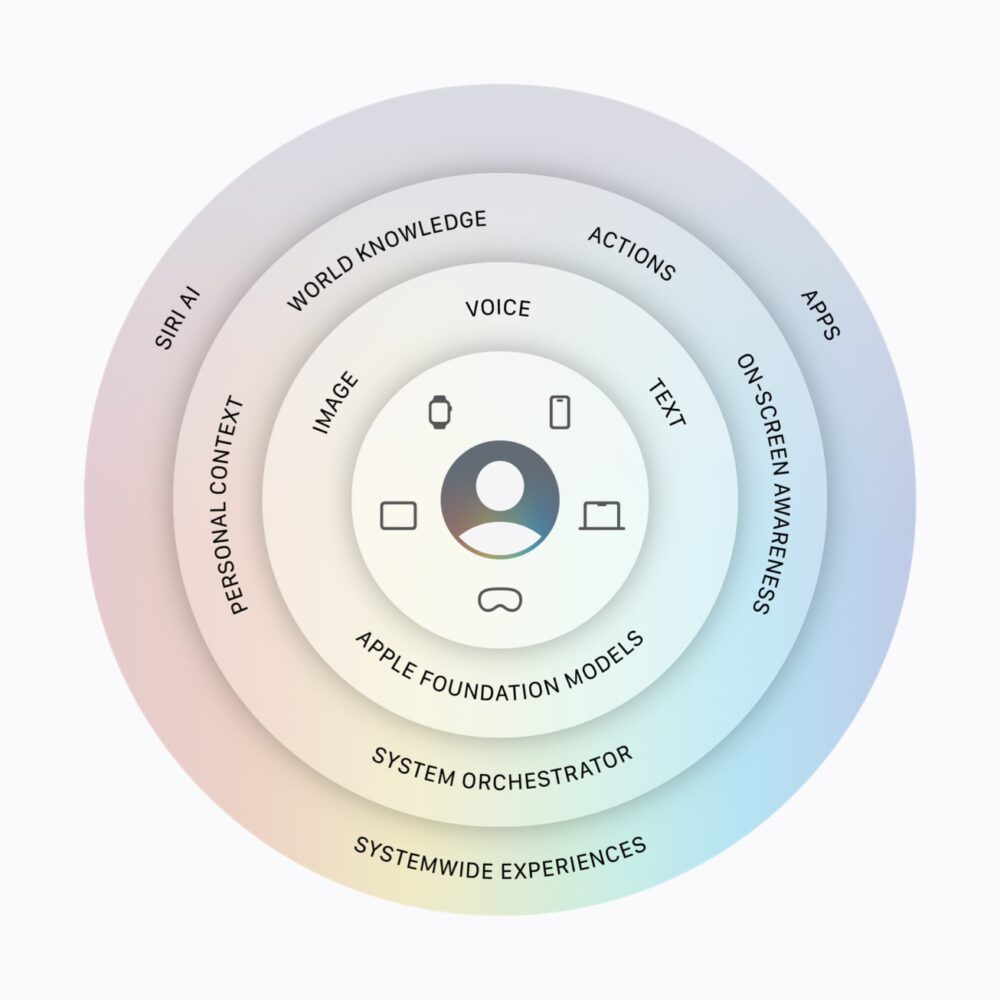
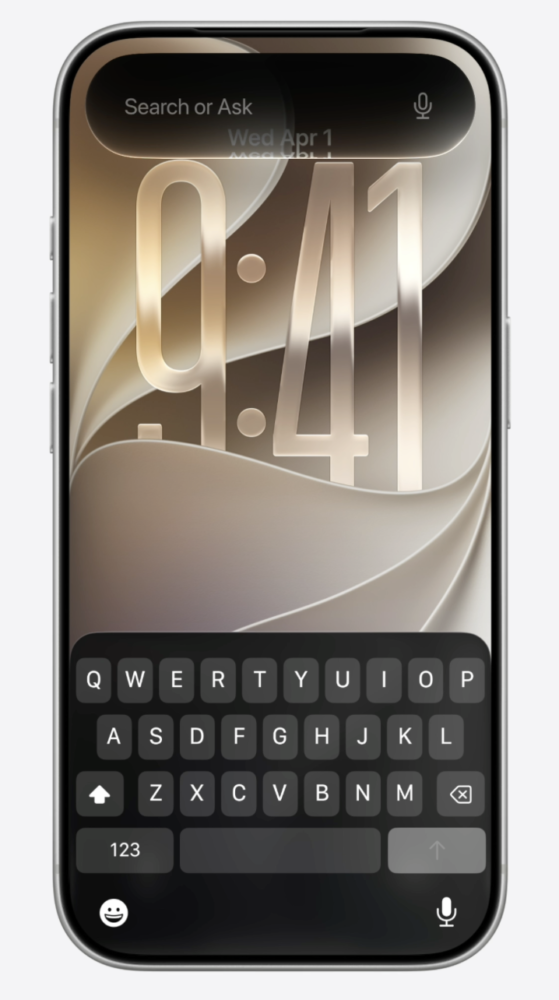
Invocation feels more fluid: tap the side button or swipe from the Dynamic Island on iPhone, use Spotlight on iPad and Mac, or leverage spatial interactions and context menus on Vision Pro. A dedicated Siri app stores conversation history, privately synced via iCloud, allowing users to start a query on a Mac and seamlessly continue on iPhone, Watch, or other devices. Apple Watch suggestions, CarPlay, and AirPods integration keep assistance accessible on the go.
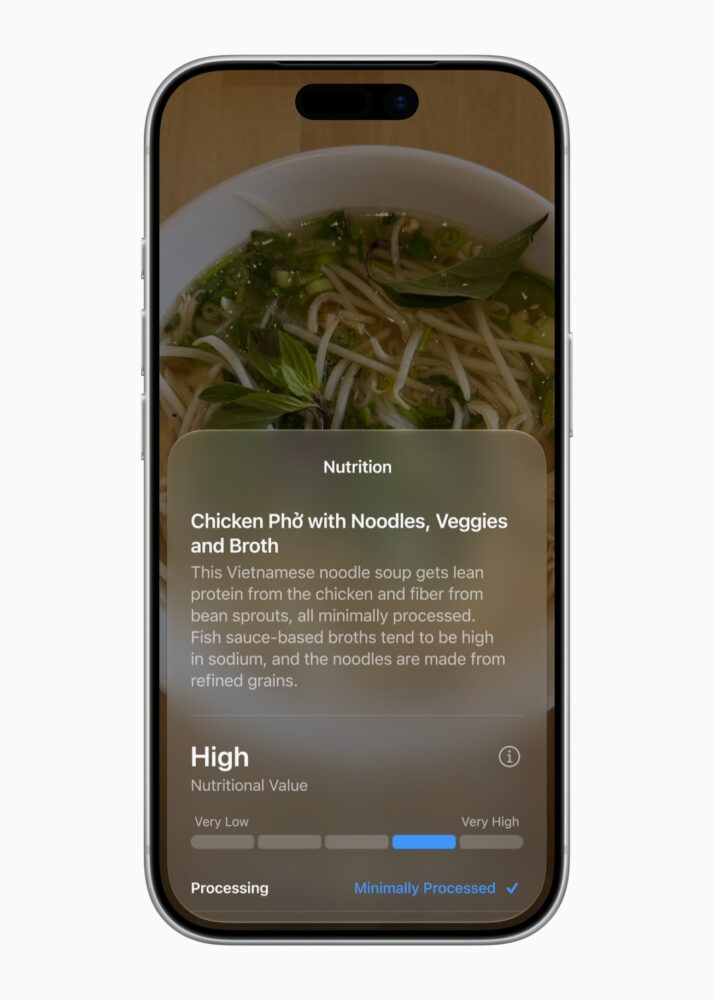
Visual Intelligence expands significantly beyond the initial Camera integration. A new Siri mode in the Camera app enables real-time queries and actions—analyzing a meal for nutritional info or splitting a bill via Apple Cash in supported regions. It now works with iPad screenshots, Mac keyboard shortcuts, and Vision Pro’s spatial environment, where simply looking at objects or app content triggers intelligent responses.

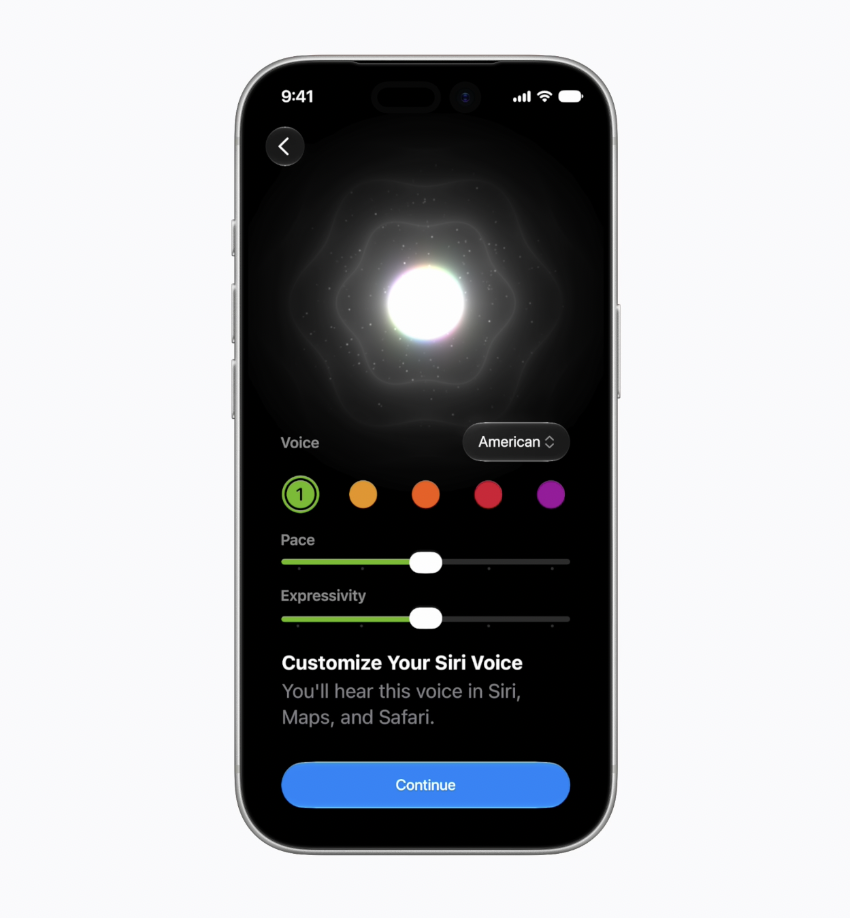
Writing assistance has also matured: Siri can generate drafts from descriptions, refine text to match your personal communication style with specific contacts, offer improvement suggestions, and provide system-wide proofreading across most apps. An enhanced on-device model delivers more expressive voice options and highly accurate dictation that intelligently handles natural speech, punctuation, and formatting.
These capabilities tackle years of user feedback around fragmentation and shallow understanding. Early developer access is available now, with user betas arriving later this year—starting in English, with gradual language expansion. Regional restrictions remain in the EU and China due to regulatory considerations, reflecting Apple’s cautious global rollout.
Creative Tools: Photos, Image Playground, and Beyond
In the Photos app, enhanced image models enable more precise edits while striving to preserve the authenticity of original captures. Spatial Reframing allows post-shot adjustments to composition and perspective, leveraging Vision Pro’s spatial insights to generate content only where needed. The Extend tool intelligently fills gaps for straightening horizons or changing aspect ratios, and the upgraded Clean Up removes distractions with greater realism in complex scenes. Edited images receive a hidden SynthID watermark for transparency. These tools provide tangible creative flexibility far beyond basic filters, though they continue to spark discussions about the boundary between enhancement and alteration.
Image Playground advances generative AI with photorealistic output powered by Private Cloud Compute. Users can create images through natural language descriptions, taps, or brushes, with support for style variations and intuitive modifications. Generated content works seamlessly for Lock Screen wallpapers, Contact Posters, and custom aspect ratios. All outputs carry SynthID watermarks. While this opens new creative avenues for casual users, server-dependent features come with daily limits (potentially mitigated by iCloud+ subscriptions), which may frustrate heavy users.
Productivity and Everyday Intelligence
Safari gains smart organizational features for the multi-tab reality of modern browsing. Tabs are automatically grouped by topics (e.g., travel planning) and adapt dynamically. Notify Me monitors pages for changes like restocks or price drops, while Passwords proactively suggests and applies stronger credentials. Describe an Extension lets users generate custom tools via natural language. Privacy remains paramount, with no unnecessary data exposure.
Communication tools receive meaningful upgrades:
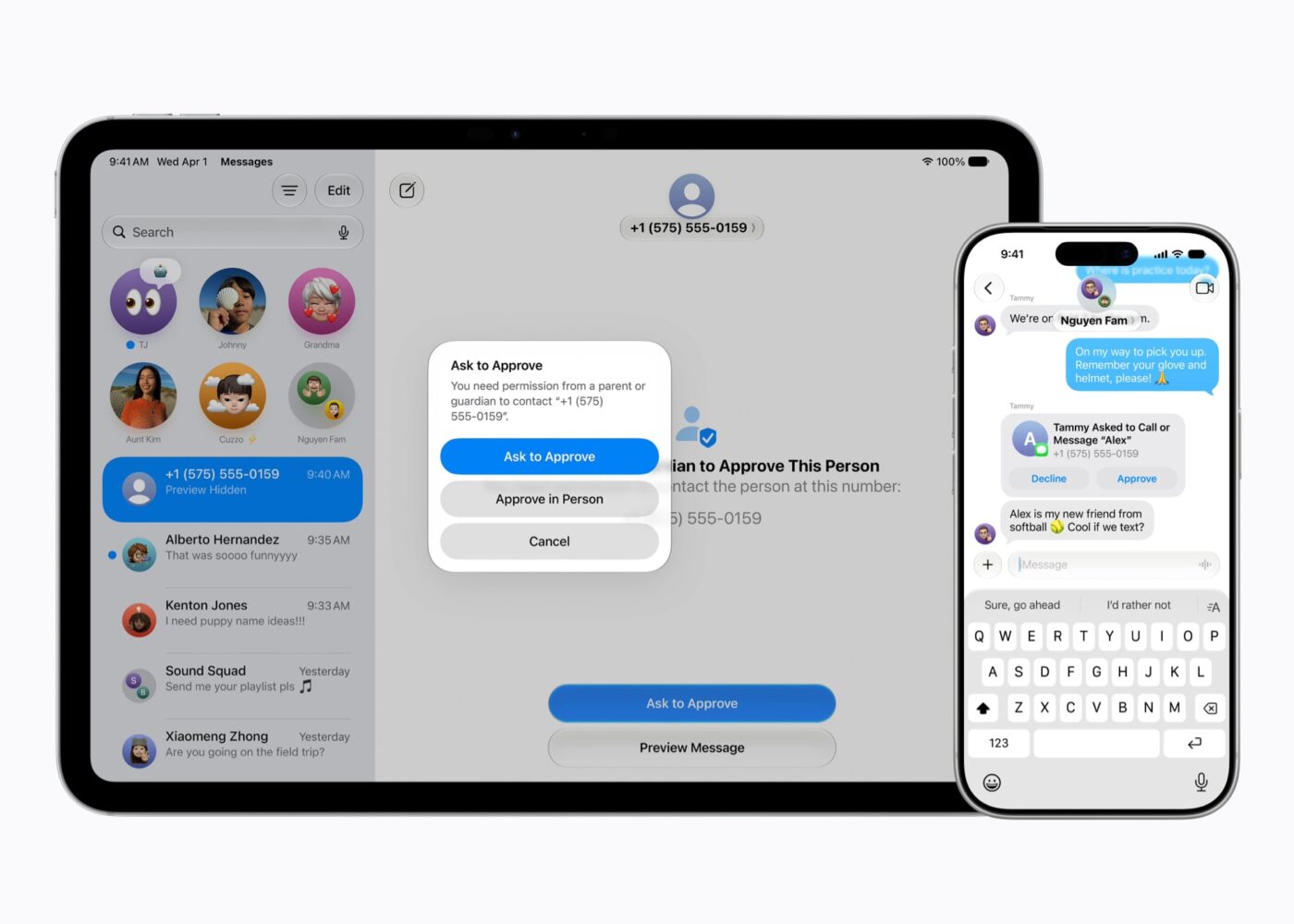
- Contextual suggestions in Messages for reminders or photo retrieval based on keywords and people.
- Smarter Mail actions with third-party integration.
- Personalized Smart Replies.
- Call Context surfaces relevant details (like reservation numbers) on-device during calls.
- Calendar event creation from natural descriptions that auto-identify contacts and locations.
Shortcuts becomes far more accessible with Describe a Shortcut, which assembles automations from plain language—such as linking alarms to calendar events or device connections. In the Home app, Apple Intelligence consolidates notifications, generates video descriptions for quick scanning, and prioritizes important clips.
Additional system-wide refinements include intelligent file naming, enhanced Workout Buddy (now in Spanish), better Genmoji customization, and broader proofreading tools.
Accessibility, Privacy, and Hardware Realities
Accessibility features are strengthened with richer VoiceOver descriptions for images and surroundings, improved Magnifier, more natural Voice Control commands, and an expanded Accessibility Reader for summaries and translations.
Throughout, Apple emphasizes its privacy-oriented architecture: on-device processing wherever feasible, verifiable Private Cloud Compute, and no storage of personal data by Apple. This stands in contrast to more data-intensive approaches from competitors.
However, hardware requirements remain strict—iPhone 16 series or equivalent and later models, with advanced on-device capabilities needing sufficient unified memory (favoring M-series chips). Regional availability gaps persist, and some cloud-dependent features carry usage limits tied to subscriptions.
Apple’s Measured Approach in an AI-Driven Era
These developments showcase Apple’s characteristically methodical philosophy: embedding intelligence thoughtfully into its controlled ecosystem, prioritizing seamlessness, reliability, and verifiable privacy over rapid, expansive rollouts. By addressing accumulated pain points in editing, browsing, automation, and especially voice assistance, the updates promise incremental but meaningful productivity and creative gains for longtime users.
Real-world impact will depend on consistent performance across diverse scenarios, accents, personal data variability, and mixed-device households. Usage limits, subscription dependencies, and the walled-garden nature may feel constraining to some, particularly in competitive Android/cross-platform markets. Yet for users already immersed in Apple’s ecosystem, these refinements could meaningfully reduce friction and elevate Siri from “good enough” to genuinely indispensable.
As the software updates arrive this fall alongside iOS 27 and companion OS releases, Apple continues to bet on integration and responsibility. Whether this generation of Apple Intelligence and Siri AI finally meets modern expectations will be determined in daily use—offering a compelling case study in balancing innovation with reliability in the AI era. For power users and longtime fans, it represents a solid step forward, provided performance matches the promise.