
Acer has expanded its laptop range with two new models featuring the latest Snapdragon processors, signaling continued efforts to diversify options in the Windows PC market beyond traditional x86 architectures. The Swift Spin 14 AI introduces a convertible design to the Swift series, equipped with Snapdragon X2 Elite or X2 Plus processors that include a neural processing unit rated at up to 80 TOPS for on-device AI tasks. Meanwhile, the Aspire Go 15 marks Acer’s first device using the new Snapdragon C platform, targeting more budget-conscious users with basic productivity needs.
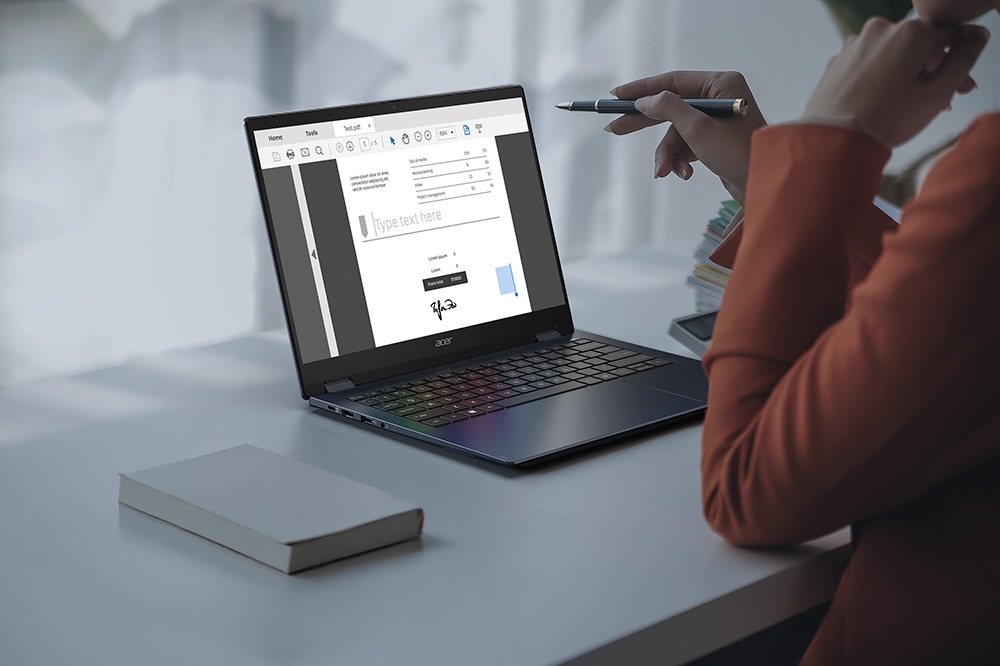
The Swift Spin 14 AI positions itself as a versatile ultraportable, capable of switching between laptop, tent, and tablet modes thanks to its 360-degree hinges. It features a 14-inch WUXGA IPS touchscreen, an included Acer Active Stylus with Wacom AES 2.0 support for pressure sensitivity and tilt, and a lightweight aluminum chassis in cobalt blue that meets military-grade durability standards. At around 1.34 kg and just under 16.5 mm thick, the device emphasizes portability without sacrificing a full complement of ports, including dual USB-C, USB-A, and HDMI 2.1. Its camera setup supports Windows Hello facial recognition and includes AI-enhanced video features, while audio benefits from multiple microphones with noise cancellation and DTS:X Ultra support.

Performance-wise, the Snapdragon X2 series aims to deliver strong multitasking alongside efficient power use, with configurations reaching 32 GB of LPDDR5X memory and 1 TB SSD storage. The integrated Adreno GPU handles DirectX 12.2 workloads, including hardware-accelerated ray tracing. Battery claims are notable, with Acer citing up to 23 hours of video playback and 16.5 hours of web browsing under controlled tests, supported by fast charging via a 100-watt USB-C port. As a Copilot+ PC, it incorporates on-device AI capabilities like context-aware screen actions, though real-world availability depends on software updates and regional factors. Acer supplements this with its own tools, such as AcerSense for system management and a programmable hotkey for quick access.
In a broader context, these Snapdragon-powered laptops build on Qualcomm’s push into PC processors, following earlier generations that struggled with app compatibility but have improved with native Windows ARM optimizations. The X2 series offers competitive AI acceleration compared to rivals, yet users may still encounter occasional translation layers for legacy software, a persistent consideration in the ARM transition. The convertible format addresses growing demand for flexible devices, especially among students, creators, and mobile professionals who value stylus input and multi-mode use over rigid clamshells.
The Aspire Go 15, by contrast, focuses on essentials in a 15.6-inch form factor with narrow bezels. Powered by the Snapdragon C processor, it provides adequate performance for web browsing, document work, and streaming, paired with up to 8 GB memory and 512 GB storage. Battery life supports a full day of typical use, and the design prioritizes quiet, cool operation. Connectivity includes Wi-Fi 6E and full-function USB-C ports, while eco-friendly elements like recycled plastics and certifications appeal to sustainability-focused buyers.
Overall, Acer’s latest additions highlight the maturing Snapdragon ecosystem for Windows devices, offering choices from premium AI-focused convertibles to accessible everyday laptops. While battery efficiency and on-device processing represent clear strengths in theory, practical performance will hinge on software maturity and individual workflows, as has been the case with previous ARM-based PCs. These models expand options but face stiff competition from established Intel and AMD platforms that continue refining their own efficiency and AI features.