
• the feed
    • Tech
    • Auto
    • Guides
    • Opinions
  • Reviews
    • READERS’ CHOICE
    • ALL REVIEWS
    • ━
    • SMARTPHONES
    • CARS
    • HEADPHONES
    • ACCESSORIES
    • LAPTOPS
    • TABLETS
    • WEARABLES
    • SPEAKERS
    • APPS
  • screen time
    • TV & MOVIE REVIEWS
    • SPOTLIGHT
  • GAMING
    • GAMING NEWS
    • GAME REVIEWS
  • quick bytes
Reading: “Skin wearables” have been created
Font ResizerAa
Font ResizerAa
  • menu
  • SEARCH
  • the feed
    • TECH
    • AUTOMOTIVE
    • GUIDES
    • OPINIONS
  • REVIEWS
    • READERS’ CHOICE
    • ALL REVIEWS
    • ━
    • SMARTPHONES
    • CARS
    • HEADPHONES
    • ACCESSORIES
    • LAPTOPS
    • TABLETS
    • WEARABLES
    • SPEAKERS
    • APPS
  • screen time
    • TV & MOVIE REVIEWS
    • SPOTLIGHT
  • GAMING
    • GAMING NEWS
    • GAME REVIEWS
  • quick bytes
Follow US

“Skin wearables” have been created

GEEK DESK
GEEK DESK
Apr 17, 2016

We have our smart watches, our fitness bands and our sets of underwear that are filled with electronics that whizz and pop but now wearable technology might take on a whole new meaning. Researchers in the University of Tokyo have developed an optoelectronic skin whose polymer LEDs and organic photodetectors are so thin (3 micrometers) that they practically blend in with your body. In layman’s terms and bereft of the scientific jargon, they’ve created an incredibly thin piece of wearable “skin” that lets you have digital tattoos.

Looking at pictures and the video of the technology, one instantly thinks of “In Time,” a movie starring Justin Timberlake where the amount of time a person has left it seen on a person’s skin. While the technology in its current state is a bit crude, both in appearance and design, it has already overcome numerous challenges so that it now lasts for several days and doesn’t break when you flex your limbs.

However the technology itself is currently limited in scope; it can only tell you what your current blood oxygen levels are, however that isn’t deterring the scientists and researchers at the University of Tokyo from being ambitious and as a result the team is now focusing on a display that shows more information.

What do you think?
Happy0
Sad0
Love0
Surprise0
Cry0
Angry0
Dead0
Spotify may finally let users cap how much storage its cache uses
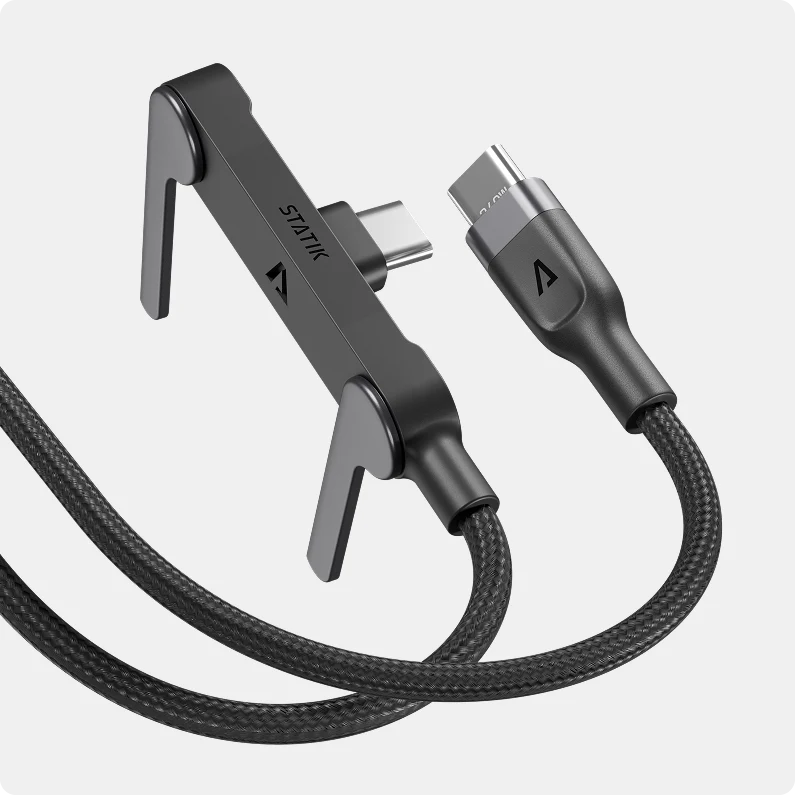
Statik PowerStand makes your boring USB-C cable surprisingly useful
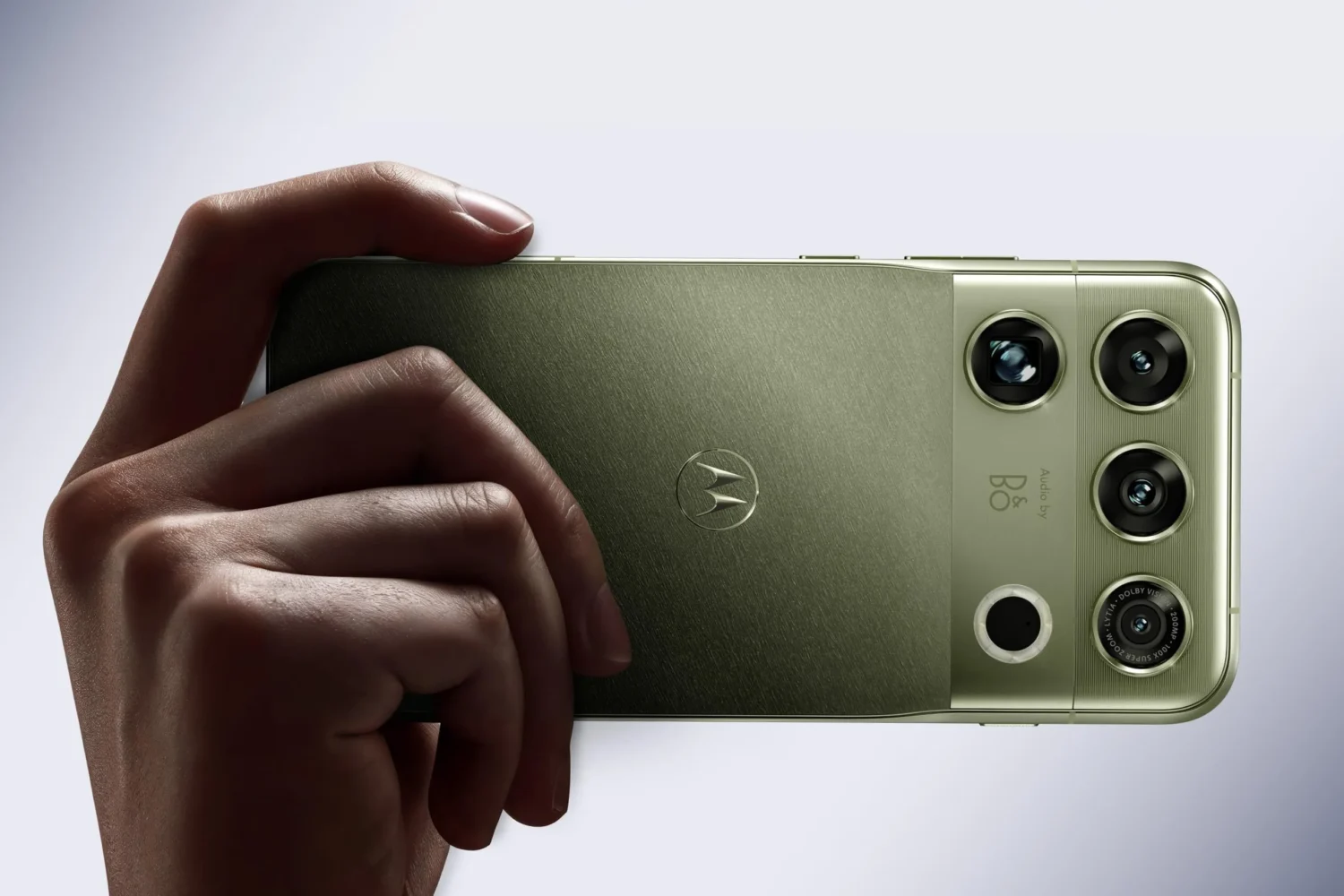
Motorola Signature 27 Extreme packs a ridiculous 200MP zoom camera
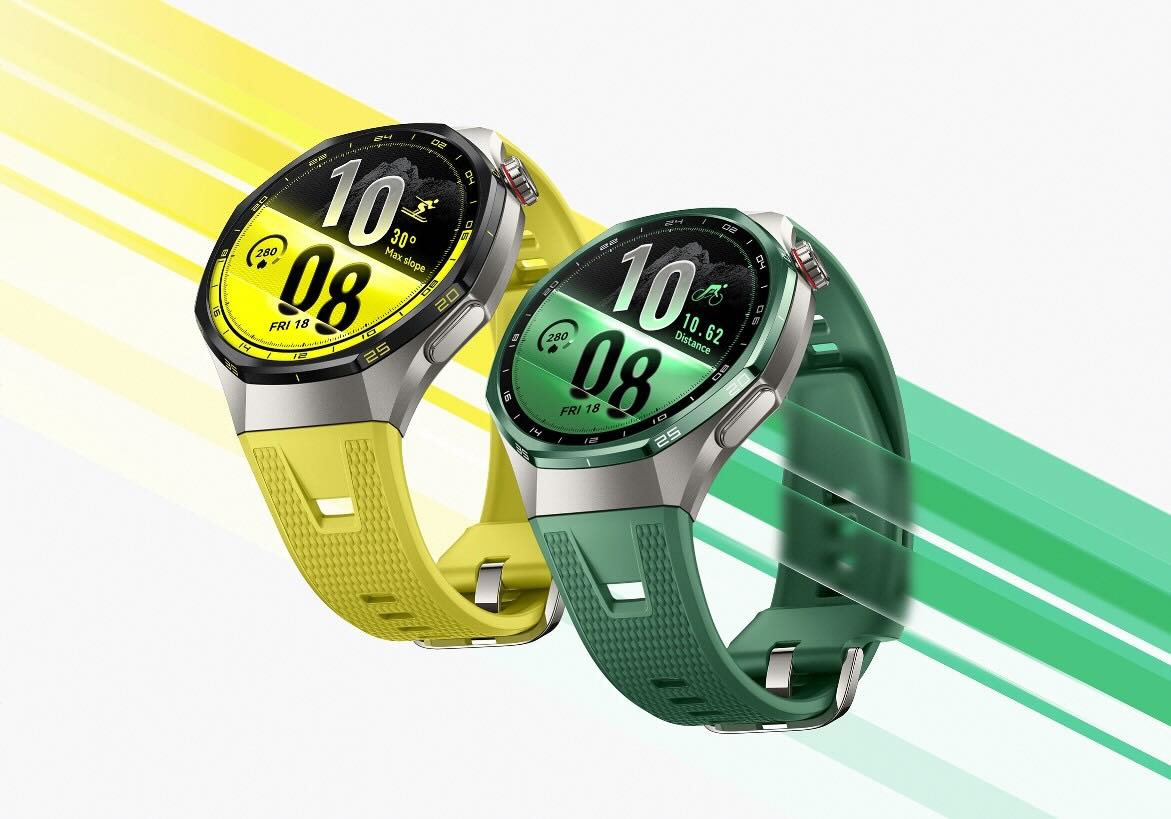
Huawei Watch GT 7 hits UAE with massive 21-day battery
Honor of Kings just turned its MOBA into battle royale
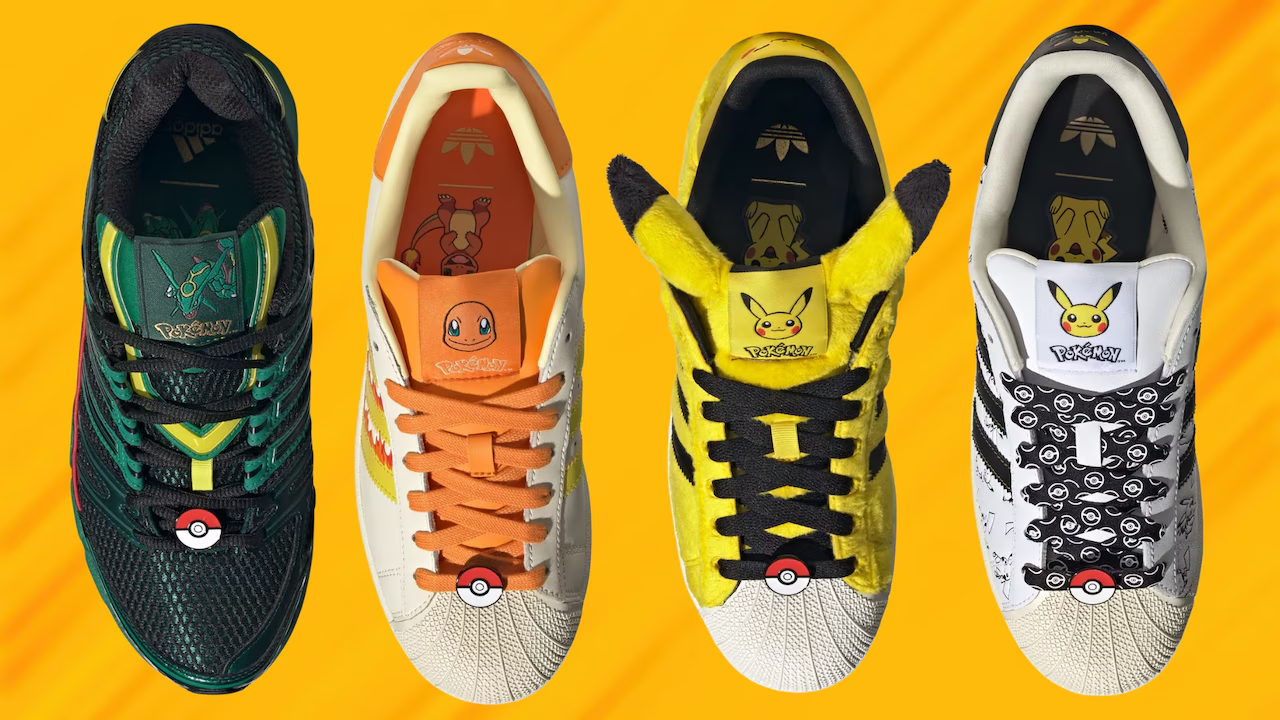
Adidas drops massive 67-piece Pokémon collection for its 30th anniversary
Follow US
Caffeine. Chaos. Content.
© Absolute Geeks Media FZE LLC 2014–2026.
Proudly made in Dubai, UAE ❤️
Contact · About · Editorial Policy · Privacy Policy
Welcome Back!

Sign in to your account

Username or Email Address
Password

Lost your password?