
Meta Connect 2026 made one thing very clear: Meta’s future is looking a lot less like the Metaverse and considerably more like AI you carry around with you.
The company used its annual event to put Muse, its new personal AI agent, at the centre of practically everything it announced. Meta describes Muse as an assistant capable of handling increasingly complicated tasks, from planning trips and finding replacement products to interacting with apps and services on your behalf. Mark Zuckerberg’s bigger ambition is considerably more dramatic: turning Muse into what Meta calls “personal superintelligence.”
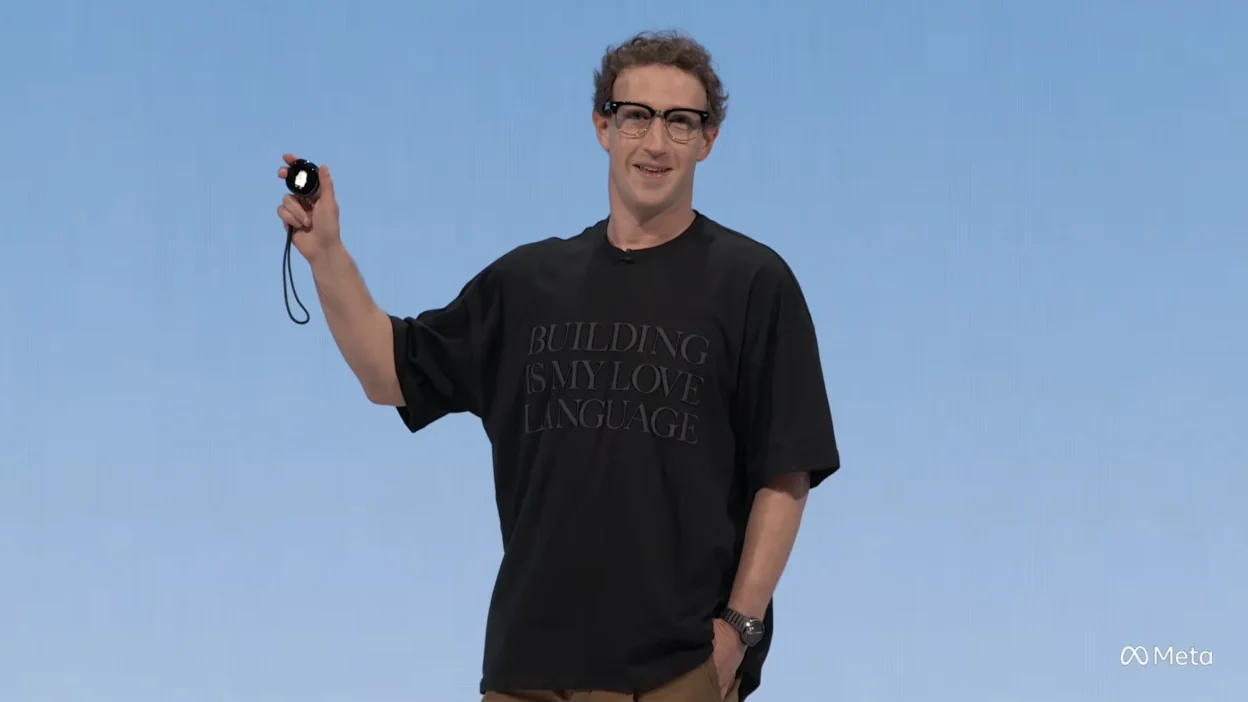
Muse is also escaping the chatbot window. Meta says it can now operate programs on a Mac with permission, while a new Connector Platform will allow outside services to plug directly into the assistant. Retail, travel and productivity integrations are already being lined up, effectively turning Muse into an agent that can potentially do things rather than simply tell you how to do them.
Unsurprisingly, glasses were everywhere too.
Meta Ray-Ban Gen 3 brings six microphones and expanded style options, with standard models starting at $449. Meta also revealed its first camera-free smart glasses, trading photography and visual AI features for a thinner design, longer claimed battery life and a more privacy-friendly approach. The audio glasses start at $349, while Meta is also introducing an optional hearing enhancement feature that it says is designed for people with mild to moderate hearing loss.

Then things get considerably more ambitious.
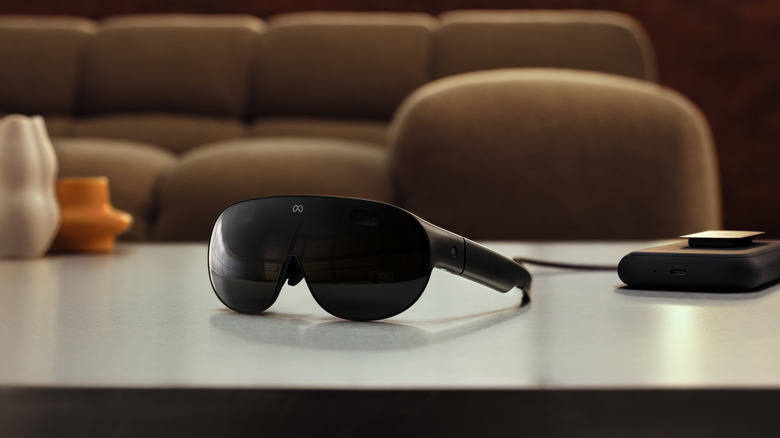
New Meta VR glasses are coming in spring 2027 for $1,299. Meta says they weigh roughly as much as a deck of cards and are five times lighter than Quest 3. They support gesture controls, an AR keyboard, Quest games with controllers, Xbox Cloud Gaming and entertainment features including 3D content. Meta is also pitching them for live sports and even full-body hologram calls.
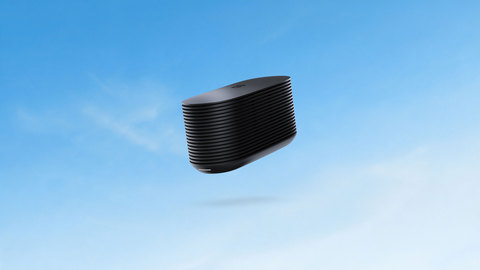
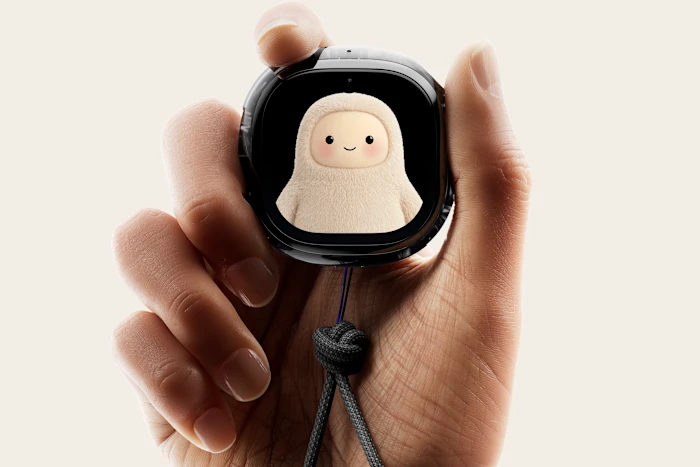
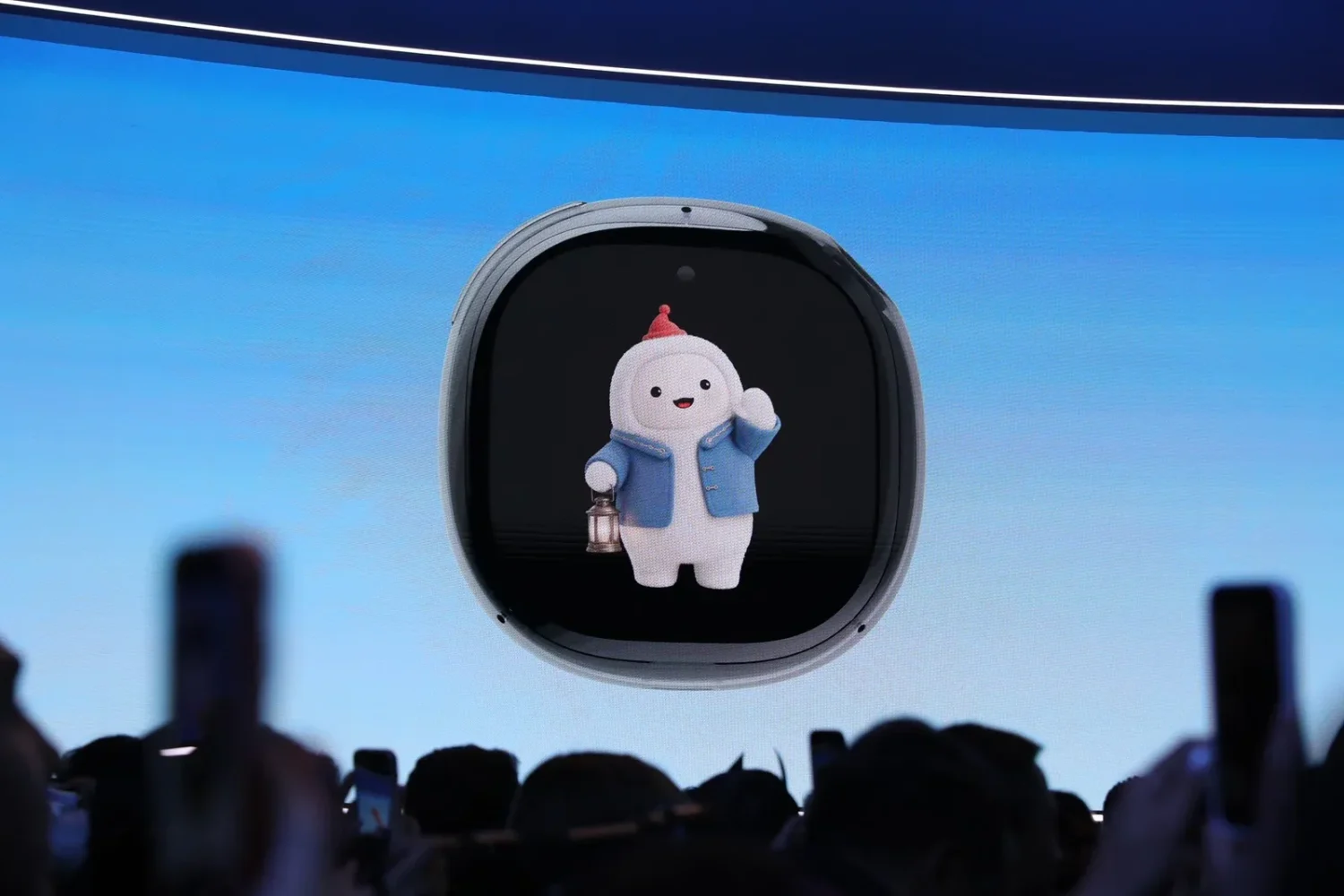
Finally, there’s Muse Charm, a small handheld AI device designed for people who don’t want smart glasses. It’s expected in December, although Meta hasn’t announced a price.
Perhaps the most interesting thing about Meta Connect 2026, though, was what wasn’t dominating the presentation. After years of selling the Metaverse as its defining future, Meta barely focused on it this time. Instead, the message was AI agents, wearable computing and hardware designed to keep Muse permanently within reach.
The Metaverse isn’t officially dead. But at Meta Connect 2026, AI very clearly stole its seat at the table.