
Back-to-school shopping used to mean notebooks, pens, a suspicious number of highlighters and a backpack you genuinely believed would remain organised beyond the first fortnight. Now there is another category competing for precious bag space and an even more precious student budget: tech.
The trick is not buying technology simply because the new semester provides a convenient excuse. Student gear gets hammered. Headphones bounce between lectures, libraries and commutes, speakers migrate from bedrooms to weekend gatherings, and cameras need to be useful enough to justify carrying them when a smartphone is already permanently attached to your hand.
Sony’s current student-friendly line-up covers several very different budgets and priorities, from affordable everyday headphones to serious noise cancelling and an interchangeable-lens camera. Rather than pretending everyone needs everything, here is where each device actually makes sense — and where your money is better spent elsewhere.
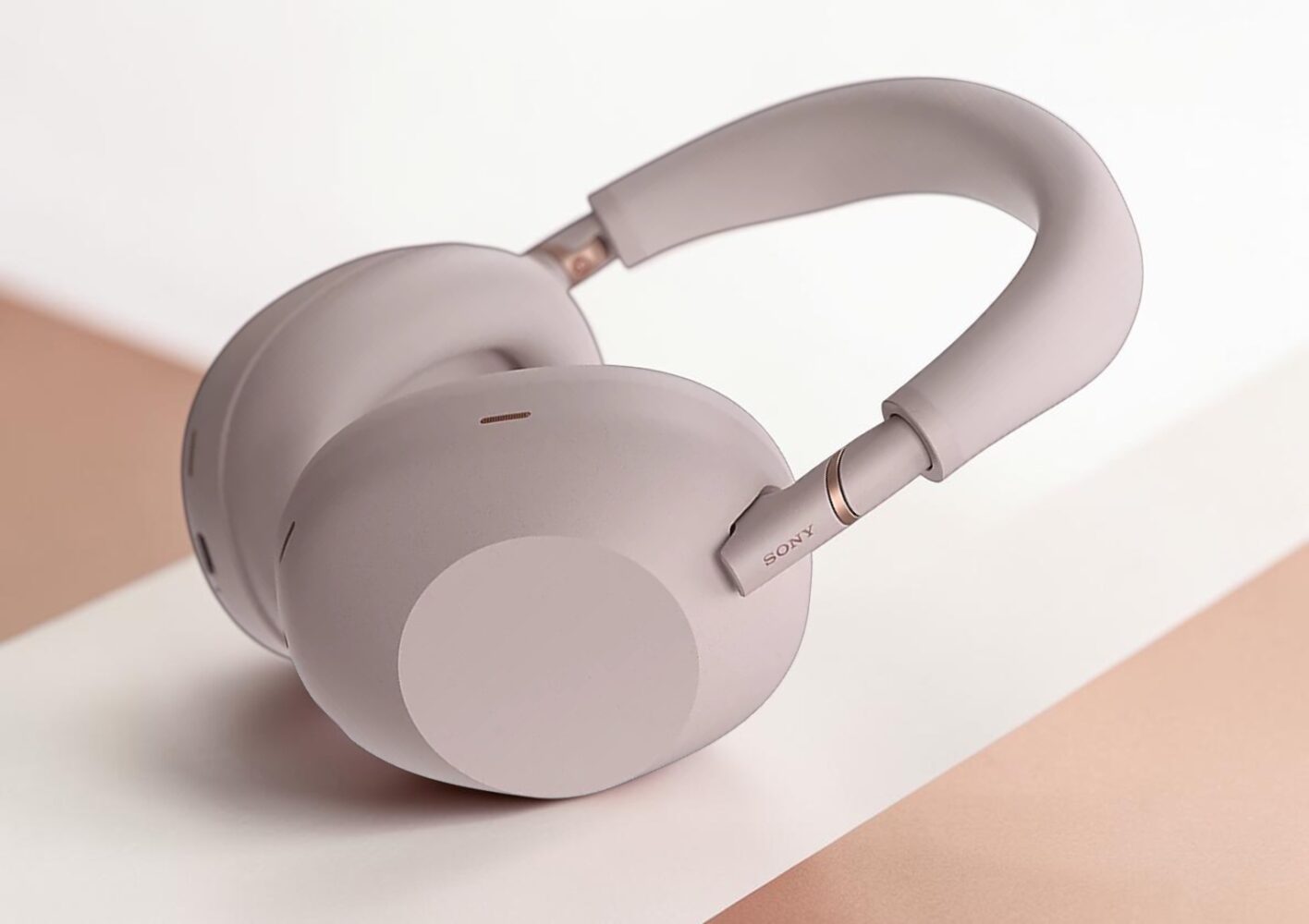
Sony WH-1000XM6: For students who need the world to shut up
There is always someone conducting an apparently urgent FaceTime conversation in the library. Add coffee machines, traffic, air conditioning, roommates and general campus chaos, and suddenly active noise cancellation stops looking like an extravagance. For students who regularly work in noisy environments, the Sony WH-1000XM6 is the premium option here.
Sony’s flagship headphones use its HD Noise Cancelling Processor QN3 alongside 12 microphones for their noise-cancelling system, and that hardware matters more than another enormous Bluetooth feature checklist. Effective ANC can make it easier to listen at sensible volumes while commuting or concentrate without turning music into an acoustic force field. The XM6 also folds, making it considerably more practical when your backpack already contains a laptop, charger, water bottle and several textbooks you will eventually regret carrying.

This is nevertheless the luxury choice rather than the automatic recommendation. At the supplied UAE price of AED 1,499, you’re paying heavily for premium noise cancellation and the broader flagship experience. If your study environment is already quiet, spending four figures merely to play Spotify while writing an essay is a little like buying a lightsaber to open your Amazon deliveries.
The WH-1000XM6 makes the most sense for commuters, frequent travellers and students who genuinely depend on headphones for hours every day. It is also the most compelling option of these four for anyone whose concentration disappears the moment somebody starts discussing their weekend three tables away.
Sony WH-CH520: The sensible student-budget choice
Not every student needs flagship ANC, and this is where the Sony WH-CH520 becomes interesting. At the supplied AED 169 price, these are dramatically cheaper than the WH-1000XM6 while retaining several features that actually matter for everyday campus use.
Battery life is rated at up to 50 hours, while a three-minute quick charge can provide around 90 minutes of playback. They also support multipoint Bluetooth, allowing simultaneous pairing with two compatible devices, and Sony’s DSEE processing is designed to improve the presentation of compressed music. Multipoint is particularly useful for students juggling a laptop and smartphone because it removes some of the Bluetooth menu gymnastics when moving between lectures, calls and entertainment.

There is an important compromise: the WH-CH520 does not have active noise cancellation. It is also an on-ear rather than over-ear design, and there is no analogue wired mode for carrying on when the battery is empty. Those limitations matter if you’re regularly studying on the Metro, flying or trying to escape an especially enthusiastic roommate’s gaming session.
But that is also why I like the positioning of the CH520. Instead of pretending to be miniature flagship headphones, they concentrate on affordability, portability, long battery life and useful connectivity. For students primarily listening around campus, attending online classes and watching something considerably less educational after lectures, they are arguably the value sweet spot of this group.
Sony ULT FIELD 3: When the study playlist becomes the party playlist
Headphones are personal; speakers are social. The Sony ULT FIELD 3 therefore targets a completely different part of student life, particularly dorm rooms, gatherings, beach trips and weekends when nobody wants to pass a phone around like some primitive audio relic.
Sony rates the portable speaker for up to 24 hours of playback, although battery life naturally varies with volume and other conditions. It carries IP67 water and dust resistance and includes a detachable shoulder strap, while its ULT mode boosts low-frequency output for listeners who prefer their playlists with substantially more thump. At the supplied AED 599, this is not impulse-buy Bluetooth-speaker territory, so portability and durability should genuinely matter to you.

There are some useful extras hiding behind the bass-heavy marketing. The USB-C connection can provide power to compatible mobile devices, and two ULT FIELD 3 speakers can be paired for stereo playback; compatible speakers can also be linked for larger synchronized setups. Those features give the speaker more utility than simply making the kitchen vibrate during a questionable 2am playlist.
Students shopping for a speaker should resist choosing solely by bass claims, though. Think about where it will actually live. If it rarely leaves a desk, portability and weather resistance become less valuable; if your weekends regularly involve beaches, pools or outdoor gatherings, IP67 protection suddenly looks considerably more useful. The ULT FIELD 3 earns its place here for the latter crowd.
Sony ZV-E10: For students creating more than TikToks between lectures
Smartphones have become extraordinarily capable cameras, which means buying a dedicated camera in 2026 needs justification beyond “better quality.” The Sony ZV-E10 has one major advantage phones still struggle to replicate completely: it is an actual interchangeable-lens APS-C camera.
The ZV-E10 uses a 24.2-megapixel APS-C sensor and Sony’s E-mount lens system, giving creators far greater flexibility over lenses and image-making than a fixed smartphone camera array. It records 4K video up to 30p/25p depending on video system settings and includes creator-oriented features such as Product Showcase Setting, a Bokeh Switch and a directional three-capsule microphone. That combination makes it suitable for student filmmaking, YouTube, interviews, projects, photography and content creation that has grown beyond casual phone clips.
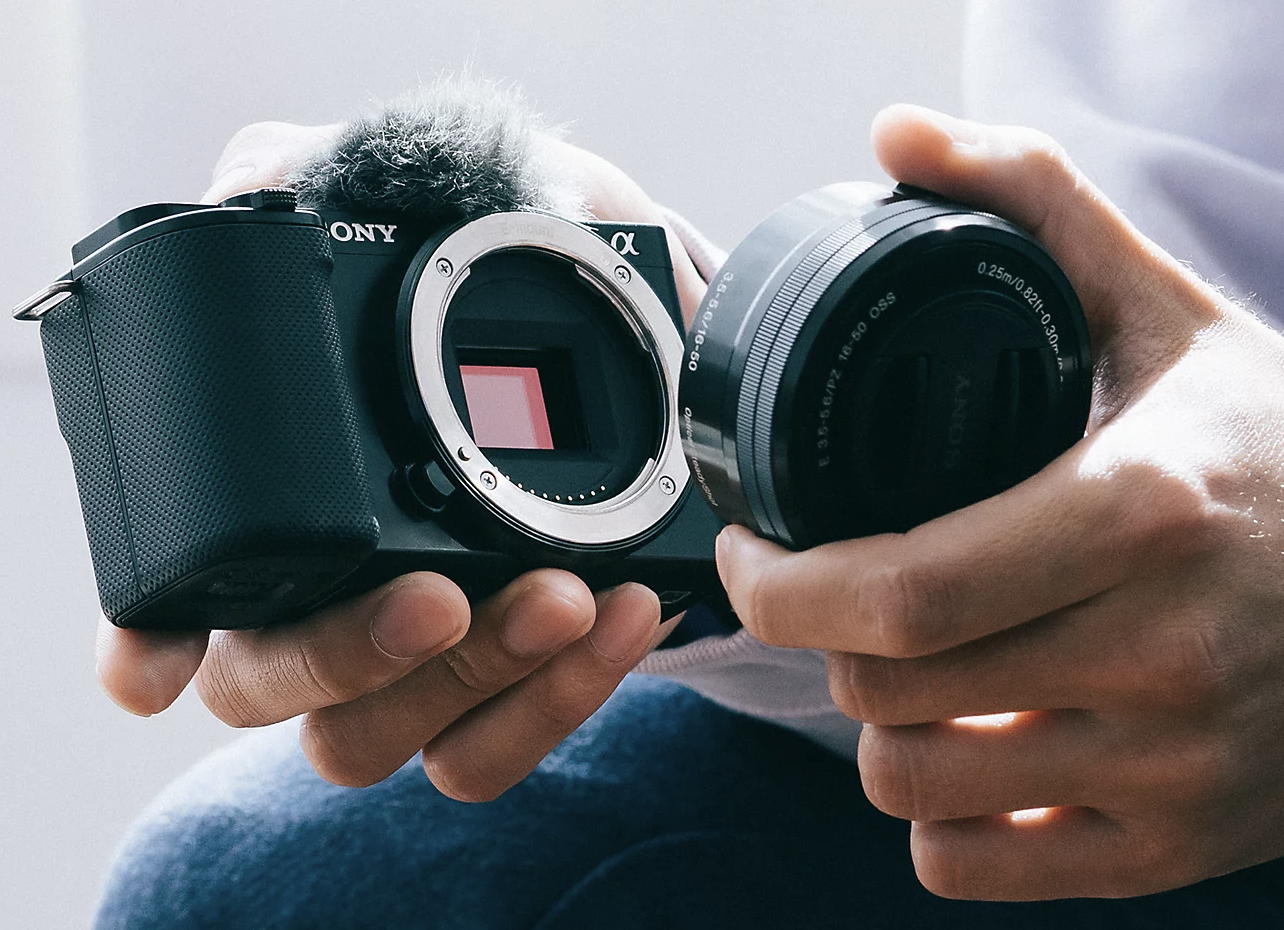
The interchangeable-lens system is simultaneously its biggest strength and the beginning of the financial rabbit hole. Cameras have a remarkable ability to reproduce inside your shopping cart; first comes the body, then another lens, another battery, a better microphone, lighting and suddenly you’re discussing focal lengths at parties. Students should therefore consider the ZV-E10 as the foundation of a system rather than a single isolated purchase.
The supplied AED 2,849 package is more interesting because it includes the GP-VPT3 grip, ECM-G1 microphone and a 64GB SD card. Those accessories address several immediate creator needs without requiring another shopping expedition. However, anyone who only shoots occasional social clips should seriously consider sticking with a good smartphone and spending the money elsewhere; the ZV-E10 becomes worthwhile when you intend to learn and exploit what a dedicated camera can actually do.
What students should prioritise before buying new tech
The most important specification for student technology is not megapixels, processor names or whatever acronym has escaped from the marketing department this week. It is frequency of use. A AED 1,499 pair of headphones used for several hours every day can be a more rational purchase than a AED 599 speaker switched on twice per semester.
Battery life and portability deserve similarly high priority because campus technology spends much of its existence away from convenient power sockets. Multipoint connectivity can matter more than tiny differences in theoretical audio quality if you’re constantly switching between laptop and phone. Water and dust resistance matters for equipment travelling outdoors, while creators should think about an entire camera ecosystem rather than obsessing over the body alone.
It is equally important to distinguish features that solve genuine problems from features that merely sound impressive. Noise cancellation is enormously useful in noisy environments but far less essential in a quiet bedroom. Huge speaker bass might transform a party but will not necessarily make it the best choice for podcasts at a desk. Interchangeable lenses unlock creative possibilities, but they only provide value when you’re interested enough to use them.
That distinction is ultimately how I would approach any back-to-school technology purchase. Start with the problem, then buy the gadget. Doing it backwards is how drawers end up filled with expensive electronic side quests.
The Bottom Line
Sony’s four options make sense for four very different student profiles, and there is no reason to spend at the top end unless your routine justifies it. The WH-1000XM6 is the premium pick for commuters and serious study sessions where effective noise cancellation is worth paying for, while the WH-CH520 is the much easier recommendation for students prioritising value, battery life and everyday Bluetooth convenience.
The ULT FIELD 3 is the social option, with its rugged design, long rated battery life and portable form making the most sense for students whose music regularly leaves the bedroom. The ZV-E10 is the specialist choice: potentially far more creatively capable than a phone, but only worth the larger investment if photography and video are genuinely part of your studies, hobbies or ambitions.
If I were allocating a typical student budget, I would spend according to usage rather than prestige. The best back-to-school tech is not necessarily the device with the longest specification sheet. It is the one that survives the semester without becoming an expensive backpack ornament.