
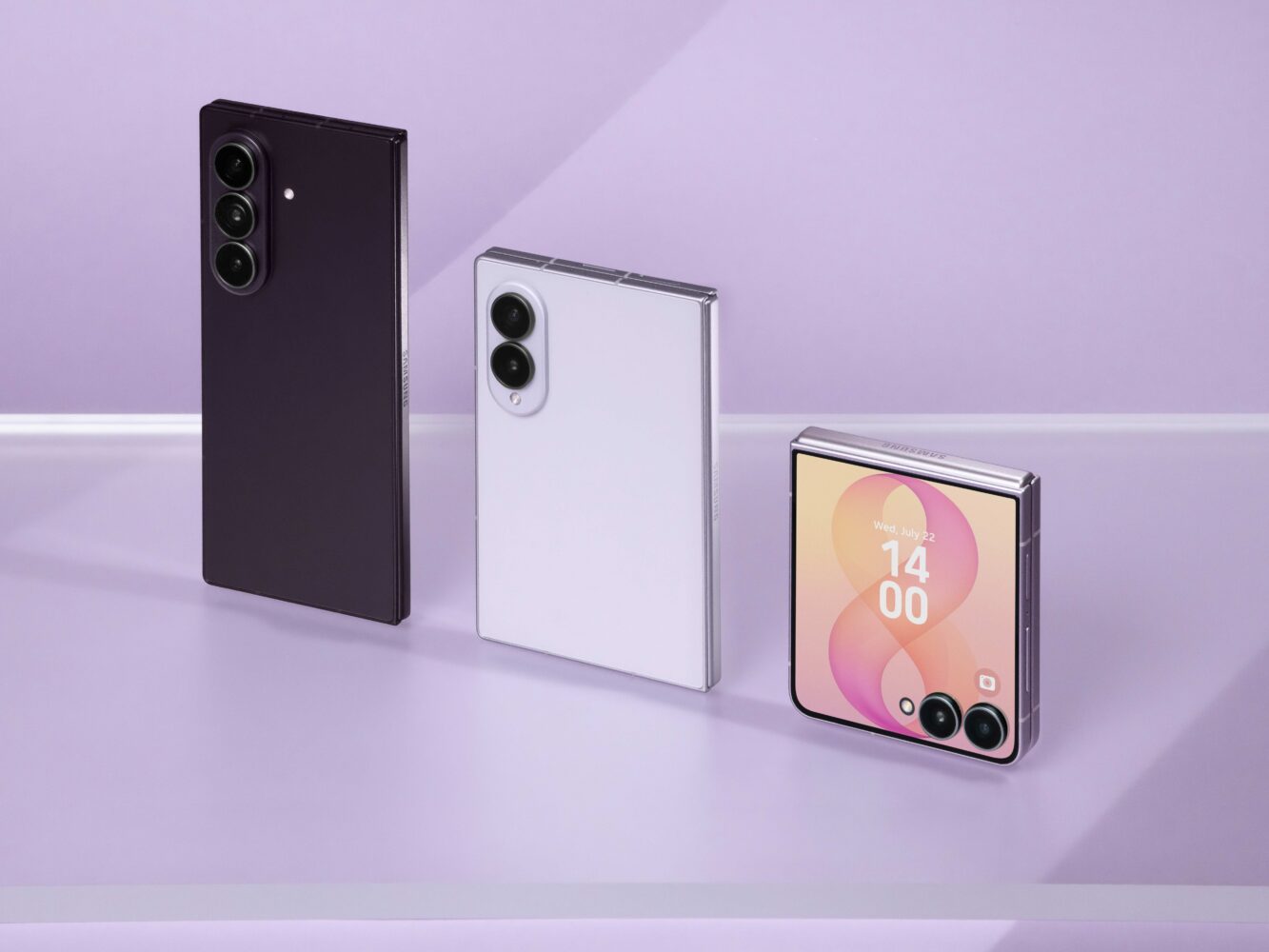
Samsung is widening its foldable smartphone range with three new Galaxy Z models, betting that buyers are increasingly interested in choosing a foldable around how they use their phone rather than simply deciding whether they want one at all.
The new lineup consists of the Galaxy Z Fold8, Galaxy Z Fold8 Ultra and Galaxy Z Flip8. While all three share Samsung’s broader foldable strategy, they target noticeably different users, ranging from entertainment and everyday portability to productivity and photography.
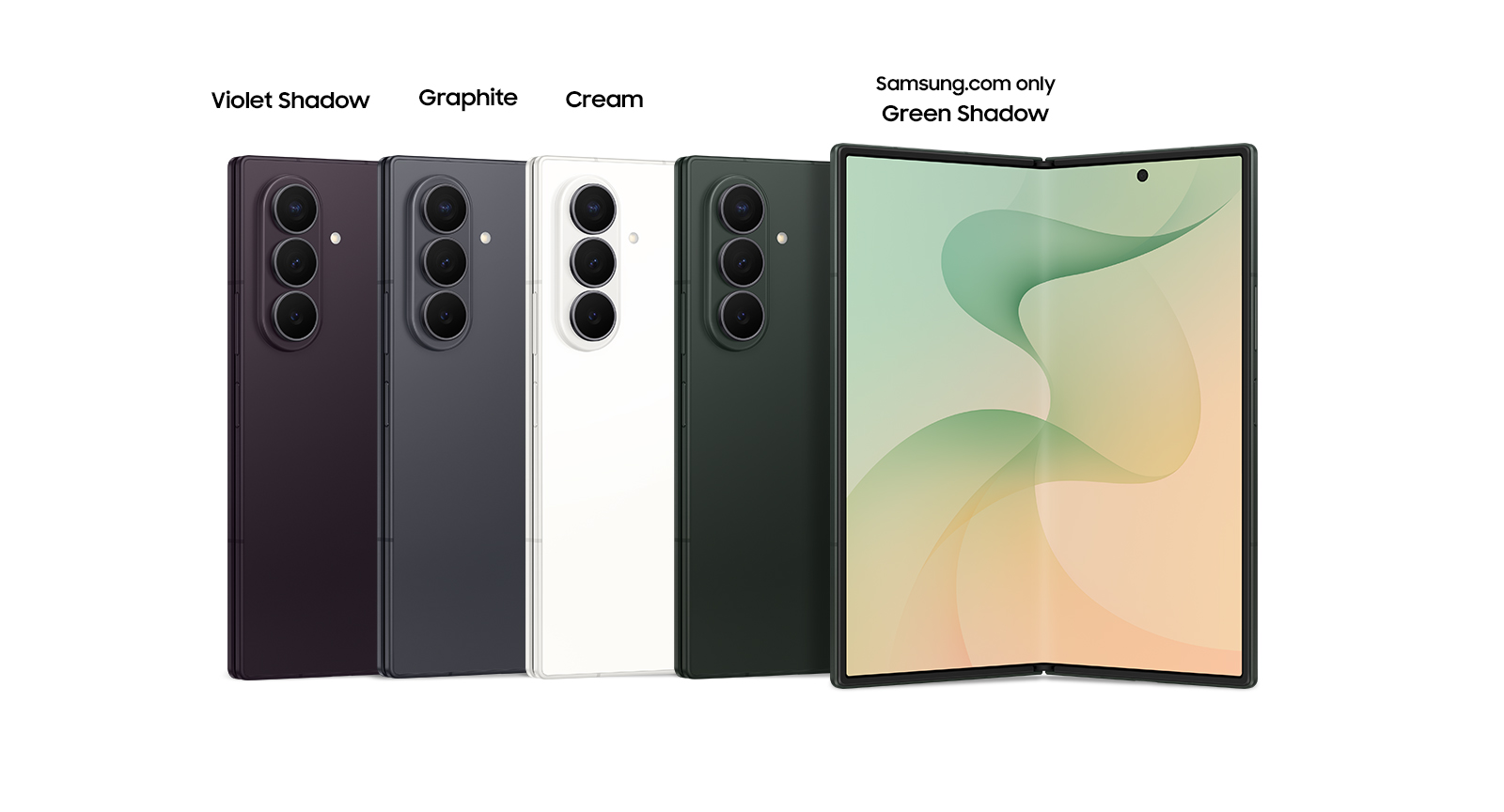
The Galaxy Z Fold8 occupies the more mainstream large-screen position. Samsung describes it as the lightest Galaxy Z Fold it has produced, with a design intended to remain practical as a conventional phone when closed before opening into a larger display for video, reading and gaming.
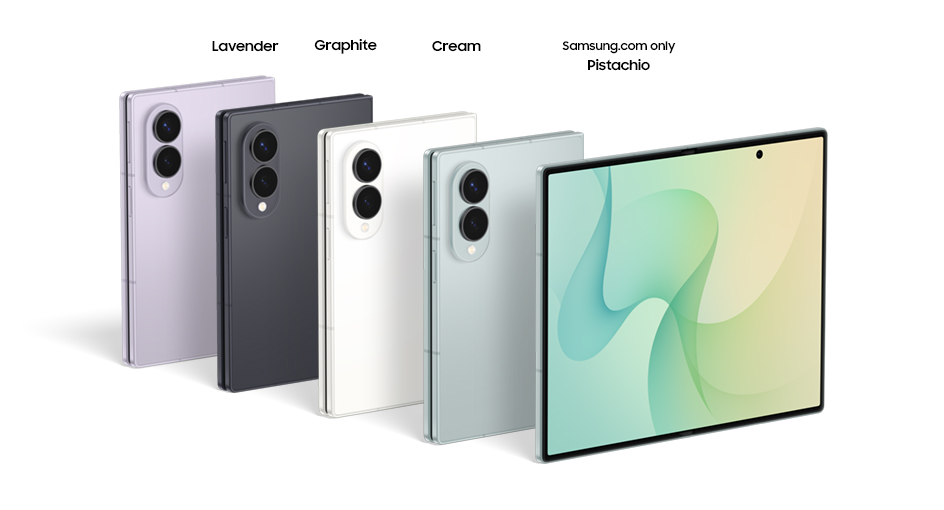
That balance between screen size and portability has always been one of the biggest challenges for book-style foldables. Earlier generations often asked buyers to tolerate extra thickness and weight in exchange for the larger internal display. Making that compromise less noticeable is arguably more important to the category’s long-term appeal than simply adding another feature.
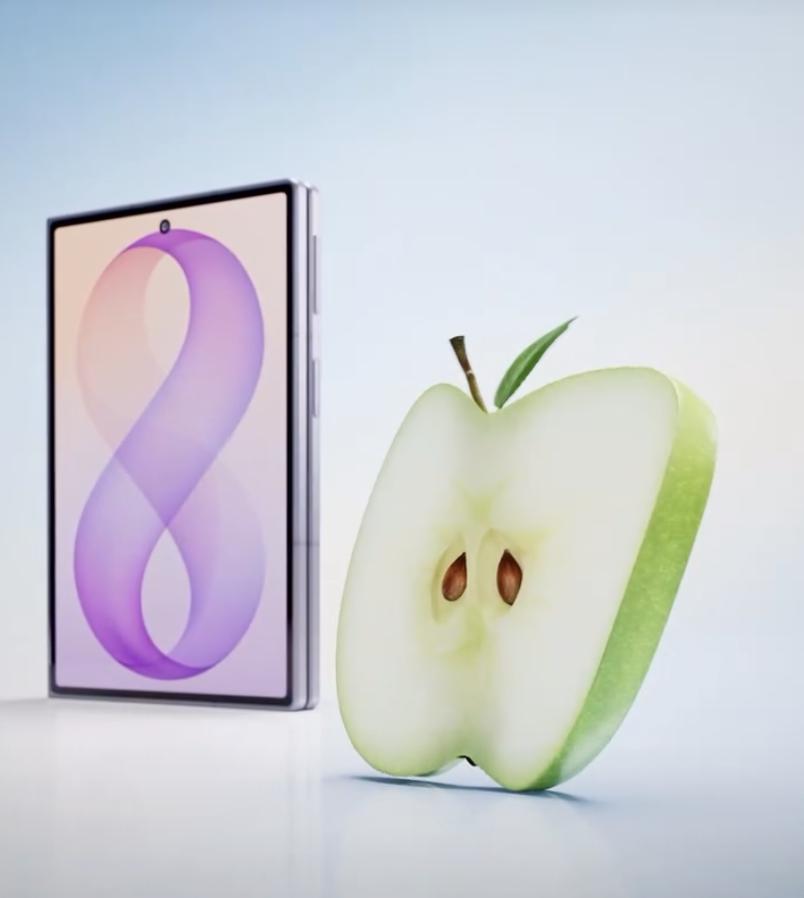
For users who want the most capable model, Samsung is positioning the Galaxy Z Fold8 Ultra as the productivity-focused option. Its centrepiece is an 8-inch folding main display designed for running multiple tasks, accompanied by flagship-level performance and what Samsung describes as the most versatile camera system in the new Galaxy Z range.
The Fold8 Ultra also reflects an increasingly familiar strategy in premium smartphones: using the “Ultra” label to create another tier above an already expensive flagship. How compelling that distinction becomes will depend on pricing and the practical differences between the Fold8 and Fold8 Ultra, details that will matter considerably when buyers start comparing the two.
The Galaxy Z Flip8 takes the opposite approach. Rather than maximising screen space, it focuses on compactness, style and quick interactions. Samsung says it is the slimmest and lightest device in the new Z series, with users able to perform selected everyday tasks without unfolding the phone. The Flip format also continues to emphasise selfies and personalisation, areas where clamshell foldables have established a clearer identity than their book-style counterparts.
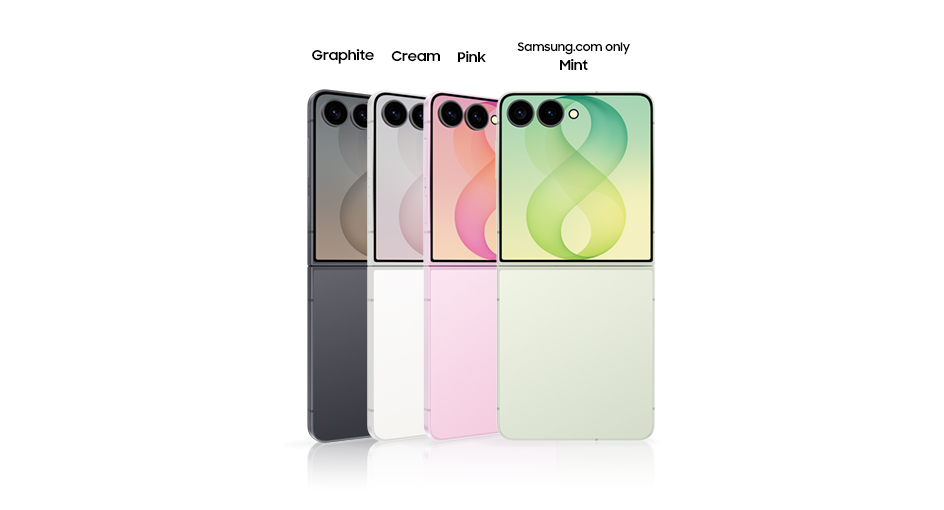
All three devices combine Samsung’s latest Galaxy AI features with software adapted for their respective folding designs. Durability also remains part of Samsung’s pitch, an important consideration for foldables given the additional mechanical complexity of hinges and flexible displays.
Samsung is also maintaining Smart Switch support for transferring contacts, photos, messages and settings from existing Galaxy phones and devices running other operating systems.
The arrival of three distinct Galaxy Z models, alongside the Galaxy Z TriFold introduced earlier in 2026, shows how far Samsung wants to push foldables beyond a single premium niche. The challenge now is less about proving that folding screens work and more about demonstrating that each increasingly specialised shape offers enough practical value to justify choosing it over a conventional flagship.