

Samsung has developed Flex Titanium technology for its upcoming Galaxy foldable devices, introducing titanium components to address persistent challenges in foldable display design. The approach focuses on improving durability, minimizing crease visibility, and maintaining a slim profile without sacrificing flexibility. This marks the latest step in the company’s seven generations of work on foldable phones, where user feedback has consistently highlighted desires for larger screens, smoother surfaces, and reliable everyday performance.
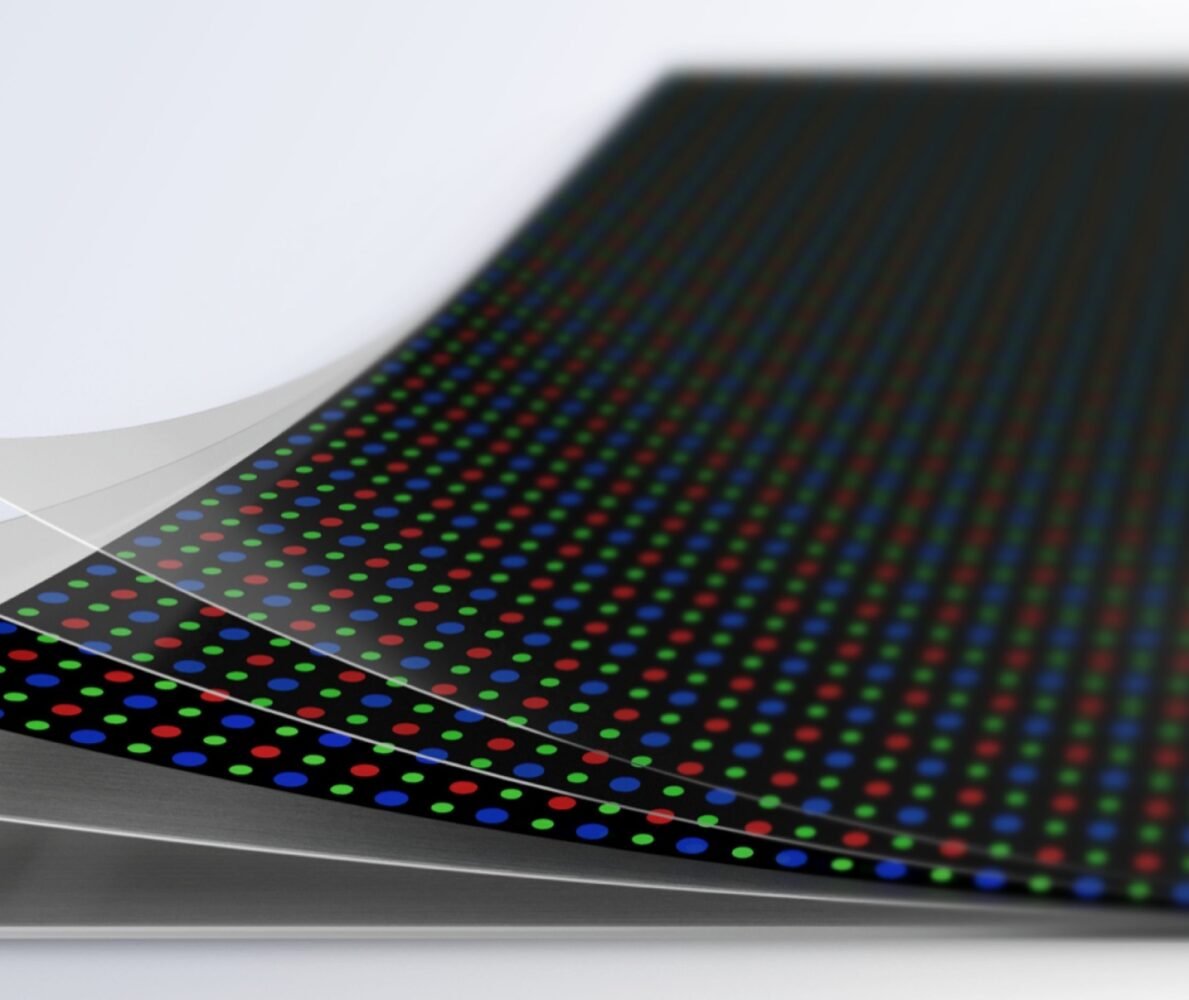
Foldable displays have evolved considerably since early prototypes, building on Samsung’s earlier adoption of AMOLED panels in the mid-2000s. Yet the category still grapples with trade-offs: repeated bending stresses materials, visible creases can distract during use, and added layers often increase thickness or reduce battery life. Flex Titanium attempts to balance these factors by integrating two titanium-based elements into the display structure. A titanium-alloy film positioned beneath the OLED panel offers significantly greater mechanical stiffness compared to traditional polymer films, roughly twenty times more according to the company. Precision manufacturing keeps this layer extremely thin, about one-third the thickness of a human hair, helping preserve an overall slim device form.
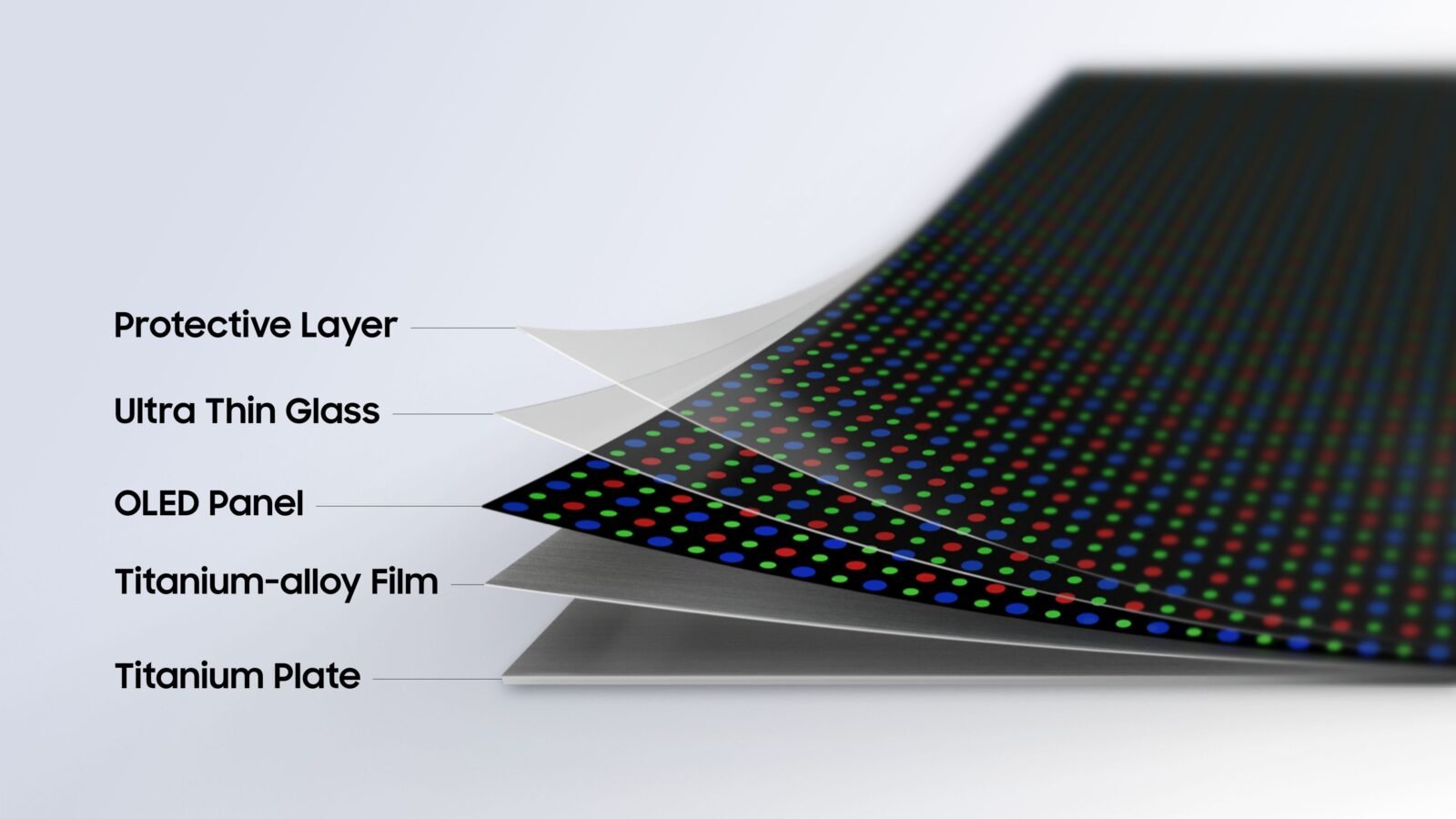
Supporting this from below is a titanium plate featuring micro-patterned holes in the folding area. This design aims to provide stable backing when the device is open while allowing the necessary movement for closing. By reducing air gaps through advanced processing, the structure seeks better bonding and support. Additional refinements in display architecture and organic materials reportedly contribute to higher resolution and lower power consumption, though real-world gains will depend on final device integration and testing.
The use of titanium draws from its proven strength in aerospace and other high-stress applications, yet adapting such a rigid material for thin, flexible electronics required substantial engineering. Samsung’s accumulated expertise in display and mechanical systems has enabled these adaptations, reflecting broader industry efforts to refine hinge mechanisms, substrates, and protective layers across competing foldable offerings. While earlier models improved crease reduction and hinge smoothness over time, visible lines and concerns about long-term durability remain common points of criticism from users and reviewers.
This technology will appear first in Samsung’s next generation of Galaxy foldables, with more specifics expected at an upcoming product event. The development underscores how material science continues to drive progress in mobile hardware, even as software optimization and ecosystem integration play equally important roles in user satisfaction. Past foldable iterations have shown that incremental advances can meaningfully enhance the experience, but meaningful adoption still hinges on addressing price, app optimization, and perceived value compared to traditional slab phones.
In a market where foldables represent a growing but still premium segment, innovations like Flex Titanium illustrate ongoing attempts to close the gap between concept and practical daily tool. Success will ultimately be measured by whether these refinements translate into fewer compromises for consumers who value larger canvases for media, productivity, and multitasking.