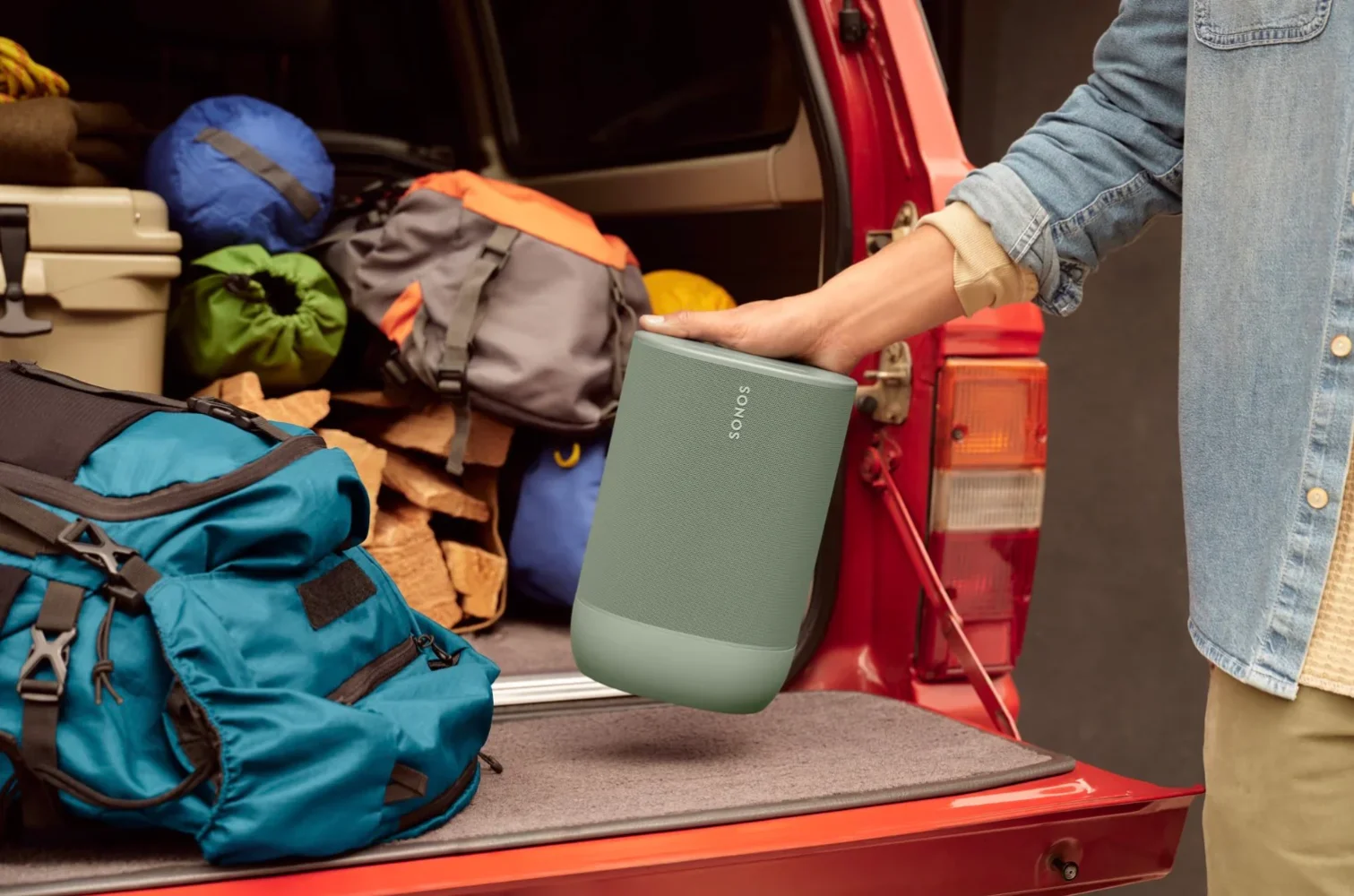


OpenAI is preparing to enter the hardware market with its first physical product, a portable smart speaker that functions without a screen. According to reports, the device aims to act as an always-available AI companion within the home, capable of managing smart home devices, handling queries, playing media, and responding to messages. It draws on ChatGPT technology, including the recently introduced GPT-Live model, to enable more natural voice interactions that simulate real conversation, complete with listening and speaking simultaneously.
What sets this speaker apart from conventional smart speakers is its emphasis on personalization and presence. The device is designed to learn user habits over time, becoming more proactive in its responses. It features a personality layer for humanlike engagement, mechanical components that allow parts to move independently, and a camera for environmental awareness. A built-in rechargeable battery supports portability from room to room, distinguishing it from stationary setups. OpenAI CEO Sam Altman and designer Jony Ive, formerly of Apple, have previewed elements of the project, highlighting its potential for deep contextual understanding of daily life and framing it as a fresh category of AI-focused computing.
This development arrives amid growing competition in consumer AI hardware. Companies have long experimented with voice assistants, from early Siri integrations to Amazon’s Echo lineup and Google’s Nest devices. Yet OpenAI’s approach leans into companionship rather than pure utility, reflecting broader industry shifts toward agentic AI systems that anticipate needs rather than simply react. Historical parallels exist in past attempts at emotional computing, though many such efforts have struggled with genuine utility versus novelty. Skeptics note that adding movement and cameras raises questions about intrusiveness in private spaces, especially from a company whose primary business involves vast data collection.
The project has sparked immediate friction with Apple. In a trade secrets lawsuit, Apple alleges that OpenAI improperly accessed confidential information, including proprietary manufacturing techniques like metal finishing, during the device’s development. Apple describes the reliance on such material as foundational to OpenAI’s hardware ambitions. Sources close to the project counter that the speaker differs substantially from Apple’s existing HomePod offerings and any rumored home hub with its 7-inch display, camera, and Siri enhancements. They maintain no violation occurred, though the legal battle could delay timelines. Early expectations pointed to a 2026 arrival, but current projections suggest a 2027 launch, with a possible unveiling later this year. An injunction request from Apple adds uncertainty.
For consumers, the appeal lies in a more intuitive AI presence that moves beyond today’s often limited assistants. However, privacy remains a central concern. An always-listening device managed by an organization focused on data-intensive AI training invites scrutiny over how information is stored, used, and protected. Past incidents across the tech sector show that contextual awareness can blur lines between helpfulness and surveillance. OpenAI will need to address these issues transparently if it hopes to build trust in a market wary of corporate overreach.
The speaker also highlights talent flows between Silicon Valley giants. Recent executive moves from Apple to OpenAI underscore the intense competition for expertise in both software and hardware. While the device promises innovation in everyday AI interaction, its success will depend on delivering reliable performance without the hype often attached to such launches. In a field crowded with capable speakers, differentiation through true adaptability and respect for user boundaries will prove decisive.