

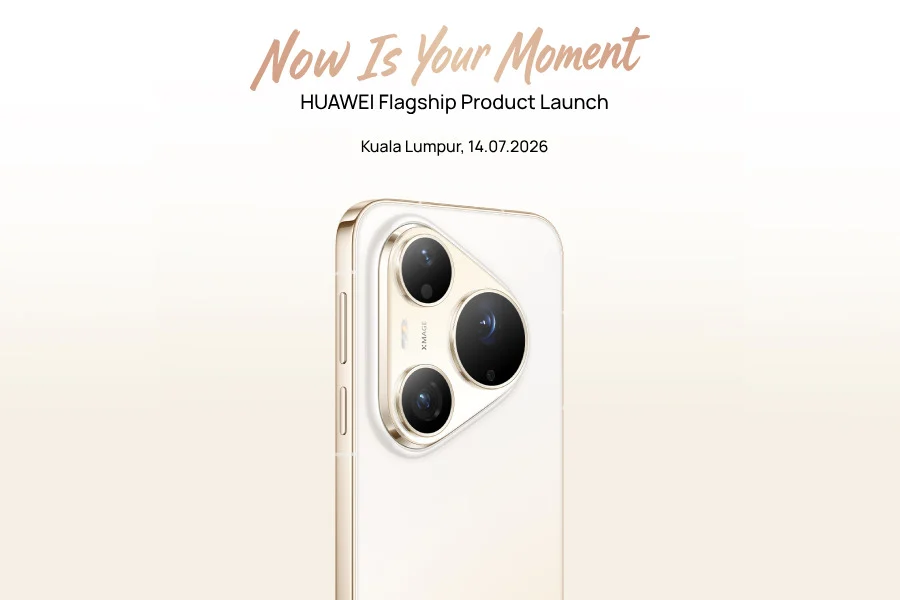
Huawei has scheduled a global launch event for its Pura 90 series smartphones on July 14 in Kuala Lumpur, Malaysia. The event, carrying the tagline “Now is Your Moment,” marks the first time these devices will be available outside China, where they debuted earlier this year. The lineup includes the standard Pura 90, the Pura 90 Pro, and the Pura 90 Pro Max, positioning them as direct competitors in the premium Android segment amid ongoing industry shifts toward advanced imaging and localized software ecosystems.
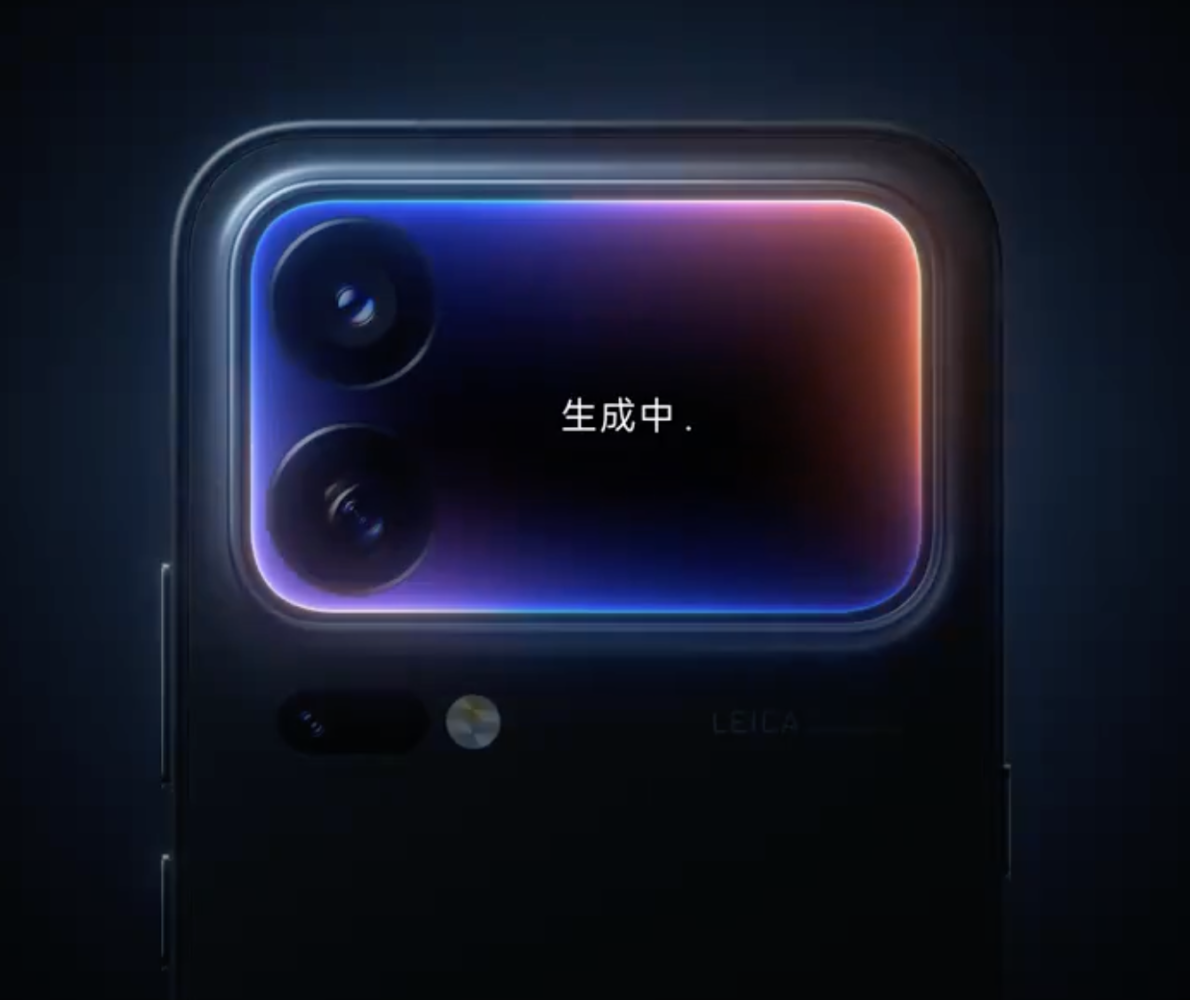
The base Pura 90 features a sizable 6.84-inch 1.5K flat display and a substantial 6,500mAh battery, all housed in a relatively slim 6.9mm chassis weighing 203 grams. This combination suggests an emphasis on everyday usability without excessive bulk, though real-world endurance will depend on how the hardware manages power under typical loads. The Pro variant introduces a more compact 6.6-inch screen paired with a refined camera array, headlined by a 50MP main sensor equipped with a variable aperture from f/1.4 to f/4.0. It also includes a 12.5MP ultrawide lens and a 50MP periscope telephoto offering 4x optical zoom, features that aim to deliver flexibility across different shooting scenarios.
At the top end, the Pura 90 Pro Max steps up with a larger 6.9-inch display and an ambitious camera configuration built around a 50MP primary sensor, a 40MP ultrawide, and a 200MP periscope telephoto. Huawei claims this telephoto setup gathers more light than competing flagships thanks to a custom prism design, potentially benefiting low-light and zoomed photography. Both Pro models share the Kirin 9030S chipset, which incorporates enhancements for AI-driven image processing. They also come with 6,000mAh batteries, Kunlun glass for added durability, and support for up to 100x digital zoom alongside 4x optical capabilities. A 13MP front camera handles selfies and video calls, while the software side runs on HarmonyOS 6.1, complete with various AI photography aids.
This global rollout arrives at an interesting juncture for Huawei. Having navigated years of export restrictions that limited access to certain components and services, the company has doubled down on its in-house Kirin silicon and the HarmonyOS platform as an Android alternative. Early adoption figures for HarmonyOS 6 indicate solid traction in its home market, reflecting a broader push toward software self-reliance. Yet questions remain about how the Pura 90 series will fare internationally without full Google Mobile Services integration, a factor that has historically affected user experience for Huawei devices outside China. Pricing details for global markets have not yet been disclosed, though the Chinese starting point of around $690 for the base model offers a reference point.
Camera performance stands out as the clear focus here, building on Huawei’s long-standing reputation in mobile imaging. The variable aperture and high-resolution telephoto sensors could prove useful for enthusiasts chasing versatility, but consistent results across varying conditions will ultimately determine their edge over established rivals from Samsung, Xiaomi, and others. Battery life and thermal management under the new chipset will also warrant close scrutiny once review units surface.
The Kuala Lumpur event should provide additional clarity on availability, regional pricing, and any software customizations tailored for international users. For those tracking the premium smartphone space, the Pura 90 series represents another chapter in Huawei’s effort to maintain relevance through hardware innovation and ecosystem independence, even as the broader market evolves rapidly around AI features and sustainable design.