

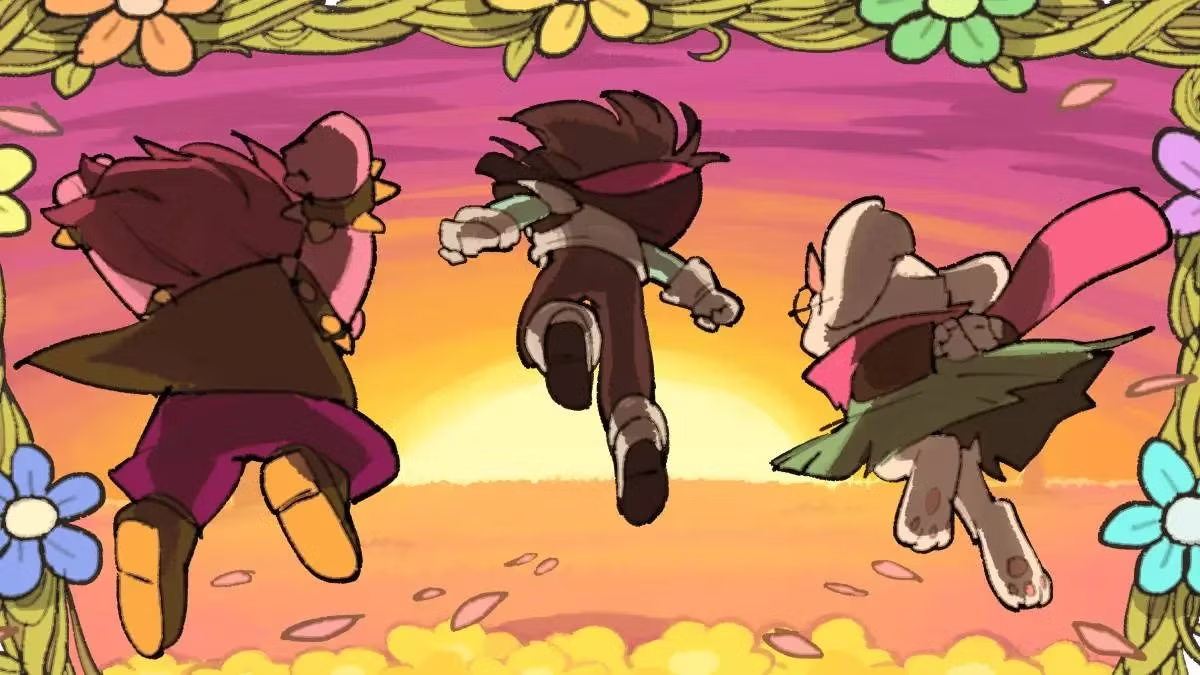
TL;DR: Deltarune Chapter 5 delivers a nostalgic, relationship-focused festival adventure with perspective-shifting gameplay twists, stellar writing, and deep dives into grief and player-Kris tension. It prioritizes emotional intimacy over massive lore drops, resulting in a poignant, highly replayable chapter that strengthens the series’ heart. A must-play for RPG enthusiasts craving substance beneath the whimsy.
Deltarune Chapter 5
Stepping back into the world of Deltarune after the whirlwind of Chapters 3 and 4 feels like reuniting with old friends at a hometown fair that somehow carries the weight of everything left unsaid between visits. As someone who has sunk countless hours into Toby Fox’s quirky universe—mashing buttons through bullet-hell scraps, laughing at the absurd banter, and pondering the deeper existential cracks beneath the pixelated surface—I approached Chapter 5 with the kind of cautious excitement that only a long-running episodic saga can inspire. This isn’t just another chapter; it’s the midpoint marker in what promises to be a seven-part epic, and it arrives with a gentle insistence on slowing down even as the larger mysteries loom larger than ever. What unfolds is less a bombastic escalation and more a heartfelt breather, one that celebrates the simple joy of camaraderie while quietly unraveling the personal tolls of adventure. In an era where games often chase spectacle at the expense of soul, Fox delivers something refreshingly grounded: a festival of fleeting connections in a world teetering on the edge of profound change.
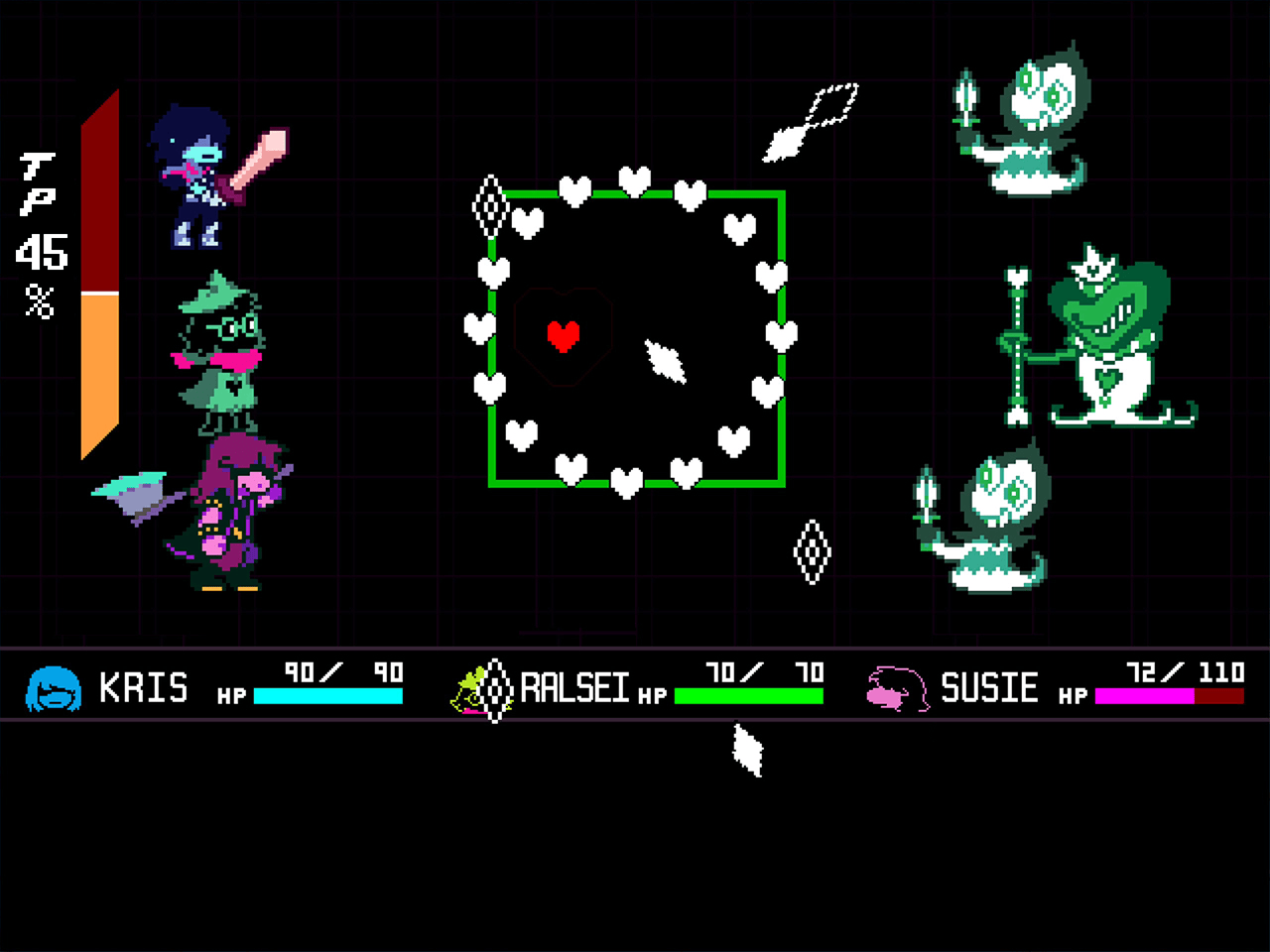
From the moment you boot up Deltarune Chapter 5, there’s an immediate sense of returning to roots, but not in a lazy, fan-service way. The structure echoes the innocence of Chapter 1 in ways that feel deliberately poignant, like revisiting your childhood neighborhood only to notice the cracks in the sidewalks you once ignored. Susie’s longing for endless good times hangs heavy in the air, a reminder that even in this colorful, whimsical realm, nothing lasts forever. I found myself grinning ear-to-ear during those callbacks—the familiar layouts, the way certain motifs loop back with fresh emotional resonance. And then there’s the music. Oh man, the soundtrack. When that remixed piano riff from “Field of Hopes and Dreams” hits, courtesy of the insanely talented insaneintherain, it’s the kind of auditory gut-punch that makes you pause mid-battle just to soak it in. The entire score remains top-tier Toby Fox magic: catchy, atmospheric, and perfectly attuned to the shifting moods of exploration and combat. It’s shorter than previous outings, but every track lands with purpose, blending nostalgia with subtle melancholy that mirrors the chapter’s themes. As a gamer who geeks out over RPG soundtracks the way others obsess over mechanical keyboards, this one joins the pantheon of memorable scores that stick with you long after the credits.
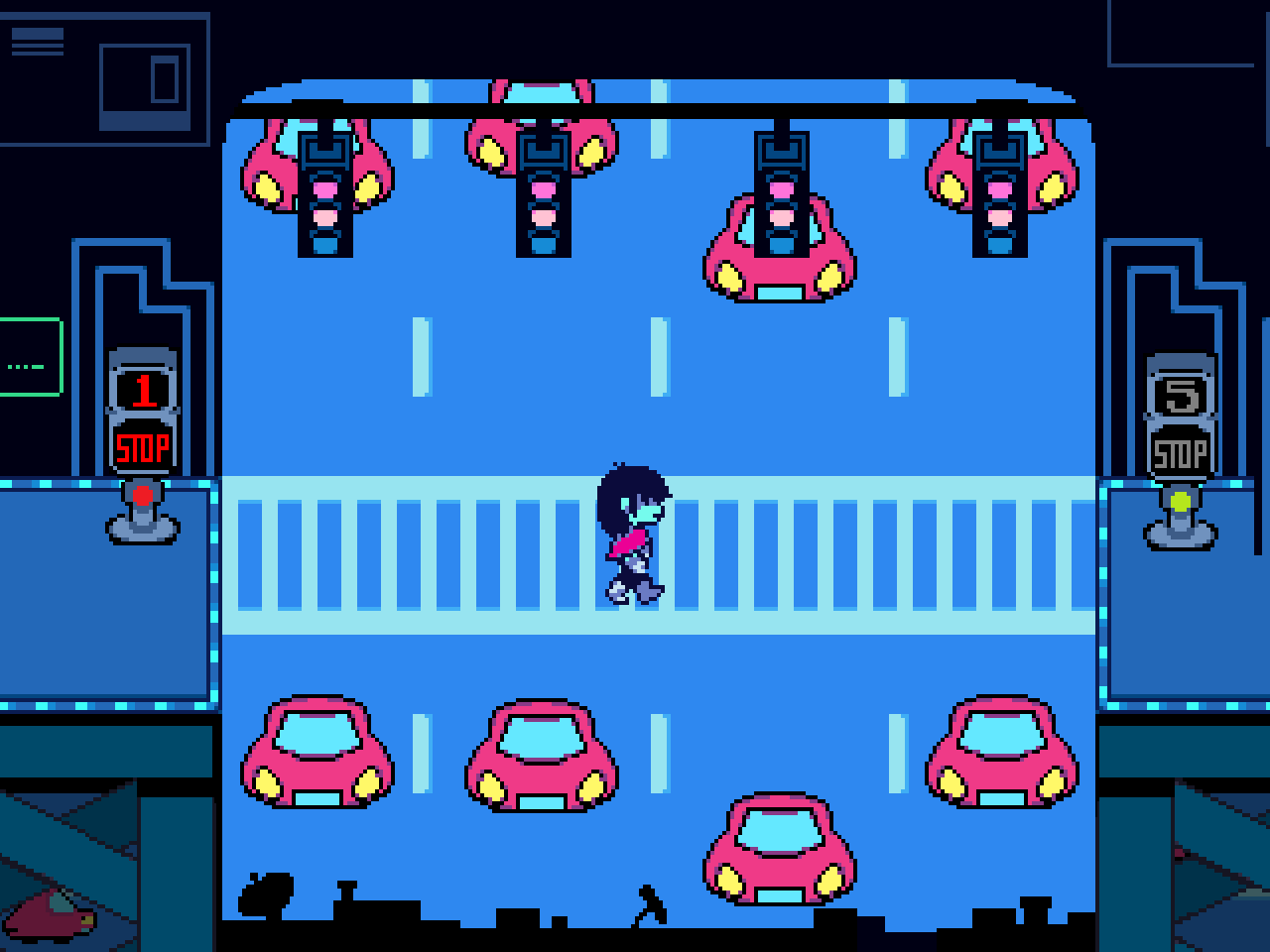
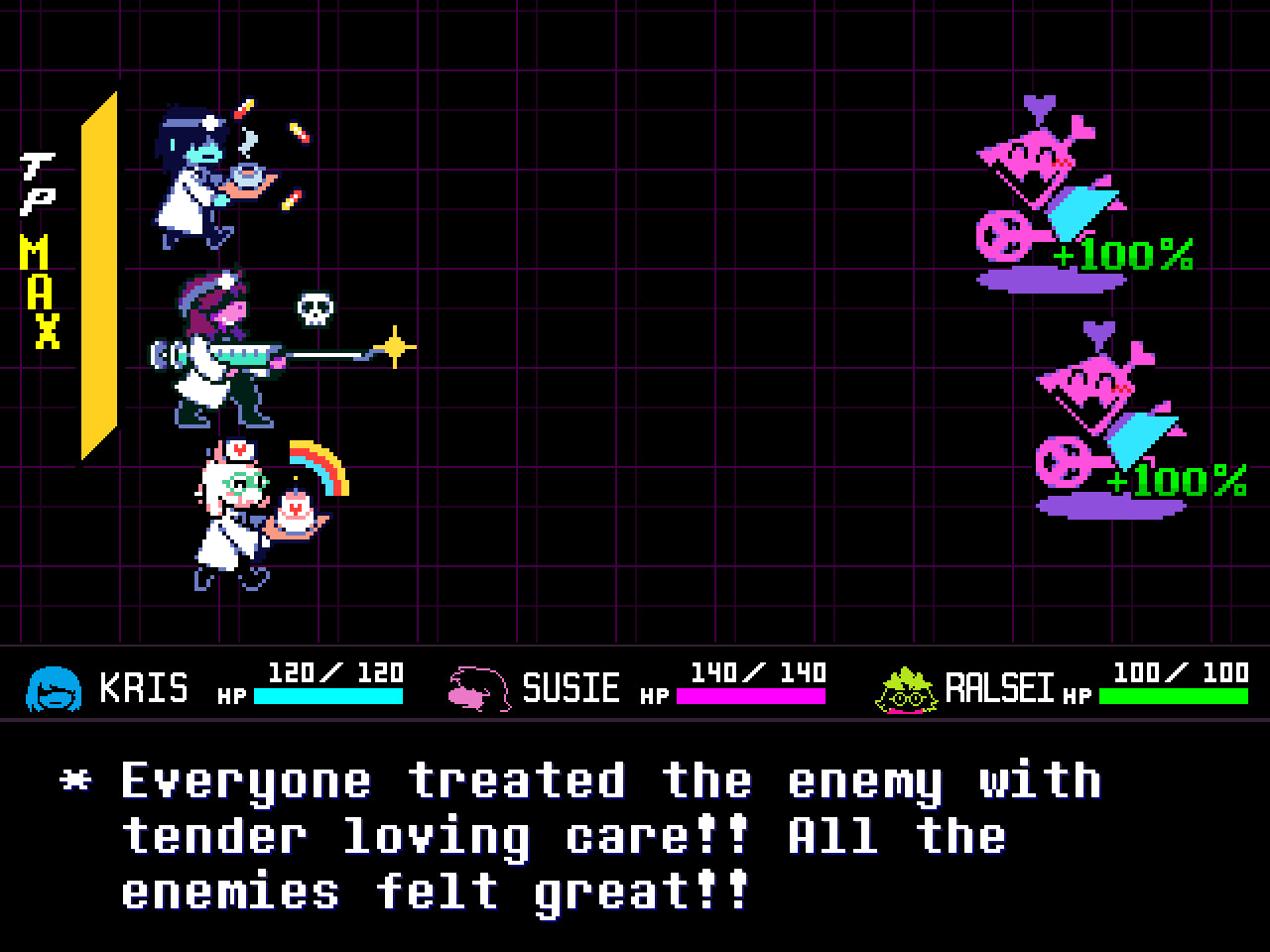
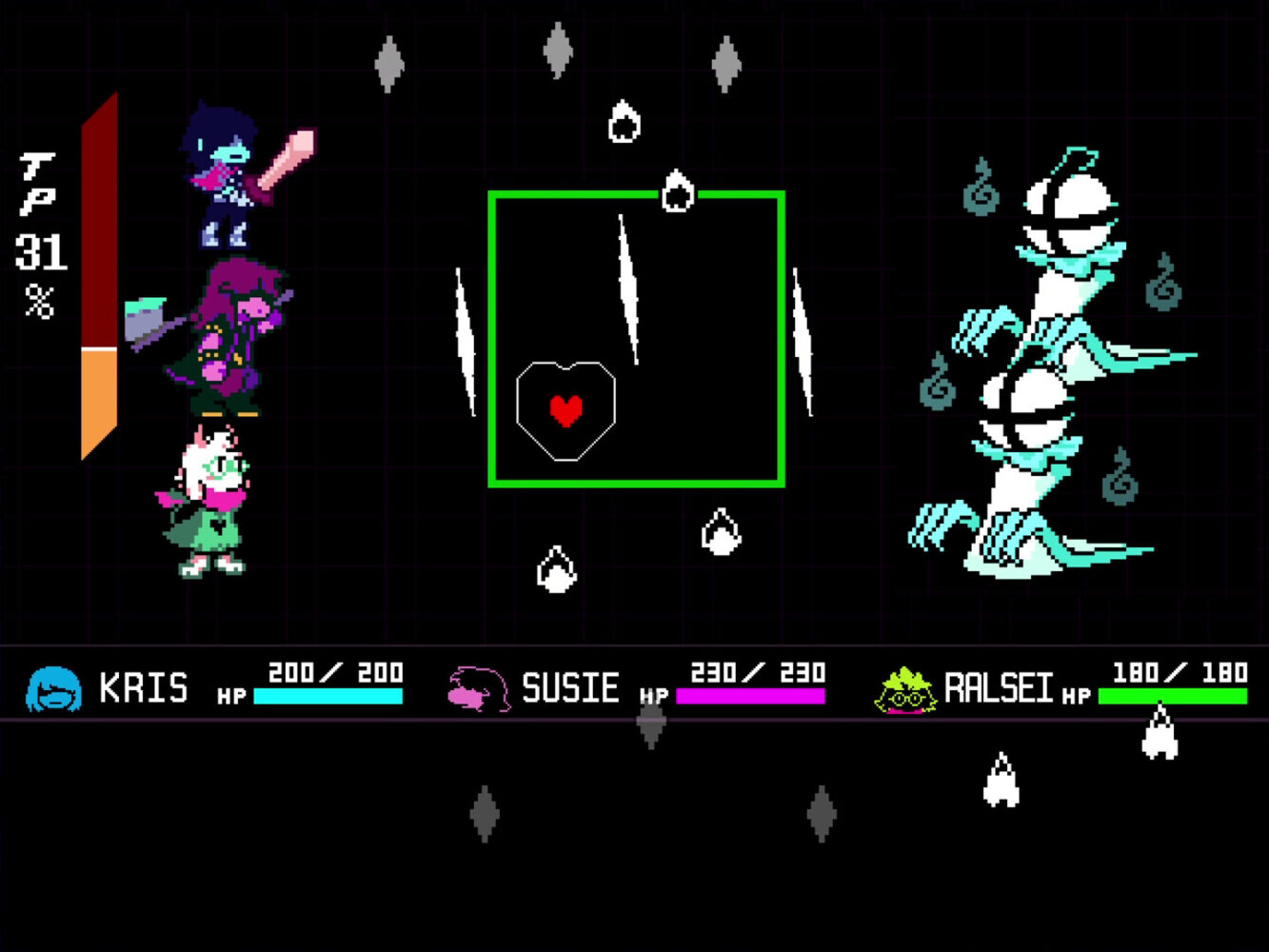
What really sets Chapter 5 apart is its willingness to experiment with gameplay in ways that feel risky yet oddly fitting for this stage of the journey. About halfway through, the game pulls a clever switcheroo, turning segments into side-scrolling action-RPG territory triggered by environmental interactions. Suddenly, you’re not just navigating top-down puzzles but flipping perspectives—literally imagining the world from another angle to uncover secrets and solve spatial riddles. It’s not revolutionary, and it doesn’t overhaul the core loop, but it injects a welcome variety into what could have been a straightforward retread. Puzzles that demand you visualize dual viewpoints add a layer of brain-teasing satisfaction, even if some feel more like clever distractions than groundbreaking mechanics. I’ll admit the returning wall-climbing from Chapter 4 still grates a bit, but overall, the pacing holds strong across its roughly eight-hour runtime for a thorough playthrough. Battles continue to shine as that signature mash-up of turn-based strategy and bullet-hell dodging, offering depth for completionists without overwhelming casual explorers. Hidden secrets abound, including a secret boss that left me equal parts frustrated and exhilarated—precisely the right cocktail of challenge and charm that keeps Deltarune feeling alive and unpredictable.
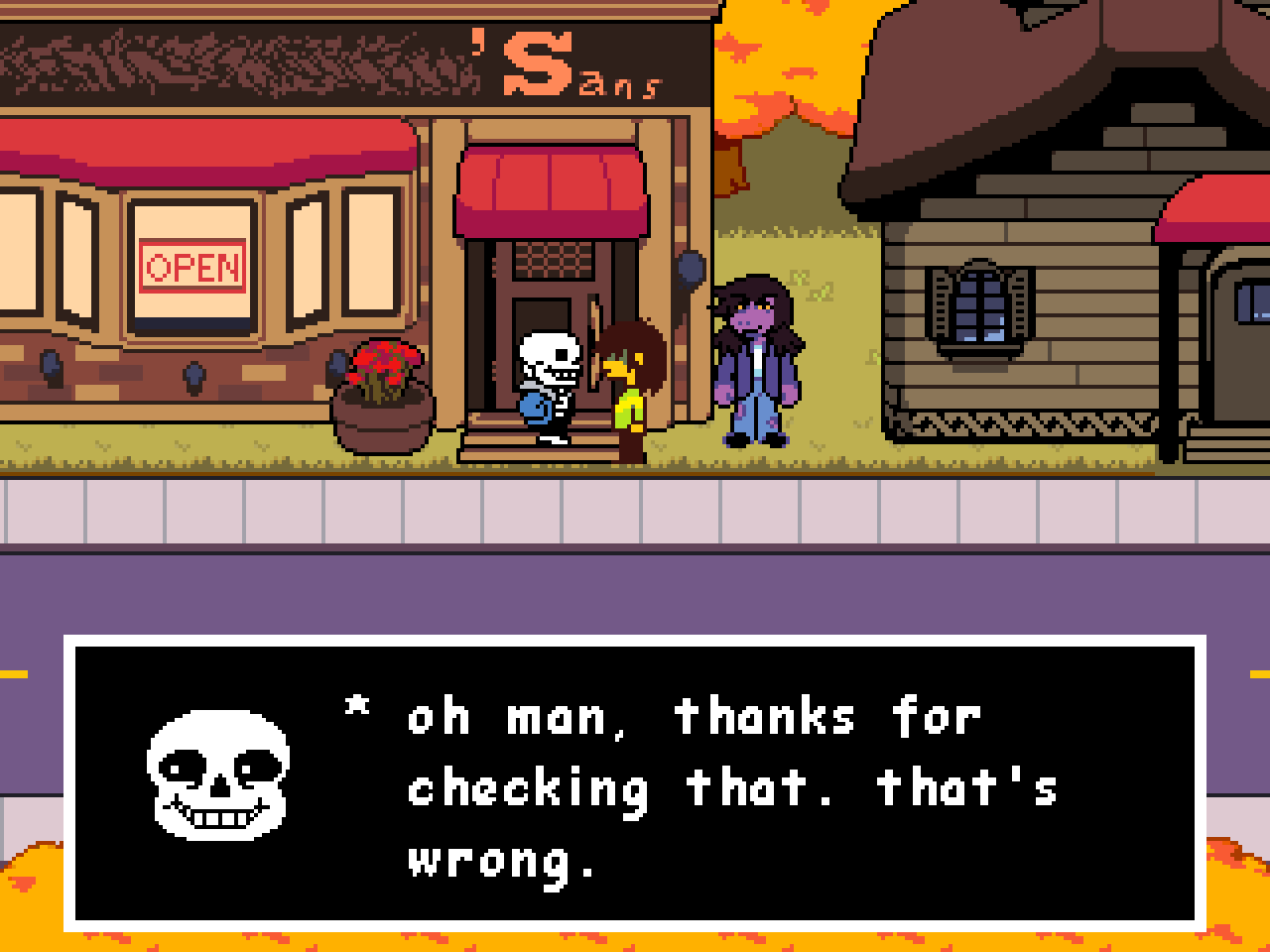
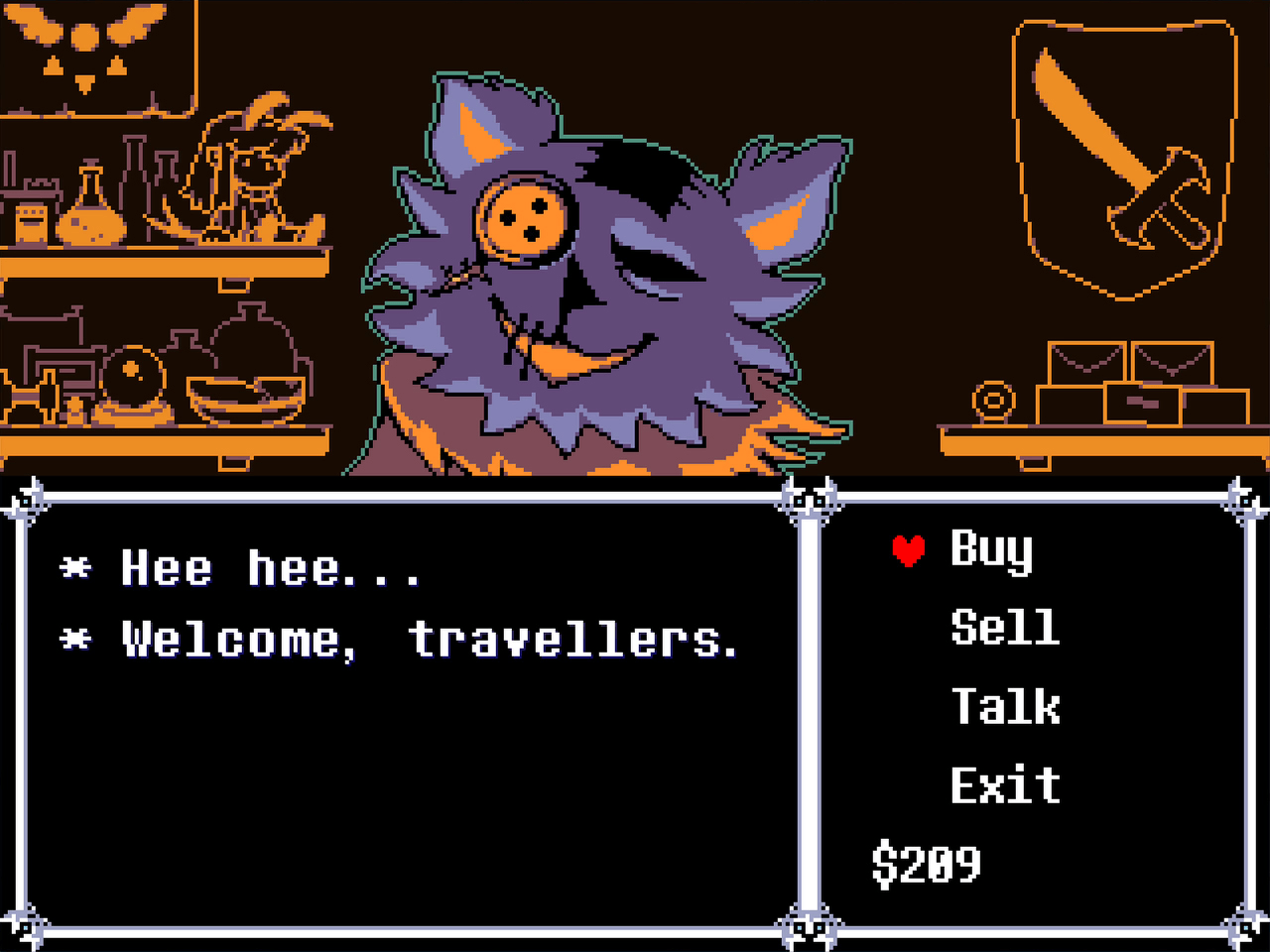
Diving deeper, the real heart of Chapter 5 lies in its cast and the quiet relational moments that define them. Fox has always excelled at making even the strangest characters feel vividly human, and here the ensemble expands with new faces that slot seamlessly into the group dynamic. Whether it’s playful flirtations by the lake, heartfelt chats in steamy onsen settings, or those implied off-screen Ferris wheel rides that speak volumes through absence, these scenes breathe life into the adventure. The writing crackles with Fox’s trademark wit—sharp, unapologetic humor that had me screenshotting dialogue left and right for future meme potential. Even characters who start off grating grow on you, their flaws woven into lovable quirks that make every interaction feel earned. As someone who’s marathoned tactical RPGs like the upcoming Star Wars: Zero Company and appreciates how relationships drive narrative momentum, I was hooked by how Deltarune uses these bonds to explore heavier territory. Grief, loneliness, and the ripple effects of personal loss permeate the festival atmosphere, turning what starts as lighthearted revelry into something far more introspective. It’s not preachy or overwrought; instead, it unfolds organically through small, cinematic vignettes that linger in your mind.
One of the most compelling threads running through the entire series—and crystallized beautifully in Chapter 5—is the meta-narrative involving Kris and the player. From the very first chapter, it’s clear we’re not fully in control or welcomed as a benevolent force. Kris carries this quiet resentment, a participant in events driven by forces beyond their choosing, tied inextricably to deeper unresolved pain from their past. Playing through, I caught myself genuinely wanting to reach through the screen, to offer support or simply ensure Kris grabbed that metaphorical piece of toast amid the chaos. The narration often feels like eavesdropping on Kris’s inner monologue, directed pointedly at you, the puppet master pulling strings for better or worse. Dialogue choices let you amplify mischief, foster genuine friendships, or veer into darker “Weird Route” territory that I, like many, will steer clear of after hearing the implications. This player-character tension builds to an emotional crescendo in the closing moments, where a simple walk “home” with Susie strips away lore bombs in favor of raw vulnerability. It’s a masterclass in building investment not through epic stakes, but through the ache of unspoken burdens and the yearning for connection. In a gaming landscape full of power fantasies, Deltarune dares to make you feel the weight of unintended consequences.
Broadening the lens, Chapter 5 serves as a pivotal reflection point midway through the saga. Fans have spent years theorizing, datamining, and chasing ARGs, myself included in spirit as I devour every scrap of geek speculation. Expectations ran high for massive lore drops following Chapter 4’s revelations, but what we get instead is a deliberate pivot toward the intimate. Good versus evil, free will, the value of existence—these pillars remain, but they take a backseat to how loss reshapes communities and individuals. Asgore’s arc, drowning in conspiracies while missing the obvious in front of him, hits especially close to home for anyone who’s ever buried real emotions under distractions. The festival setting amplifies this beautifully: bright lights and communal joy contrasting the undercurrents of isolation. It’s a reminder that the best stories aren’t always about saving the world, but about the people you save it with—and the parts of yourself you confront along the way. Toby Fox trusts his audience to sit with these quieter truths, and the result is profoundly rewarding.
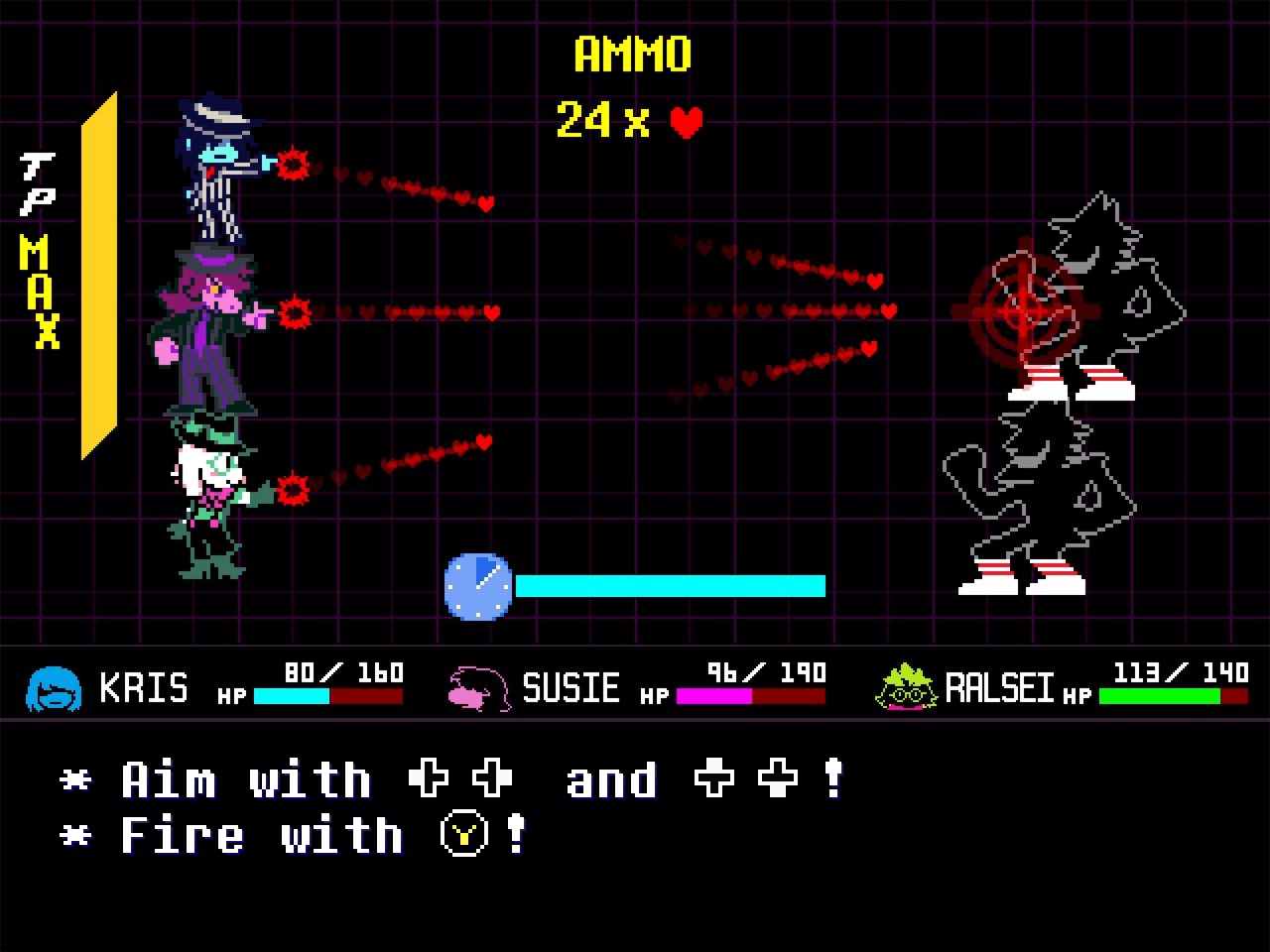
Gameplay-wise, the chapter maintains the series’ accessible yet layered approach. Exploration rewards curiosity with hidden treasures and character insights, while the hybrid combat system continues to evolve without alienating newcomers. The action-RPG shifts add visual flair and puzzle variety, even if they occasionally feel like stylistic flourishes rather than essential innovations. For completionists, there’s plenty to chase—secrets, alternate paths, and that perfectly aggravating secret boss encounter that tests patience in the best way. The simplistic yet charming aesthetic shines here too, using limited visuals to evoke genuine beauty and emotion. It’s colorful, vibrant, and never overstays its welcome, making the eight hours fly by in a haze of laughs, tense dodges, and reflective pauses. Compared to the marathon sessions I’ve logged in other RPGs, Deltarune Chapter 5 strikes an ideal balance of length and density.
What elevates this chapter beyond mere entertainment is its emotional honesty. In a medium often criticized for prioritizing spectacle, Fox crafts moments of profound loneliness that resonate deeply. Kris’s plight—trapped in a cycle where survival and agency clash—mirrors real human struggles with grief and the difficulty of letting others in. Susie, Ralsei, Noelle, and the rest of the crew become mirrors for our own relational hopes and fears. I emerged from the credits not hyped for the next power-up, but invested in these characters’ well-being, rooting for healing amid the encroaching darkness. It’s the kind of storytelling that turns a game into a personal journey, one that lingers during late-night sci-fi binges or early morning hikes when your mind wanders to fictional friends facing their own boss fights.
Of course, no chapter is flawless. The occasional puzzle frustration, the persistence of certain mechanics that don’t quite click, and the deliberate withholding of explosive plot points might test some players’ patience. Yet these feel like intentional choices in service of a larger vision rather than shortcomings. Deltarune has never been about rushing to the finish line; it’s about savoring the path, even when it hurts a little. Chapter 5 reinforces that philosophy masterfully, leaving me more hooked than ever for whatever comes next—happy ending be damned, though the teasing hints at sacrifice keep the speculation fires burning bright.
Verdict
Deltarune Chapter 5 – The Festival isn’t the explosive lore explosion many anticipated, and that’s precisely its greatest strength. It doubles down on character-driven storytelling, clever mechanical twists, and heartfelt explorations of grief and friendship, all wrapped in Toby Fox’s signature blend of humor and heart. While not without minor pacing quirks, it stands as a beautifully crafted midpoint that deepens investment in the world and its inhabitants. Essential for fans, and a compelling entry point for newcomers willing to embrace its unique rhythm. This chapter reaffirms why Deltarune remains one of gaming’s most special ongoing stories—intimate, surprising, and profoundly human.