

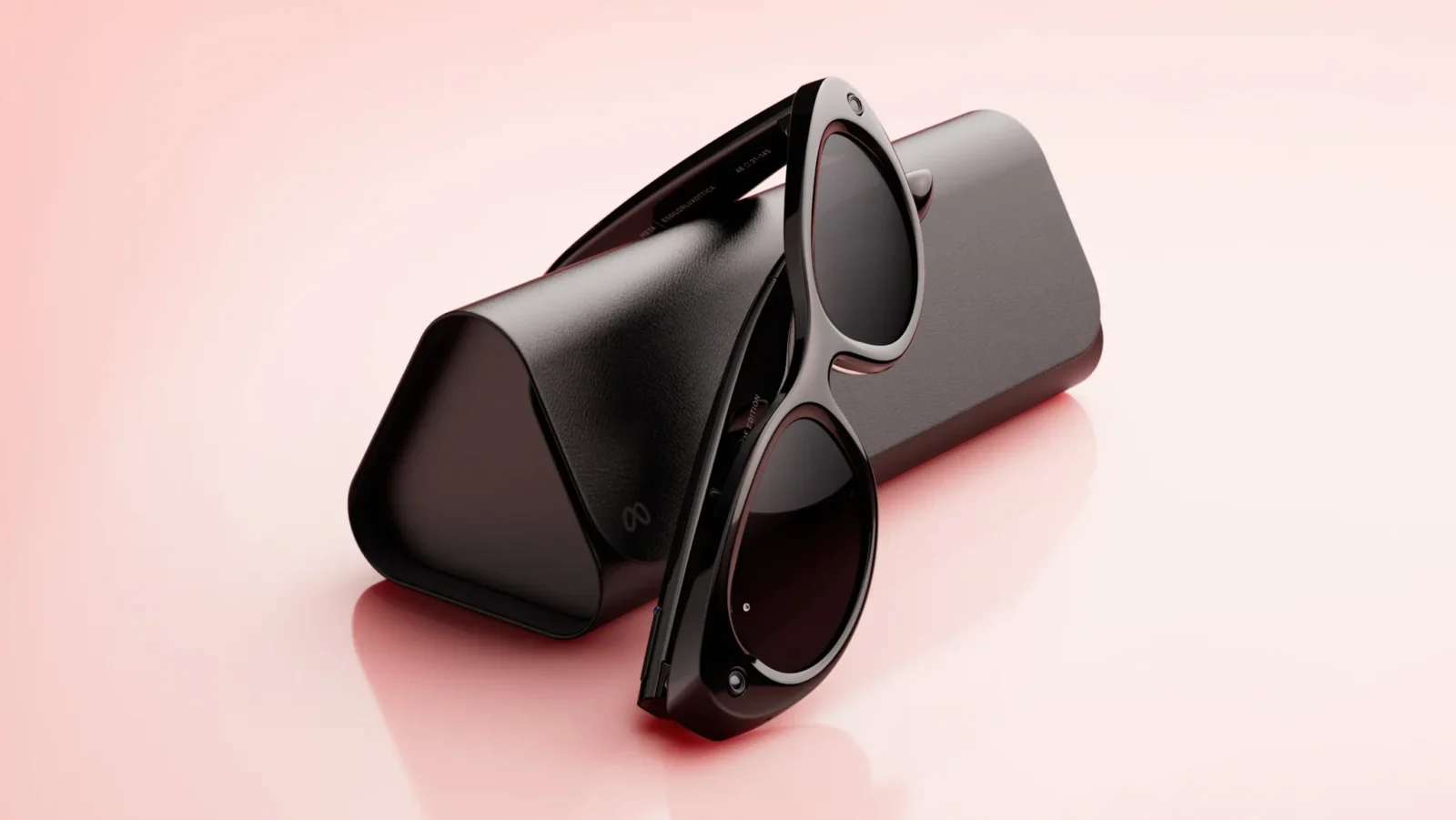
Meta has expanded its lineup of smart glasses with a new collection developed alongside EssilorLuxottica. The updated frames build directly on the hardware and software already found in the company’s earlier models, which have led sales in the AI-equipped eyewear category. This iteration emphasizes conventional eyewear aesthetics through varied shapes, colors, and material choices rather than major changes to the underlying technology.
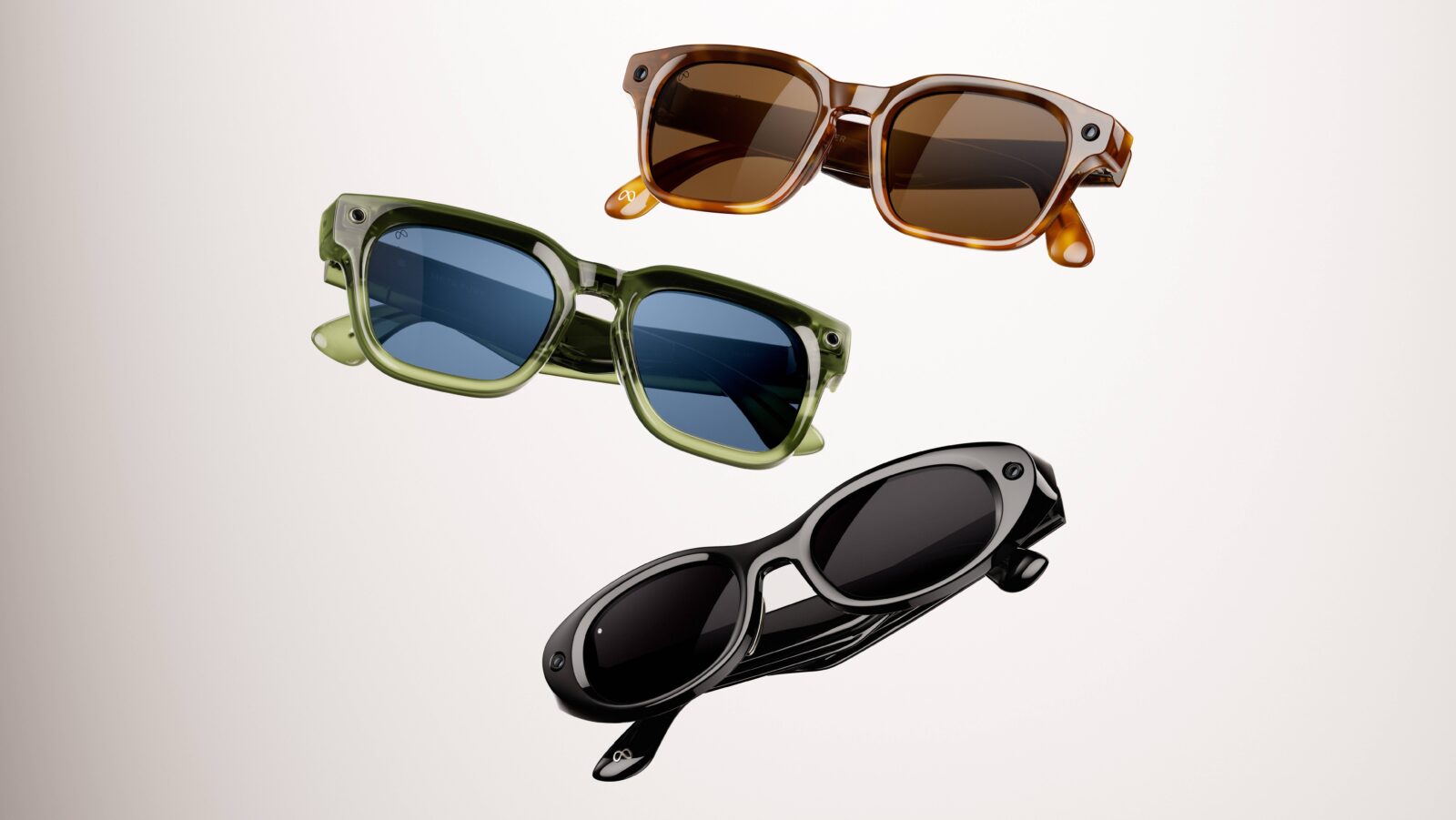
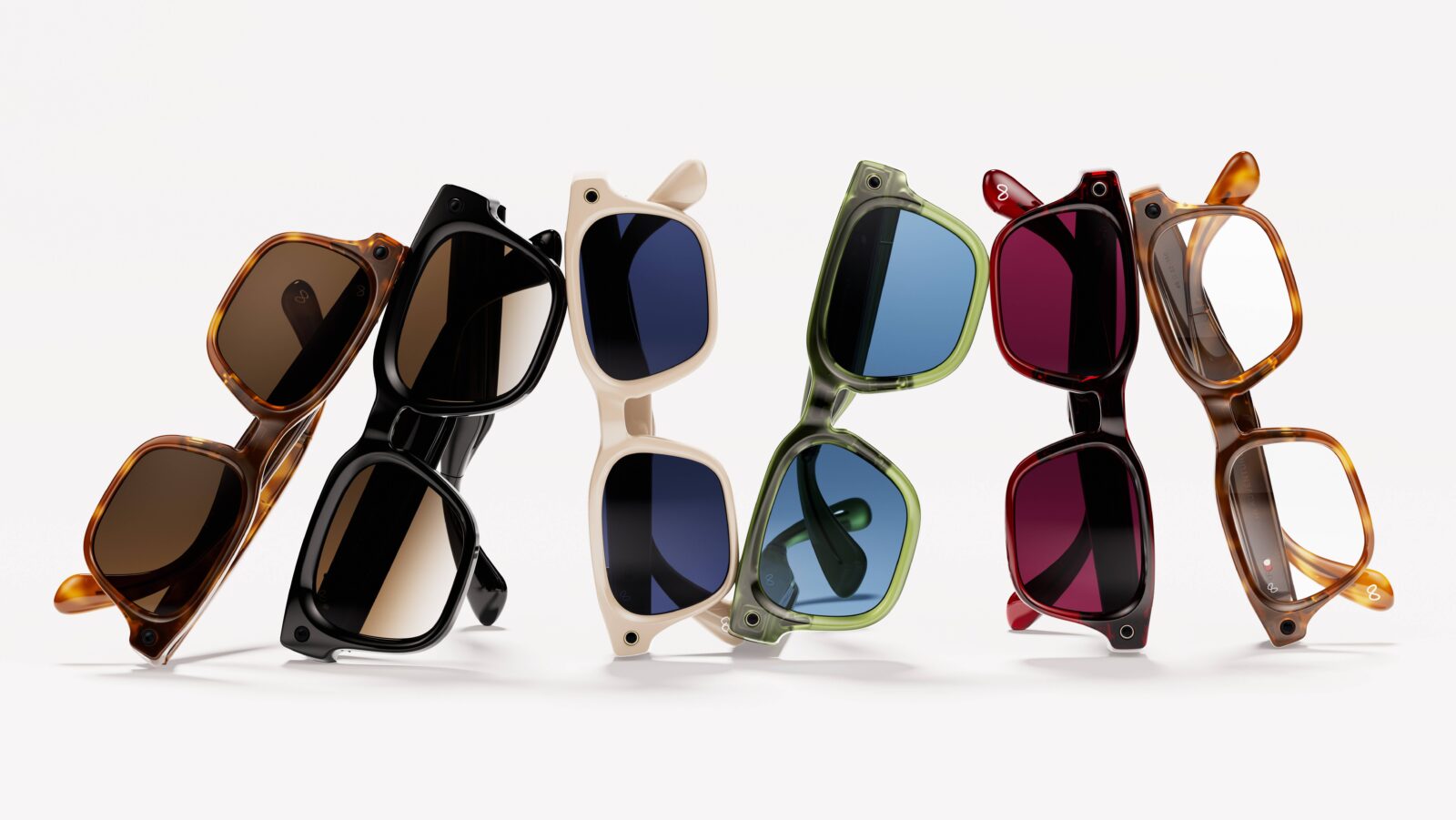
The release also marks a first foray into wearable tech design by Kylie Jenner, resulting in one dedicated frame style. Three silhouettes form the core offering. The Meta Adventurer provides a straightforward rectangular option in both standard and larger sizes. The Meta Fury adopts a more pronounced look intended to stand out. The Kylie collaboration delivers a narrower oval shape shaped by her preferences.
Color selections include familiar standards such as Classic Black and Classic Tortoise alongside newer additions like Racing Green, Linen, Merlot, Mahogany, and Sandstone. Lens varieties cover sun, Transitions, polarized, and clear versions, all produced through the EssilorLuxottica partnership. In total, the initial assortment reaches 26 variations, giving buyers a range of conventional fashion choices paired with the existing camera, audio, and AI assistant functions.
This approach reflects a broader pattern in consumer electronics where established tech capabilities migrate into everyday accessories. Earlier Meta smart glasses iterations, developed with Ray-Ban, demonstrated that pairing cameras and voice interaction with familiar eyewear could achieve wider adoption than more experimental designs. Yet challenges remain around battery life during extended use, the social acceptability of recording in public spaces, and how seamlessly the integrated AI handles real-world interruptions compared to phone-based assistants.
For users already familiar with prior versions, the new frames offer mainly cosmetic updates. The core experience—voice commands, real-time translation hints, photo capture, and music playback—stays consistent. That continuity may appeal to those who want fresh styling without relearning controls or investing in entirely new hardware. At the same time, it underscores how much of the current smart glasses market still hinges on incremental design refreshes rather than leaps in battery endurance or on-device processing.
Global rollout will occur in stages, with local pricing, availability windows, and retail partners announced later. The strategy suggests Meta continues treating eyewear as a long-term platform rather than a one-off gadget, aiming to normalize AI-equipped glasses in daily routines. Success will likely depend less on novelty and more on whether the combination of comfort, style, and reliable performance overcomes lingering concerns about privacy, data handling, and the incremental cost over traditional prescription or sunglasses.
In a crowded wearables space that includes earbuds, rings, and watches, Meta’s bet appears to center on making the glasses feel like a natural extension of personal style instead of conspicuous technology. Time will show whether the added fashion options broaden appeal enough to move these devices beyond early adopters into mainstream routines.