TL;DR: Dark Scrolls offers charming pixel heroes and auto-scrolling chaos with co-op potential, but weak progression, unclear mechanics, minimal rewards, and rough co-op implementation make it feel like a promising prototype rather than a must-play roguelite platformer. Fun for short bursts with friends, but lacks the depth and polish to keep you hooked long-term.
Dark Scrolls
There I was, late into another one of those marathon gaming nights that blur the line between heroic quest and caffeine-fueled endurance test, controller in hand and a fresh pot of espresso nearby, ready to dive into what promised to be a wild ride through procedurally generated dungeons packed with quirky heroes, shmup-style mayhem, and that unmistakable Devolver Digital flair for the eccentric. Dark Scrolls, the latest from Doinksoft—the folks behind the delightfully compact Gato Roboto and the moody Gunbrella—lands with all the visual charm of a classic arcade cabinet resurrected in modern pixel art, yet it left me feeling like I’d wandered into a half-finished prototype rather than a fully realized adventure. As someone who’s sunk countless hours into everything from turn-based Star Wars tactics to frantic co-op platformers, I approached this one with genuine excitement, hoping for that perfect blend of accessible chaos and rewarding depth. Instead, what unfolded was a game that teases brilliance in its hero roster and auto-scrolling action but stumbles hard on the fundamentals that keep you coming back for more runs.
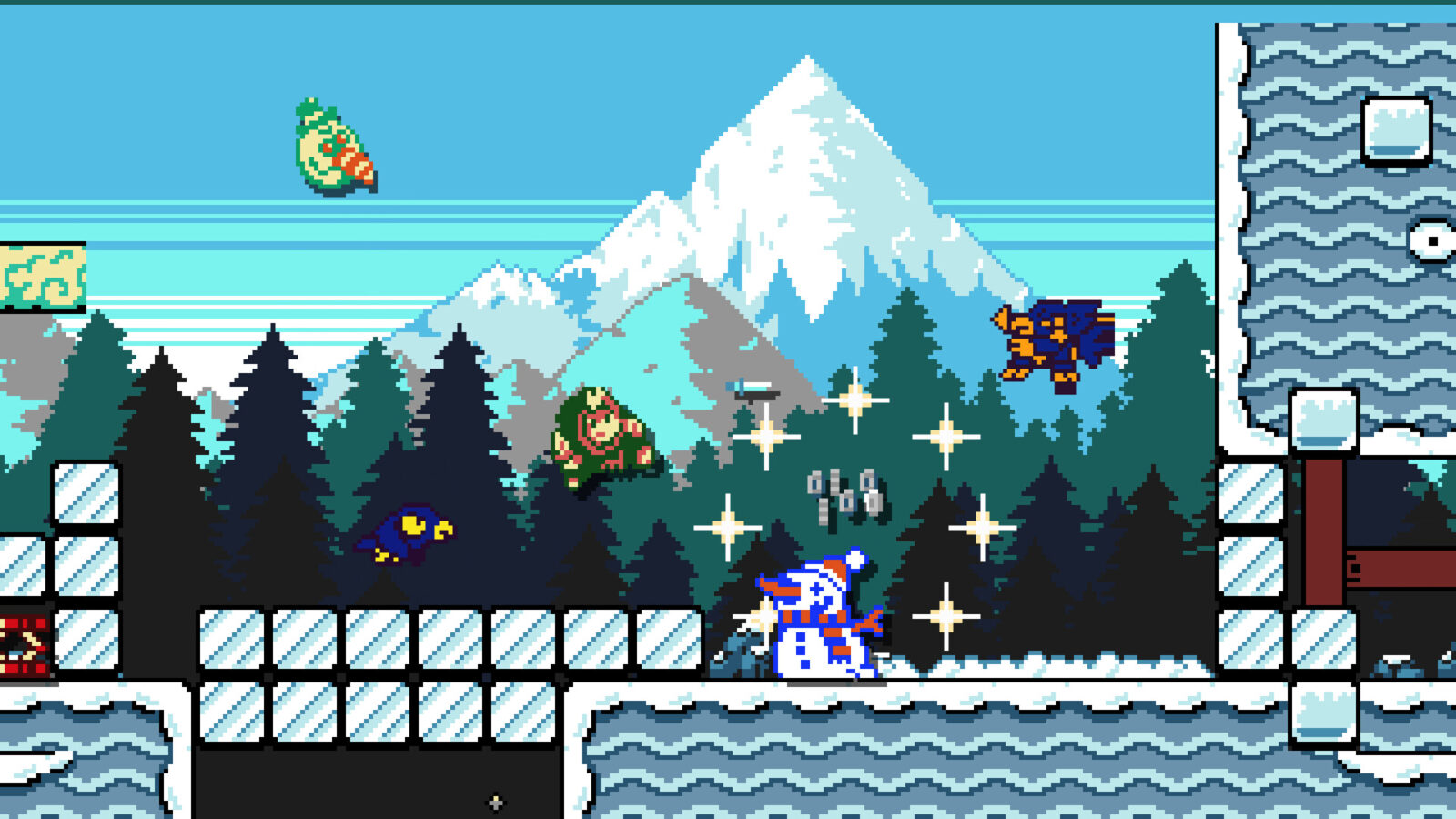
From the moment the wordless intro kicks off, you’re thrust into a world that feels like it borrowed its aesthetic from a forgotten doujin circle but forgot to pack the soul. The premise involves a ragtag group of adventurers betrayed by a mysterious knight, setting out to slay a three-headed dragon and snag some ancient relic, only for the narrative to evaporate faster than a low-HRV morning after too many espressos. It’s the kind of light-on-lore setup that works wonders in pure arcade experiences, where the joy comes from the loop itself rather than epic cutscenes, but here it highlights the absence of any real emotional anchor or world-building payoff. You’d expect a game with “Dark Scrolls” in the title to weave in some mysterious tomes or ancient prophecies that unfold across runs, perhaps tying into unlockables or evolving the hub area in meaningful ways. Yet everything remains frustratingly surface-level, like a promising RPG campaign that ends after the tutorial dungeon with a shrug and a “thanks for playing.”
The Heroes That Almost Save the Day
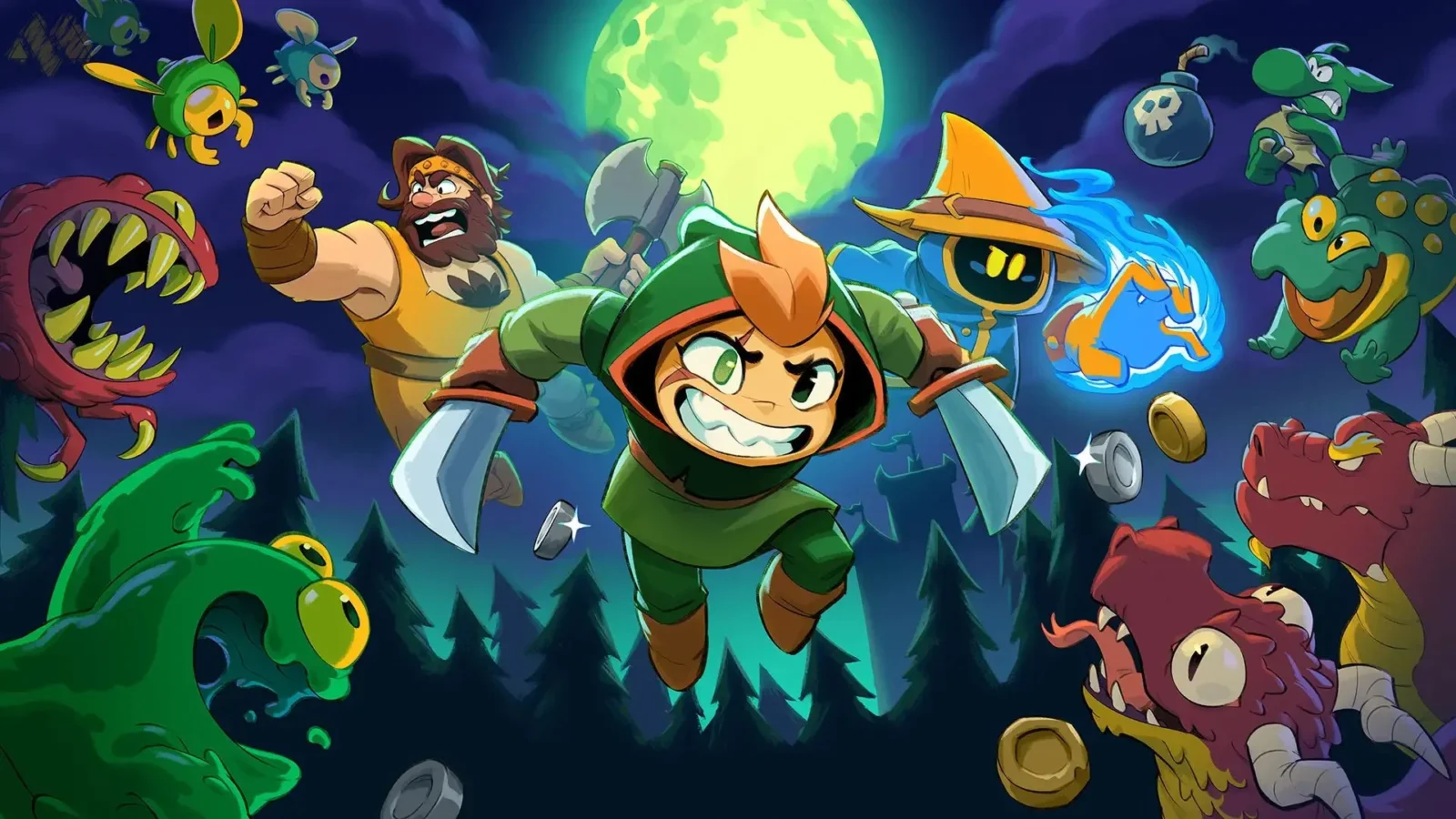
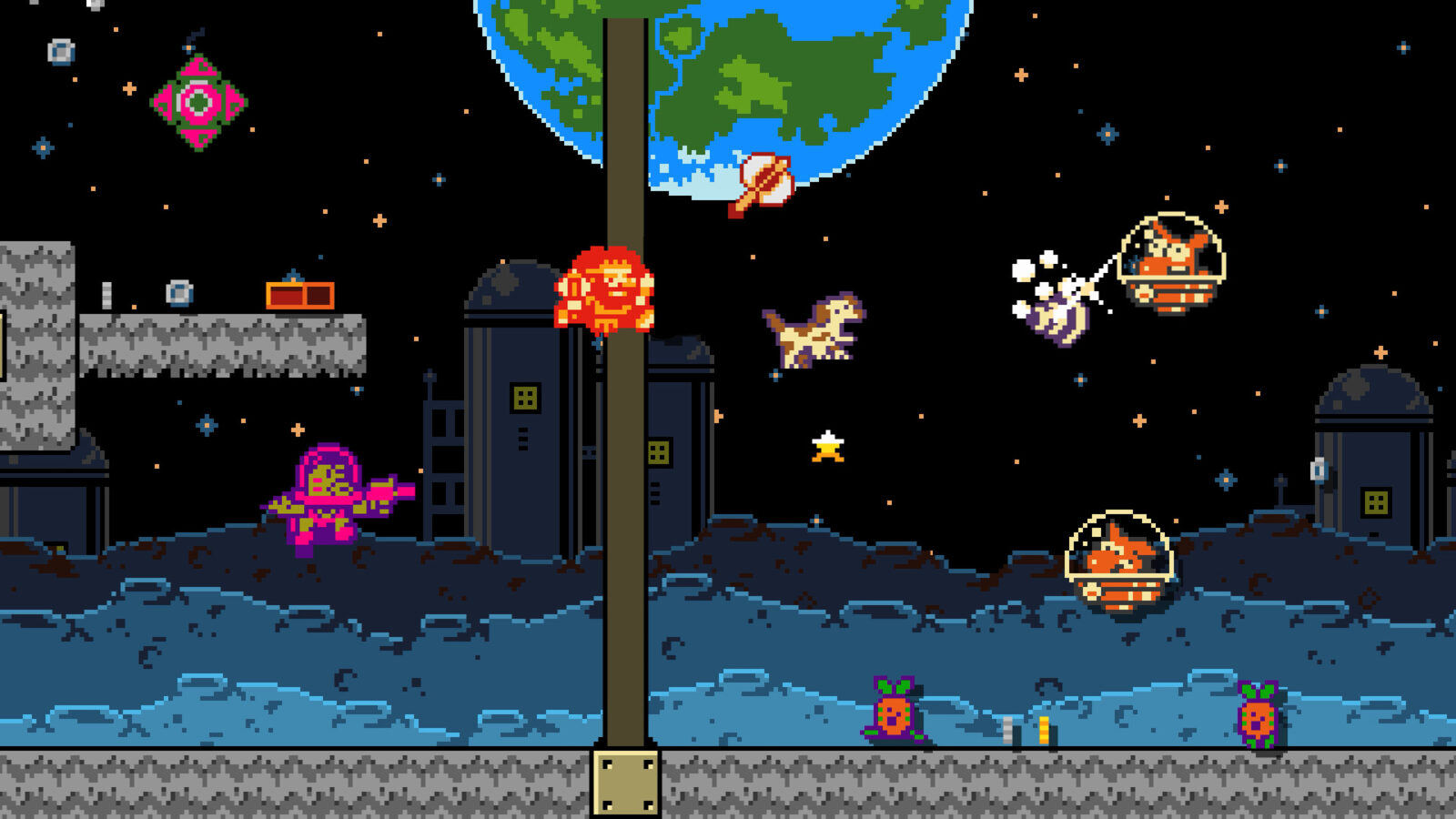
What does shine through brightly amid the fog are the playable characters themselves—a delightfully oddball lineup that gives Dark Scrolls its strongest personality. Starting with the burly barbarian Grizz, the nimble rogue Pigeon, and the Vivi-esque mage Emerys, each brings a distinct flavor to the auto-scrolling mayhem. Grizz’s ground-pounding stomps feel satisfyingly weighty during frantic enemy waves, while Emerys’s soaring drills and dashing attacks evoke those high-flying moments in classic action-platformers where timing your aerial maneuvers turns certain doom into stylish victory. Pigeon adds a layer of precision with dagger tosses and agile movement that rewards careful positioning against the ever-advancing screen. And that’s just the beginning; unlocking the full roster of around ten heroes unveils everything from flying specialists to aura-buffing supporters and even a saxophone-wielding rat whose melodic attacks require memorizing short sequences—a quirky touch that had me grinning during solo sessions, imagining it as the perfect chaotic companion for a late-night binge.
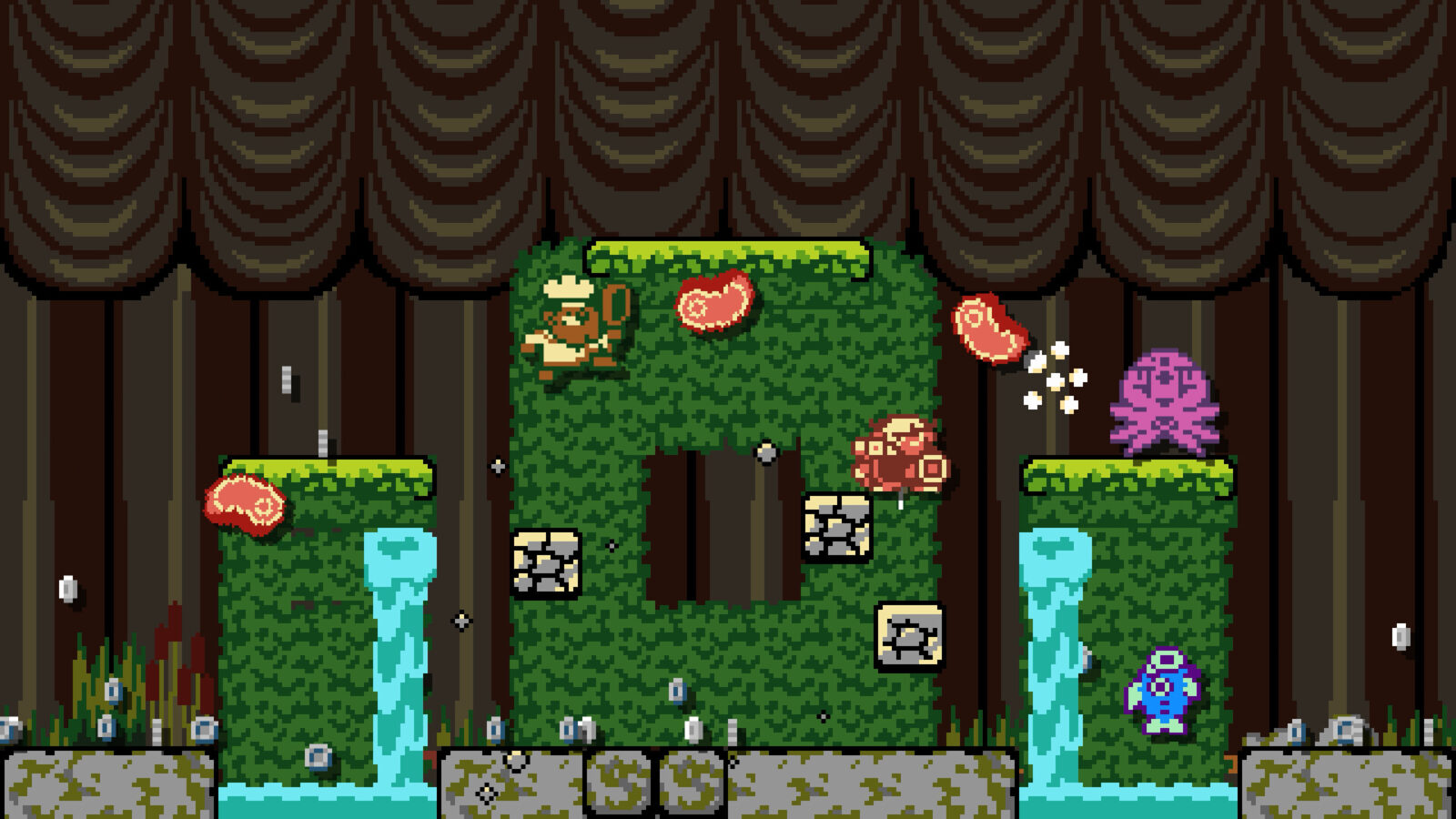
These heroes aren’t just cosmetic swaps either; their unique movement quirks and i-frames from double jumps become the backbone of survival in the scrolling levels. In longer runs, chaining these abilities with the perk system—where stars fill from enemy damage and unlock temporary power-ups—creates pockets of genuine flow. Picture dodging a barrage of traps while a rocket jump propels you over a pit, only for a haste perk to kick in and turn the next wave into a symphony of pixelated destruction. It’s the kind of emergent gameplay that echoes the best roguelites, where experimenting with synergies feels like leveling up your own protagonist in a personal epic. Yet even here, the execution wobbles. Perks are poorly explained in-game, leaving new players to trial-and-error their way through a pool that can easily get polluted by underwhelming options. As a tinkerer who loves mechanical keyboards and fine-tuning setups, I found myself wishing for clearer progression paths or ways to curate builds across runs, turning potential addiction into occasional frustration.
Co-Op That Feels Like an Afterthought
Bringing in a friend for local or online co-op should have been the game’s saving grace, especially in a title marketed with partnership in mind. After all, few things beat the shared laughter and frantic coordination of surviving impossible odds together, much like coordinating squad tactics in those Star Wars strategy games I adore. In theory, Dark Scrolls supports this with ghost mechanics for downed players—turning them into floating spirits that can collect hearts and perhaps even platform for the survivor. But in practice, it falls flat. Dying early often means setting the controller down while your partner soldiers on, with no real resurrection unless they solo the rest of the level. Gold isn’t shared efficiently, challenge rooms scale poorly, and there’s no meaningful twist that makes two players feel like a dynamic duo rather than two individuals awkwardly sharing the same scrolling battlefield.
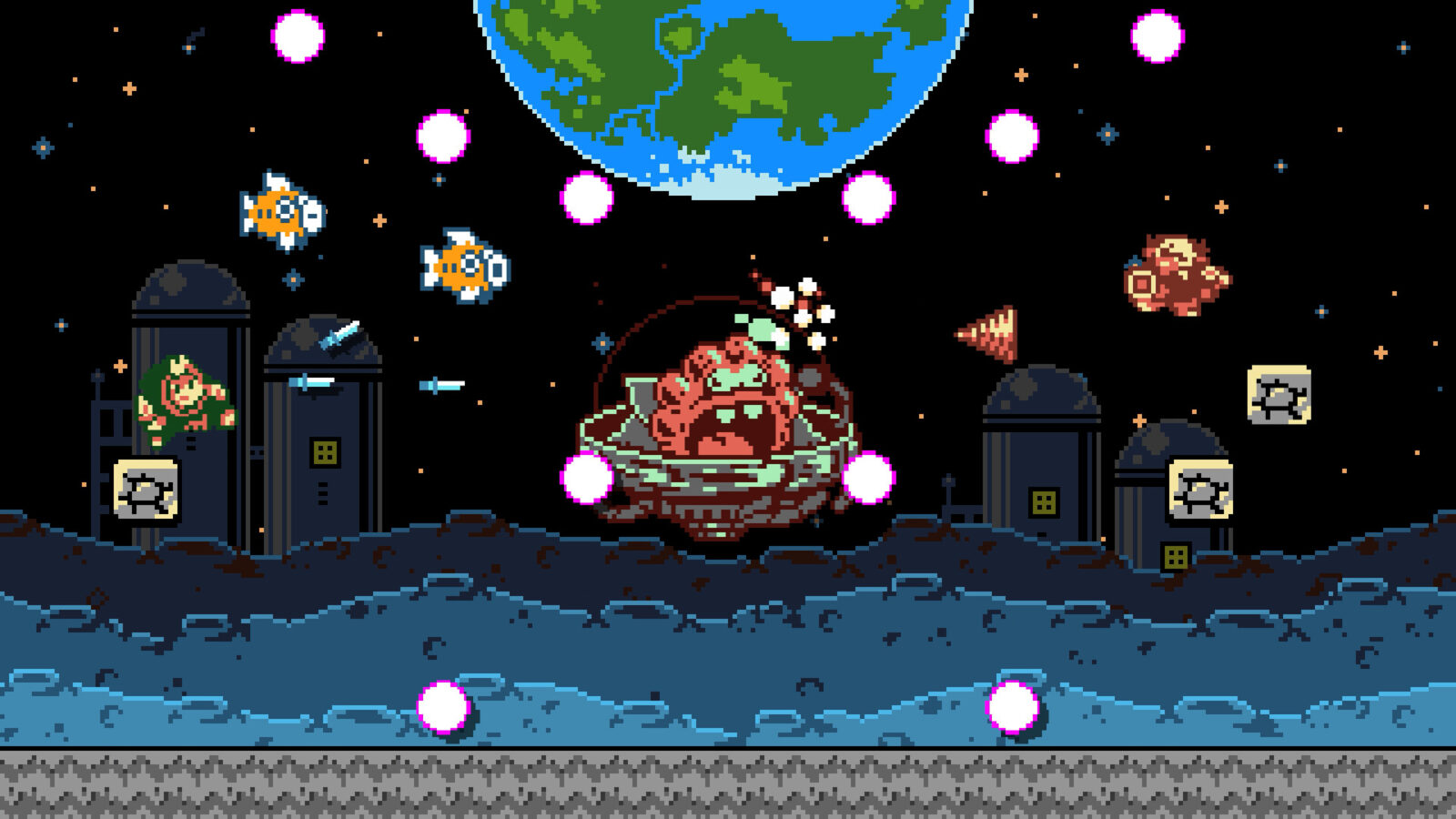
I tested this extensively over several evenings, swapping between solo grinds and duo attempts, and the co-op experience somehow managed to feel both chaotic and isolating. Enemies don’t ramp up intelligently for two players, boss health pools remain static, and the lack of shared progression means one person’s unlocks don’t benefit the group in satisfying ways. It’s a far cry from the tight, physics-testing camaraderie in other indie co-op gems, where bumping into each other becomes part of the hilarious charm rather than a lethal annoyance. Dark Scrolls teases that anarchic energy in trailers but delivers something closer to parallel solo runs with occasional interference. For a gamer who values those immersive, story-like sessions with friends—whether tackling a tough raid or just vibing through procedural chaos—this felt like a missed opportunity to elevate the entire package into something truly memorable.
Progression Pitfalls and the Missing Spark
Digging deeper into the metaprogression reveals even more cracks in the foundation. Gems earned from runs unlock new perks and heroes, but the system lacks the compelling “just one more run” pull that defines great roguelites. There’s no robust scoring, leaderboards, or even basic tracking of your achievements, leaving you without that sense of mastery or history to look back on. Emotes? They’re just pixelated standard emojis, a bafflingly lazy choice for a premium unlock in a game already light on rewards. The economy itself invites exploits, like farming gold in the training area with the right perk combo, only to hit inconsistencies elsewhere, such as promised gold refunds from duplicate items that never materialize. These aren’t minor bugs; they erode trust in a loop that already struggles for purpose after the initial honeymoon phase of unlocking new faces.
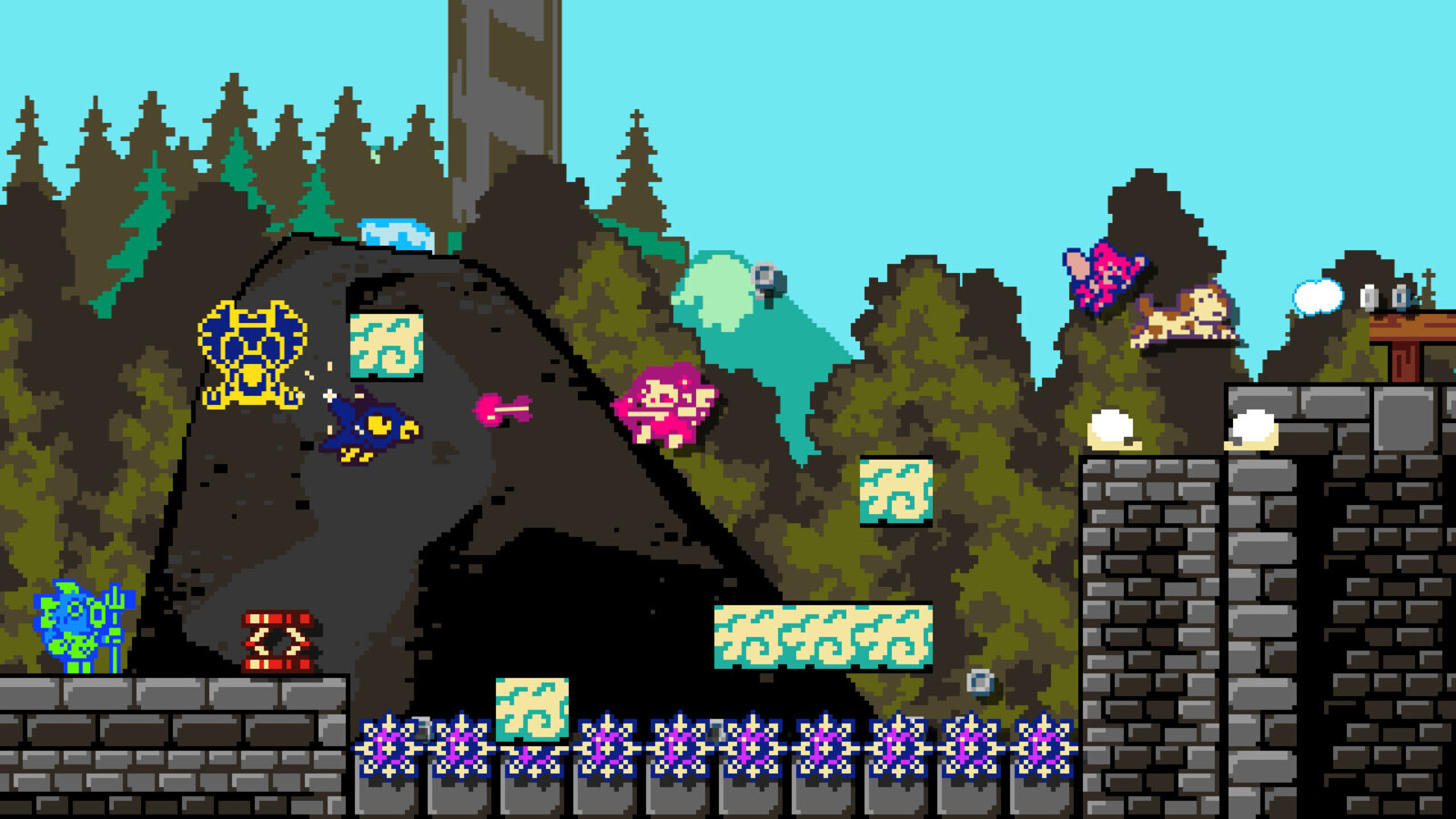
Visually, the bright, readable pixel art holds up well for short bursts, with chunky sprites and parallax effects evoking that nostalgic arcade glow. But the minimal animation frames across heroes and bosses make encounters feel stiff, like watching a talented band play with half the instruments missing. Audio fares worse—the grating soundtrack quickly fades into background noise you’d rather mute, and quirky elements like the honking goose merchant wear out their welcome faster than a repetitive NPC in an open-world RPG. Levels offer some variety in layouts and secret paths, but the auto-scrolling nature combined with imprecise controls and unclear objectives leads to runs that blur together disappointingly. I kept pushing forward, hoping for that “whoa” moment of discovery or a killer boss that demanded everything I’d learned, but it rarely materialized beyond the first few hours of novelty.
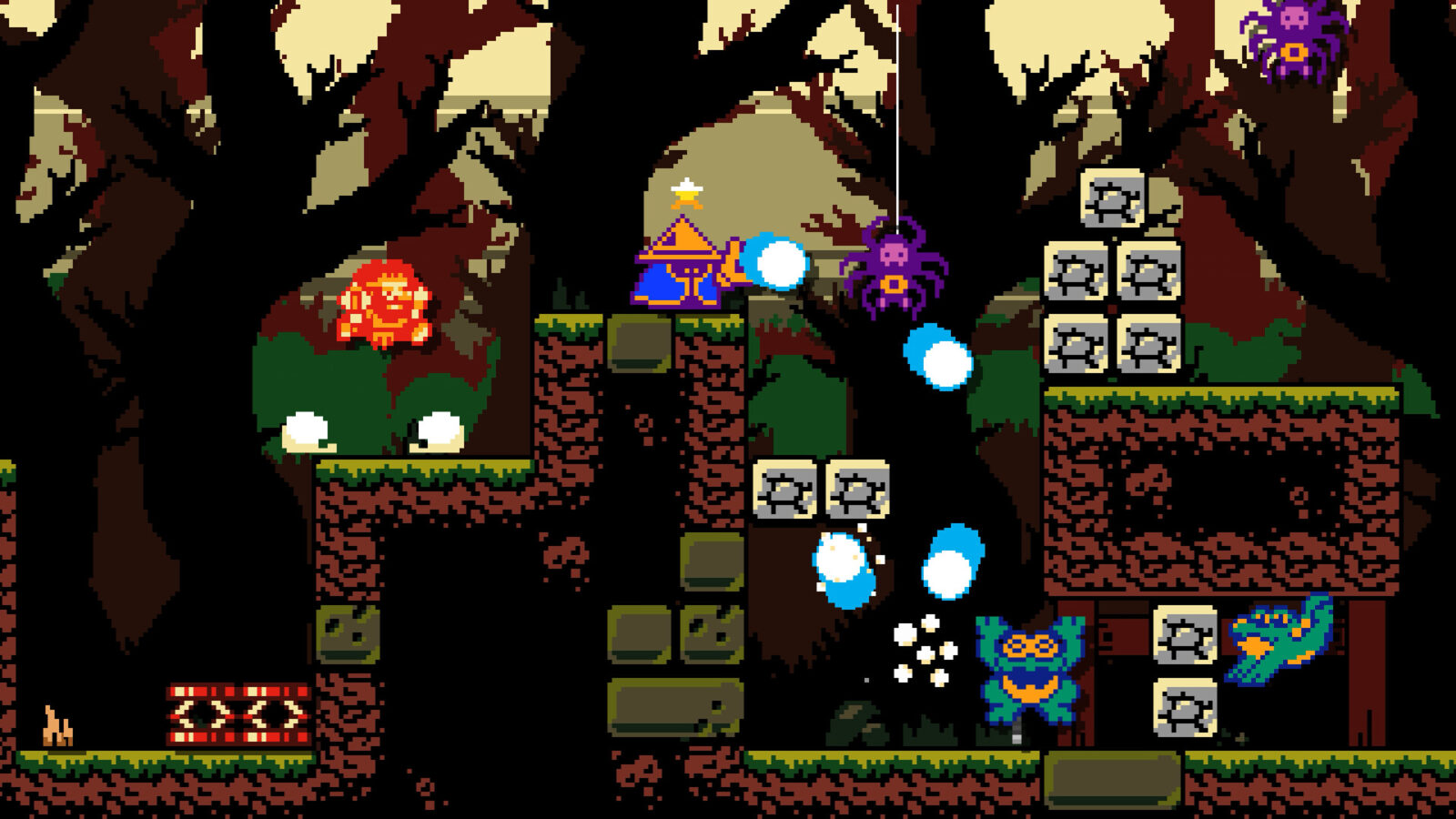
Even the hub areas and shops, which should serve as cozy respites for planning your next assault, feel undercooked. Challenge rooms promise big rewards but often funnel you into skips that actually hinder your gold farming, creating weird incentive mismatches. Accessibility is basically nonexistent—no mid-run settings tweaks, limited controller options, and zero quality-of-life features like run histories. For a game launching in 2026 with Devolver’s pedigree, these omissions stand out sharply against the wealth of thoughtful indies that prioritize player comfort and long-term engagement. It’s the kind of experience that makes you appreciate titles like Hades or even simpler arcade revivals that nail the fundamentals while sprinkling in charm.
Why Dark Scrolls Struggles to Click
Reflecting on my full playthrough—unlocking everything the game had to offer and experimenting across solo and co-op—I couldn’t shake the feeling that Dark Scrolls is an interrupted vision. Doinksoft has proven they can craft tight, personality-packed experiences with their previous titles, blending retro vibes with modern sensibilities in ways that stick with you. Here, the ingredients are present: an eclectic hero cast, shmup-infused platforming, and procedural elements begging for mastery. But without proper scaffolding around rewards, clarity, and meaningful evolution, it devolves into a sluggish stumble through entropy. The lack of any real acknowledgment for completing runs or the full roster, combined with no save states to reset poisoned perk pools, makes experimentation feel risky rather than liberating.
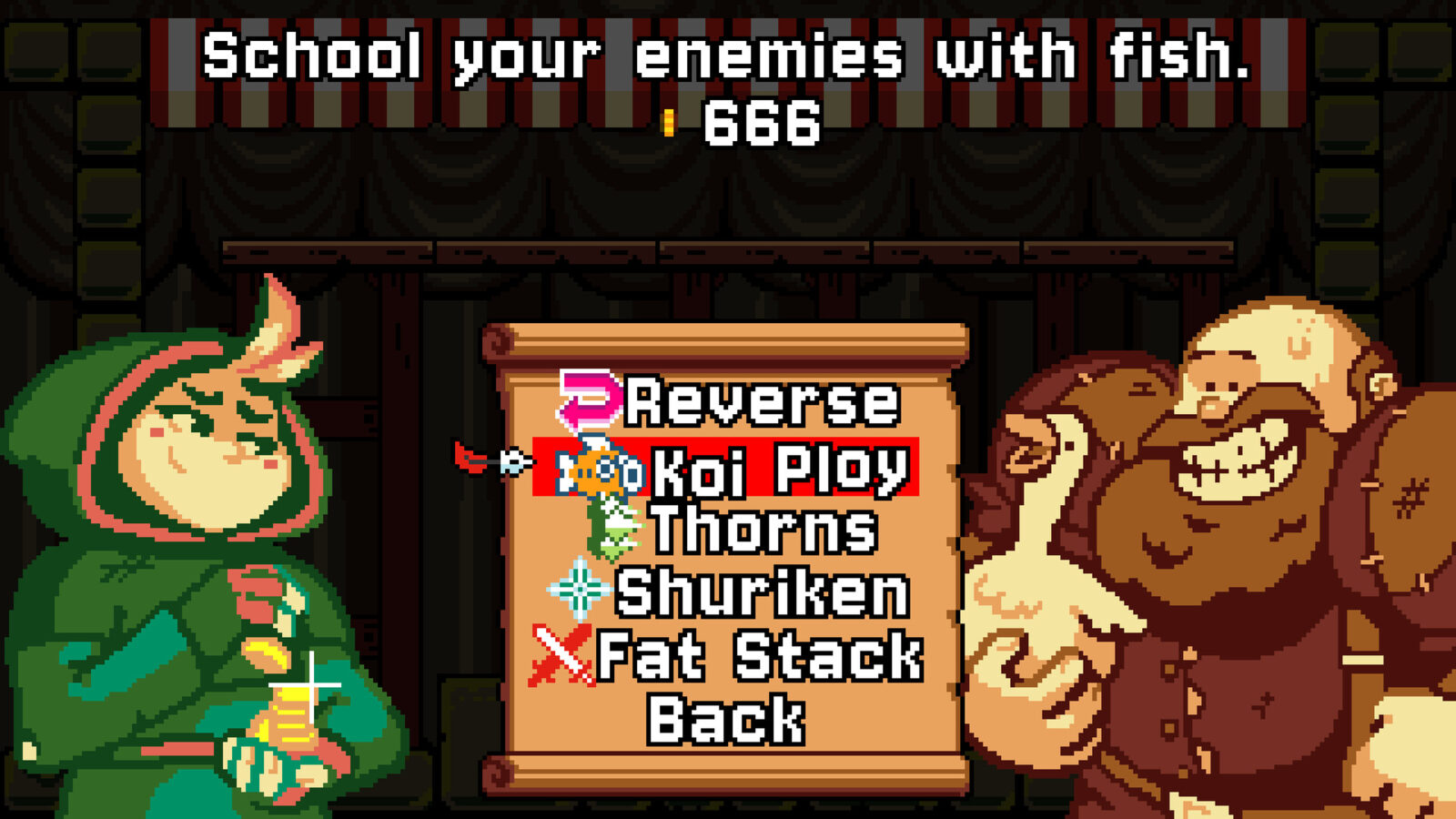
In the broader landscape of 2026 gaming, where we’re seeing incredible fusions of genres and deep roguelike loops that turn data into personal lore (much like tracking Readiness scores in my own wearable adventures), Dark Scrolls feels like it arrived a bit too raw. It has heart in its quirkiness—the saxophone rat alone deserves a spin-off—but the execution leaves you wanting that deeper hook, the cinematic payoff after a grueling boss, or the shared triumph with a buddy that cements memories. Instead of sending you off inspired for another session, it dumps you back to the lobby with little fanfare, prompting the age-old question: what’s next on the wishlist? For fans of pure mechanical depth or co-op couch chaos, there are stronger contenders out there that deliver on their promises without the friction.
Final Verdict
Dark Scrolls has flashes of inventive fun in its hero variety and scrolling action, but its shallow progression, unclear systems, and lack of rewarding feedback hold it back from greatness. It’s a curious indie experiment that entertains briefly before revealing its unfinished edges, best suited for those craving light retro vibes rather than a committed roguelite journey. With some polish and deeper loops, it could have been a standout; as is, it struggles to justify repeated scrolls through its dungeons.