

ADI Predictstreet, the official prediction market partner for the FIFA World Cup 2026, has launched in the UAE, introducing the region’s first dedicated platform for football fans. The move arrives as the tournament progresses through its opening stages, offering users in the Emirates a way to engage with matches, player performances, and broader tournament developments through structured prediction markets.
Prediction markets have existed in various forms for years, often blending elements of collective forecasting, sentiment tracking, and financial stakes similar to traditional sports betting or fantasy formats. In the UAE, where football enjoys massive popularity, this platform positions itself as a digital extension of fan involvement. Users can participate using fiat currencies or supported digital assets, with the system running on ADI Chain, an infrastructure designed for handling large user volumes while emphasizing security and transparency. Whether this truly marks a significant shift in fan engagement or simply adds another layer to existing digital sports interactions remains to be seen, but it does provide real-time markets tied to live events.
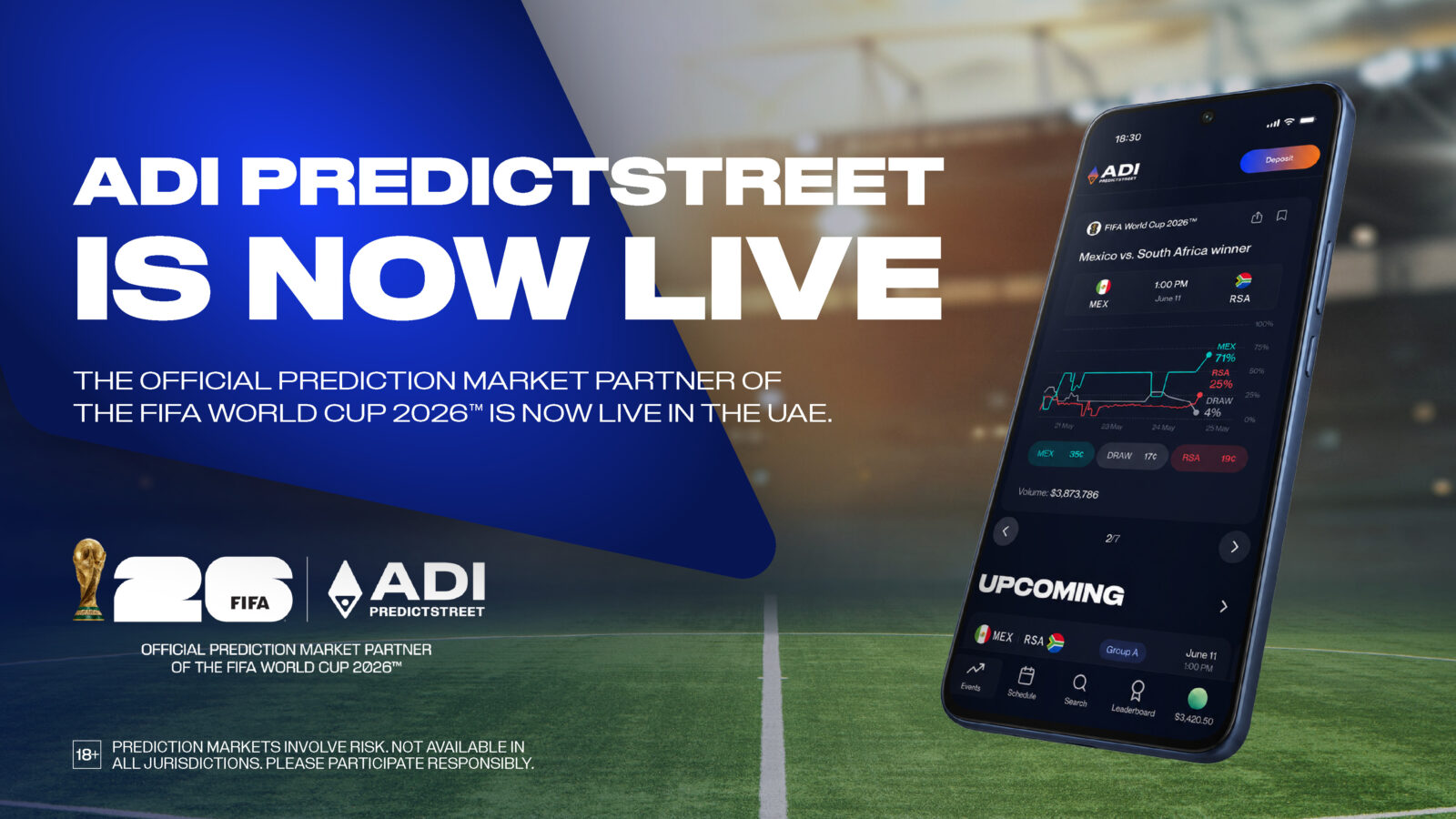
The platform draws on more than a decade of historical FIFA World Cup data through a proprietary intelligence engine. This setup aims to inform market trends, offer basic insights, and adapt to ongoing tournament action. Fans might find value in exploring probabilities around match outcomes or individual contributions, though success will depend on the accuracy and accessibility of these tools compared to established analytics sources. The timing aligns with the UAE’s growing reputation as a center for technology and entertainment initiatives, potentially appealing to both local enthusiasts and the broader GCC audience.
Support for multiple payment methods seeks to broaden participation beyond crypto-native users, addressing a common barrier in digital platforms. Yet questions linger about user protection, responsible participation, and how such markets navigate regional regulations on wagering-like activities. History shows that while prediction tools can sharpen collective understanding of events, they also carry risks of over-engagement or skewed incentives, especially during high-stakes tournaments like the World Cup.
Dimitrios Psarrakis, CEO of ADI Predictstreet, described the UAE launch as an important step for fan interaction in the region, highlighting the passion of local supporters and the platform’s role in connecting technology with football.
Overall, the arrival of this prediction market in the UAE reflects wider trends toward interactive digital experiences in sports. It builds on the tournament’s global reach but must deliver consistent performance amid the complexities of real-time data and diverse user bases. As the FIFA World Cup 2026 unfolds, platforms like this could influence how audiences process and participate in the sport, though their long-term impact will hinge on reliability rather than novelty alone.
For those interested in football prediction markets in the UAE or FIFA World Cup 2026 engagement tools, the service is accessible via its official site.