

HONOR staged its Imaging Technology Launch in Hengdian this week and used the occasion to push mobile photography deeper into professional cinema territory. The company outlined a strategy it calls Optics-Intelligence Evolution, arguing that better lenses and sensors still form the base of image quality while artificial intelligence and cloud processing expand what those images can become. Central to the presentation was the AiMAGE engine, a chip-to-cloud system that tries to treat capture, processing and creative output as one continuous chain rather than separate steps.

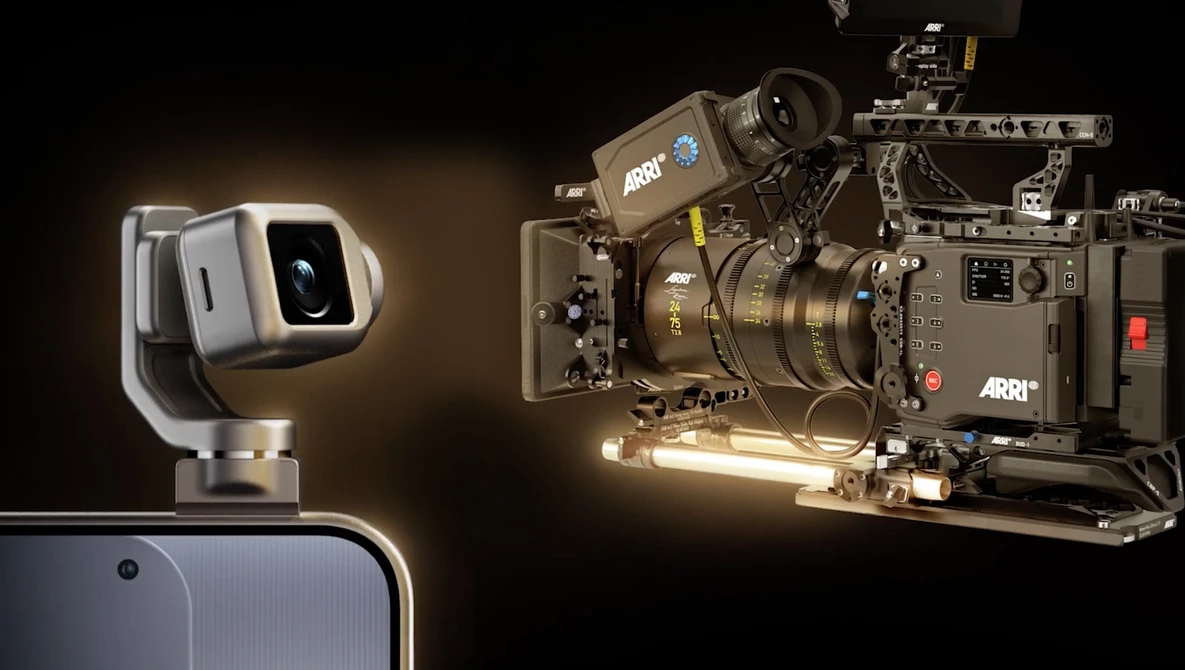
On the silicon side HONOR is building a Transformer-based AI image signal processor meant to rethink how raw data is handled from the start. It pairs that work with newer pixel arrays and event-based vision sensors. At the device level the company is combining a self-developed titanium-alloy three-axis gimbal with real-time algorithms so stabilization, exposure and motion control talk to one another more tightly. Cloud tools handle RAW-domain refinement, spatial imaging and automated content agents once the phone’s own processing power runs out. The pitch is straightforward: hardware sets the floor, software and remote computing try to raise the ceiling.
The most concrete bridge to cinema practice comes through a technology agreement with ARRI. Selected tools from the German company’s color science—LogC3, Wide Gamut 3 and a set of controlled Looks—are being brought to the HONOR Robot Phone. These are not simple filters. LogC3 is designed to retain more tonal information for later grading, while the wider gamut and Looks give creators a more predictable starting point for cinematic color. ARRI’s Harald Brendel described the effort as an attempt to transfer workflow thinking rather than just branding. The two companies also announced a joint laboratory that will examine sensor-level dynamic range, full capture-to-post pipelines, and questions of visual realism in an age of generative tools.
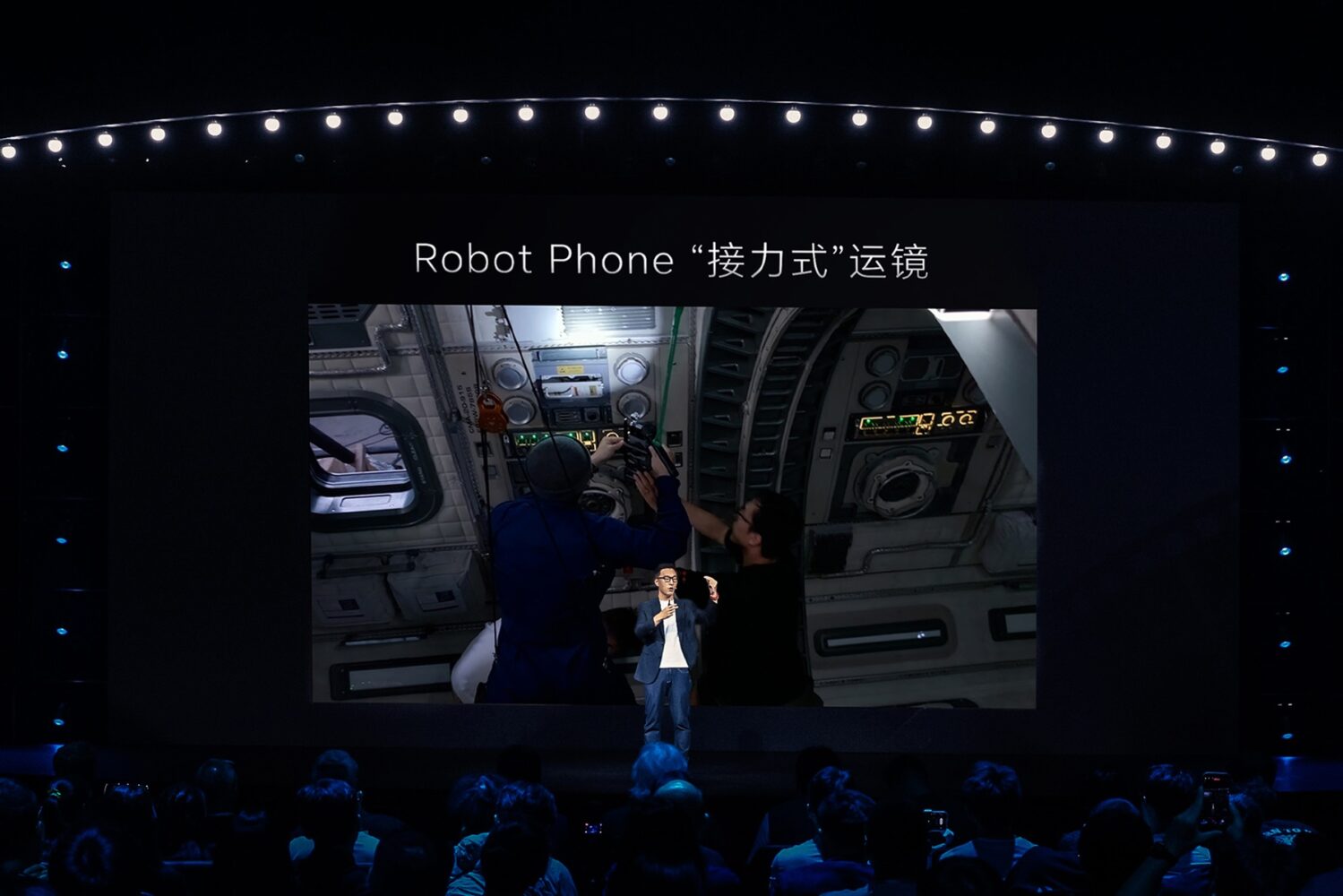
Professional voices were present to test the claims. Oscar-winning cinematographer Claudio Miranda used the Robot Phone to restage a cinematic sequence on site, and Chinese cinematographer Wang Boxue showed a continuous one-shot short film made inside a deliberately tight space. Both pointed to the practical advantages of a small form factor that can reach places a conventional camera package cannot, while still feeding footage into familiar post-production habits. Color consistency mattered as much to them as resolution.
Around the technical announcements HONOR also named the jury for its 2026 Magic Stories Awards and launched a 48-hour extreme filmmaking challenge at Hengdian World Studios. Teams will work with the new imaging tools under conditions that include high-speed movement and awkward camera angles. Whether these experiments produce work that holds up next to dedicated cinema cameras remains an open question; sensor size and optical physics still impose hard limits that no amount of processing fully erases. Yet the direction is clear. Phone makers have spent years competing on megapixels and aperture numbers. HONOR is now betting that the next useful step is to import pieces of the professional color and workflow language that filmmakers already trust, then see how far a pocket-sized device can carry them.