TL;DR: Teach You A Lesson is a thrilling, well-crafted K-drama that tackles school violence and corruption through a dedicated task force led by compelling heroes. With stellar action, emotional depth, and hopeful messaging, it stands as one of the year’s smartest and most addictive dramas, blending justice, heart, and entertainment in perfect measure. Highly recommended for fans seeking meaningful yet exciting storytelling.
Teach You A Lesson
Stepping into the world of Teach You A Lesson feels like discovering a hidden gem in Netflix’s ever-expanding K-drama library—one that grabs you by the collar from the opening scenes and refuses to let go until the final credits roll. This series transforms the heavy, often heartbreaking realities of school violence and institutional failure into a gripping, addictive drama that somehow manages to leave viewers feeling hopeful rather than drained. At its core, it’s a story about ordinary heroes fighting back against systemic rot, using both brains and brawn to protect the vulnerable in a system that too often looks the other way. What makes it stand out in 2026 isn’t just the sharp writing or stellar performances, but its unapologetic commitment to showing that real change, while messy and imperfect, is possible when good people refuse to stay silent.
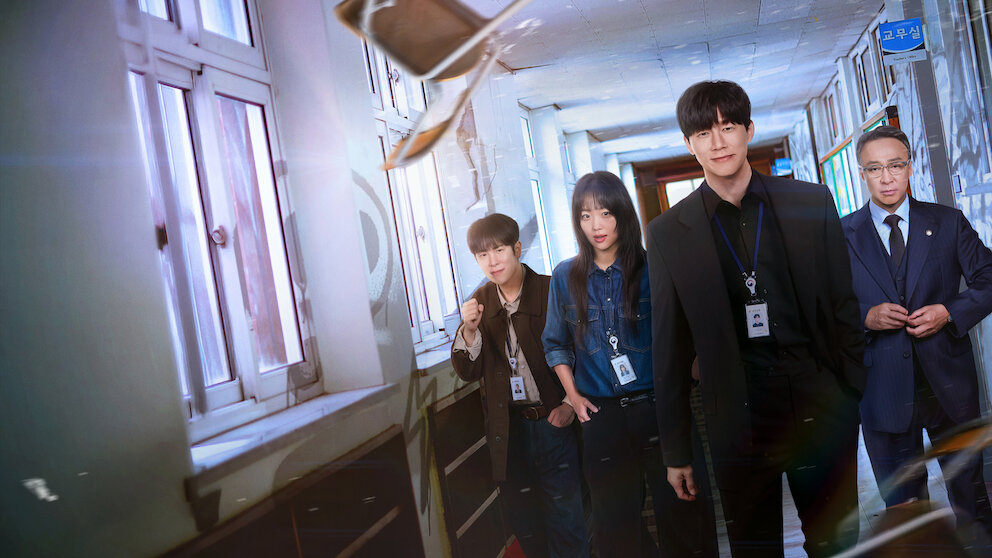
The show wastes no time diving into the establishment of the Educational Rights Protection Bureau, a special task force born from the South Korean government’s response to rising school violence. Led by the formidable Choi Gang-seok, a man driven by personal tragedy, and spearheaded in the field by the no-nonsense former Special Forces captain Na Hwa-jin, this team becomes the audience’s surrogate for all those times we’ve wished someone would finally step up. Their cases span episodes like standalone missions in a tactical RPG—each school a new level filled with corrupt administrators, bullying rings, and parents weaponizing privilege. Yet unlike many procedurals that grow repetitive, Teach You A Lesson layers in emotional weight and unexpected twists that keep the overarching narrative humming with tension and intrigue. It’s the kind of viewing experience where you tell yourself “just one more episode” at 2 a.m., only to emerge hours later both entertained and thoughtfully provoked.
Kim Mu-yeol’s portrayal of Na Hwa-jin is nothing short of magnetic, channeling a John Wick intensity filtered through a deeply human lens of righteous anger and quiet compassion. He moves through fight sequences with precision and raw power that would make any action fan sit up straighter, blending martial prowess with investigative smarts in ways that feel refreshingly grounded. Watching him dismantle bullies and corrupt systems isn’t just cathartic—it’s a masterclass in restrained fury, the kind that reminds us heroes don’t need capes when they’ve got conviction and training on their side. His chemistry with Lee Sung-min’s Choi Gang-seok crackles with shared grief and mutual respect, turning what could have been standard mentor-protégé dynamics into something profoundly moving. These two men, bonded by loss, represent the best of what determined individuals can achieve when they channel pain into purpose.
Supporting the leads is a delightful ensemble that brings levity and heart without undermining the serious themes. Jin Ki-joo’s unhinged Inspector Hanrim steals scenes with chaotic energy and an optimistic worldview that feels like a beacon in dark times, while Pyo Ji-hoon’s geeky District Deputy Manager adds intellectual firepower and relatable awkward charm. Together, this team operates like a found family of misfits united by a common cause, their banter and camaraderie providing perfect breathing room between the heavier confrontations. The writing smartly avoids painting everyone in black and white, instead showing how good teachers, students, and parents exist alongside the bad apples that poison the barrel. It’s this nuance that elevates Teach You A Lesson beyond simple revenge fantasy into a thoughtful exploration of community, accountability, and redemption.
What truly resonates is how the series mirrors real-world struggles with bullying, cyber harassment, and parental pressure that transcend cultural boundaries. In an age where social media amplifies cruelty and educational systems strain under competing demands, these stories hit with startling relevance. Episodes tackling overbearing expectations that push kids toward breaking points or false accusations that destroy lives force viewers to confront uncomfortable truths. Yet the show never wallows in despair. Instead, it offers the satisfying payoff of justice served—sometimes through clever strategy, sometimes through well-choreographed action—reminding us that standing up matters, even when the fight feels endless. For geeks who devour stories of underdogs toppling empires, whether in Star Wars or strategy games, this series delivers that same triumphant rush on a more intimate, human scale.
One of the smartest choices in Teach You A Lesson is its refusal to revel in gratuitous violence, opting instead for a refined approach that emphasizes emotional and systemic consequences. The creators took the source webtoon material and reshaped it into something more meaningful, focusing on support for victims while acknowledging the complexities of false claims and institutional blind spots. This balance keeps the drama engaging without crossing into exploitation, allowing space for genuine character growth and societal commentary. Viewers will find themselves cheering for the team’s victories while reflecting on broader issues like socioeconomic disparities in justice and the mental health toll of academic pressure. It’s feel-good television that earns its optimism through hard-won battles rather than cheap resolutions.
The episodic structure cleverly uses individual school cases to build toward a larger conspiracy that unfolds with masterful pacing, keeping audiences guessing and invested across the season. Each new mission peels back layers of corruption while deepening our understanding of the main characters’ backstories and motivations. The action sequences pop with cinematic flair—tight, brutal, and purposeful—while quieter moments of vulnerability allow the ensemble to shine. Director Hong Jong-chan’s vision brings a polished, cinematic quality to the proceedings, making every frame feel intentional and immersive. For fans of K-dramas like Vigilante or international hits that blend procedural elements with social drama, this series stands tall as a worthy contender that might just convert skeptics.
Visually and tonally, Teach You A Lesson strikes an impressive harmony between intensity and warmth. The production design captures the sterile hallways of schools and bustling offices of bureaucracy with authenticity, while the score underscores emotional beats without overwhelming them. Kim Mu-yeol emerges as a breakout action talent whose physicality and screen presence suggest he’s destined for bigger international stages. The entire cast commits fully, delivering performances that range from powerhouse dramatic turns to hilarious comedic relief. This commitment makes the series addictive viewing that lingers, sparking conversations about the very real issues it portrays long after bingeing.
Verdict
Teach You A Lesson emerges as one of Netflix’s most compelling dramas of the year, blending pulse-pounding action, heartfelt performances, and timely social commentary into a binge-worthy package that entertains as much as it inspires. Its refined take on school violence and institutional reform delivers justice fantasies with real emotional stakes, anchored by standout turns from Kim Mu-yeol and the ensemble. While not without minor shortcomings in fully exploring every angle of its themes, the series triumphs as addictive, hopeful television that reminds us good people can still make a difference. Perfect for fans of smart procedurals, K-drama excellence, and stories where underdogs rise to protect the vulnerable, this is must-watch material that deserves a wide audience and hopefully many more seasons.