
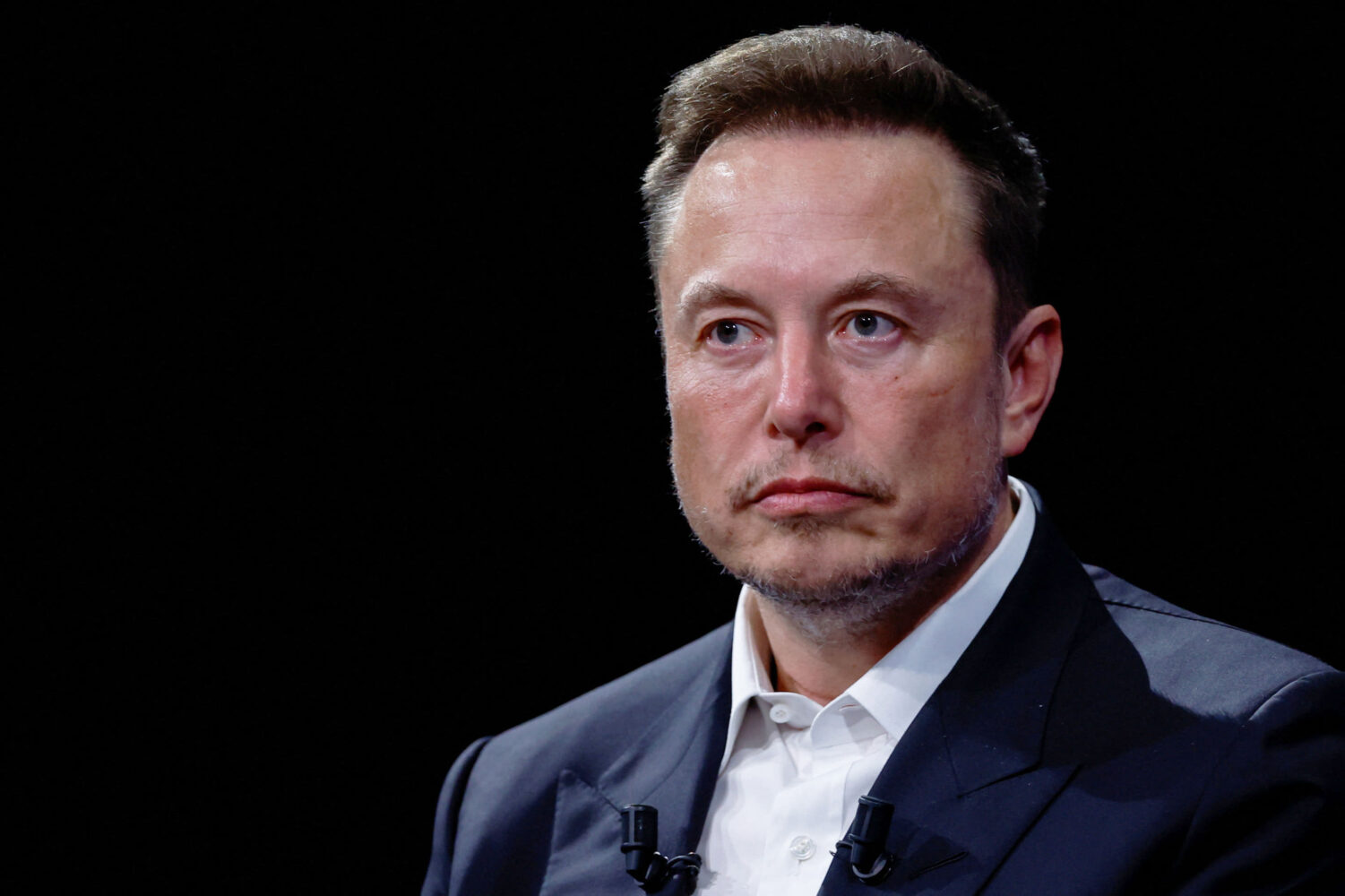
Elon Musk’s net worth has crossed the trillion-dollar threshold following SpaceX’s initial public offering, marking a notable milestone in the concentration of personal wealth within the technology sector. Prior to the IPO, estimates placed his fortune around $800 billion, drawn from holdings across his various ventures, including a substantial stake of 4.8 billion shares in SpaceX. With shares opening at $150 and holding above the $138 level needed to push his valuation into 13 figures, the event underscores the volatile intersection of private space enterprise, artificial intelligence, and public markets.
SpaceX’s S-1 filing outlined ambitions that blend its core rocket business with AI and social media elements, aiming to advance multiplanetary capabilities, deepen scientific understanding of the universe, and explore concepts like placing AI data center infrastructure in orbit using reusable launch systems. These goals reflect longstanding themes in Musk’s portfolio, yet they also highlight the speculative nature of valuing such integrated efforts. The IPO itself has drawn scrutiny, with some observers noting potential risks to investors tied to the founder’s central role and the execution challenges of orbital computing ambitions.
On a broader scale, Musk’s current paper wealth roughly equals that of the next four richest individuals combined—Larry Page, Sergey Brin, Jeff Bezos, and Larry Ellison—whose collective net worth hovers just above $1 trillion according to Forbes tracking. This gap illustrates the accelerating disparities at the top of global wealth lists. The milestone arrives 110 years after John D. Rockefeller became the world’s first billionaire in 1916, a comparison that invites reflection on how economic power has evolved alongside technological change. Where Rockefeller’s fortune stemmed from industrial consolidation in oil, today’s extremes often arise from rapid innovation in software, hardware, and frontier engineering, amplified by market enthusiasm.
Critics have pointed to the fragility of such valuations, which can swing dramatically with share prices, regulatory shifts, or operational setbacks. SpaceX’s path to public status involved years of development in reusable rocketry and satellite networks, but integrating AI compute in space introduces new technical and financial uncertainties. Meanwhile, questions persist about governance, competition in the launch market, and the broader societal impacts of such concentrated influence. Wealth at this level inevitably shapes policy conversations around taxation, innovation incentives, and antitrust considerations, even as it funds ambitious projects that governments alone might struggle to pursue.
For the technology industry, the event reinforces a pattern where a handful of companies and individuals capture outsized rewards from breakthroughs in space, energy, and computing. It also serves as a reminder of the thin line between visionary execution and overpromising in fields requiring decades-long horizons. While the IPO provides liquidity and validation for SpaceX’s progress, sustained success will depend on delivering tangible results amid rising costs and technical complexity.
In historical terms, extreme wealth accumulation has often coincided with periods of rapid transformation, for better and worse. Musk’s trajectory fits this mold, blending engineering accomplishments with significant market bets. The coming months will test whether this financial landmark translates into accelerated real-world outcomes or exposes vulnerabilities in the underlying businesses.