
TL;DR: The Toy Story saga stands as one of cinema’s greatest achievements, blending groundbreaking animation with deeply human stories of friendship, purpose, and change across four masterful films. As Toy Story 5 approaches with new challenges and familiar hearts, the franchise continues proving why these toys captured the world’s imagination for thirty years — pure magic that grows richer with every viewing.
Toy Story (1,2,3,4)
Thirty years ago, Pixar didn’t just release a movie — they cracked open a portal into the secret emotional universe hiding beneath every childhood bedroom floor. Toy Story arrived like a lightning bolt of pure imagination, proving that even the humblest plastic cowboy could carry the weight of profound storytelling. What began as a groundbreaking technical marvel evolved into something far deeper: a heartfelt saga about loyalty, identity, obsolescence, and the aching beauty of being needed. As Woody, Buzz, and the gang gear up for Toy Story 5, it’s the perfect moment to dive back into the franchise that taught generations that toys — and by extension, all of us — find their truest purpose in connection, not permanence. This isn’t just nostalgia; it’s a masterclass in how children’s films can explore the most adult fears with warmth, wit, and wonder.
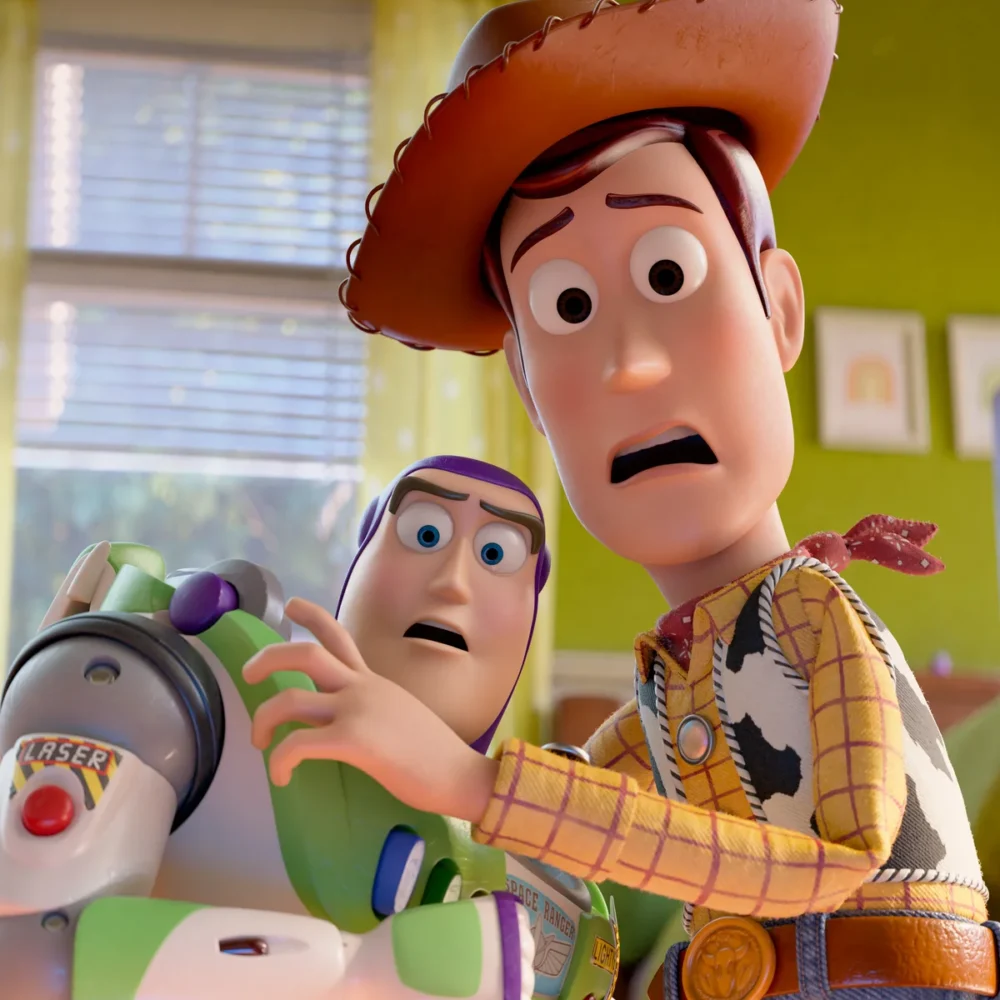
From the very first frame of the original 1995 film, audiences were thrust into a world where the ordinary became extraordinary the second grown-ups turned their backs. Andy’s bedroom buzzed with life, led by Woody, the steadfast sheriff whose world revolved around being the favorite. His comfortable reign gets upended by the arrival of Buzz Lightyear, the flashy space ranger who genuinely believes he’s on a galactic mission. The jealousy, rivalry, and eventual brotherhood that unfolds between them isn’t mere slapstick; it’s a deeply relatable tale of insecurity meeting confidence, ego clashing with delusion, and two very different heroes learning that friendship beats solo heroism every time. Sid’s house of horrors serves as the crucible where both toys shatter their illusions — Buzz confronting his toy nature in a devastating existential meltdown, Woody discovering leadership means sacrifice. Their escape and triumphant return cemented a bond that would anchor the entire series, reminding us that true adventure often starts with the scariest fall from grace. Those early scenes of toys springing to life still spark the same childlike glee today, blending groundbreaking CGI with timeless emotional honesty that feels as fresh as ever.
Toy Story 2: The Roundup That Tested Loyalty and Legacy
The sequel didn’t simply repeat the formula — it expanded the toy box in wildly ambitious directions, turning a rescue mission into a meditation on mortality and meaning. When Woody gets swiped by a collector aiming for a museum exhibit, Buzz and the crew mount an epic cross-town quest that showcases their unbreakable camaraderie. In the collector’s apartment, Woody uncovers his forgotten past as the star of “Woody’s Roundup,” meeting Jessie, Bullseye, and the grumpy Stinky Pete. Jessie’s poignant story of abandonment hits like a emotional freight train, forcing Woody — and the audience — to grapple with the terrifying reality that every child’s love has an expiration date. The temptation of eternal admiration in a glass case versus the messy, finite joy of being played with forms the story’s aching core. It’s here that the franchise matures beautifully, weaving in themes of abandonment and chosen family without ever losing its sense of fun and adventure. The airport climax delivers breathless action while delivering one of Pixar’s most satisfying payoffs: toys choosing love over immortality. Jessie and Bullseye joining the gang felt like welcoming new siblings into the fold, enriching the dynamic and setting up richer ensemble storytelling ahead.
What makes Toy Story 2 resonate so powerfully is how it transforms the fear of being outgrown into something empowering. Woody’s choice isn’t portrayed as naive; it’s a brave embrace of life’s impermanence. The film speaks directly to anyone who’s ever felt replaced — at work, in relationships, or simply by time itself. Pixar’s willingness to explore darker emotions through vibrant characters makes these movies enduring treasures. The humor lands with precision, from the frantic rescue attempts to Stinky Pete’s deliciously villainous scheming, but it’s the quiet moments of reflection that linger longest. By the end, the Roundup gang’s integration feels like a victory for persistence and heart, expanding the toy universe while deepening its emotional stakes. This sequel proved the franchise wasn’t a one-hit wonder but a living, breathing saga capable of growth.
Toy Story 3: The Heart-Wrenching Goodbye That Changed Everything
By the time Toy Story 3 rolled around in 2010, the toys — and their audience — had grown up alongside Andy. The specter of college loomed like an existential storm cloud, forcing the gang to confront an uncertain future without their beloved owner. Mistakenly donated to Sunnyside Daycare, they initially revel in what seems like toy paradise, only to discover the tyrannical underbelly ruled by Lotso the strawberry-scented bear. The daycare sequences crackle with tension and dark comedy, turning the familiar playroom into a prison escape thriller complete with intricate heists and narrow getaways. Woody’s internal conflict — loyalty to Andy versus the group’s safety — adds layers of complexity, highlighting themes of leadership, forgiveness, and moving on. The incinerator scene stands as one of cinema’s most visceral emotional peaks, a near-death experience that strips away pretense and reveals the raw love binding these characters. It’s filmmaking that trusts its audience with heavy truths wrapped in breathtaking spectacle.
Andy’s final handover to Bonnie wasn’t just a plot resolution; it was a poignant passing of the torch that mirrored real-life transitions. The toys’ acceptance of new beginnings carried profound weight, especially for viewers who had literally grown up with them. Pixar’s animation had evolved to stunning new heights, with expressive faces conveying volumes of unspoken feeling. The blend of high-stakes adventure, laugh-out-loud set pieces, and tear-jerking sincerity created a perfect symphony. Toy Story 3 solidified the series as more than entertainment — it became a cultural touchstone for processing change, loss, and renewal. The image of Andy driving away, toys watching from the box, remains etched in collective memory as a masterstroke of visual storytelling.
Toy Story 4: Embracing Freedom and Finding New Purpose
Toy Story 4 took the bold step of questioning everything that came before, shifting focus from group survival to individual journeys of self-discovery. With Bonnie now in kindergarten, Woody struggles with irrelevance, his once-central role diminished. Enter Forky, the spork-born creation who believes he’s trash, sparking Woody’s most selfless mission yet. The road trip adventure introduces fresh chaos, antique store mysteries, and a long-awaited reunion with Bo Peep, who has reinvented herself as a bold, independent adventurer. Their dynamic crackles with chemistry, challenging Woody’s core identity as the loyal sheriff. Bo’s philosophy of thriving without an owner opens up radical new possibilities — life beyond being “somebody’s toy.” The film’s exploration of purpose, autonomy, and letting go feels remarkably mature, yet it never sacrifices the playful spirit that defines the franchise. Forky’s existential crisis provides both hilarity and surprising depth, while the carnival climax delivers thrilling action and emotional closure.
Woody’s decision to stay with Bo represents a seismic evolution for the character and the series. It’s a story about courageously choosing the unknown over comfortable familiarity, resonating deeply in an era where many feel stuck in outdated roles. The animation dazzles with intricate details and dynamic sequences, while the voice performances — especially Tom Hanks and Annie Potts — convey decades of history in every nuance. Toy Story 4 bravely expanded the toy world’s boundaries, introducing lost toys, carnival games, and a sense of open-road possibility. It left fans both satisfied and eager, wondering where these beloved characters might wander next.
Toy Story 5: Screens, Jessie, and the Next Great Chapter
Now, with Toy Story 5 arriving in theaters, the toys face perhaps their most contemporary challenge yet: a world where screens threaten to eclipse the simple joy of imaginative play. Bonnie, now eight, has fallen for a tablet named Lilypad, forcing the gang to navigate relevance in the digital age. Jessie’s expanded role promises to shine a spotlight on one of the franchise’s most endearing and resilient characters, hinting at fresh stories of empowerment and adventure. The teaser of Woody and Buzz reuniting suggests the core friendship remains unbreakable, even as new threats and opportunities emerge. Pixar has a knack for making these films feel both timely and timeless, and this installment looks poised to explore technology’s impact on childhood without preachiness. After four films of masterful growth, expectations are sky-high for more laughter, tears, and profound insights delivered through plastic and plush.
The franchise’s ability to evolve while staying true to its soul is nothing short of remarkable. Each movie has layered new emotional textures — from jealousy to legacy, goodbye to reinvention — creating a tapestry that mirrors life’s own messy beauty. As geeks who cherish these stories, we’re not just watching toys; we’re reflecting on our own journeys of belonging, change, and purpose. Toy Story has always excelled at turning the mundane into magic, proving that even in a high-tech world, the heart of play and connection endures. For fans old and new, it’s a reminder that some stories — and some friendships — truly do go to infinity and beyond.