
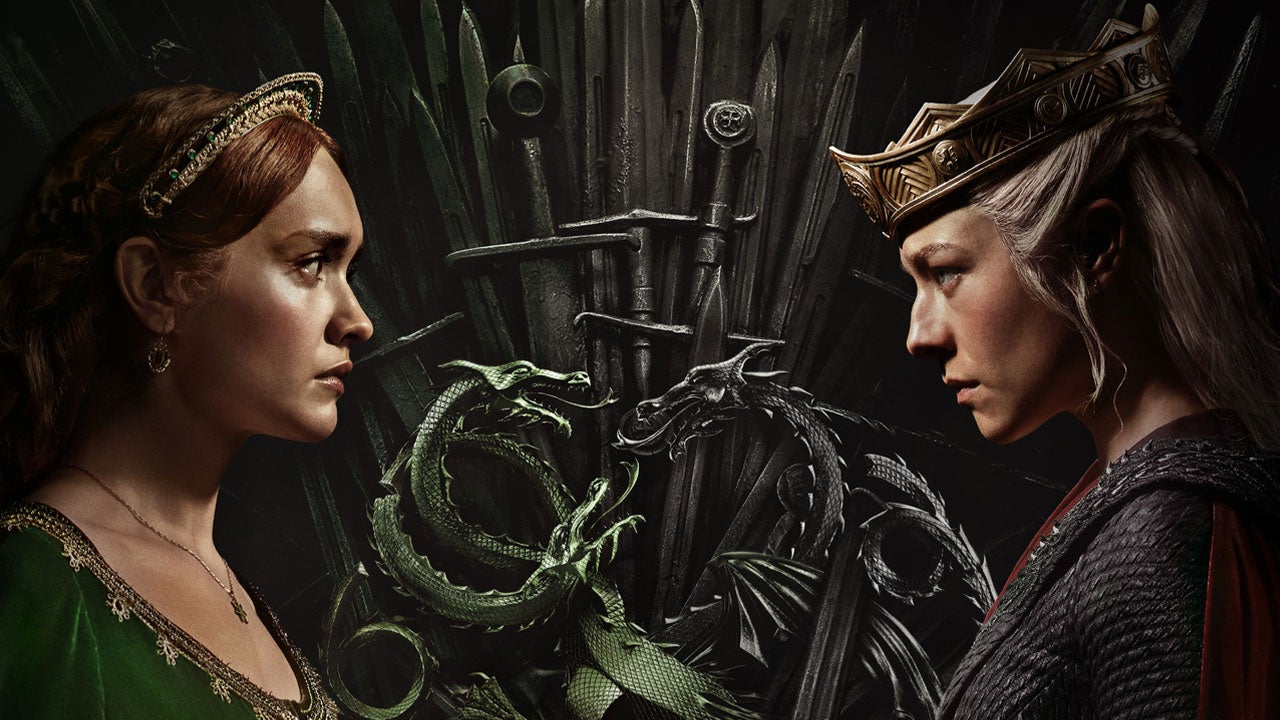
TL;DR: House of the Dragon Season 2 masterfully resets the board with new dragonriders challenging old hierarchies, a humbled Daemon recommitting to Rhaenyra, Aegon’s cunning escape undermining Alicent’s peace overture, and the Battle of the Gullet teed up as an explosive naval-draconic showdown. Tensions simmer across fractured families and shifting power dynamics, promising a volatile, high-stakes Season 3 filled with betrayal, prophecy, and fiery reckoning. Essential viewing that deepens the lore while delivering raw, character-driven drama.
House of the Dragon season 2
As the echoes of dragonfire from Season 2 fade into the mists of Westeros, one truth stands taller than Vhagar’s shadow: this isn’t a story winding down—it’s a powder keg with every faction holding a lit match. I sat through those final episodes like a kid glued to the screen during a midnight RPG session, heart pounding as alliances cracked, secrets spilled, and the sky filled with new wings. House of the Dragon has always thrived on the intimate betrayals and throne-room chess games that make you question every character’s soul, but Season 2 elevated it into something rawer, more volatile. The Targaryen civil war isn’t just heating up; it’s about to consume the very foundations of power, legitimacy, and family in ways that feel painfully human amid all the mythic grandeur.
What lingers most isn’t the spectacle of battles already fought, but the uneasy quiet before the storm that Season 3 promises to unleash. Rhaenyra’s camp pulses with fresh dragonriders born from desperation, while the Greens grapple with a king who’s vanished into the night and a regent whose rage masks growing isolation. It’s the kind of narrative pivot that reminds me of those epic strategy games where one clever recruitment changes the entire map—except here, the pieces bleed and dream and scheme with devastating consequences. As a lifelong geek who’s devoured everything from the original Game of Thrones saga to its spiritual successors in fantasy literature and tabletop campaigns, I can’t help but feel the show is finally delivering on the promise of a war that reshapes not just kingdoms, but the very idea of who deserves to wield fire and blood.
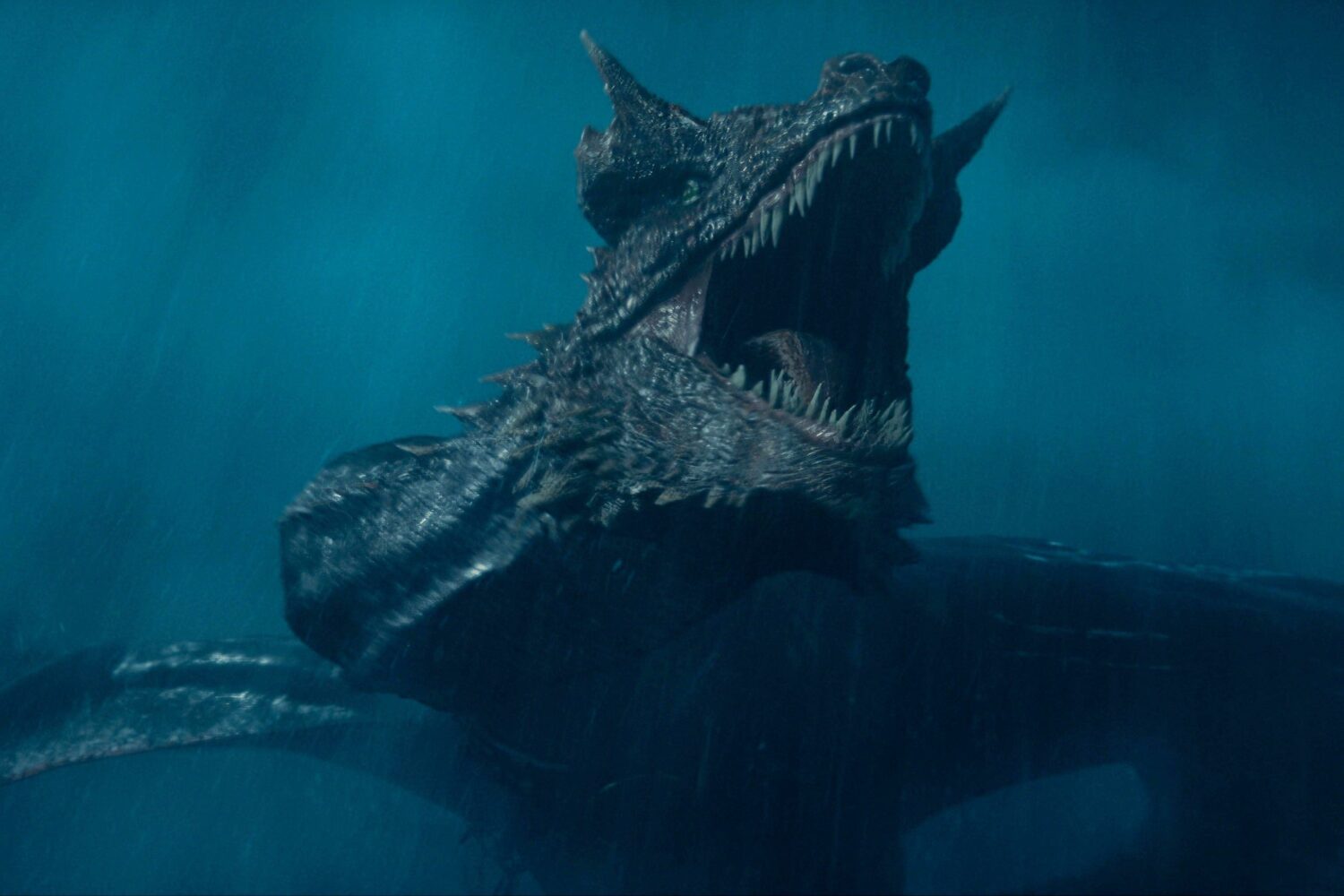
One of the season’s most electrifying shifts came in how Rhaenyra confronted her aerial shortfall. After the devastating loss at Rook’s Rest, which claimed Rhaenys and her formidable Meleys, the Blacks faced a brutal arithmetic: impressive beasts in the Dragonpit, but too few trusted hands to mount them against Aemond’s monstrous Vhagar. Enter the dragonseeds—lowborn claimants with Valyrian blood running through veins the royals had long dismissed. Addam claiming Seasmoke, Hugh taming the ancient Vermithor, and Ulf bonding with Silverwing didn’t just balance the scales; it shattered the illusion of Targaryen exceptionalism.
Picture it: these aren’t polished princes groomed in the Red Keep’s halls. They’re men carrying the scars of King’s Landing’s underbelly, resentments simmering like wildfire under the surface. As someone who’s spent countless hours theory-crafting in fantasy forums about bloodlines and destiny, I loved how this move injected raw class friction into the dragonrider mythos. Rhaenyra gained military muscle, sure, but at what cost to the old order? Season 3 will test whether these new riders become loyal assets or unpredictable wildcards, their ambitions potentially clashing with the very queen who empowered them. It’s a deliciously messy evolution that feels true to the franchise’s roots in moral gray areas and unintended consequences.
This democratization of dragon power echoes those classic sci-fi tales where technology or magic once reserved for elites falls into everyman’s hands, upending societies overnight. Ulf’s bold flight over the capital sent Aemond scrambling, a visual gut-punch that signaled the end of unchallenged Green dominance in the skies. Yet it also sowed seeds of doubt within Rhaenyra’s own circle, particularly with her son Jace, whose legitimacy already walks a tightrope. The war’s next phase won’t just be fought with tooth and claw, but with questions of worthiness that could fracture alliances from within.
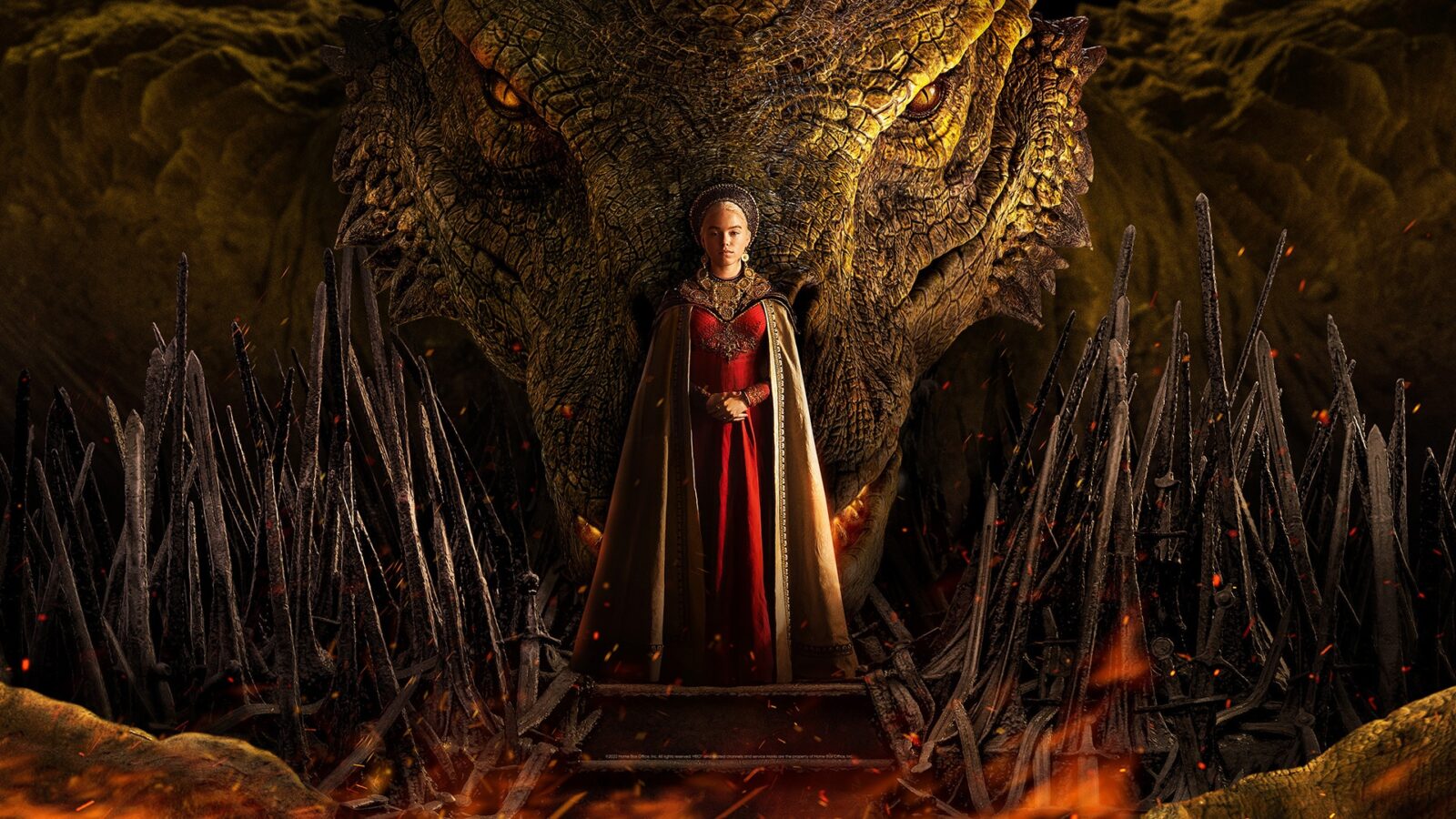
No character embodied the season’s psychological torment quite like Daemon Targaryen, whose Harrenhal sojourn played out like a fever-dream therapy session in a cursed castle. Haunted by ghosts of his past—losses, ambitions, and the blurred line between love and domination—he finally confronted the bigger picture through that haunting weirwood vision. Daenerys’ distant shadow, the Long Night’s chill, and Rhaenyra’s ultimate place on the throne reframed his ego-driven quest. When he bent the knee upon her arrival, it wasn’t mere submission; it was a hard-won acknowledgment that some legacies demand stepping back from the spotlight.
I’ve always seen Daemon as the ultimate rogue archetype, the charming uncle who’d rather burn the board than lose his seat at it. His evolution here feels earned, layered with the kind of internal conflict that makes rewatches addictive. Yet the question lingers for Season 3: can a man forged in chaos truly play the supportive role without his old instincts resurfacing under pressure? That High Valyrian exchange with Rhaenyra carried the weight of decades, hinting at a partnership reborn from shared fire rather than rivalry. In a show packed with larger-than-life figures, Daemon’s growth stands as one of its most compelling human anchors.
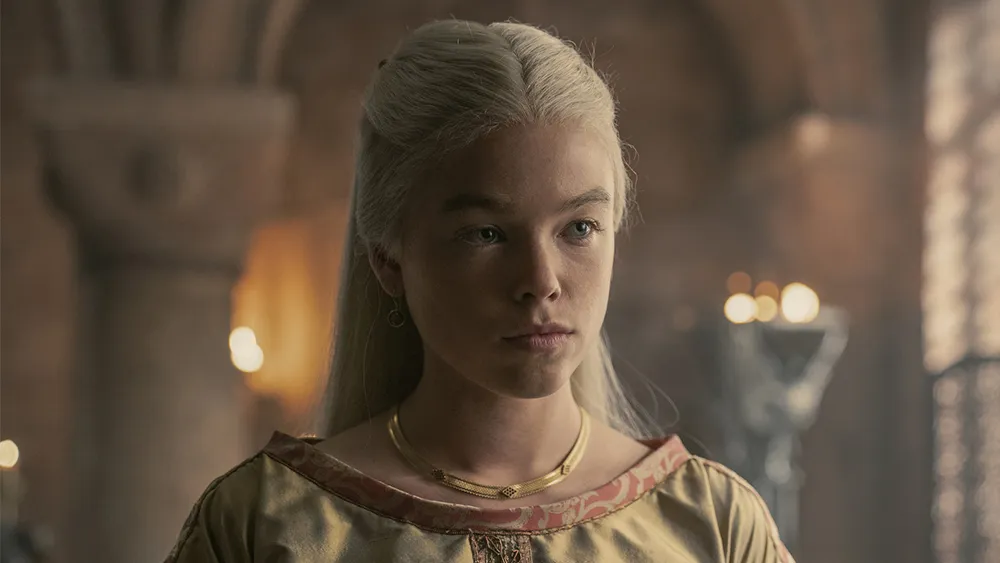
On the Green side, Alicent Hightower’s desperate pilgrimage to Dragonstone marked a heartbreaking pivot. Admitting her misinterpretation of Viserys’ dying words, she offered Rhaenyra a near-bloodless path to the throne, only to hear the brutal counter-demand: Aegon must die. What she didn’t know—what Larys had already orchestrated—was that her son had slipped away, broken but breathing, into hiding. It’s the ultimate irony in a season defined by plans unraveling at the worst possible moment.
Aegon, once a puppet king, emerges as a potent wildcard precisely because he looks defeated. Larys sees the long game, turning a humiliated survivor into a symbol that could rally remnants or destabilize whatever fragile peace Alicent imagines. This escape doesn’t just complicate Alicent’s bargain; it underscores the Greens’ fractured leadership, with Aemond’s regency fueled more by fear than unity. As a viewer who’s marveled at the show’s talent for making even villains sympathetic, Alicent’s late-season yearning for escape—for a life beyond the Red Keep’s suffocating walls—lands with poignant force. She’s architect of much of this nightmare, yet her desire for anonymity feels achingly real.
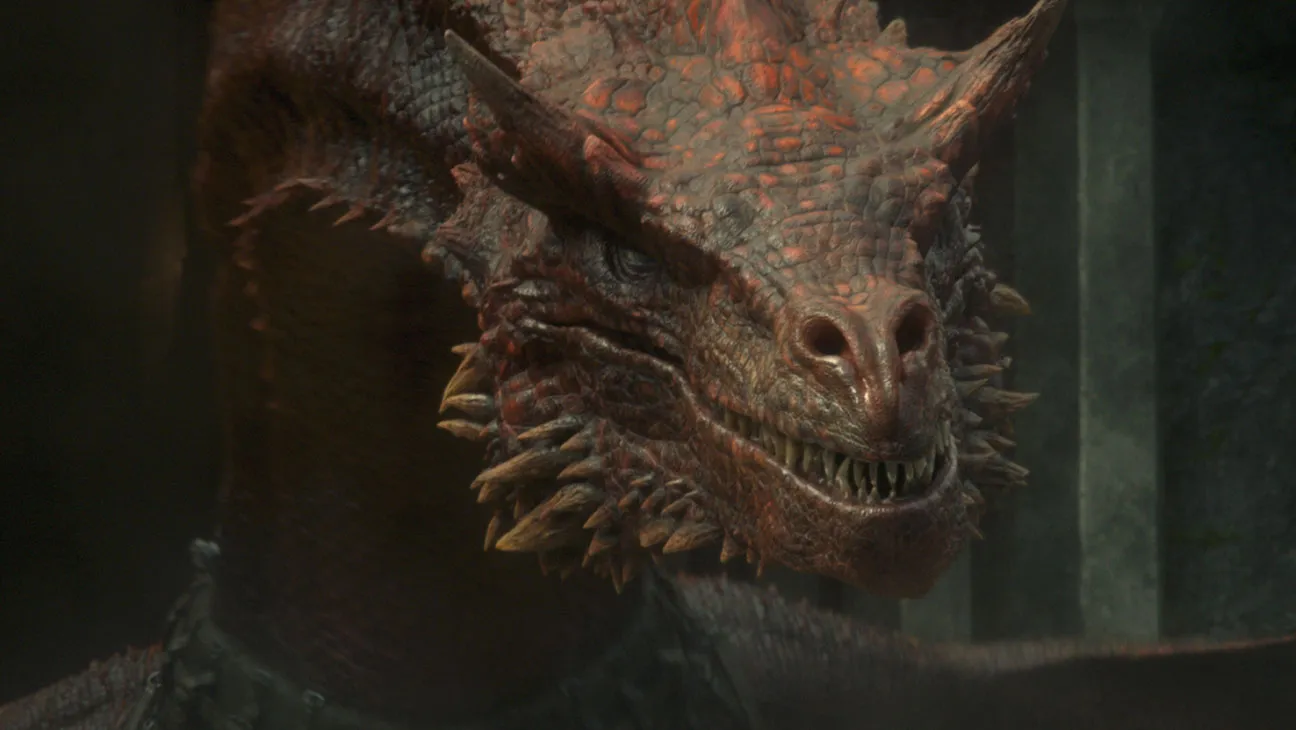
Jace Velaryon’s quiet anxiety cuts to the emotional core of Rhaenyra’s ambitions. As her heir, he represents continuity and stability amid the chaos, but the rise of the dragonseeds threatens the very symbols anchoring his claim. His dragon once silenced whispers of illegitimacy; now, with common blood riding ancient beasts, that foundation trembles. The impending Battle of the Gullet—where sea, sky, and family secrets collide—looms as Season 3’s explosive opener, pitting Corlys’ fleet against the Triarchy while dragonriders clash overhead.
Corlys himself feels primed for a renaissance. Having lost Rhaenys, claimed the Handship, and danced around his bastard sons Alyn and Addam, the Sea Snake’s naval expertise will finally take center stage. That tense dockside confrontation in the finale crackled with unresolved paternity and duty, promising richer drama on the waves. Meanwhile, Rhaena’s discovery of a wild dragon in the Vale hints at her own emergence from the sidelines, adding yet another volatile element to the dragonrider roster. And let’s not overlook Helaena, whose prophetic clarity cuts through the politicking like Valyrian steel—her warnings to Aemond about his fate and Aegon’s return carry the chilling inevitability of a well-rolled D20 in a doomed campaign.
The Gullet represents more than geography; it’s the pressure point where all these threads converge. Ships slicing through contested waters, dragons wheeling in the clouds, and personal vendettas boiling over—it’s the cinematic payoff fans have been craving. Season 2 built the tension masterfully, teasing naval blockades and shifting alliances. Season 3 has the chance to make it visceral, forcing characters to confront how their choices ripple across fleets and bloodlines alike.
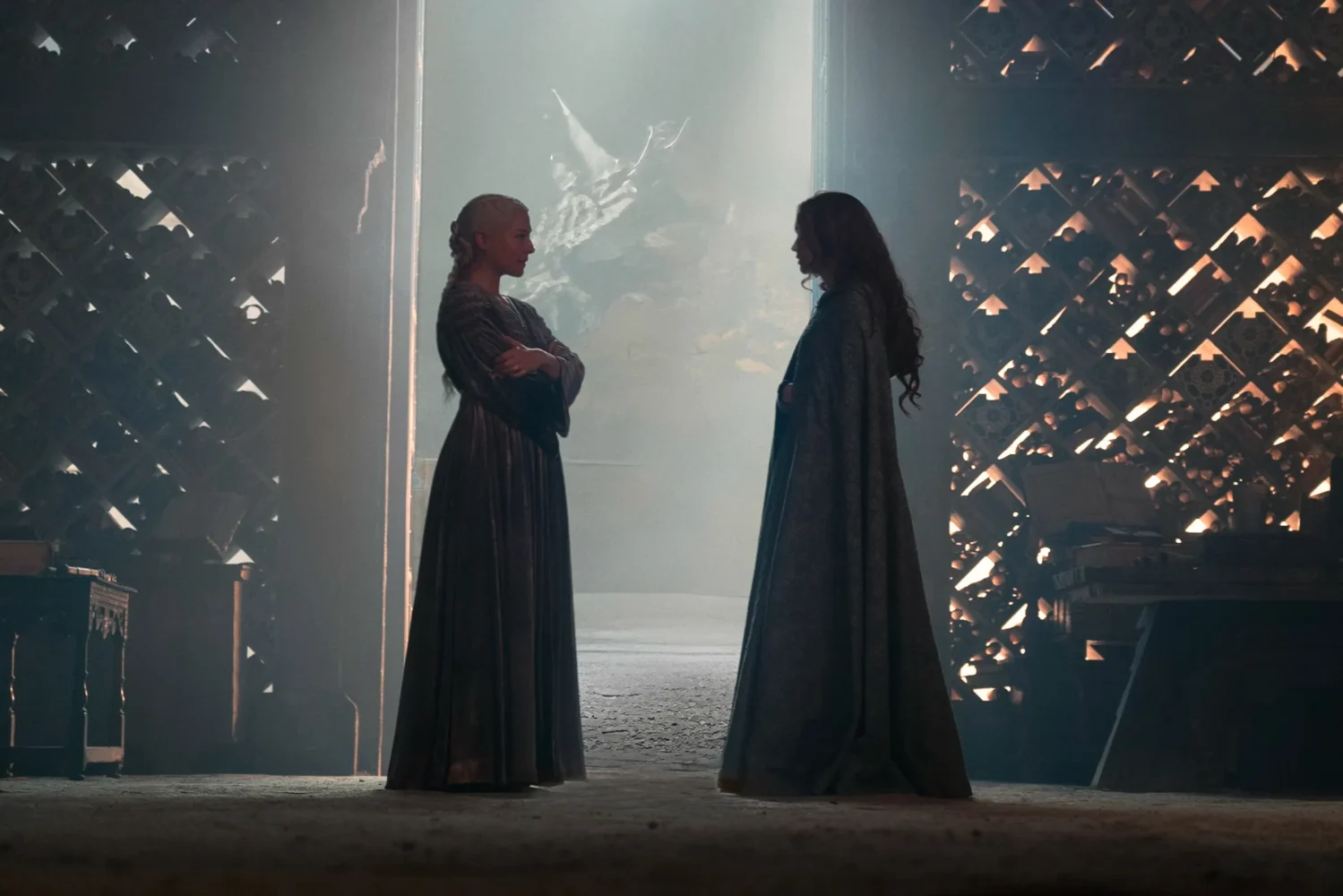
Stepping back, the realm stands at a crossroads where no side holds undisputed supremacy. Rhaenyra commands Dragonstone, a reunited Daemon, innovative dragon power, and Corlys’ maritime might, yet her path to King’s Landing hinges on a deal already compromised. The Greens retain Vhagar’s terror and Aemond’s ruthless drive, but internal fractures—Aegon’s absence, Alicent’s doubts, Helaena’s visions—undermine their cohesion. Every player believes they have one final maneuver, but as the show loves to remind us, that’s often the prelude to disaster.
This setup thrills because it mirrors the best of epic fantasy: grand strategies undone by human frailty. Whether you’re a book devotee or TV-first like many, the anticipation for how these elements collide feels electric. Will the new riders hold the line, or will class resentments ignite new betrayals? Can Daemon’s clarity endure the fog of war? And what role will the smaller, prophetic voices like Helaena play when armies clash?
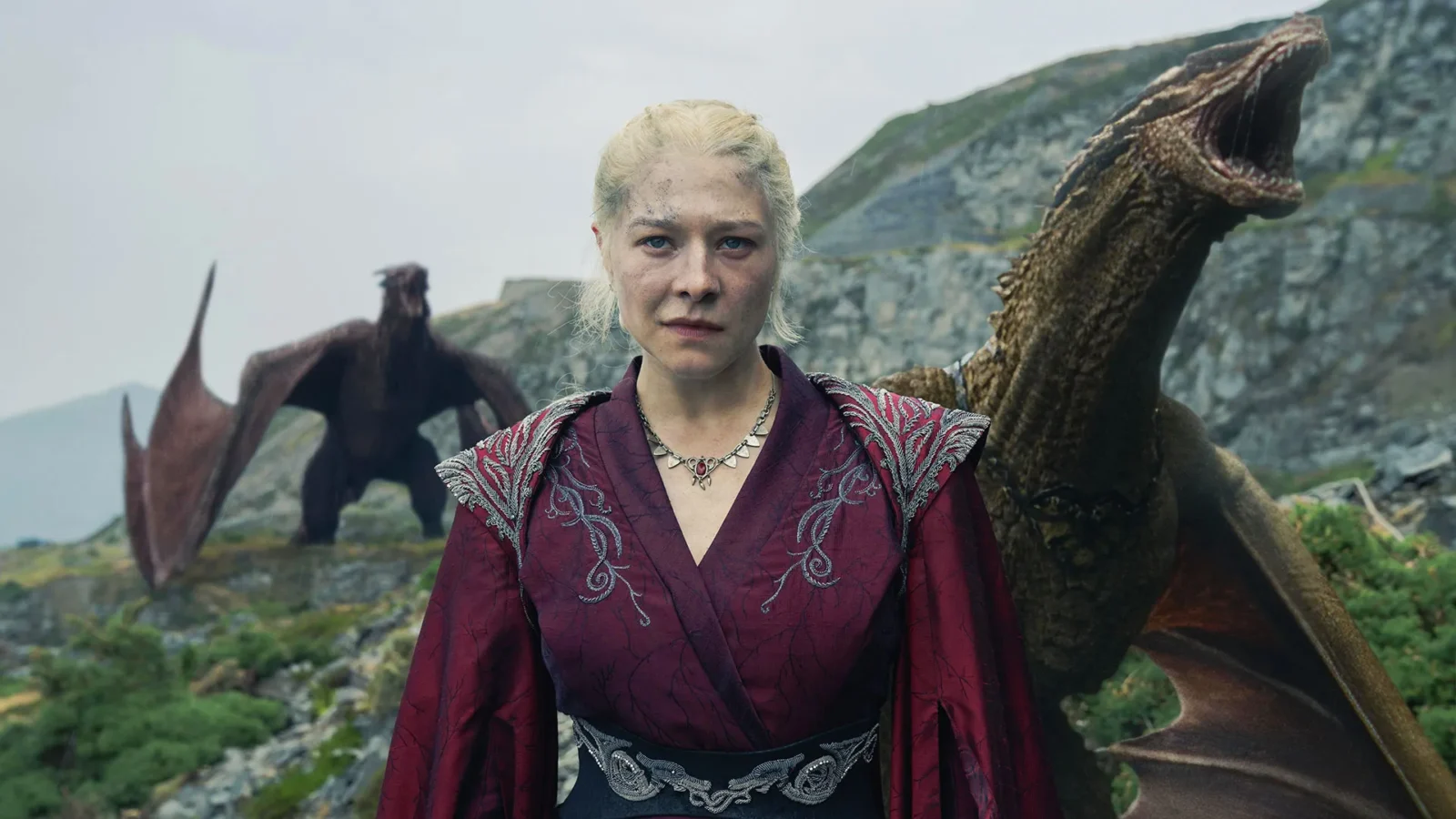
House of the Dragon Season 2 didn’t just advance the Dance of the Dragons—it transformed it from a straightforward succession crisis into a sprawling tapestry of fractured loyalties, empowered outsiders, and prophecies that refuse to stay buried. The showrunners have woven personal reckonings with large-scale stakes in ways that reward attentive viewing, setting up a Season 3 poised to deliver spectacle laced with genuine emotional weight. It’s peak prestige fantasy television: immersive, unpredictable, and unafraid to let its characters stumble into the consequences of their deepest desires. If the Gullet and beyond live up to this foundation, we’re in for one of the most memorable chapters yet in the Targaryen saga.
House of the Dragon season 2 premiers June 22, 2026 on OSN+ in the MENA.