

ASUS has unveiled its latest range of AI-focused computers at Computex 2026, expanding options across laptops, desktops, and all-in-ones aimed at creators, students, and general users. The announcement highlights practical integration of AI capabilities rather than radical breakthroughs, building on the gradual shift toward more efficient on-device processing that began with earlier Copilot+ systems.

Central to the lineup are the new ProArt P16 and P14 models, which incorporate NVIDIA’s RTX Spark platform. This combines a Blackwell RTX GPU with substantial CUDA cores and Tensor processing alongside a Grace CPU, delivering up to one petaflop of AI performance and significant unified memory. For professional creators and developers, the hardware supports local AI agent workflows with improved security features. ASUS pairs this with tools like ProArt Creator Hub for resource management and applications such as MuseTree for image and video generation using FLUX.2 models. The laptops also feature bright Lumina Pro OLED displays with high peak brightness and smooth refresh rates, available in new color finishes. While promising for demanding creative tasks, real-world performance will depend on how effectively these systems handle sustained workloads without excessive heat or power draw, a common challenge in previous high-end mobile workstations.

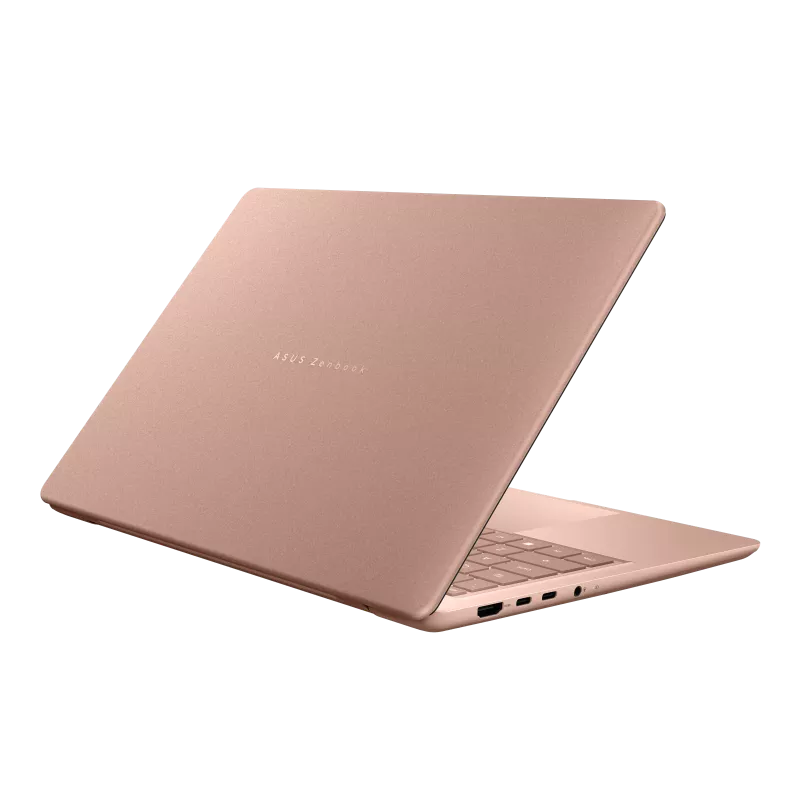
For more everyday use, the refreshed Zenbook 14 offers a lightweight aluminum build with options across Intel, AMD, and Snapdragon platforms, targeting up to 21 hours of battery life under controlled testing. Its design emphasizes portability with nature-inspired colors and solid keyboard feel. Similarly, the Vivobook S series, powered exclusively by Snapdragon X processors, provides efficient multitasking with NPU acceleration around 45 TOPS. These models include large OLED displays, military-grade durability testing, and over 25 hours of claimed battery in lighter scenarios. The flip variants add 360-degree flexibility for tablet-style use. These devices reflect the maturing AI PC category, where power efficiency gains are notable yet often tempered by variable real-life demands like background applications or connectivity issues. Students and mobile professionals may appreciate the reduced adapter needs, though sustained heavy AI usage could still impact longevity.
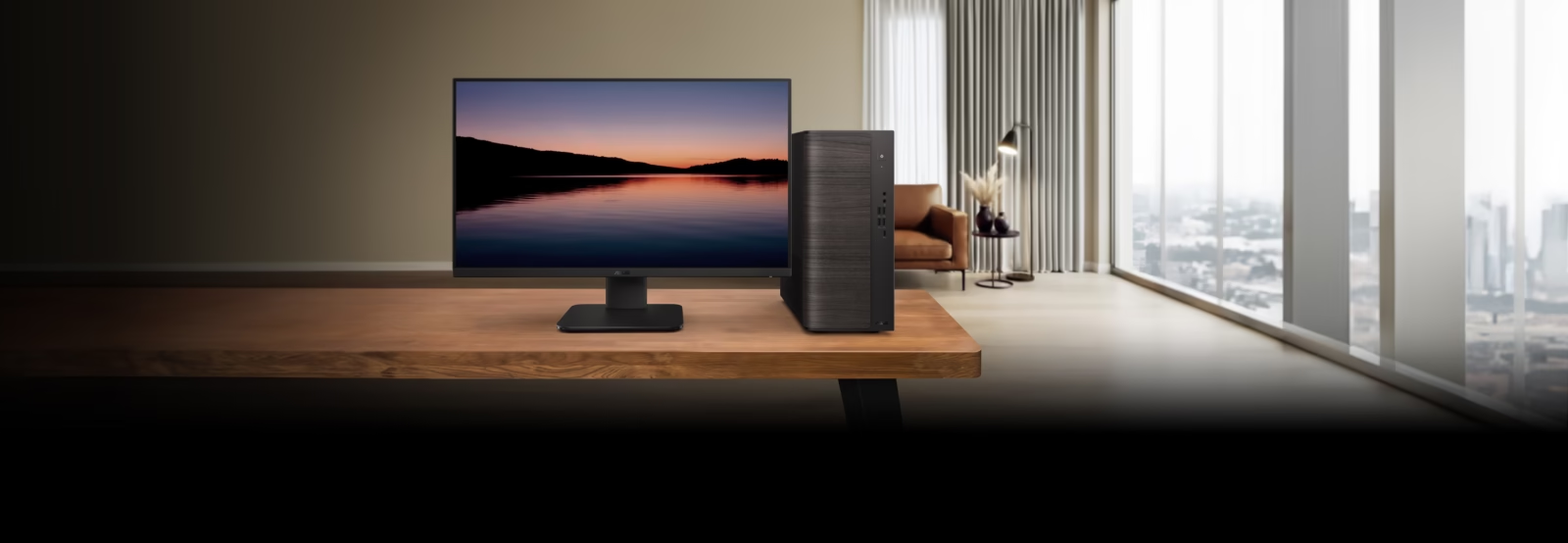
On the desktop side, the V700 Mini Tower and V series all-in-ones adopt understated, home-friendly designs with wood-grain accents and quiet cooling. Configurable with Intel Core Ultra processors and optional RTX 50-series graphics, they balance everyday performance with living-room aesthetics. This approach acknowledges that many users want capable machines that do not dominate their spaces, a sensible evolution from bulkier gaming-oriented towers.
ASUS also introduced Zenni Claw, an AI assistant focused on accessible agentic workflows with simplified setup and hybrid local-cloud processing for better privacy. Additional partnerships, including with Goodnotes for note-taking, aim to enhance practical utility. Overall, the 2026 ASUS AI PC lineup demonstrates steady progress in embedding AI across price points, though success will hinge on software maturity and whether these features genuinely simplify tasks rather than add complexity. Availability in the UAE is slated for mid-Q3 2026.