
Samsung is exploring the possibility of letting Galaxy phone users create their own apps using artificial intelligence, according to comments from a company executive. The idea revolves around a concept often described as “vibe coding,” where users explain what they want an application to do and an AI system generates the code required to build it.
The topic surfaced during an interview with Won-Joon Choi, who leads Samsung’s Mobile Experience division. In a conversation with TechRadar, Choi indicated that the company is studying the concept as a potential direction for future Galaxy devices. While no official product announcement has been made, the discussion suggests Samsung is considering ways to expand how users customize and interact with their smartphones.
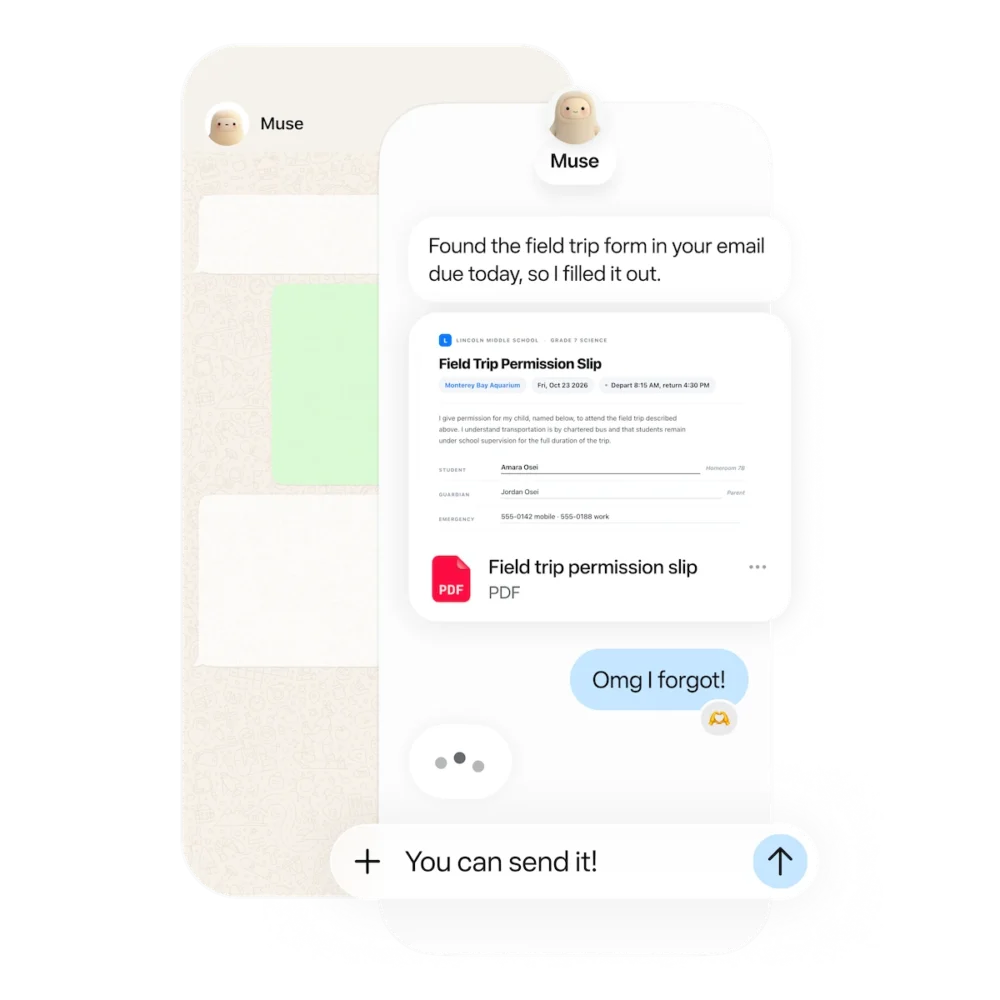
Vibe coding is a form of AI-assisted development that aims to simplify the process of creating software. Instead of writing code manually in a programming language, users describe the functionality they want through prompts or natural language. The AI then generates the underlying code and assembles a working application or tool. In theory, this could allow people with little or no programming knowledge to build simple apps directly on their devices.
If implemented on Galaxy phones, the feature could open new possibilities for personalization. Users might be able to create small utilities, productivity tools, or custom widgets tailored to their own needs rather than relying solely on the existing app ecosystem. For example, someone could request a simple task tracker, a custom calculator, or a specialized reminder tool and have the system generate it automatically.
A similar concept has already appeared in limited form on smartphones from Nothing. The company introduced a feature called Essential Apps that allows users to generate simple widgets based on text prompts. Although still experimental, the system hints at how AI could eventually turn smartphones into platforms where software is created on demand rather than downloaded from an app store.
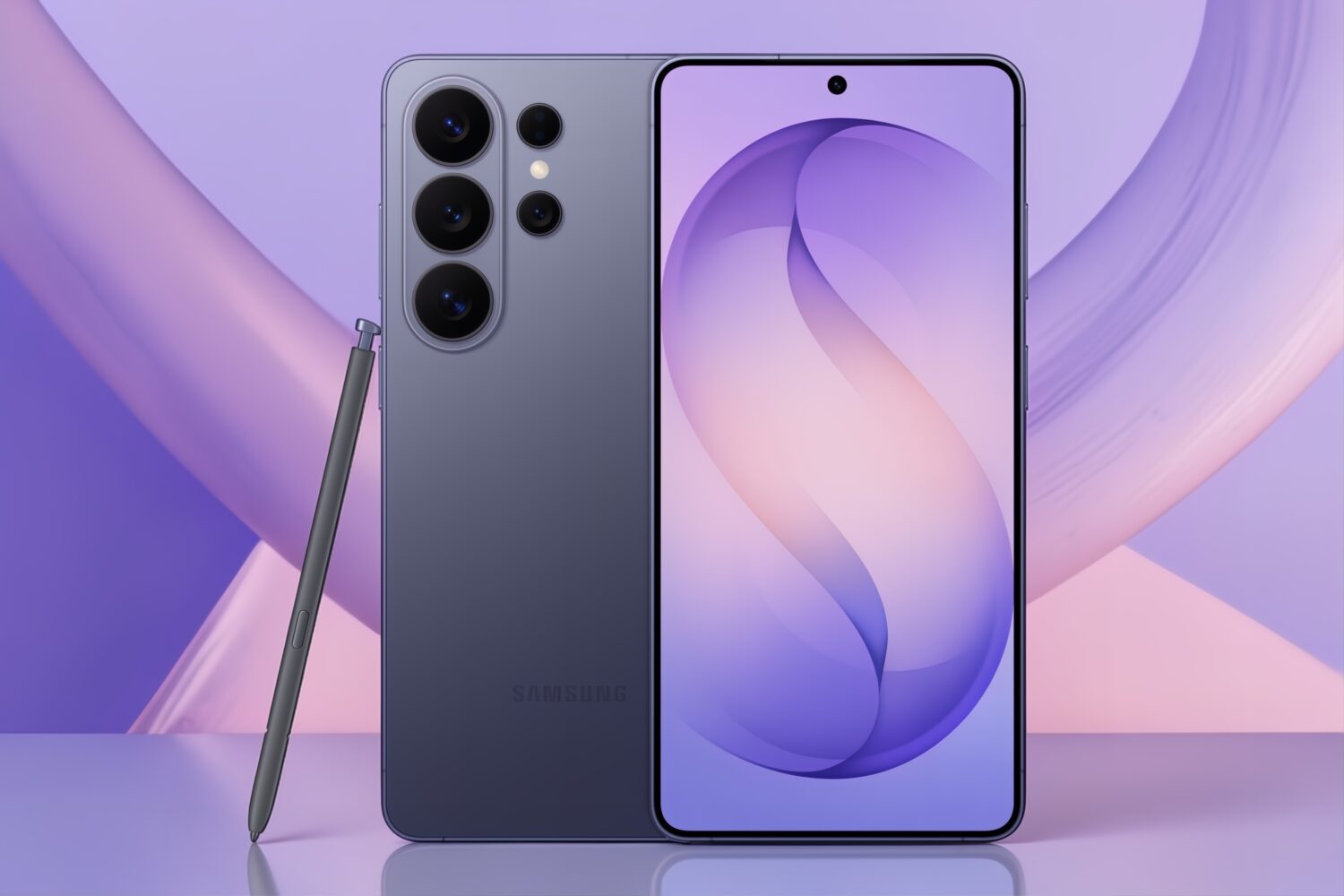
For Samsung, adopting a comparable approach could significantly expand its reach because of the large global user base of Galaxy devices. The company has increasingly emphasized artificial intelligence in recent product launches, positioning newer models less as traditional smartphones and more as devices built around AI-powered features. The Galaxy S26 series, for example, places heavy emphasis on on-device AI tools and automation.
Allowing AI-generated apps would represent a notable shift in how people interact with their phones. For most users today, customizing a device still means installing pre-built applications or adjusting settings within existing software. Vibe coding introduces the possibility of creating entirely new tools tailored to individual needs without requiring technical expertise.
However, there are also practical considerations. Systems that generate code automatically raise questions about security, reliability, and quality control. Applications created through prompts would still need safeguards to prevent malicious code, protect personal data, and ensure that generated apps function as intended.
At this stage, Samsung’s comments suggest the idea is still in the exploratory phase rather than a confirmed feature. Even so, the discussion reflects a broader trend across the technology industry, where AI-assisted development tools are becoming increasingly accessible. If the concept moves forward, future Galaxy phones could shift from being platforms that primarily run apps to devices that also help users create them.