


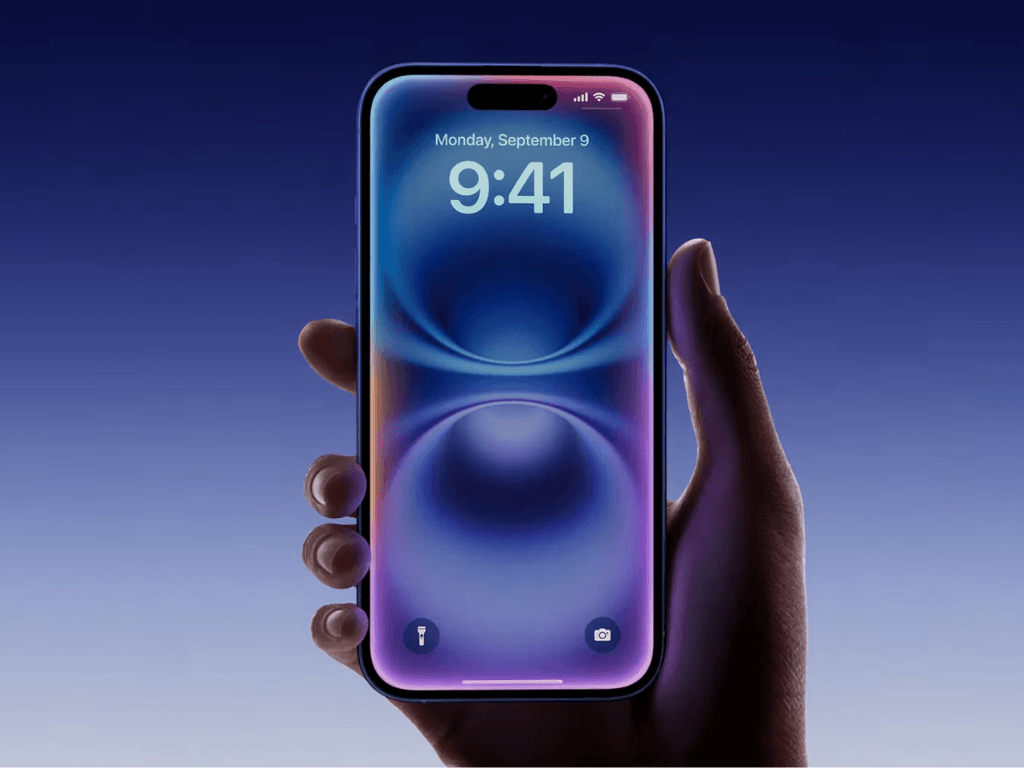
A new security feature in iOS 18.1 is causing iPhones to mysteriously reboot after periods of inactivity, and it’s all designed to protect your precious data from prying eyes.
This “inactivity reboot” feature, as it’s been dubbed, triggers a restart if an iPhone hasn’t been unlocked for approximately 96 hours (four days). This seemingly simple action has a significant impact on the device’s security.
When an iPhone reboots, it transitions from an “After First Unlock” (AFU) state to a “Before First Unlock” (BFU) state. The BFU state is considerably more secure, making it much harder for unauthorized individuals to access the data stored on the device.
This feature has caused a stir among law enforcement officials who have found iPhones in their possession rebooting unexpectedly. Initially, some speculated it was a bug related to the iPhone 16, but further investigation revealed it to be a deliberate security enhancement in iOS 18.1.
Apple has a long-standing commitment to user privacy and security, often resisting attempts by law enforcement to compromise its devices. The company maintains that creating backdoors for law enforcement would weaken the overall security of its products, making them vulnerable to malicious actors.
In this case, the “inactivity reboot” feature primarily aims to protect users from data theft in situations like lost or stolen devices. By automatically increasing security after a period of inactivity, Apple is making it significantly harder for thieves to access sensitive information such as photos, bank details, and passwords.
While the feature may pose challenges for law enforcement in certain investigations, its benefits in protecting everyday users from data theft are undeniable. This move further solidifies Apple’s dedication to user privacy and security in an increasingly digital world.