
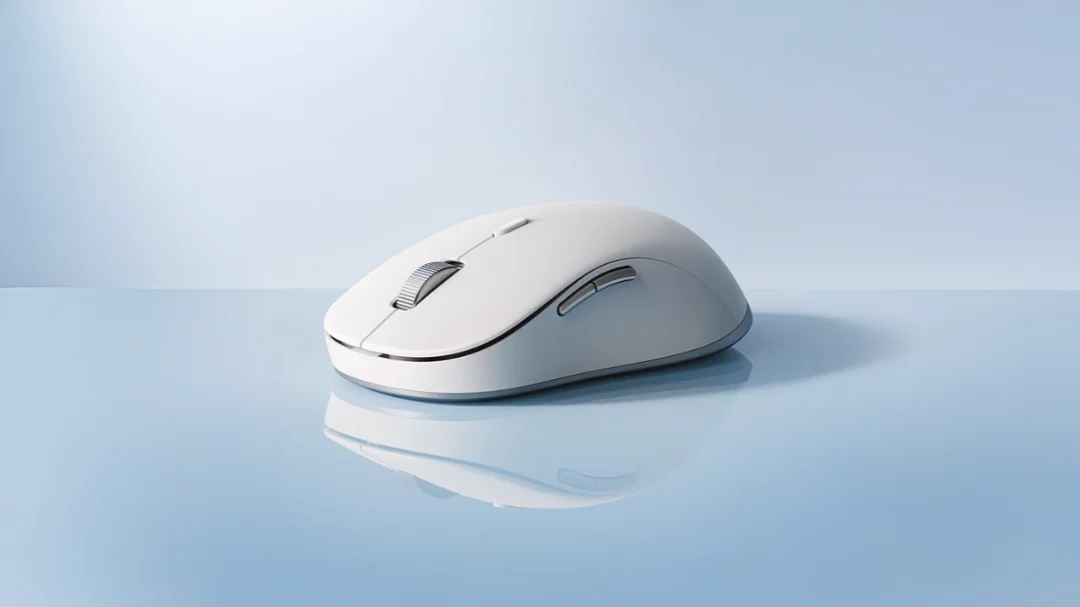
Xiaomi has expanded its accessory lineup with the Wireless Mouse 4 Pro, a compact peripheral aimed at users seeking quiet operation and versatile connectivity. Launched in China and priced at 199 yuan, roughly $29, the mouse becomes available on July 7. Its modest dimensions of 115.5 by 62 by 36.5 millimeters and weight of 66 grams without a battery make it suitable primarily for those with smaller to medium hands, prioritizing portability over the bulkier builds favored by some gamers or heavy desktop users.
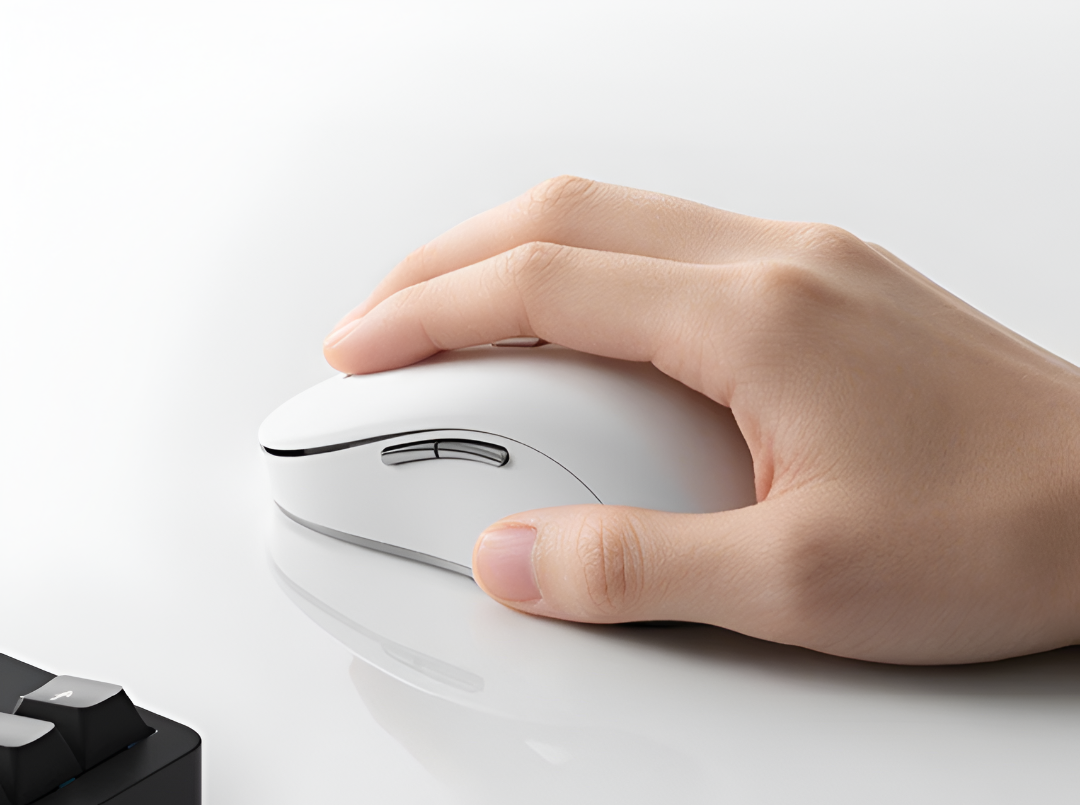
The design features a straightforward black or white plastic shell with a magnetic top cover that provides easy access to the battery compartment and a storage slot for the included 2.4GHz USB receiver. Standard PTFE feet on the base should offer smooth gliding on most surfaces. For the primary buttons, Xiaomi opted for TTC silent switches that deliver a longer travel distance for tactile feedback while minimizing audible clicks, a useful trait in shared offices or quiet environments. Side buttons carry a metallic finish and support remapping, with a small LED indicator displaying battery status and current DPI settings.
A standout element is the scroll wheel’s dynamic electromagnetic mechanism. Slow movements engage a notched mode for precise line-by-line scrolling, while faster flicks transition it into free-spin mode for rapid navigation through lengthy documents or web pages. This hybrid approach attempts to balance control and efficiency, though real-world performance may vary depending on individual scrolling habits and software optimization. The TOG sensor claims reliable tracking even on glass surfaces at least 4mm thick, potentially appealing to users with modern glass desks who prefer skipping traditional mouse pads. Historical attempts at glass-compatible sensors have sometimes struggled with consistency under varying lighting or surface conditions, so practical testing will be telling.
Connectivity options cover up to three devices simultaneously—one via the 2.4GHz receiver and two through Bluetooth 5.0—with a dedicated button to switch between them. A browser-based configuration tool allows adjustments to DPI presets (1000, 1600, 2400), button mapping, and other settings without requiring dedicated software installation, which simplifies use across multiple machines and operating systems.
This release fits Xiaomi’s pattern of producing affordable, feature-oriented peripherals that complement its broader ecosystem of smartphones, tablets, and laptops. While not revolutionary in the competitive wireless mouse market, the combination of silent switches, adaptive scrolling, and multi-device support addresses common pain points for everyday productivity and light creative work. Limitations include the relatively low maximum DPI for serious gaming applications and the small form factor that might cramp larger hands during extended sessions. Battery life and long-term durability of the silent switches and scroll mechanism remain to be evaluated in sustained use.
In context, Xiaomi continues layering incremental improvements across its Mijia-branded accessories, as seen in recent launches like a new color variant of the handheld fan and a smart kettle with precise temperature controls. Such products underscore a strategy focused on accessible enhancements rather than premium flagship territory dominated by established peripheral specialists. For users already embedded in Xiaomi’s Android-centric environment, the Wireless Mouse 4 Pro offers a low-cost option worth considering, though broader audiences may weigh it against more specialized alternatives from Logitech, Razer, or other brands that emphasize customization depth or higher-end sensors.